Frédéric Garrabou is the winemaker at Domaine Garrabou in Gardie, making organic-minded Pinot Noir there, as he goes.
The vineyard comes first for Frédéric Garrabou, winemaker at Domaine Garrabou in Gardie, where 22 hectares set the terms before any vat is filled. His formation in viticulture and oenology gives the work its two bearings: read the plant, then carry that reading through the cellar without losing the line. In Gardie, within the Limoux, Languedoc, and IGP Haute Vallée de l'Aude frame, that means Pinot Noir, Chenin Blanc, and Malbec grown with organic conversion as part of the estate's present discipline.
The estate became an independent operation in 2016, after the family vineyard had been worked by his parents and before them by vine-growing grandfathers. That shift matters at the bench because it changes the question. Fruit once destined for the cooperative cellar now has to answer under its own name, bottle by bottle. Garrabou's background includes cellar and vineyard work at Anne-Françoise Gros and Chanson, followed by time in Australia, New Zealand, and California, and consulting for domaines where organic farming was already part of the method. He brings those layers back to a small estate rather than treating them as display. The work stays close to the rows, the press, and the cask.
The clearest cellar grammar here is Le Salsous, the Pinot Noir tied to the estate's name with the least need for explanation. The grapes are picked by hand at maturity and vatted as whole bunches, a choice that asks the stems to take part in structure and scent rather than being stripped away at the door. Fermentation includes daily punching down for extraction, followed by a 3-week post-fermentation maceration before pressing. Nothing in that sequence is casual. Each step decides how much skin, seed, stem, and time the wine will carry.
After pressing, the wine goes into 500-litre barrels for malolactic fermentation, then ages for 9 months on lees with regular bâtonnage. The scale of the barrel matters; it gives room for movement without pushing the wine into oak as its main subject. The estate's wider cellar includes Chenin Blanc, Malbec, and an orange wine made from Grenache Blanc, Viognier, and Muscat with 5 days of skin contact. Those bottles show range, but the method remains legible: cooler fruit from the Haute Vallée de l'Aude, handled with enough restraint that the place stays audible.
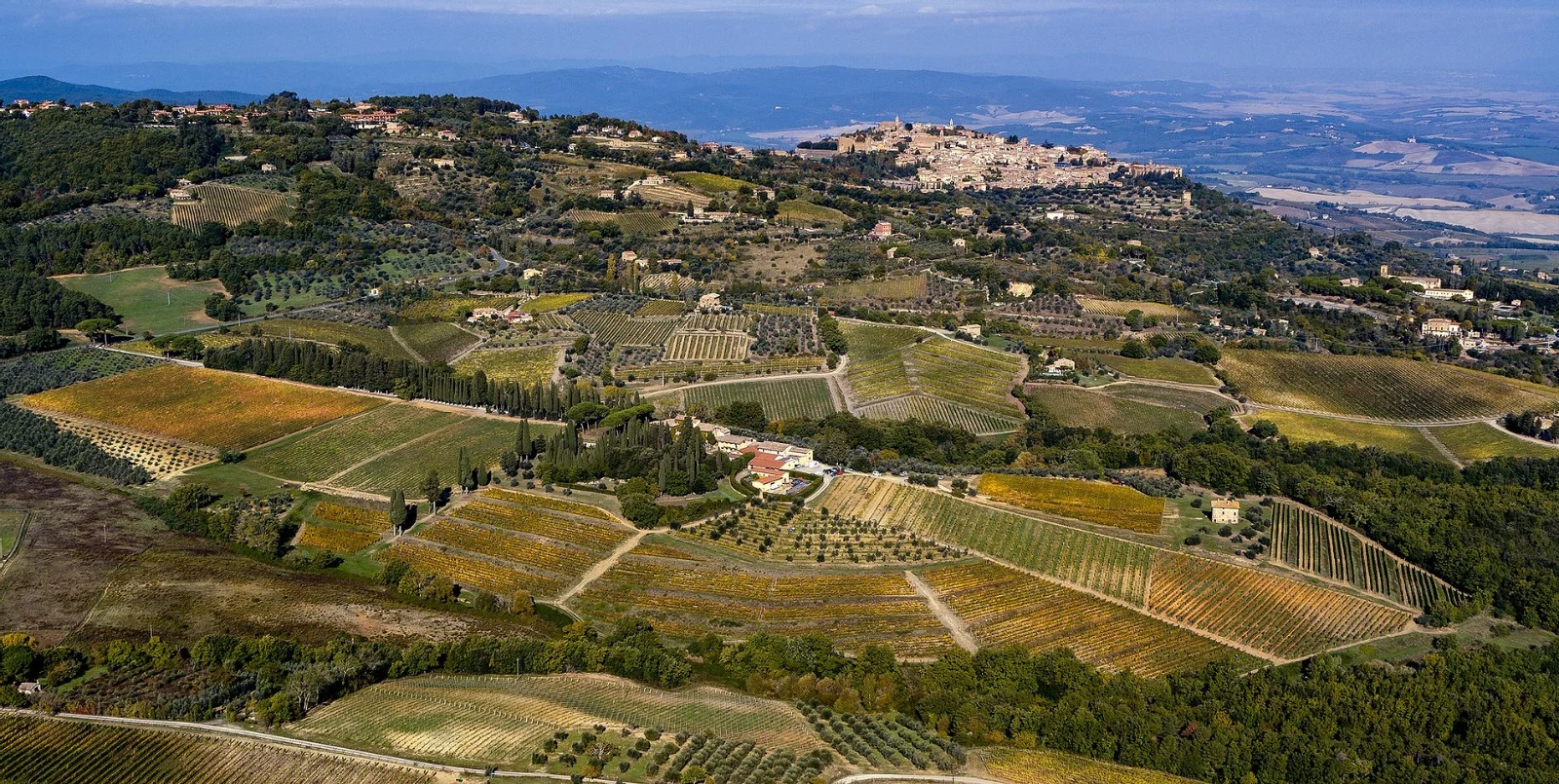
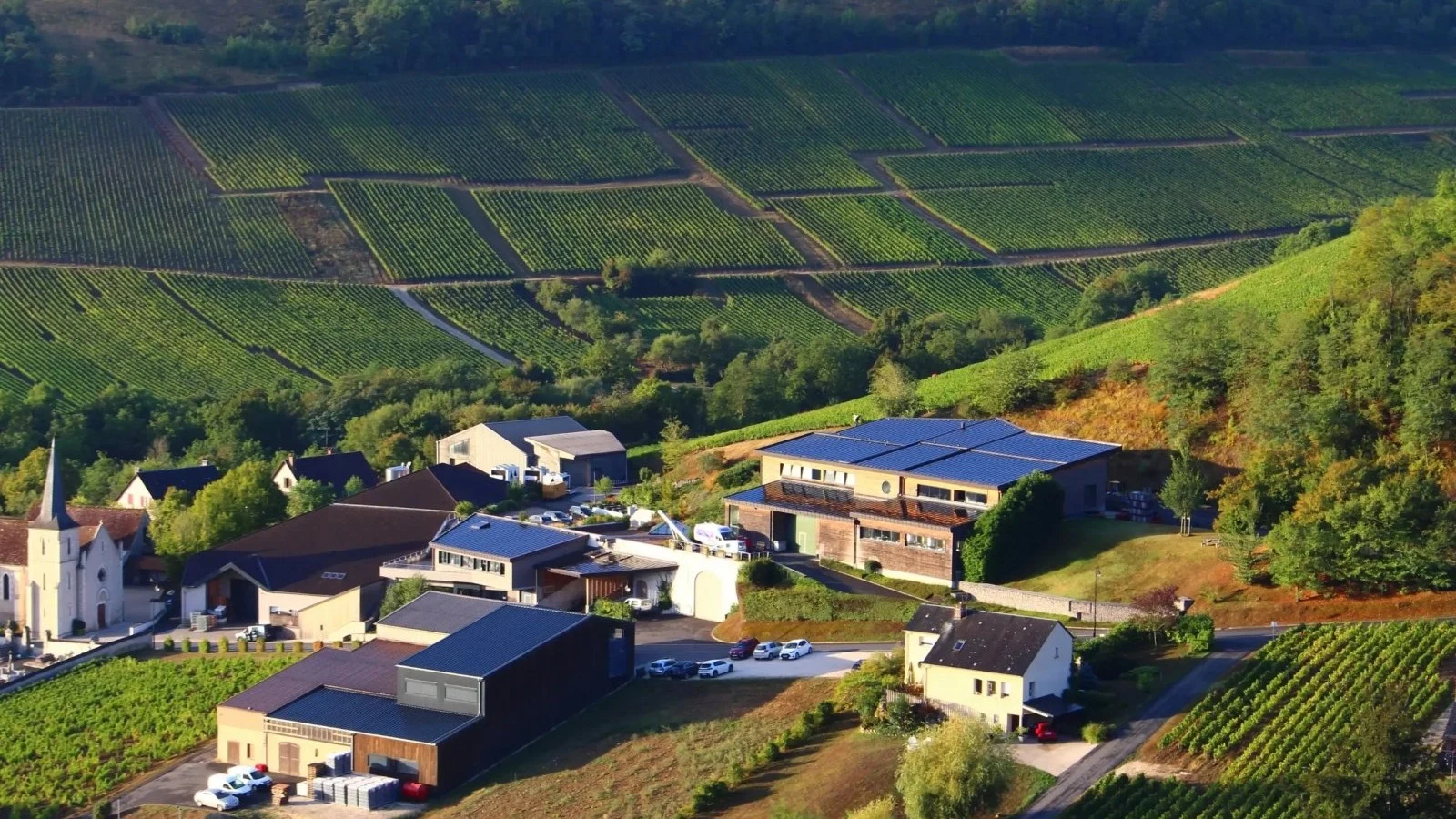
The place around the work is not a grand house built for ceremony. It is a vineyard estate in Gardie with a cellar-focused setup, quiet by nature, and measured by the practical movements of small-production wine. The Haute Vallée de l'Aude brings a cooler microclimate than the warmer coastal Languedoc, with elevation and proximity to the Pyrenees helping to slow maturation. Limestone and schist sit under the rows, giving the cellar a kind of discipline before Garrabou begins his own.
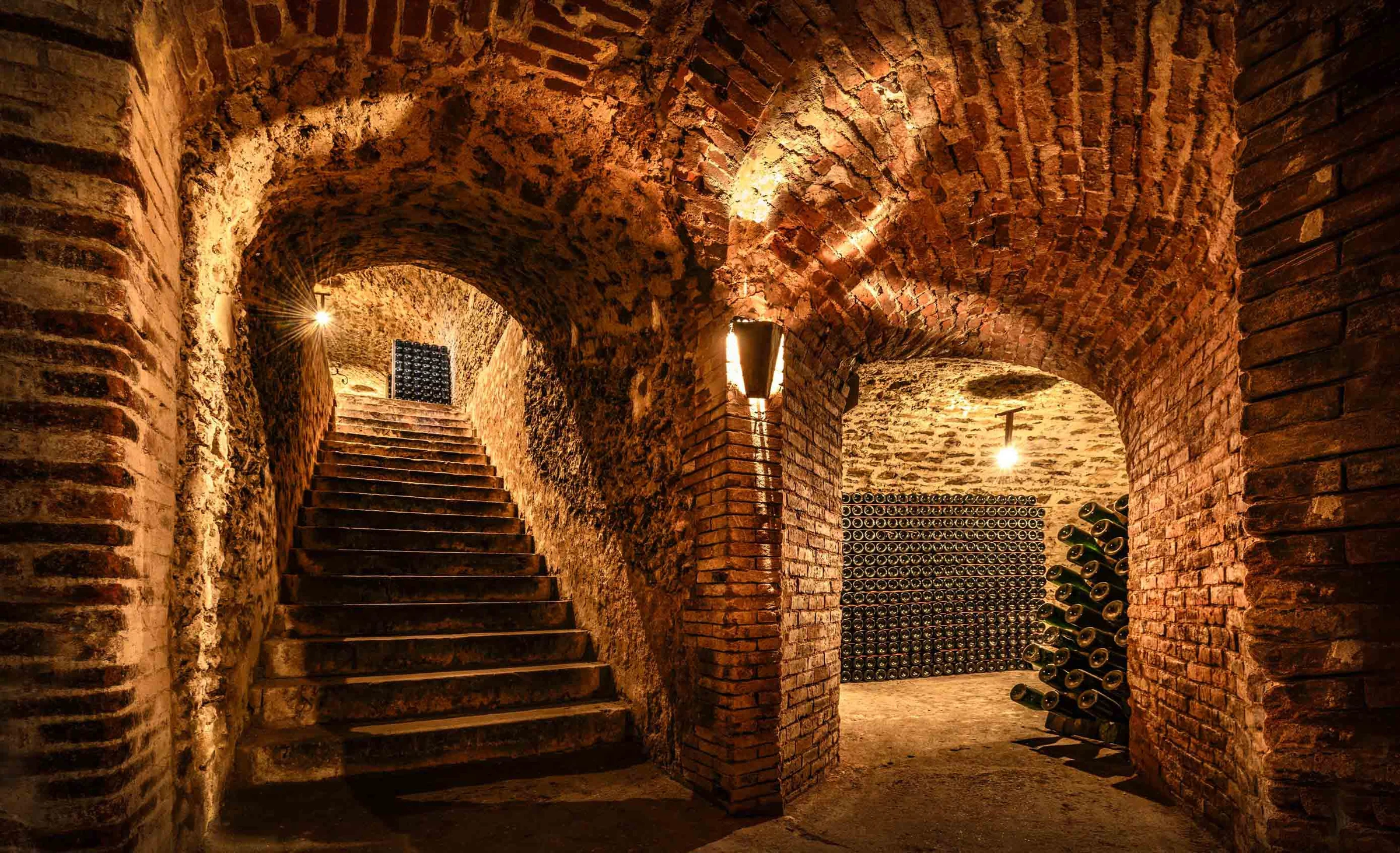
In the tasting room, the vocabulary stays close to the vineyard: Pinot Noir from Le Salsous, Chenin Blanc from L'Estrade Lieu-Dit, Malbec under Le Gouffre du Diable, and the pale orange register of When Life Gives You Oranges. The room is not the center of the estate; the cellar is. What matters is the line from the row to the barrel, and how carefully Frédéric Garrabou keeps that line intact in Le Salsous.
GARDIE, Limoux, Occitanie, Frankreich
Gardie