- Falstaff Winery - Listed · 2026
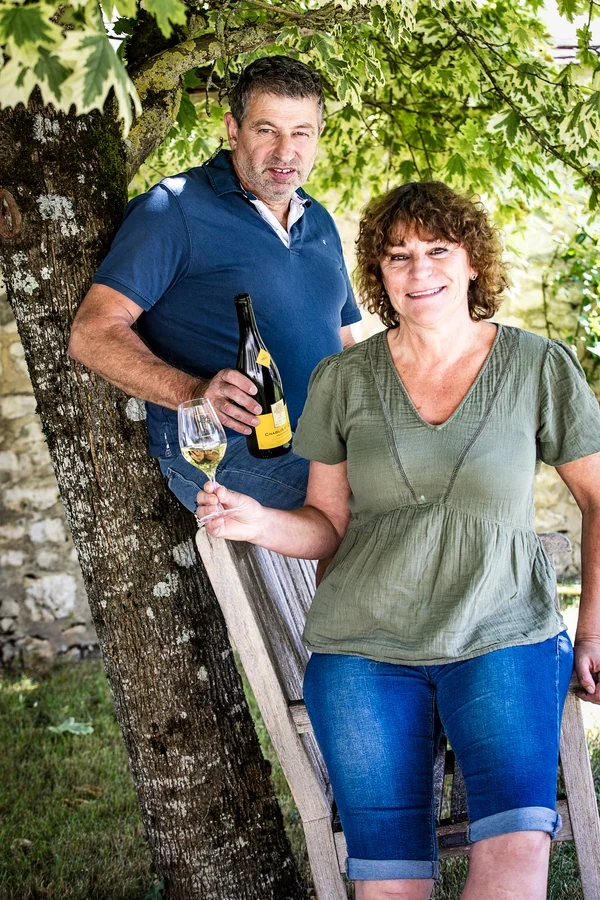
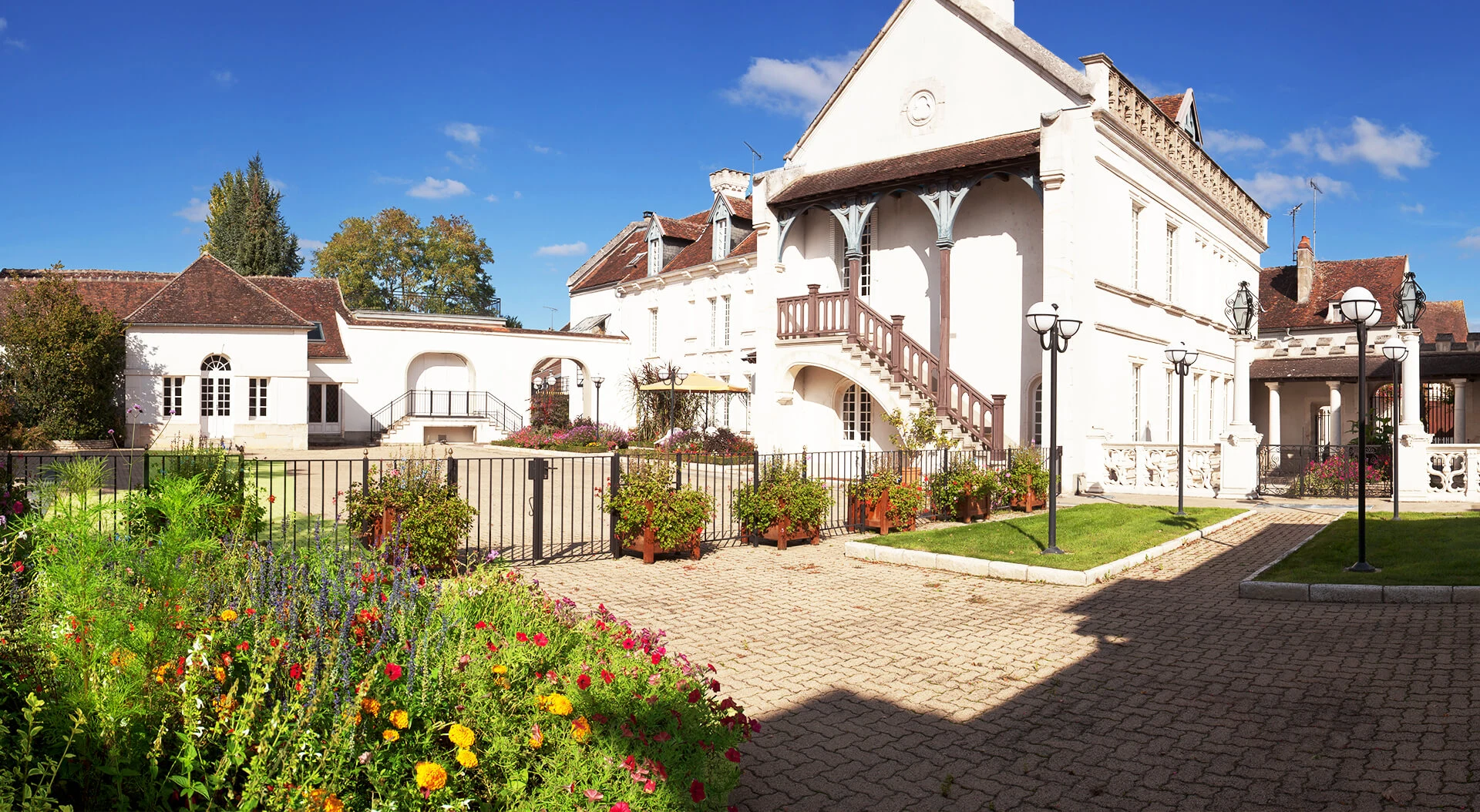
Domaine Isabelle et Denis Pommier is a family-run organic Chablis estate focused on terroir expression. The picture is direct: this is a domaine to understand through Chablis itself, its limestone soils, and a house style described as generous, open, fresh and mineral. In practical terms, that means the estate is best approached not as a destination built around spectacle, but as a clear example of how a grower can place farming, origin and regional character at the center of the conversation.
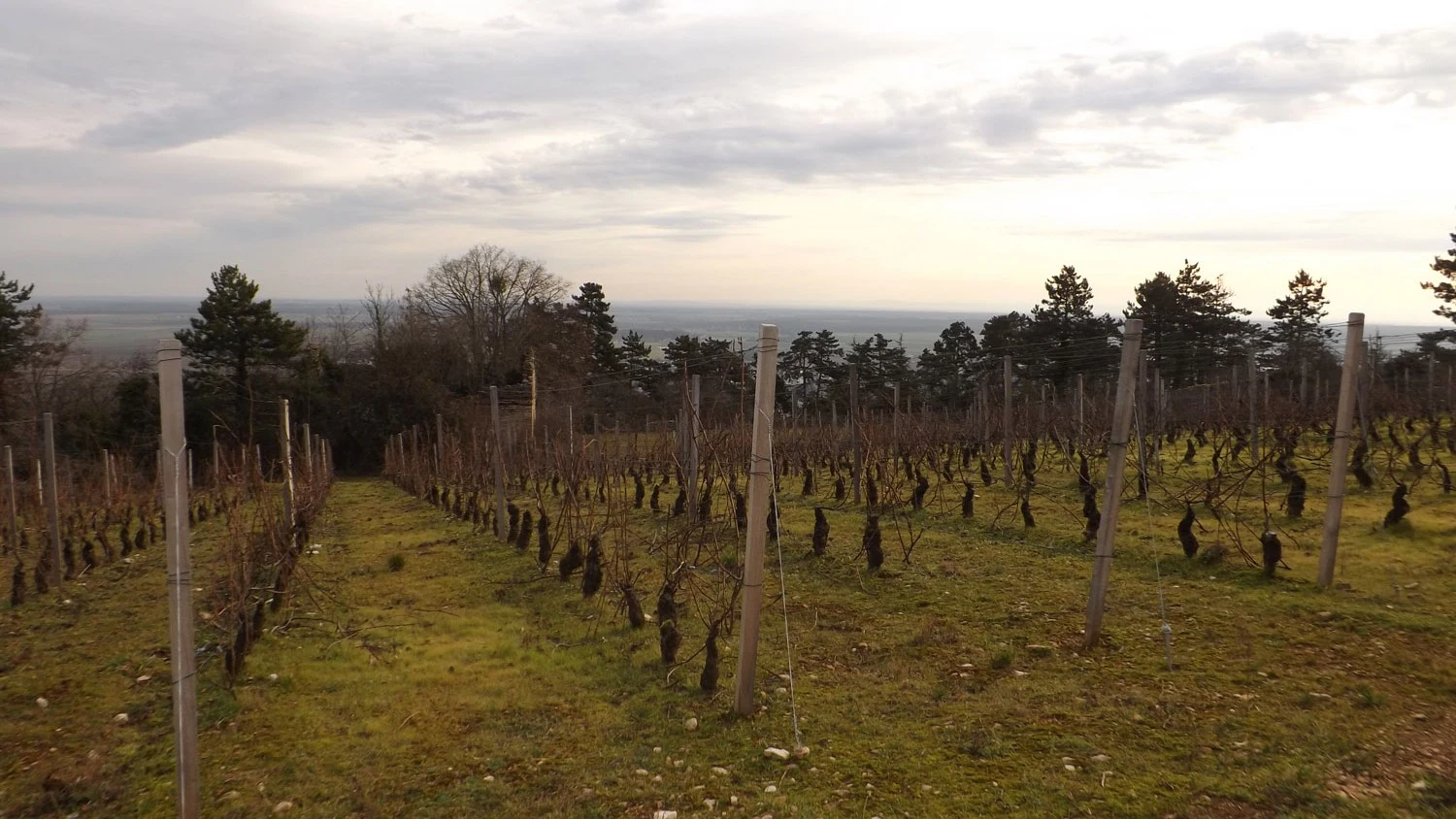
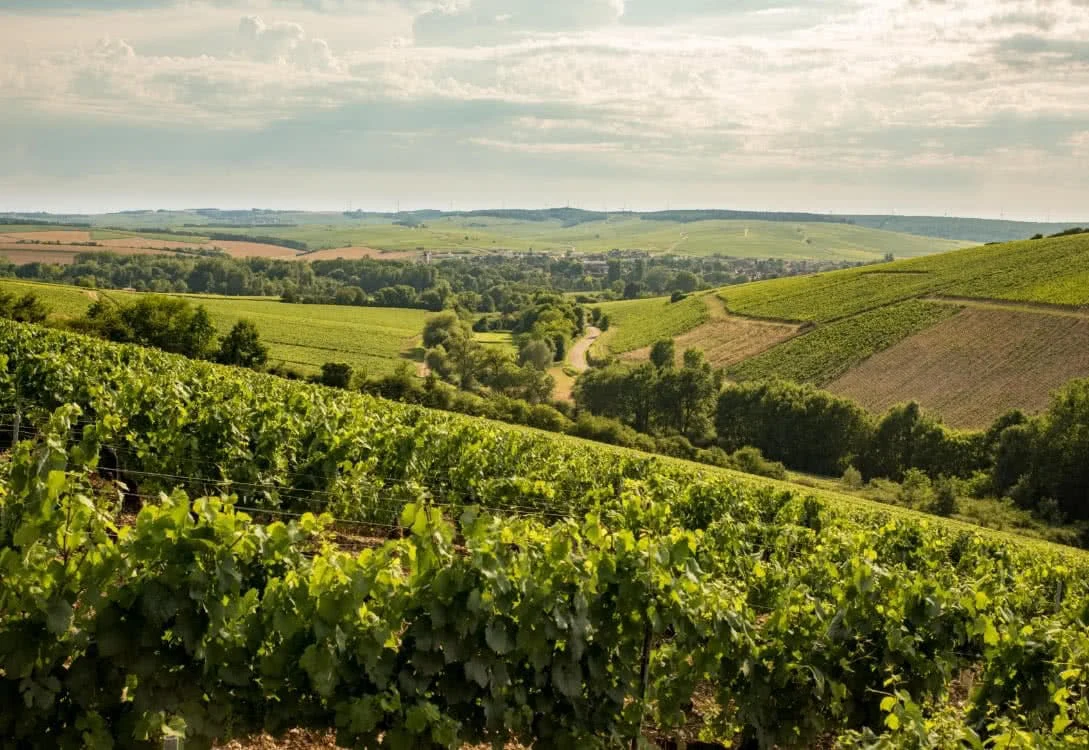
Chablis is closely associated with Kimmeridgian limestone, and that soil context is central to how Domaine Isabelle et Denis Pommier is presented. Rather than leaning on spectacle or a broad hospitality narrative, the estate is best framed around farming, place and wines intended to carry freshness, mineral definition and a sense of soul. The emphasis is quiet but important: Chablis often rewards attention to nuance, and here the available description points toward wines whose appeal comes from clarity, openness and the particular tension of limestone-influenced Chardonnay.
Organic Chablis shaped by limestone, not cellar theatre
The core identity of Domaine Isabelle et Denis Pommier is that it is a family-run organic Chablis estate. Its emphasis is on terroir expression, especially the relationship between Chablis and Kimmeridgian limestone soils. That relationship gives the page its most useful frame: the domaine belongs in a conversation about how organic farming and a strong sense of site can shape the profile of Chablis without needing to overstate the case.
The wines are described as generous, open, fresh and mineral. That combination matters because it keeps the focus on balance: approachability without losing the clarity and limestone-driven character associated with Chablis. “Generous” and “open” suggest wines that are not austere for the sake of it, while “fresh” and “mineral” keep them anchored in the region’s expected precision. Taken together, the description points toward a style where immediacy and definition are meant to work side by side.
Specific details about vineyard size, individual cuvées, cellar vessels, visitor format or production methods are not confirmed here, so the most reliable way to describe the domaine is through its organic farming identity and its stated focus on wines that express place. This restraint is useful. It prevents the estate from being reduced to technical claims and keeps the spotlight where the confirmed information places it: on family scale, organic cultivation and Chablis as a limestone landscape.
Family scale and terroir-led Chablis
For readers considering Domaine Isabelle et Denis Pommier, the useful confirmed lens is not a list of scores or awards, but the estate’s family-run character and its Chablis terroir focus. The domaine’s reputation in this guide rests on organic farming and wines shaped to be fresh, mineral, generous and open. That is enough to establish its place in a Chablis itinerary for anyone interested in understanding the region through producers who foreground origin rather than a heavily packaged experience.
Because specific awards, ratings, parcel details and vintage scores are not part of the public record here, they should not be treated as confirmed reasons to visit. The grounded appeal is simpler: Domaine Isabelle et Denis Pommier represents an organic, terroir-led expression of Chablis. In editorial terms, that simplicity is not a weakness. It gives the estate a clean identity and avoids distracting from the central fact that the domaine is being presented through its relationship with limestone soils, organic practice and the sensory language of freshness and minerality.
Travellers building a Chablis itinerary can use the estate as a reference point for understanding organic Chablis and the role of Kimmeridgian limestone in the region’s wine identity. Other dining, hotel, bar and experience planning in Chablis can be considered separately around the city and surrounding wine country. The estate’s usefulness in that wider plan is conceptual as much as practical: it helps frame what many visitors are looking for in Chablis, namely a clear connection between soil, farming and the profile of the wines in the glass.
Further reading across the cellar map
Readers comparing options should keep the focus on Domaine Isabelle et Denis Pommier and on other Chablis wine experiences in general terms. Within this guide, the comparison point is Domaine Isabelle et Denis Pommier itself, an organic family estate in Chablis centered on terroir expression. It is best understood as part of the broader Chablis story: limestone, freshness, mineral definition and a grower-led approach that lets the place remain the main subject.
Questions
Frequently asked
Who works at Domaine Isabelle et Denis Pommier?
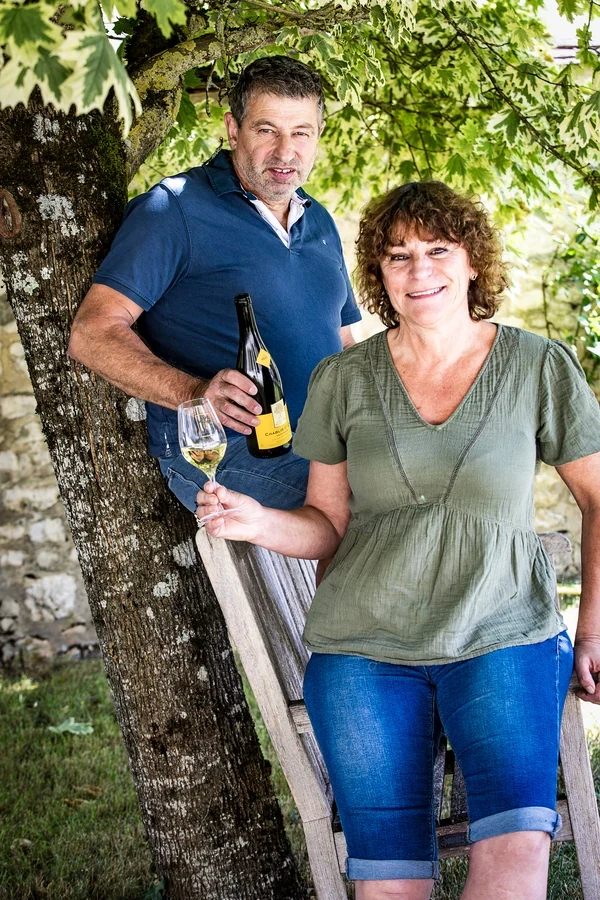
Made By profiles Denis Pommier (Winemaker) and Isabelle Pommier (Winemaker) at Domaine Isabelle et Denis Pommier.
How expensive is Domaine Isabelle et Denis Pommier?
Domaine Isabelle et Denis Pommier is listed at a price level of $$.
The field
How it compares
| Place | Notes |
|---|---|
| Domaine Isabelle et Denis Pommier | Poinchy, $$ |
| Domaine Billaud-Simon | Chablis |
| Domaine Dauvissat | Chablis |
| Domaine François Lamarche | Chablis |
| Domaine François Raveneau | Chablis |
| Domaine William Fèvre | Chablis |
| La Chablisienne | Chablis |