Natural yeasts in old fûts
- Falstaff Winery - Listed · 2026
Concrete, old fût, and one estate
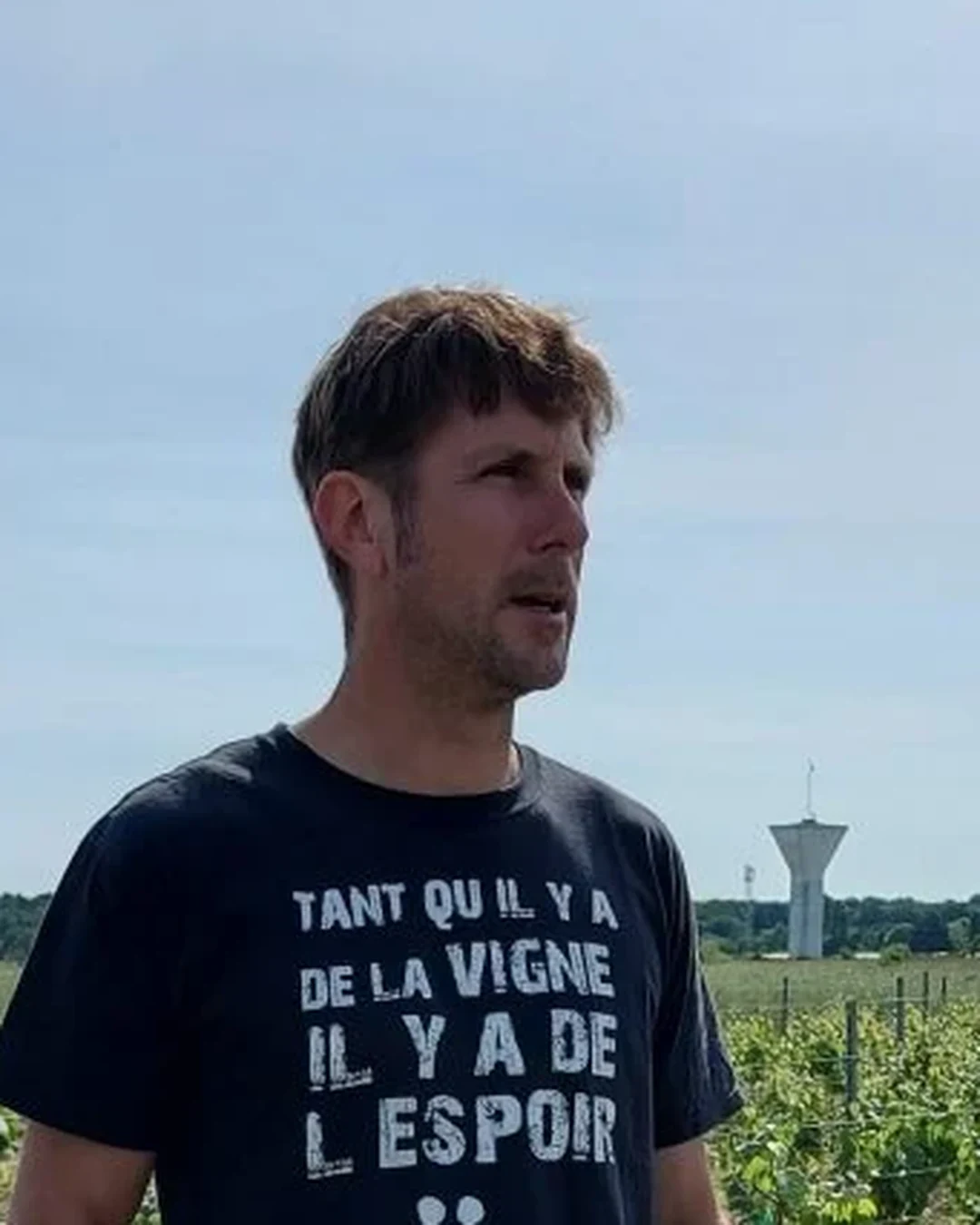
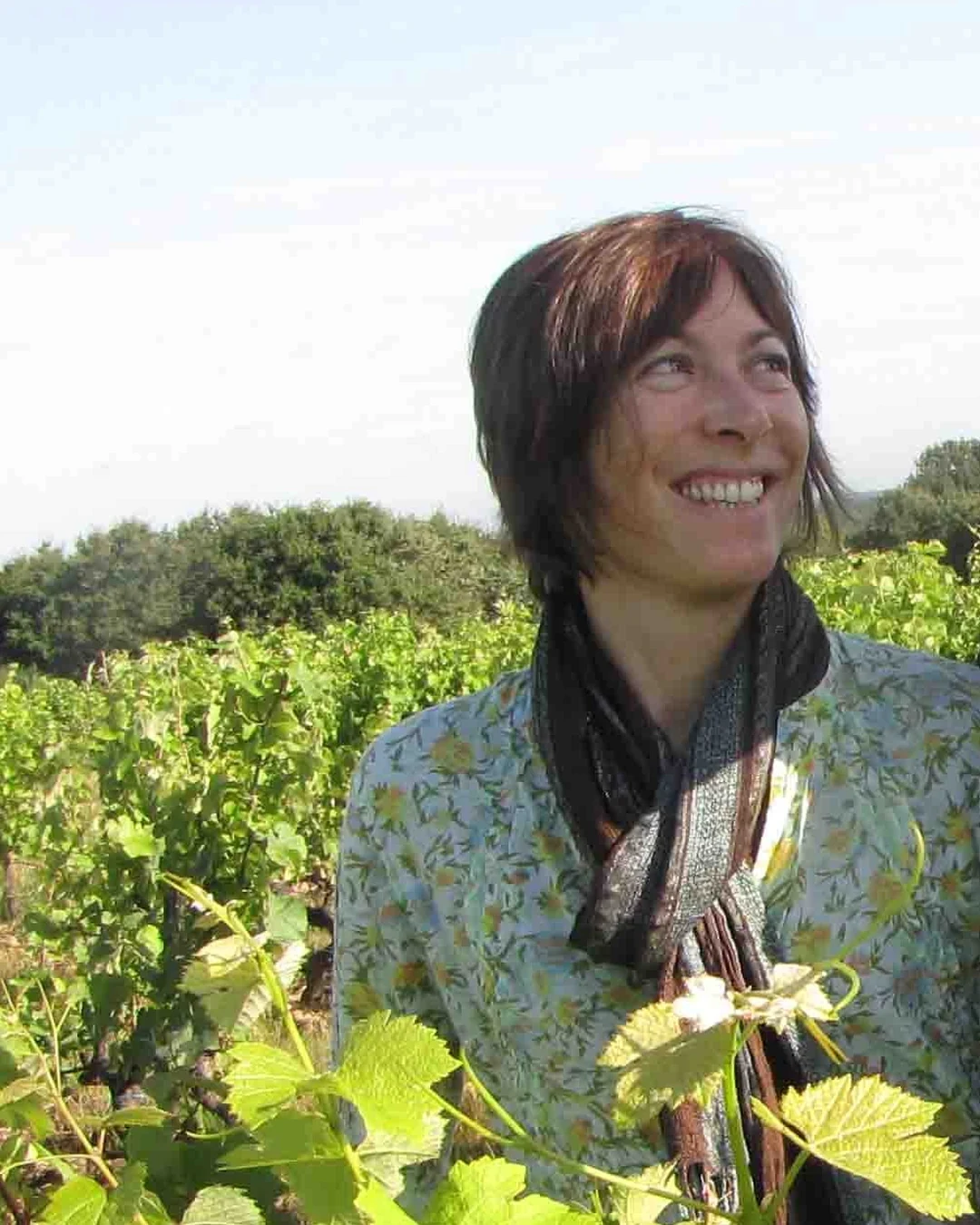
Natural yeasts start the work before Damien Delecheneau, winemaker at Domaine La Grange Tiphaine in Amboise, decides how much to touch. He remains the proprietor here as well, which makes the cellar a place of responsibility rather than signature alone. Bordeaux gave him the technical base; Montlouis-sur-Loire gave him the field in which to keep using it, harvest after harvest, without turning the domaine into a demonstration of technique.
The family line reaches back to the La Grange Tiphaine lieu-dit around 1850, when Antoine Delecheneau and his family worked in polyculture. Alphonse followed in the early 1900s, then Adrien in the 1940s, when the estate chose to bottle 100% of its 6-hectare production rather than send wine away in bulk. Damien took the helm in the early 2000s, and the modern estate dates its present chapter to 2002. Continuity matters here because it is practical: the same vineyards, the same appellations, the same need to read maturity by hand and weather by season.
Fifteen hectares, picked by hand
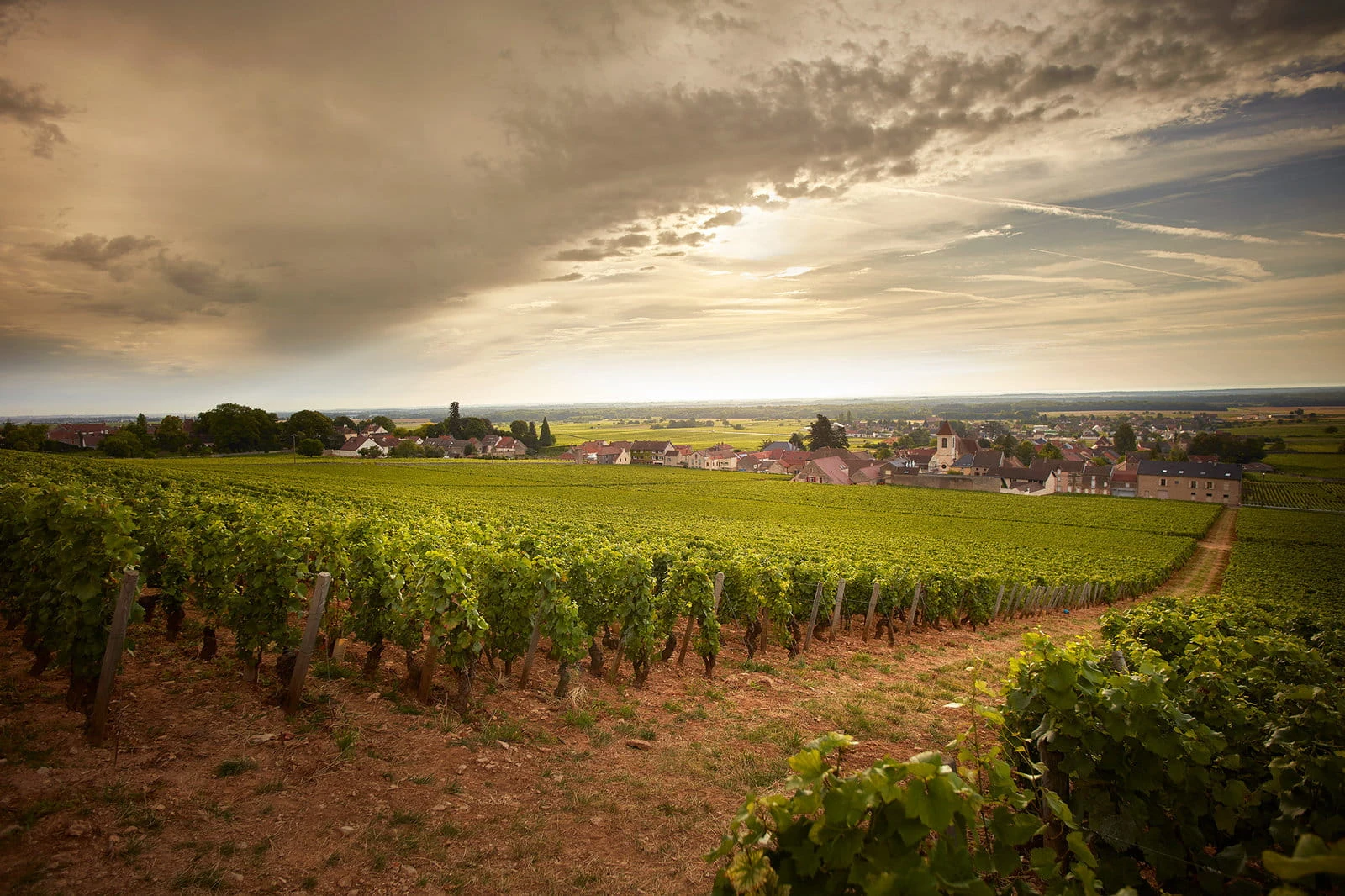
The domaine works 15 hectares across Montlouis-sur-Loire, Touraine, and Touraine-Amboise, with all fruit grown by the estate. Chenin Blanc, Sauvignon Blanc, Cabernet Franc, Gamay, and Malbec, known here as Côt, form the core of the cellar. The farming is organic and biodynamic, with Ecocert and Biodyvin certification achieved in 2014. The vines average 40 years of age, and the estate includes centenarian Cabernet Franc and Côt vines, old material that asks for selection rather than force.
Harvest happens entirely by hand. In the cellar, fermentations proceed with natural yeasts in concrete tanks and old oak barrels; the barrel program avoids new oak weight, so élevage does not cover the line of the fruit. Chenin may remain in tank or old fût, depending on the cuvée, while Cabernet Franc, Gamay, and Côt can take barrel time for structure. Annual production sits around 90,000 bottles, including still whites, reds, sparkling wine, dessert wine, and pétillant naturel. The work is broad in form, but narrow in method: estate fruit, manual picking, natural fermentation, and enough restraint to leave the appellation legible.
Clef de Sol in the tasting room
The tasting room keeps the same register as the cellar: quiet, direct, and close to the wine rather than arranged around spectacle. Bottles carry the estate’s ideas plainly. Clef de Sol, the Chenin from Montlouis-sur-Loire, sits beside Les Épinays, Les Grenouillères, Quatre Mains, Bécarre, Vieilles Vignes Côt, Violetta, and Nouveau Nez, a pétillant naturel. These are not decorative names when poured in sequence; they map soils, varieties, and decisions made at the bench-side of the cellar.
The room belongs to a working Loire estate, with vineyards spread between Montlouis-sur-Loire and Touraine-Amboise and Amboise close by. There is no sense of performance in that quiet. The concrete, the old fûts, and the manual harvest all point back to the same discipline, carried in Damien Delecheneau’s Clef de Sol.
Questions
Frequently asked
Who makes the wines at Domaine La Grange Tiphaine?
Damien Delecheneau is the winemaker and proprietor at Domaine La Grange Tiphaine in Amboise.
What kind of farming does the domaine use?
The domaine works organically and biodynamically, with Ecocert and Biodyvin certification achieved in 2014.
What grapes and wines are central here?
The cellar works mainly with Chenin Blanc, Sauvignon Blanc, Cabernet Franc, Gamay, and Malbec, known here as Côt. The range includes still whites, reds, sparkling wine, dessert wine, and pétillant naturel.
Is booking recommended for a visit?
Reservations are recommended.
The field
How it compares
| Place | Notes | Awards |
|---|---|---|
| Domaine La Grange Tiphaine | $$ | · |
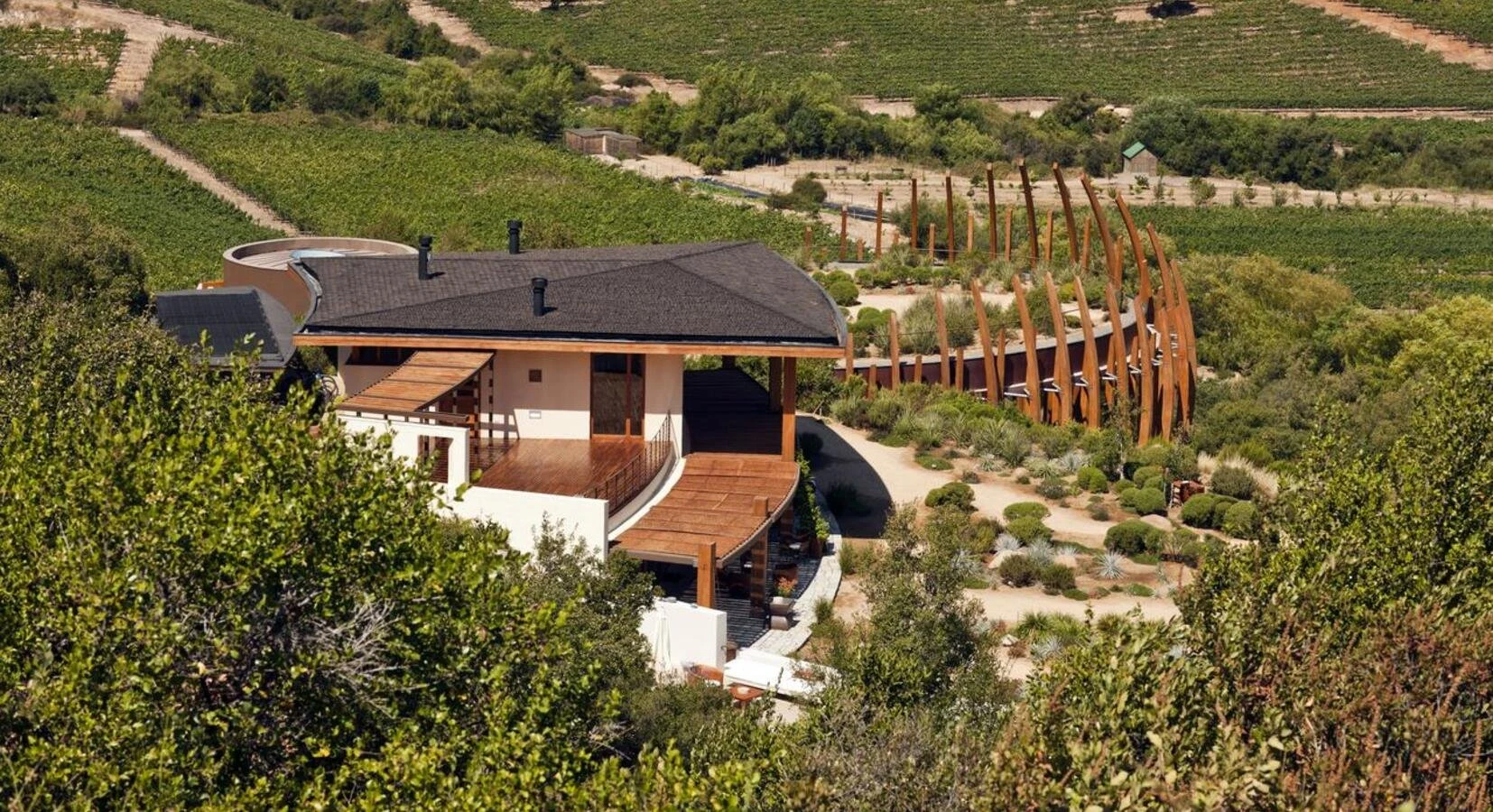
| Clos Apalta (Casa Lapostolle) | Santa Cruz | World's 50 Best |
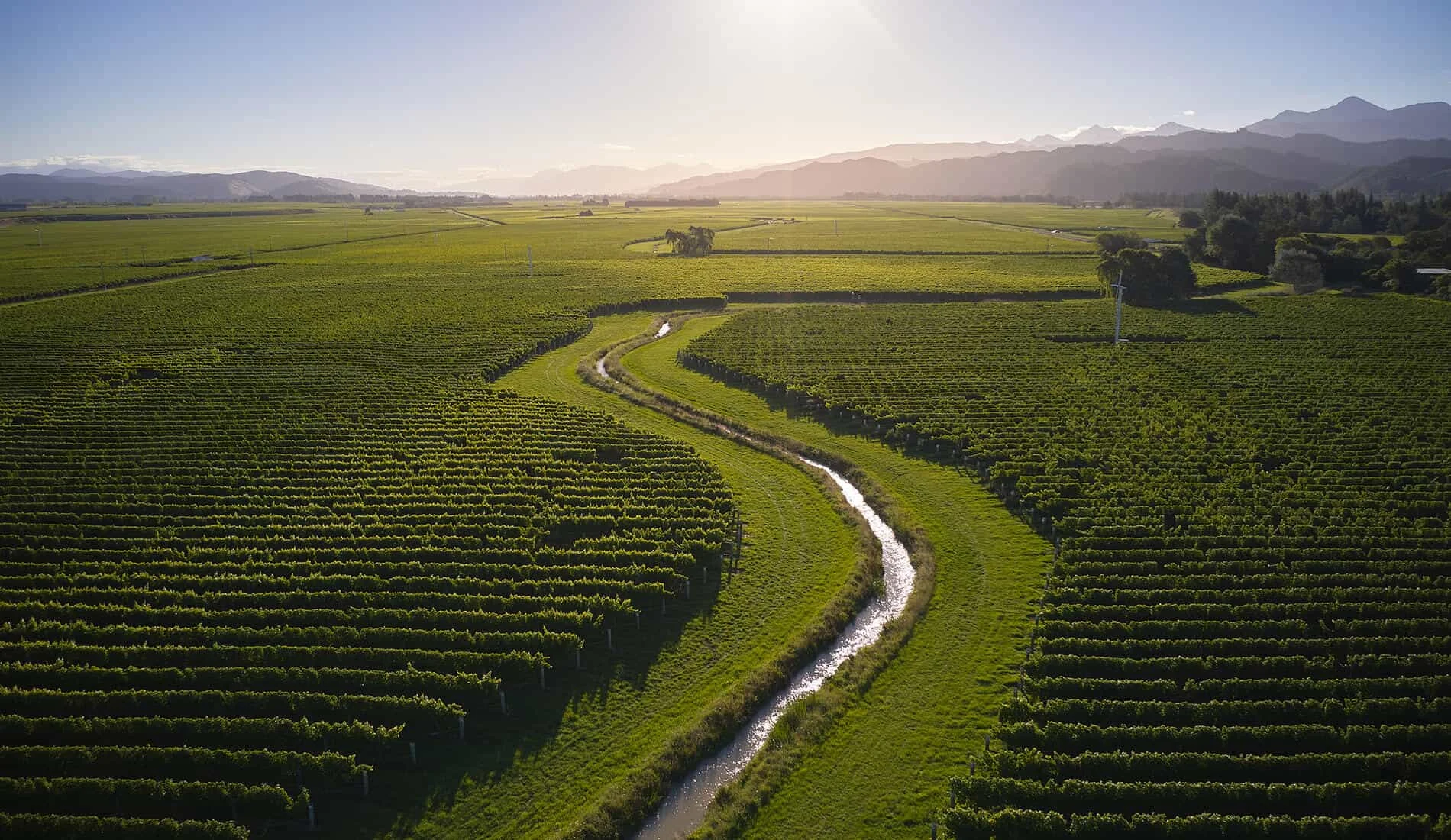
| Cloudy Bay Vineyards | Blenheim | World's 50 Best |
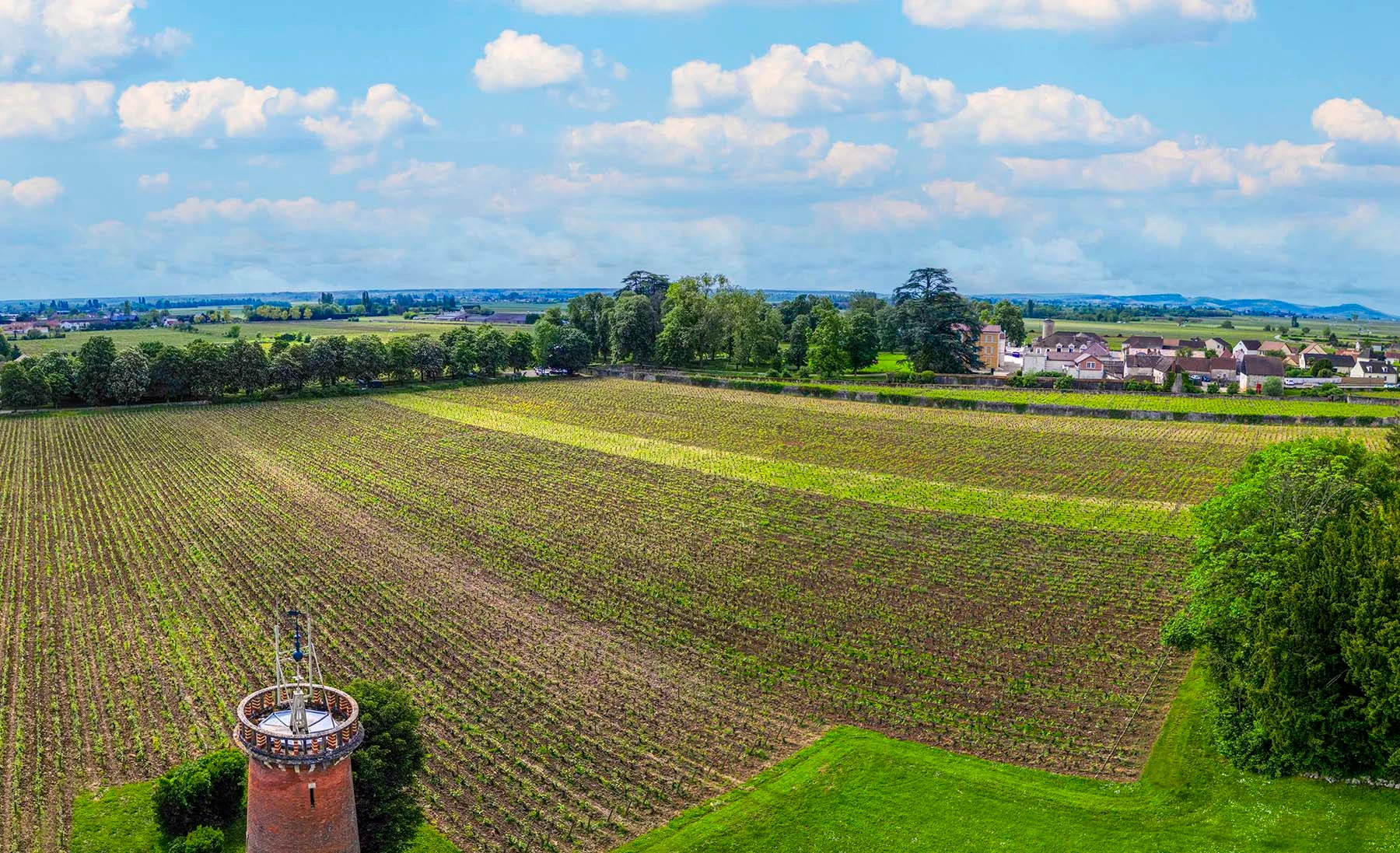
| Domaine Arnaud Ente | Meursault | · |
| Domaine Coche-Dury | Meursault | · |
| Domaine du Clos de Tart | Morey-Saint-Denis | · |
| Pierre Chainier | Amboise | · |