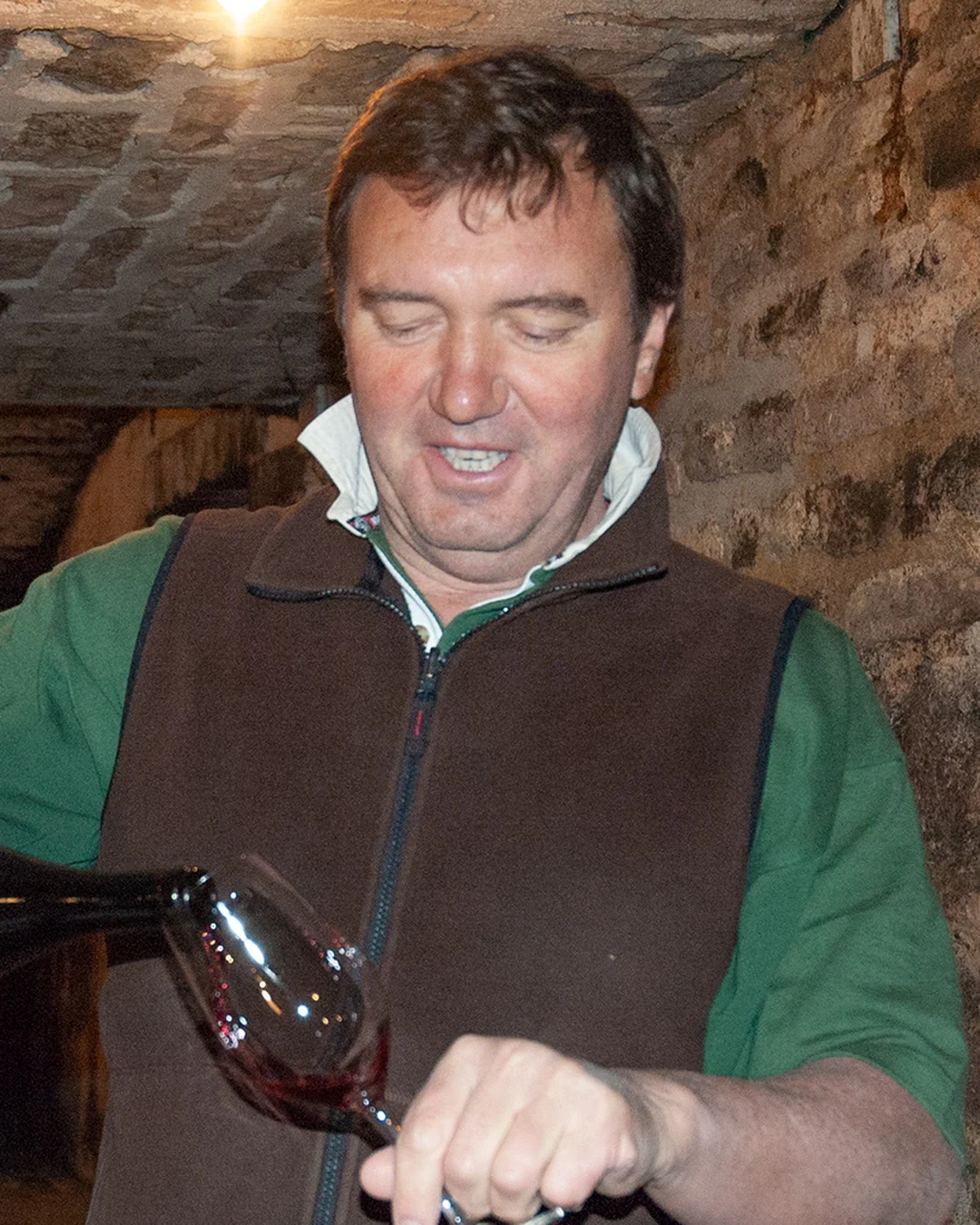
Louis Boillot, winemaker at Domaine Louis Boillot & Fils in Chambolle-Musigny, crafts old-vine Burgundy through organic practice and care.
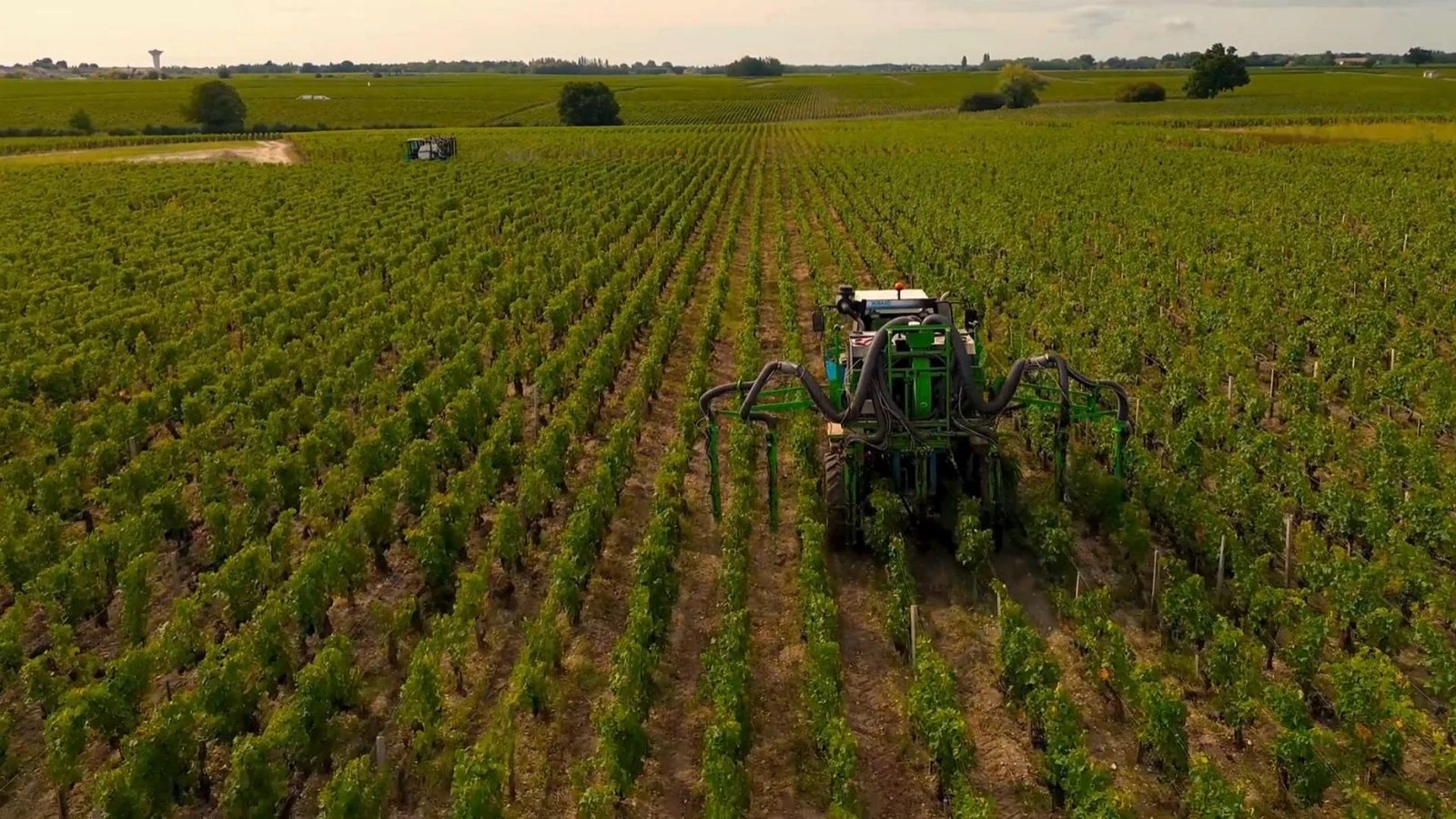
Hand-harvested fruit comes to the cellar before the cellar decides very much at all. Louis Boillot, winemaker at Domaine Louis Boillot & Fils in Chambolle-Musigny, works from that first restraint: organic farming, indigenous yeast, destemmed Pinot Noir, and extraction kept extended but gentle. The domaine took his name in 2003, after family estate work at Domaine Lucien Boillot with his brother and father until 2002. That earlier house gave him the cadence of a Burgundy domaine, repetition before authorship, inheritance before signature. Setting up in Chambolle-Musigny did not sever the line. It gave the Boillot work a separate cellar, a separate door, and a different accountability.
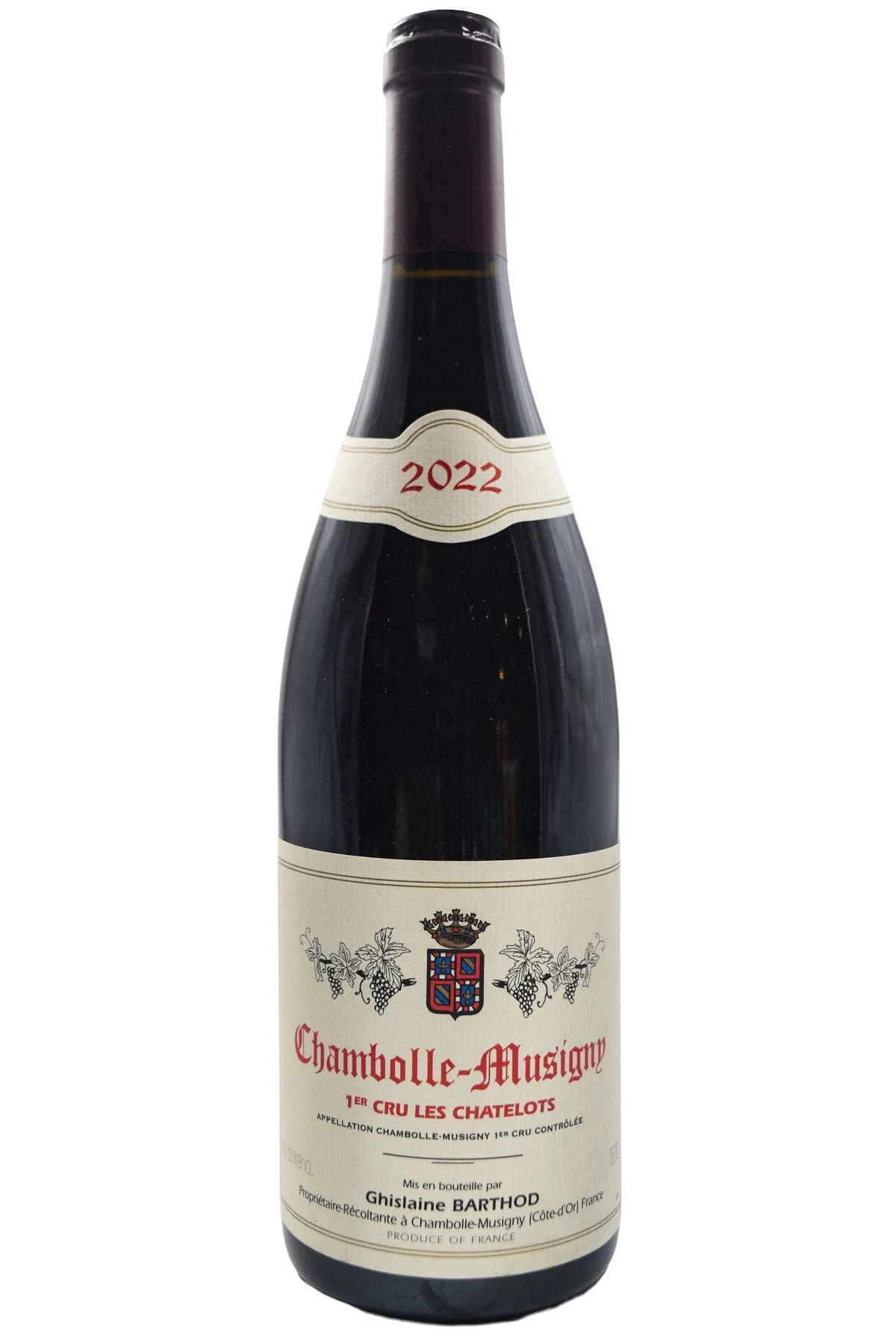
The estate belongs to a four-generation Burgundy family story, but the practice here is not carried by nostalgia. Louis Boillot works the continuity vintage by vintage, across parcels in the Côte de Nuits, the Côte de Beaune, and Beaujolais. Ghislaine Barthod, his partner and a winemaker in her own right, shares the Chambolle cave built in the mid-2000s. Their son Clément has begun his own wine business, and the family has added cellar space close to the original site. The lineage is visible because the work keeps needing room.
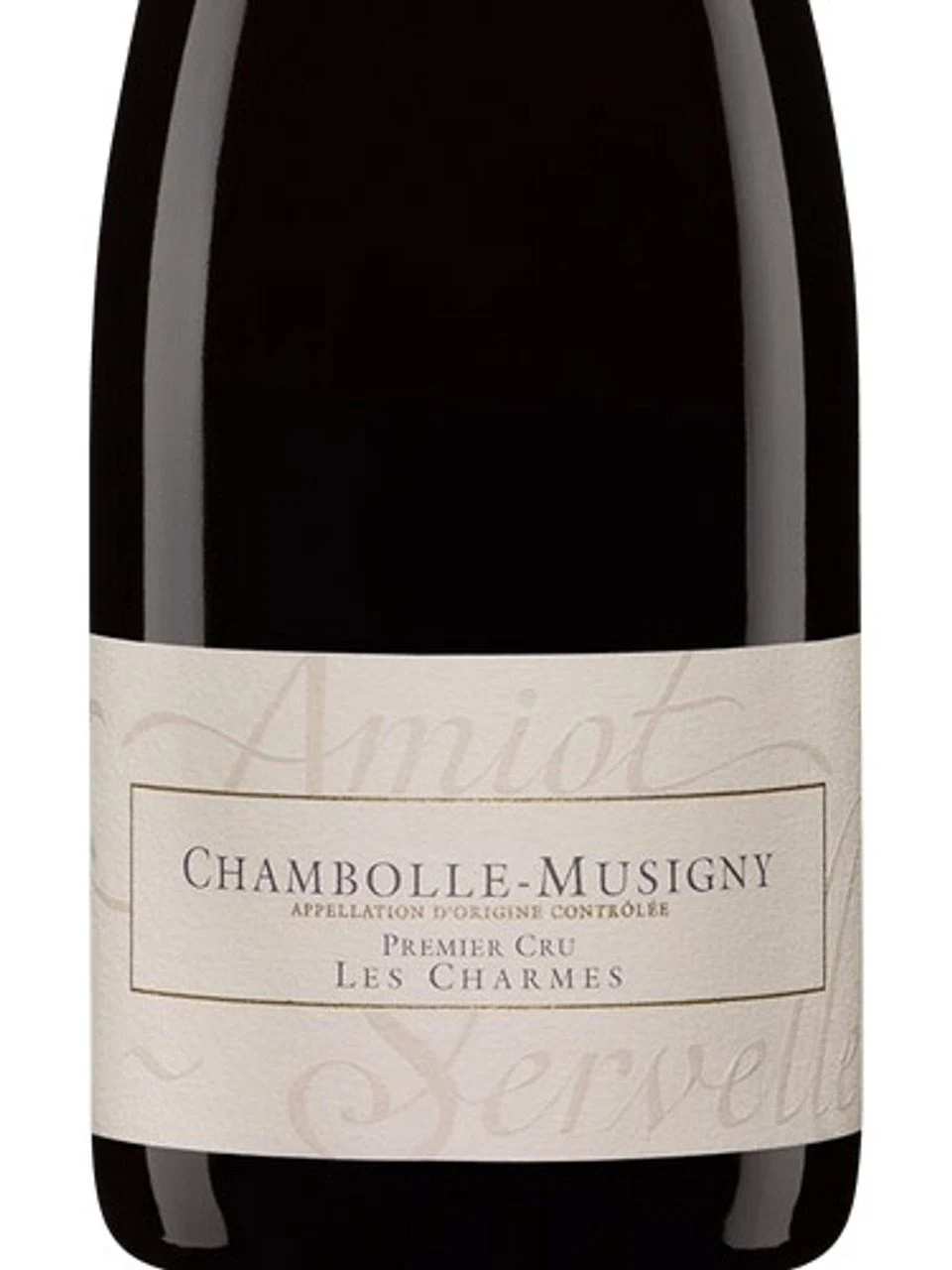
The domaine farms approximately 7 hectares, with holdings that include Gevrey-Chambertin, Chambolle-Musigny, Volnay, and Pommard. Pinot Noir carries the center of the work, with Gamay entering through the Beaujolais side of the family’s expanding portfolio. The village-level vines average 50 years of age; premier cru parcels such as Pruliers and Cherbaudes approach 100 years. Those figures matter because the wines are built less by cellar insistence than by the age and situation of the material Louis Boillot brings in.
In the cellar, commercial yeast does not set the rhythm. Fermentations begin with indigenous yeast, and the oak program stays limited, with restrained use of new barrels and older wood doing much of the holding. The domaine produces approximately 17,000 bottles annually, a scale small enough that the separation between parcel, cuvée, and vintage remains legible. The method is traditional without becoming decorative: hand-harvesting, destemming, patient extraction, and enough restraint for Chambolle-Musigny, Volnay, Pommard, and Gevrey-Chambertin to keep their own grammar.
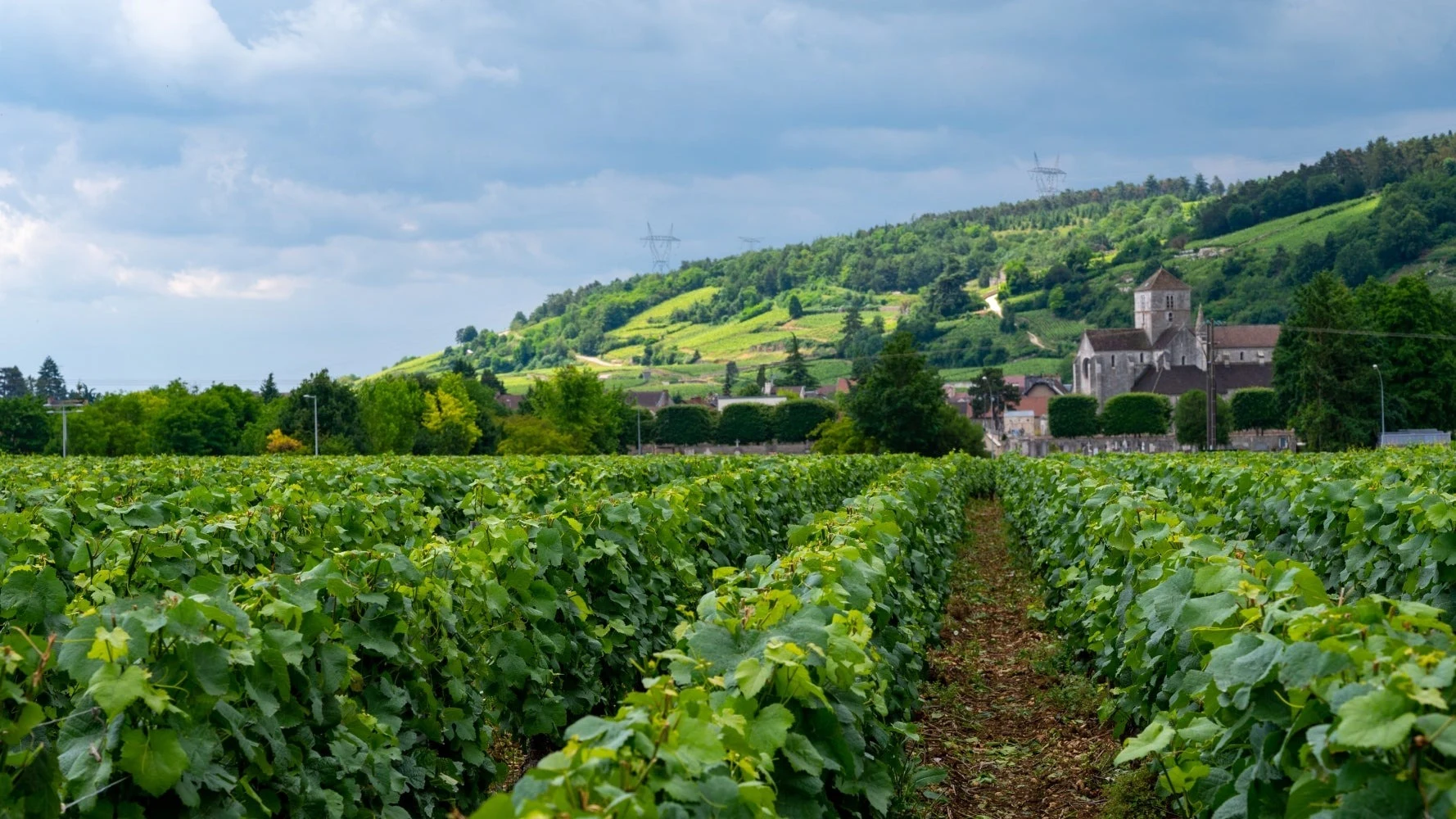
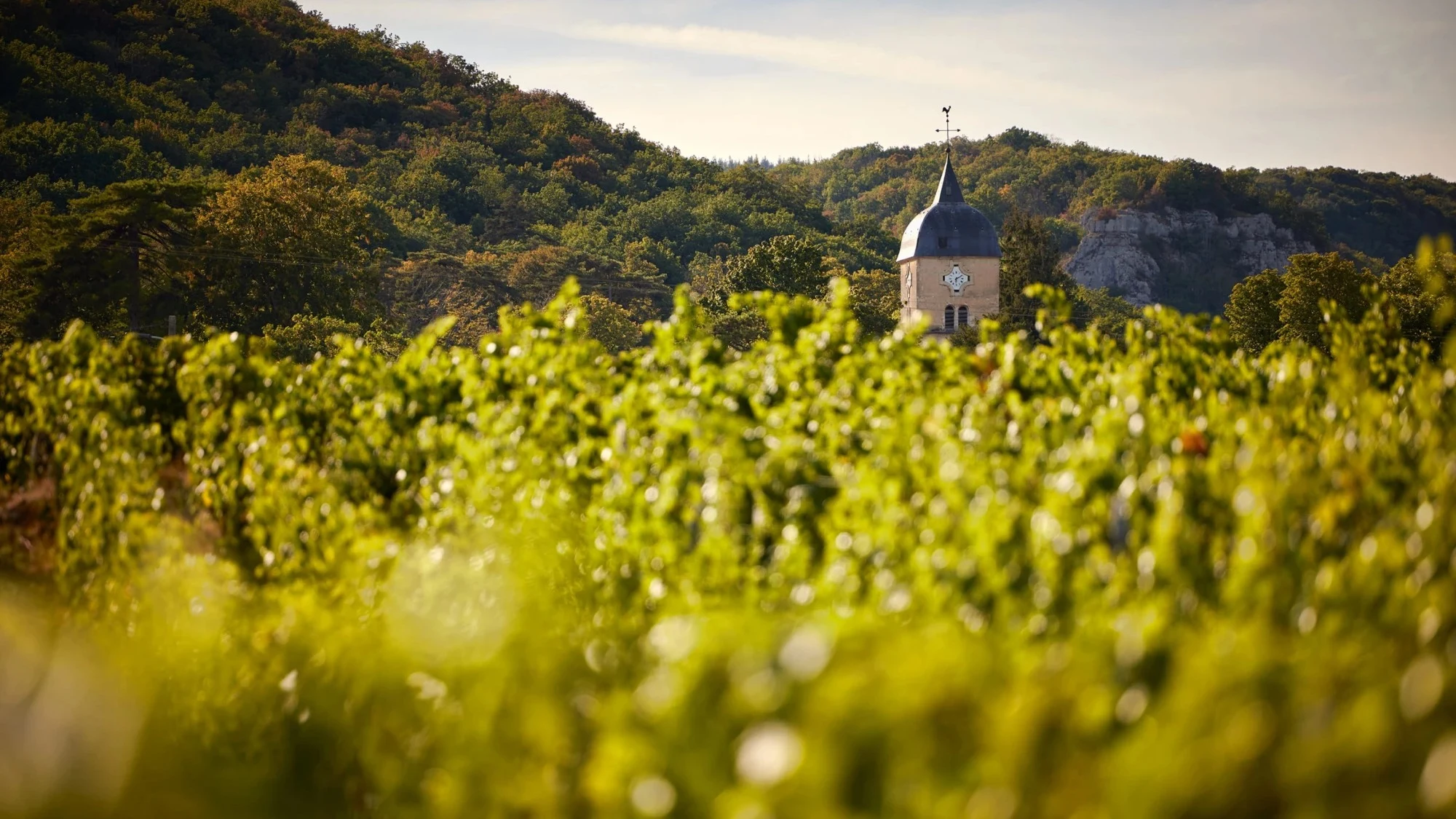
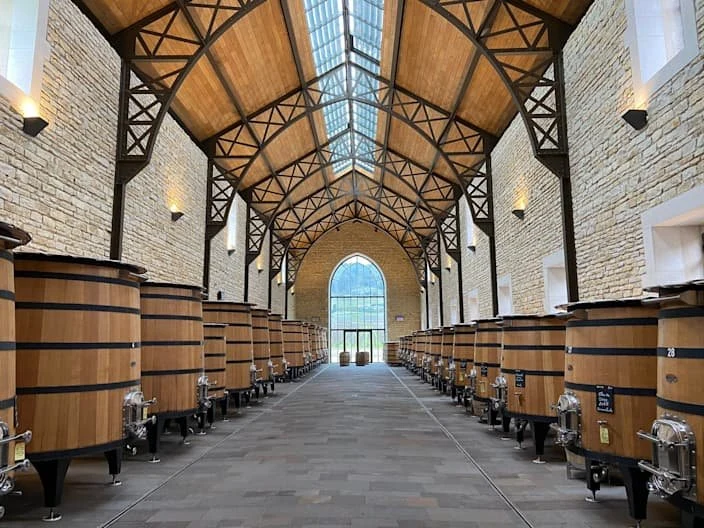
The place reads as a Burgundy working cellar rather than a visitor stage. Chambolle-Musigny sits at the Côte de Nuits edge of the domaine’s identity, but the wines also speak from the Côte de Beaune and from Beaujolais, where Moulin à Vent and Fleurie have entered the family’s work. The room is quiet by necessity. Barrels, fruit, and allocation take precedence over design.
That restraint gives the cellar its atmosphere. It is rustic in the old Burgundian sense, close to the vineyard and close to the hand, with little interest in performance. The additional cellar near the original domaine matters for the same reason: not as expansion for its own sake, but as space for the portfolio to move without forcing the wines into a larger voice. The concrete next step is already in the family’s hands, with Louis and Clément Boillot developing the Beaujolais project through Moulin à Vent and Fleurie.
Chambolle-Musigny, Cote de Nuits, Bourgogne-Franche-Comté, Frankreich