Fortified Grenache aged in bonbonnes
- Falstaff Winery - 3 Stars · 2026
Glass bonbonnes under the Maury sky
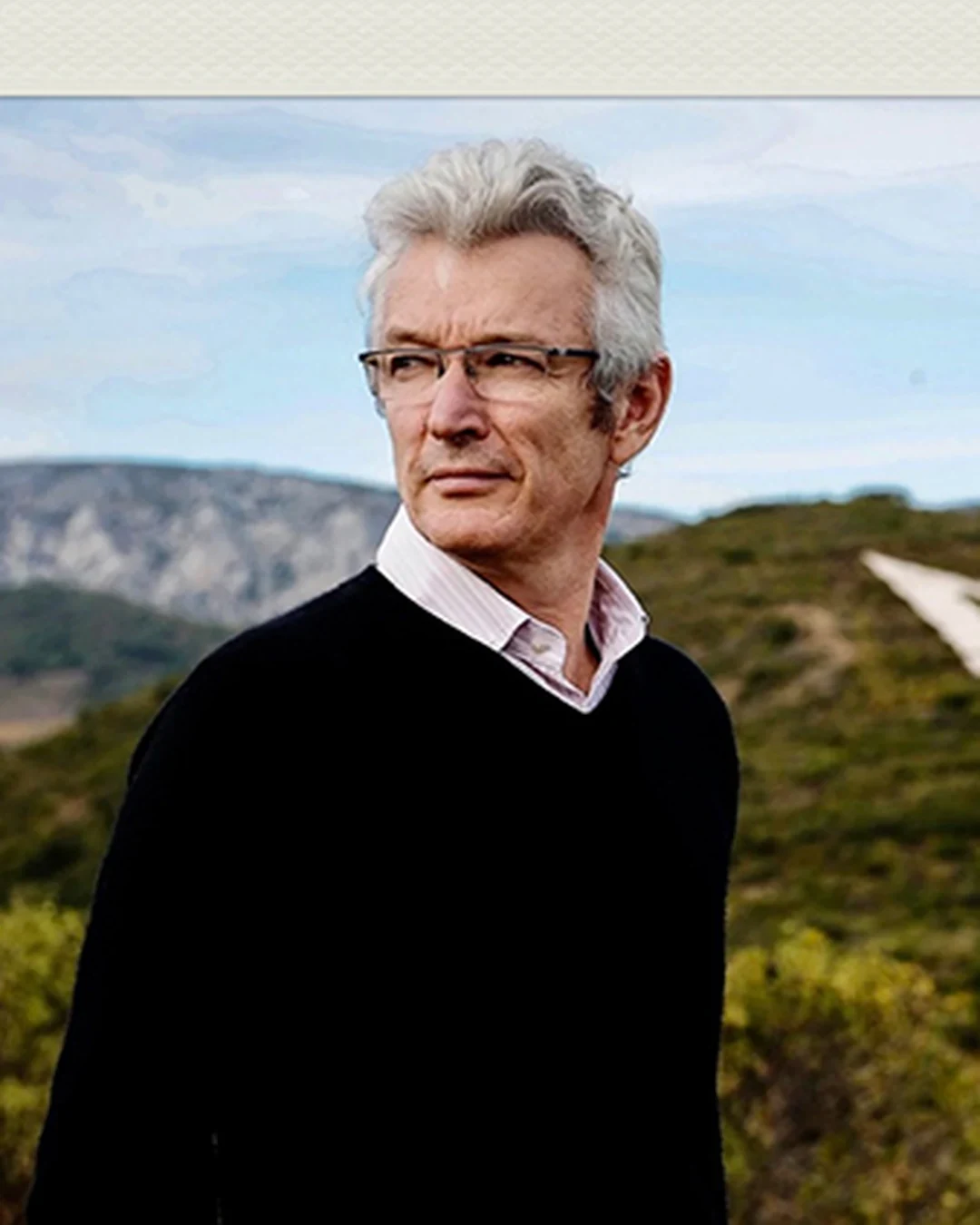
Outdoor glass bonbonnes take the weather first; Olivier Decelle, owner of Domaine Mas Amiel in Maury, keeps that old oxidative gesture in place. Decelle has held the estate since 1999, a long stewardship at a property whose date, 1816, still matters in the cellar. The work is not framed here as a change of costume. It is continuity under pressure: fortified Vins Doux Naturels on one side, dry Maury Sec on the other, and a vineyard farmed to organic and biodynamic certification across a large historic Roussillon holding.
His role is ownership rather than a narrow cellar post, but the estate’s identity sits close to the hand. Mas Amiel works in the Agly Valley, near Perpignan, where mountains, summer temperature shifts and calcoschist schist soils shape Grenache Noir, Carignan and Macabeu. Decelle’s tenure has kept the domaine tied to Maury AOC while allowing the dry wines to stand beside the fortified program. The house names Origine, Altaïr, Oiseau Rare and Maury Vintage Rouge 2023 among its own vocabulary; those labels read less like range architecture than like markers placed along the same property line.
Mutage, schist and a long foudre passage
The Vins Doux Naturels begin with manual harvest and destalked fruit, then mutage sur grains, the classical fortification on the berries. For the fortified wines, Mas Amiel gives the maceration 30 days, drawing aroma, polyphenols and structure from the skins before the wine moves toward its long oxidative life. The best-known reserve method is physical and visible: wine spends one year in outdoor bonbonnes, exposed to sun, cold and mountain weather, before passing into large oak foudres.
The scale is part of the craft grammar. The estate covers around 150 to 170 hectares across over 100 plots, with another published account giving 210 hectares in all and 170 hectares cultivated. Its biodynamic practice is similarly measured: Preparation 500 uses 100g/ha of cow manure, mixed with 40L of warm water and stirred for 60 minutes; Preparation 501 uses 4g/ha of silica powder, mixed with 40L of water and stirred for 60 minutes. These figures do not romanticize the vineyard. They make the discipline legible.
The cellar, the vineyard, the tasting room
The place carries its production plainly. In the 19th-century chai, the eye goes to the oak foudres, including vessels described at 350HL, while outside the bonbonnes sit in the open air rather than hidden from the season. The cellar is quiet, not staged into theatre. Glass, oak, schist and heat do much of the speaking.
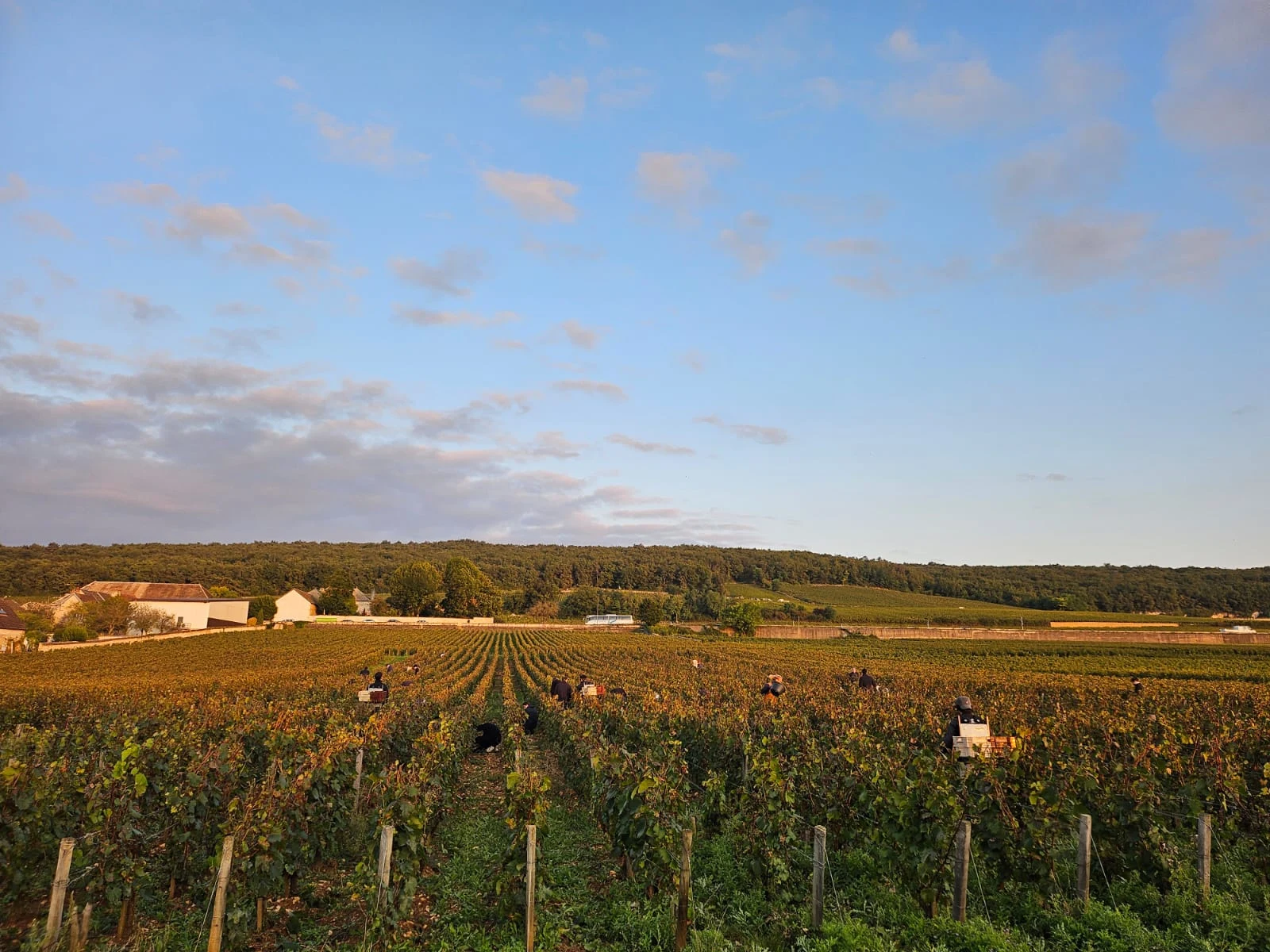
Beyond the cellar door, the vineyard rises into the Maury landscape, with the Corbières and Pyrenees giving the valley its frame. The tasting room belongs to that same educational instinct: visitors meet dry Maury Sec beside the older fortified language, and the comparison is useful without being forced. Mas Amiel’s next meaning is not a new claim, but the continued tension between Maury Vintage Rouge 2023 and the old bonbonnes in the yard.
Questions
Frequently asked
Who owns Domaine Mas Amiel?
Olivier Decelle has held Domaine Mas Amiel since 1999.
What is Domaine Mas Amiel known for?
The estate is known for fortified Vins Doux Naturels, dry Maury Sec and the use of outdoor glass bonbonnes before the wines move into large oak foudres.
What kind of farming does the estate use?
The vineyard is farmed to organic and biodynamic certification across a large historic Roussillon holding.
Is Domaine Mas Amiel open to walk-ins?
The venue is walk-in friendly.
Is there parking on site?
There is an on-site parking lot.
The field
How it compares
| Place | Notes | Awards |
|---|---|---|
| Domaine Mas Amiel | Maury, $$$ | · |
| Chateau Haut-Brion | Pessac | World's 50 Best |
| Domaine Calvet-Thunevin | Maury | · |
| Domaine Clarence Dillon | Pessac | · |
| Domaine Clot de Origine | Maury | · |
| Domaine du Comte Liger-Belair | Vosne-Romanée | · |
| Domaine Pouderoux | Maury | · |