Domaine Michel Colin
- 01CityChassagne-Montrachet, France
Estate fruit, measured Burgundy oak
- Falstaff Winery - Listed · 2026
A founding kept close to the village
The cellar work begins with estate fruit and a narrow brief: Michel Colin-Deléger, winemaker at Domaine Michel Colin in Chassagne-Montrachet, keeps the domaine tied to the village where he founded it in 1987. That date matters here because the house is not built around a wide biography. It is built around a founding act, a family name, and parcels in the Côte de Beaune whose own names carry much of the explanation. Colin-Deléger shaped inherited vineyards from the Colin and Deléger lines into a grower domaine with its attention fixed on Chassagne-Montrachet, Puligny-Montrachet, and Chevalier-Montrachet Grand Cru. The family presence in the region reaches back to the 1850s, when ancestors from both sides settled in this part of Burgundy. At the bench, that lineage reads less like ornament than assignment. Chardonnay leads the work, with Pinot Noir also present, and the wines are asked to stay close to limestone-clay soils, slope, and season rather than to cellar signature. The domaine farms with a sustainable, lutte raisonné approach adopted in 2000, a discipline that allows intervention when the vineyard requires it and restraint when it does not.
Premier cru names, measured oak
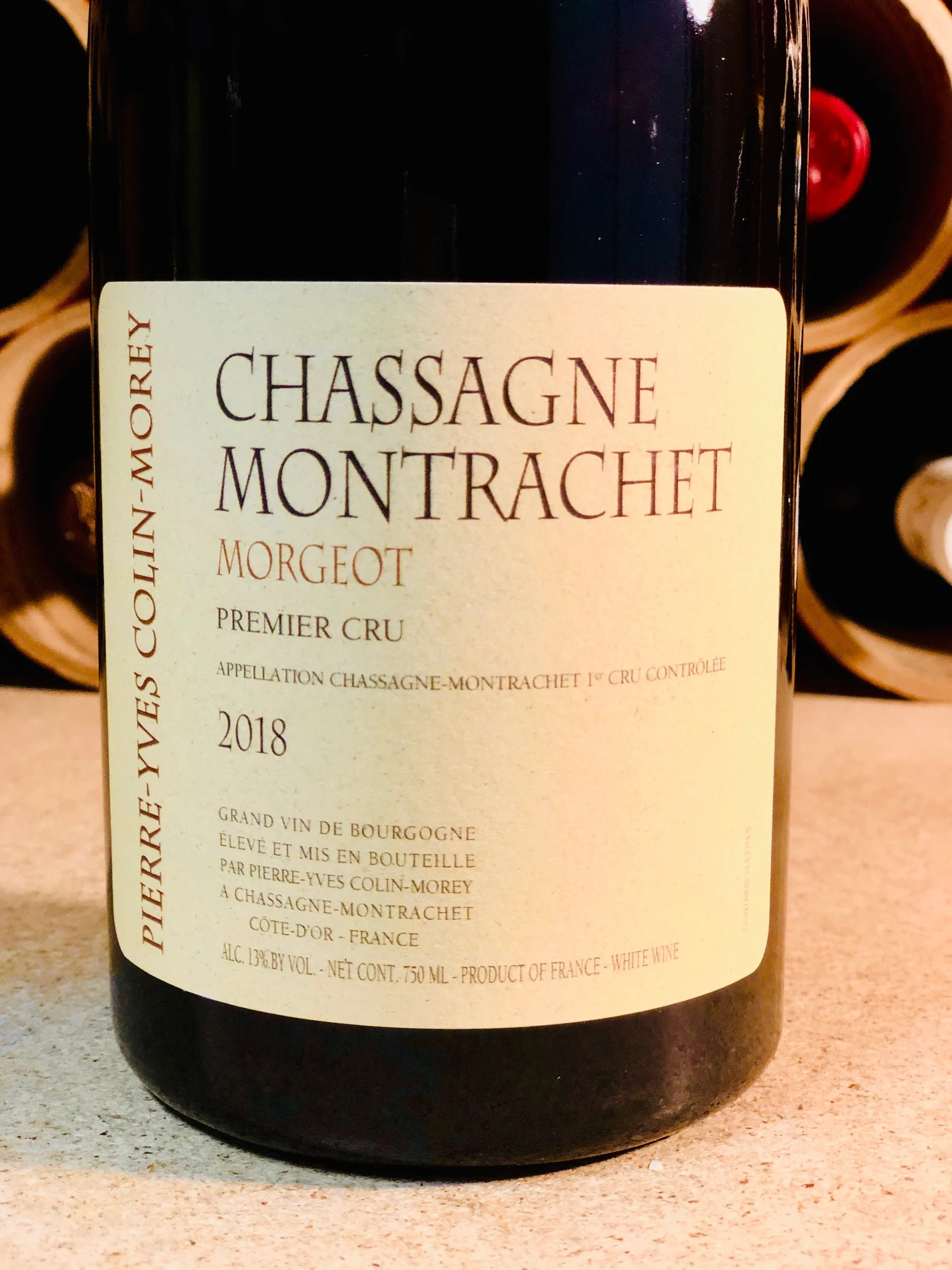
The program is Burgundian in its grammar: estate-owned fruit, indigenous yeast, restrained lees work, and oak chosen by cuvée rather than habit. The holdings run to approximately 15 hectares, with no purchased fruit brought in to soften the edges of the vintage. Red wines represent approximately 30% of output, but the domaine’s center of gravity remains Chardonnay, especially from premier and grand cru ground. Chassagne-Montrachet 1er Cru “Les Chaumées,” Chevalier-Montrachet, Chassagne-Montrachet Morgeot, and Puligny-Montrachet 1er Cru Les Demoiselles each ask for a different pressure in the cellar. New oak sits in a measured band, commonly 25–30% depending on the cuvée, with some references placing the range at 10–30%. Bâtonnage appears as texture, not disguise. The point is not to polish away the vineyard, but to keep freshness, mineral line, and site distinction intact.
The quiet scale of the domaine
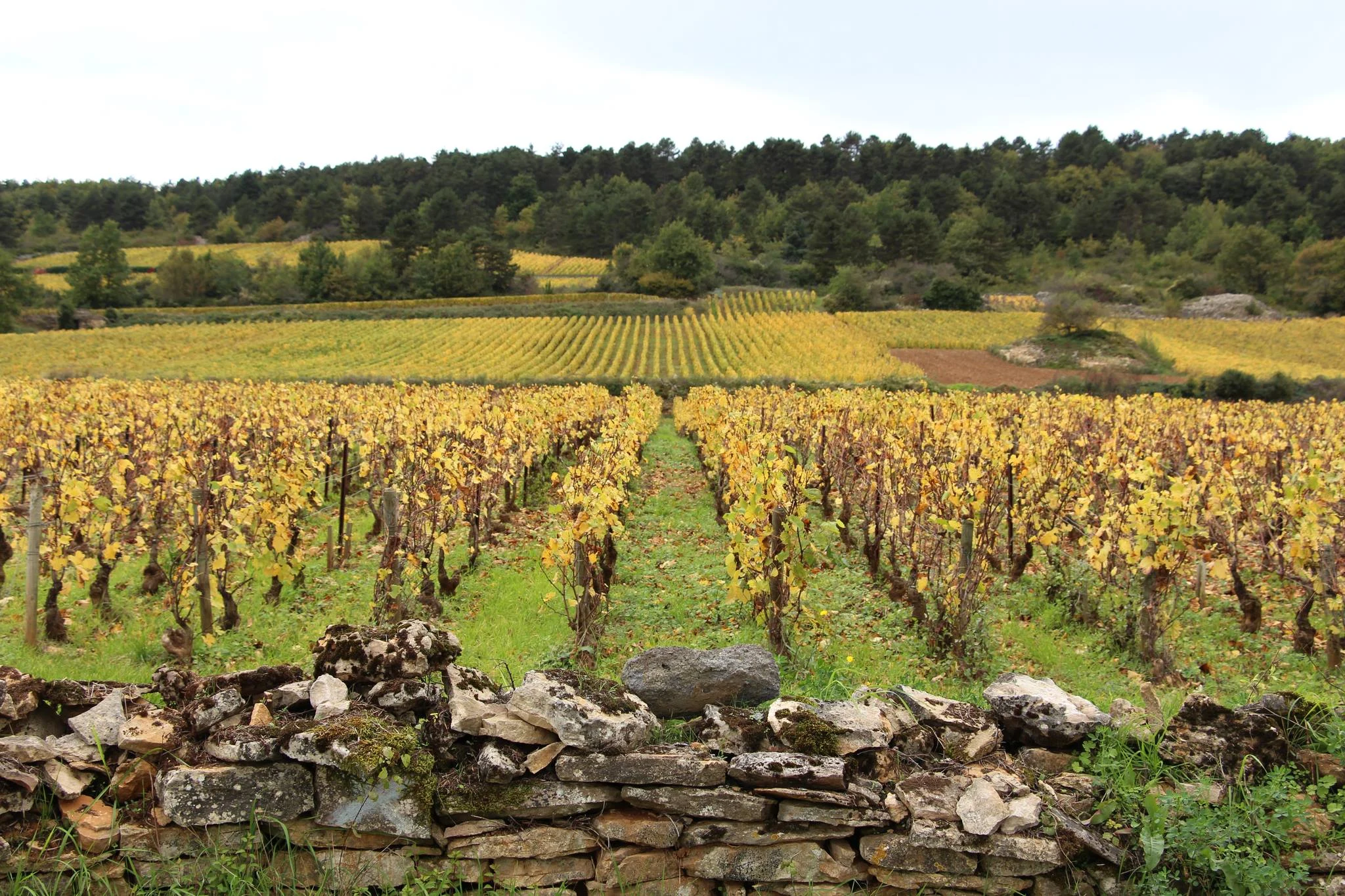
The room here belongs to a traditional grower winery embedded in Chassagne-Montrachet, not a hospitality stage set apart from the work. The village fabric presses close, and beyond it the Côte de Beaune parcels carry the old Burgundian argument between exposure, limestone, clay, and weather. Production is cited at approximately 420 cases, a scale that keeps the cellar close to its own decisions. There is little need for spectacle when the place names do so much of the speaking. In the tasting room, the useful contrast is between neighboring ground: Morgeot returning to Chassagne-Montrachet’s deeper register, Les Demoiselles pointing toward Puligny-Montrachet, Chevalier-Montrachet carrying the grand cru weight. Here, the line runs through “Les Chaumées.”
Questions
Frequently asked
Who is behind Domaine Michel Colin?
Michel Colin-Deléger is the winemaker behind Domaine Michel Colin in Chassagne-Montrachet, and he founded the domaine there in 1987.
What does the domaine work with?
The cellar work begins with estate fruit, and the holdings are centered on Chassagne-Montrachet, Puligny-Montrachet, and Chevalier-Montrachet Grand Cru.
What style of farming does the domaine use?
The domaine farms with a sustainable, lutte raisonné approach that it adopted in 2000.
Is Domaine Michel Colin a large operation?
It is a quiet, traditional grower domaine of approximately 15 hectares, with production cited at around 420 cases.
Do visits need to be booked in advance?
Yes. The reservation policy is appointment only.
The field
How it compares
| Place | Notes |
|---|---|
| Domaine Michel Colin | Chassagne-Montrachet, $$$ |
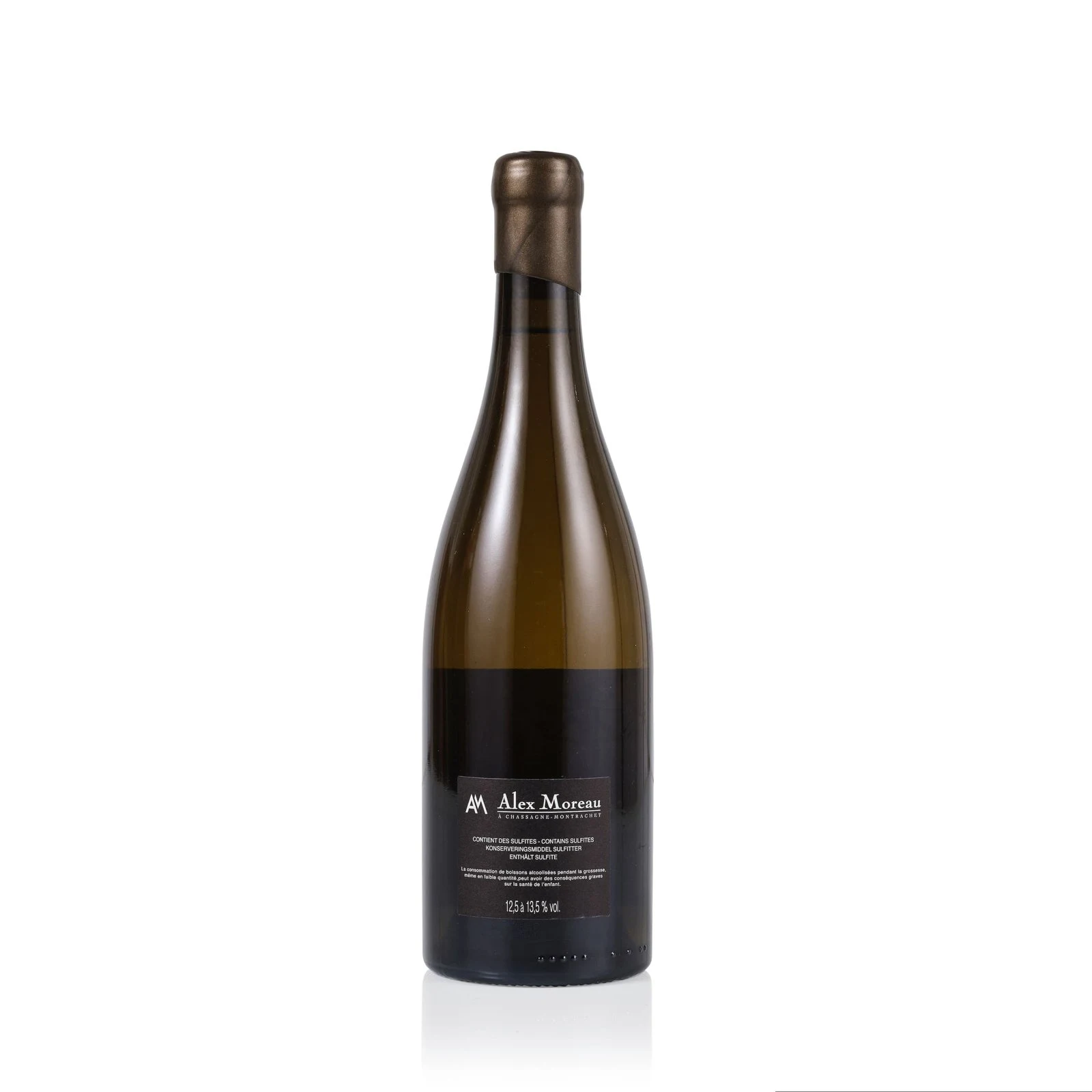
| Domaine Alex Moreau | Chassagne-Montrachet |
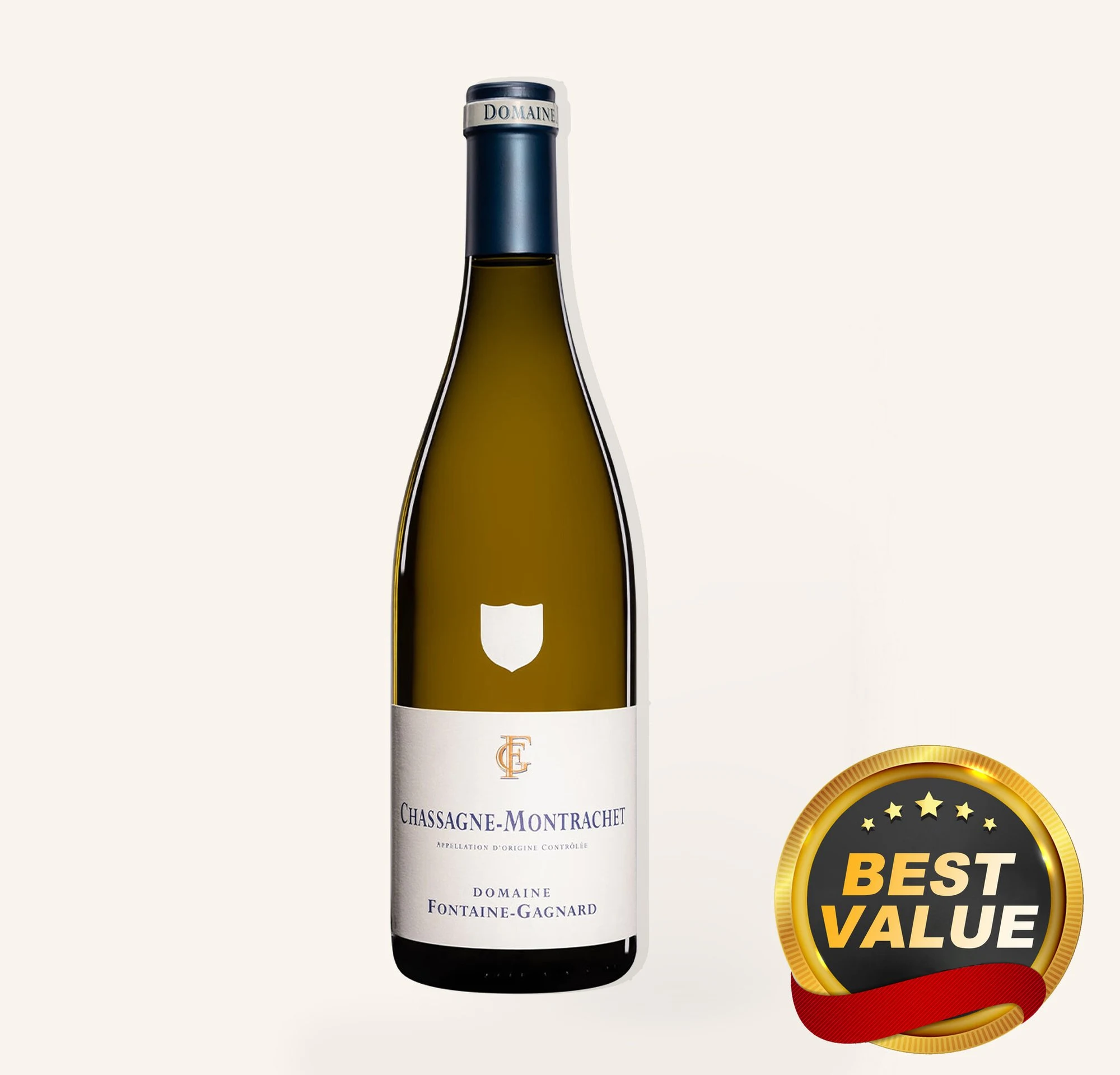
| Domaine Fontaine-Gagnard | Chassagne-Montrachet |
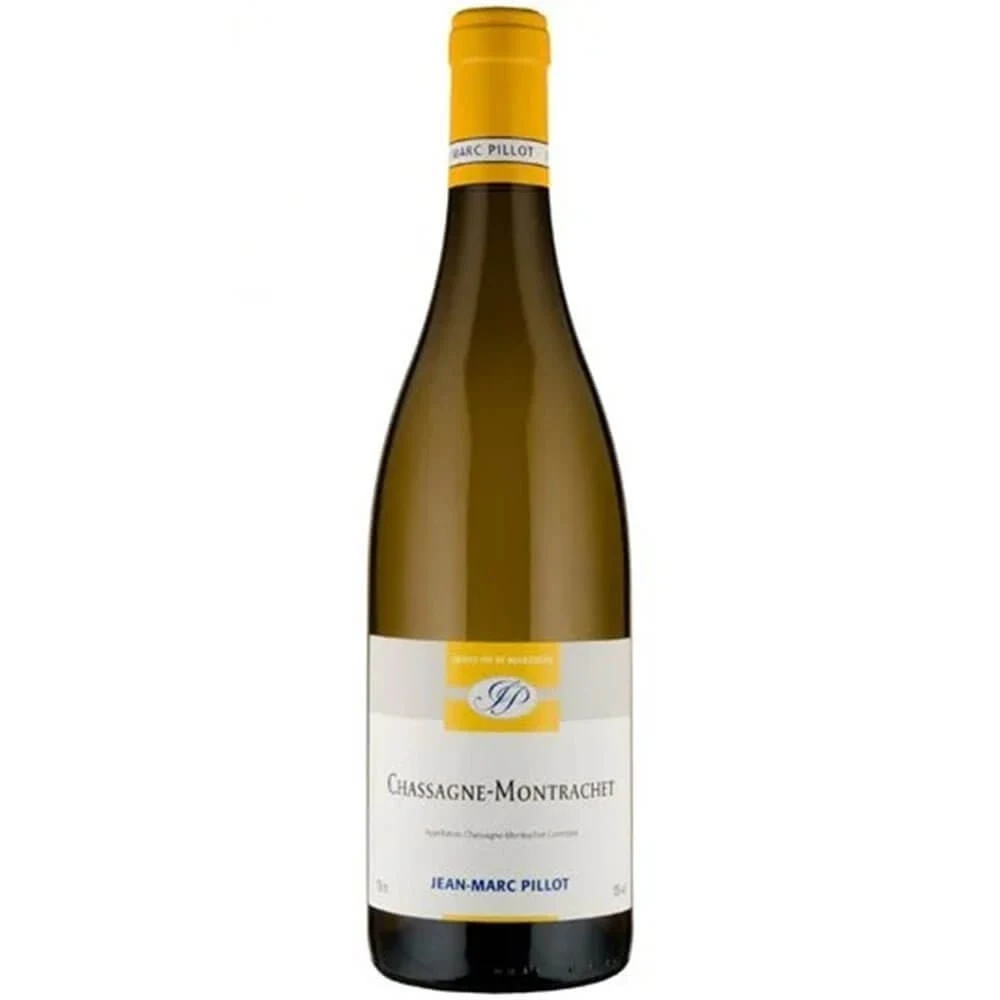
| Domaine Jean-Marc Pillot | Chassagne-Montrachet |
| Domaine Jean-Noël Gagnard | Chassagne-Montrachet |
| Domaine Pierre-Yves Colin-Morey | Chassagne-Montrachet |
| Domaine Ramonet | Chassagne-Montrachet |
Similar places
Domaine Alex Moreau
Chassagne-Montrachet, France
Domaine Fontaine-Gagnard
Chassagne-Montrachet, France
Domaine Jean-Marc Pillot
Chassagne-Montrachet, France
Domaine Jean-Noël Gagnard
Chassagne-Montrachet, France
Domaine Pierre-Yves Colin-Morey
Chassagne-Montrachet, France
Domaine Ramonet
Chassagne-Montrachet, France