- Falstaff Winery - Listed · 2026
In Courgis, Domaine Pattes Loup is best understood as a small, family-run organic Chablis estate with a quiet Burgundy grower feel. The emphasis is on vineyard work and patient time in the cellar rather than a flashy visitor-center experience. For visitors planning around the domaine, the most reliable framing is simple: this is a focused, artisanal estate where the appeal comes from the farming and the long élevage. It is the kind of address that should be approached through the lens of place, craft, and restraint, not through expectations of a broad hospitality setup or a highly packaged wine-tour stop. The value of the domaine, as presented here, lies in the way those core elements reinforce one another: organic farming gives the wines their foundation, careful vineyard work shapes the raw material, and time in the cellar allows the Chablis character to develop with patience.
Organic Chablis with farming at the center
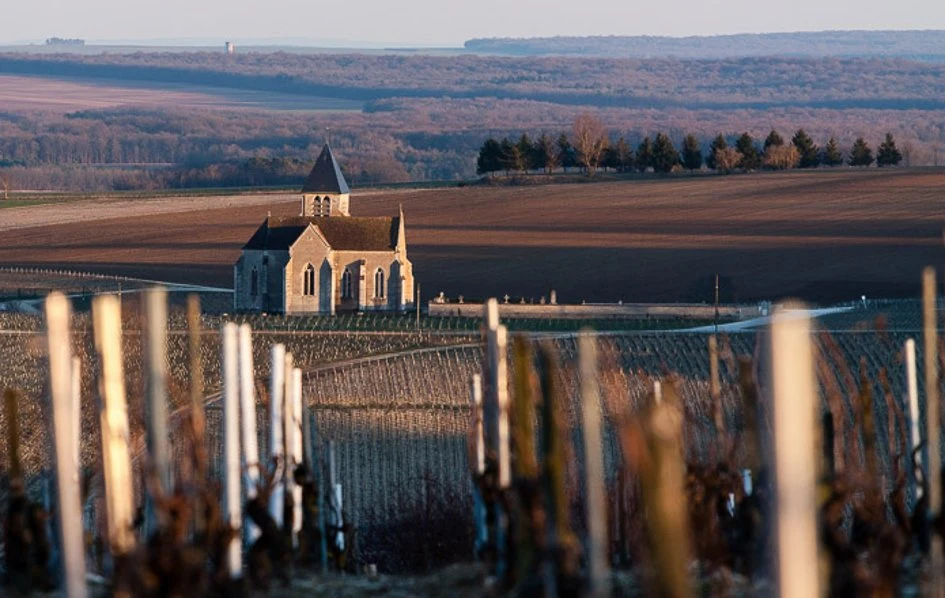
The picture of Domaine Pattes Loup centers on organic Chablis, careful vineyard work, and a small-estate atmosphere in Courgis. Rather than presenting it as a broad hospitality destination, it is more accurate to describe the domaine as a traditional Burgundy grower address with a focused, hands-on feel. That distinction is useful because it keeps attention on what defines the estate most clearly: the work behind the wine. In this context, “organic Chablis” is not just a label for a category, but part of the domaine’s overall identity as a place where farming sits at the center of the story.
What can be stated with confidence is that the estate’s identity is tied to organic farming, meticulous vineyard attention, and a cellar approach shaped by long élevage. Those points are enough to give the domaine a coherent profile without stretching into claims that belong to a different kind of venue page. The emphasis is not on breadth, volume, or spectacle, but on a disciplined grower model in which vineyard choices and cellar patience carry the weight. For anyone interested in Chablis beyond the most casual level, that focus is precisely what makes the address meaningful.
That makes Domaine Pattes Loup a useful stop to consider for travelers whose interest is Chablis as a grower-led wine culture rather than casual spectacle. Other dining or travel planning in Courgis should be treated separately, since the information here concerns the domaine’s character rather than a full visitor-service program. In practical terms, the page should be read less as a promise of a destination experience and more as a way to understand why the estate matters within a wine-focused itinerary. It belongs in the plan because of its farming-centered, organic, small-estate identity, not because of add-on amenities.
Long élevage separates the wines from faster-drinking Chablis
Domaine Pattes Loup is associated with a patient, cellar-led approach. The detail is not a specific vessel, duration, cuvée list, or production number, but the broader house impression: long élevage plays a central role in the estate’s identity and supports a more deliberate, artisanal expression of Chablis. That patient approach helps explain why the domaine should not be reduced to a simple regional shorthand. Chablis can be discussed broadly, but this estate is better understood through the way it pairs organic vineyard work with a slower, more considered rhythm after harvest.
That distinction matters because the domaine is not best described through generic tasting-room language. Its appeal is quieter and more traditional: a family-run estate in Courgis where vineyard work and time in cellar define the experience more than entertainment, branding, or hospitality spectacle. The long élevage point also reinforces the overall tone of the address. It suggests a domaine whose identity is built around patience and close attention, rather than immediacy or simple accessibility. For a visitor or reader, that creates a different set of expectations: the interest lies in the grower sensibility itself.
For collectors or serious wine travelers, the grounded takeaway is the estate’s focused Chablis character rather than any ranking, score, award, importer note, or named bottling. Domaine Pattes Loup is best presented as a small organic Chablis estate with a meticulous, patient Burgundy grower sensibility. That phrasing keeps the focus where it belongs. It does not overstate the available information, but it does give a clear sense of why the domaine stands out in planning terms: it represents a more attentive, farming-led, cellar-patient side of Chablis, with a profile shaped by restraint rather than publicity.
How to place it within a Courgis wine itinerary
A visit-oriented plan should be built around the character of the estate: small, quiet, family-run, organic, and centered on vineyard work and long élevage. Those descriptors are not incidental; they are the practical guide to how to think about the domaine. It should sit in an itinerary as a serious wine reference point rather than as a general leisure stop. The tone of the plan should match the tone of the place: focused, respectful of the grower context, and attentive to the farming and cellar work that define the estate.
Courgis planning should therefore remain practical and flexible. Treat Domaine Pattes Loup as the wine-focused anchor, then use other Courgis options generically as needed for the rest of the day. That approach avoids making unsupported assumptions about services or scheduling while still giving the domaine an appropriate role. It can frame the wine portion of the day, especially for visitors who are already drawn to organic Chablis and the more traditional rhythms of Burgundy grower culture.
For wider winery browsing, keep Domaine Pattes Loup in mind as a Courgis reference point for organic Chablis and a quiet, traditional Burgundy grower atmosphere. Its usefulness on an itinerary is not based on scale or showmanship, but on clarity of identity. As a planning note, that clarity is valuable: Domaine Pattes Loup belongs on the radar of travelers who want their Courgis wine time to be anchored by farming, patience, and a small-estate Chablis sensibility.
Questions
Frequently asked
Who works at Domaine Pattes Loup?
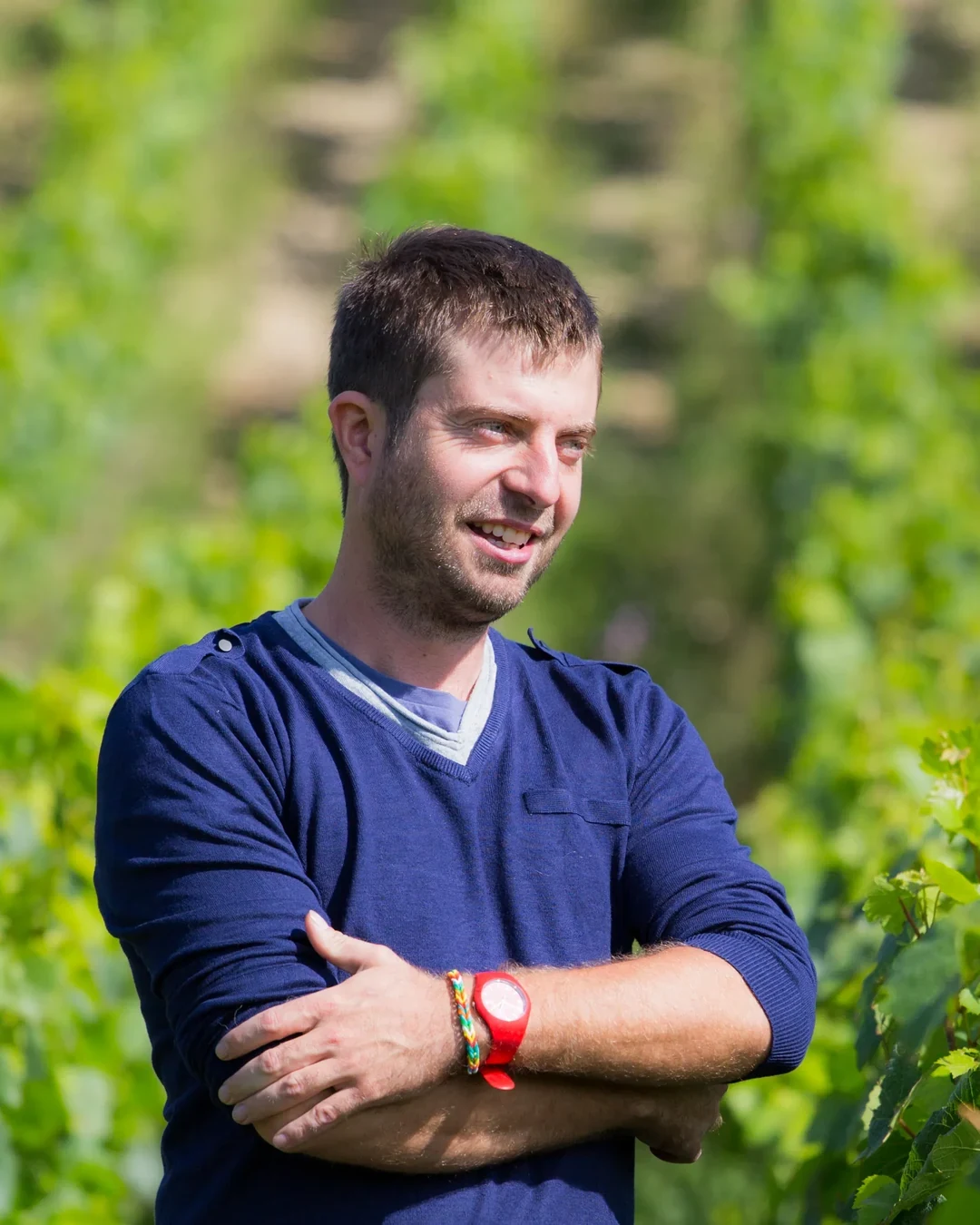
Made By profiles Thomas Pico (Winemaker) at Domaine Pattes Loup.
How expensive is Domaine Pattes Loup?
Domaine Pattes Loup is listed at a price level of $$$.
The field
How it compares
| Place | Notes | Awards |
|---|---|---|
| Domaine Pattes Loup | Courgis, $$$ | · |
| Alice et Olivier de Moor | Courgis | · |
| Château La Conseillante | Pomerol | · |
| Château Les Carmes Haut-Brion | Bordeaux | · |
| Château Lynch-Bages | Pauillac | · |
| Château Pontet-Canet | Pauillac | · |
| Nyetimber | Horsham | World's 50 Best |