Domaine Raphael Chopin
- 01CityLantignie, France
Batch by batch in Beaujolais
- Falstaff Winery - Listed · 2026
A blank page for each batch
Each batch begins as its own decision for Raphaël Chopin, winemaker at Domaine Raphael Chopin in Lantignie, France. He works from Lantignié, in Beaujolais, on a family-owned estate he established in 1989, with vines spread across Régnié, Morgon, and Beaujolais Villages. His language for the cellar is not managerial. “A wine batch is a blank page where I can write my story or my music,” he says, and the phrase fits a domaine built less on inherited scale than on time at the bench.
Chopin’s tenure here runs through the whole modern life of the estate. The vines were planted in 1989 across approximately five hectares, a small surface by regional standards, and the work remains estate-based. His stated priority is “the terroir, the purity of the fruit, and the finesse of the wines,” which gives the place its discipline: Gamay from different appellations, handled without forcing one house method onto every lot. He has said, “There is a different method for each wine batch.” At this scale, that is not a line of romance. It is the daily arithmetic of the cellar.
Gamay across three appellations
The program centers on still red Beaujolais, with Gamay carrying the principal work. Régnié gives one register, Morgon another, Beaujolais Villages another again; Chopin keeps those distinctions in play rather than smoothing them into a single estate accent. The domaine’s full production achieved organic certification in 2023, and that shift matters most in the vineyard, where canopy, soil, and disease pressure set the limits before any fermenter is filled.
The house names Régnié “La Ronze” among its bottlings, including a 2021 wine made entirely from Gamay. The portfolio also includes Beaujolais Blanc “Theia,” a white wine from the same Lantignié address. What the domaine publishes most clearly is not a recipe of vessels or extraction, but a method of attention: each lot is treated as a separate page. Chopin’s own fire-and-ice language, “I play around with fire and ice for my wine-makings,” gives the cellar a sense of contrast without needing to overstate the technique.
The quiet estate at La Savoye
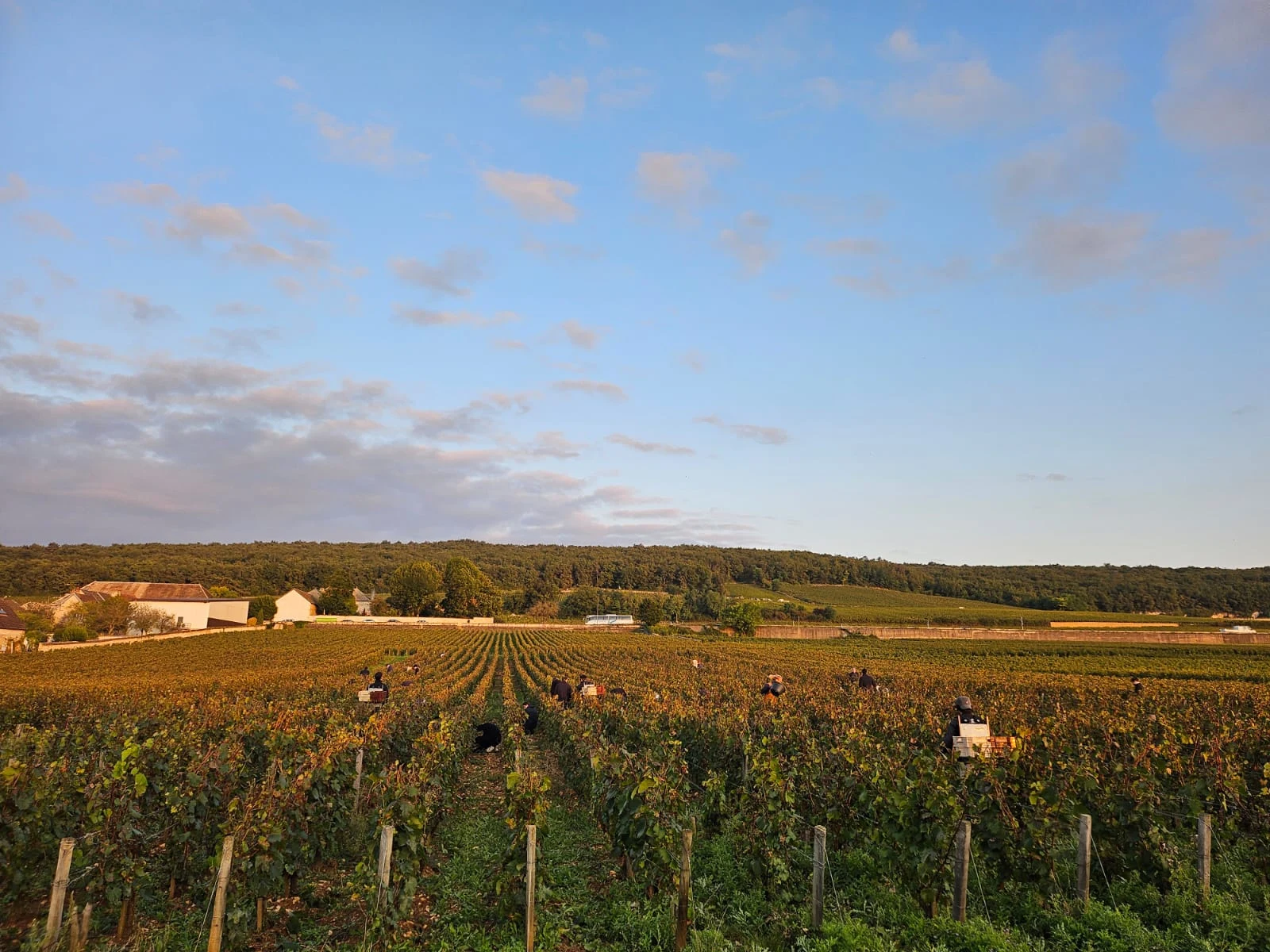
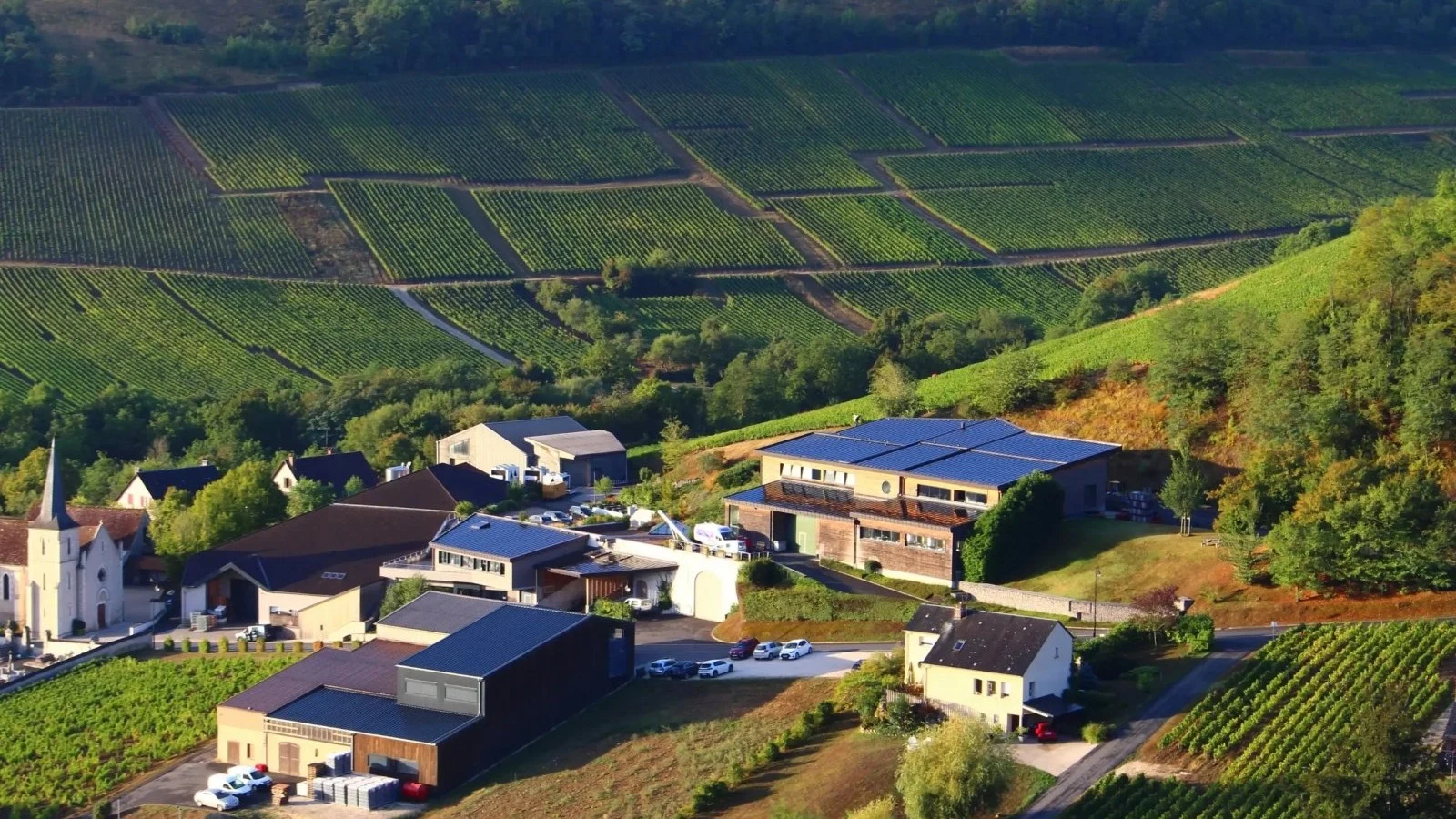
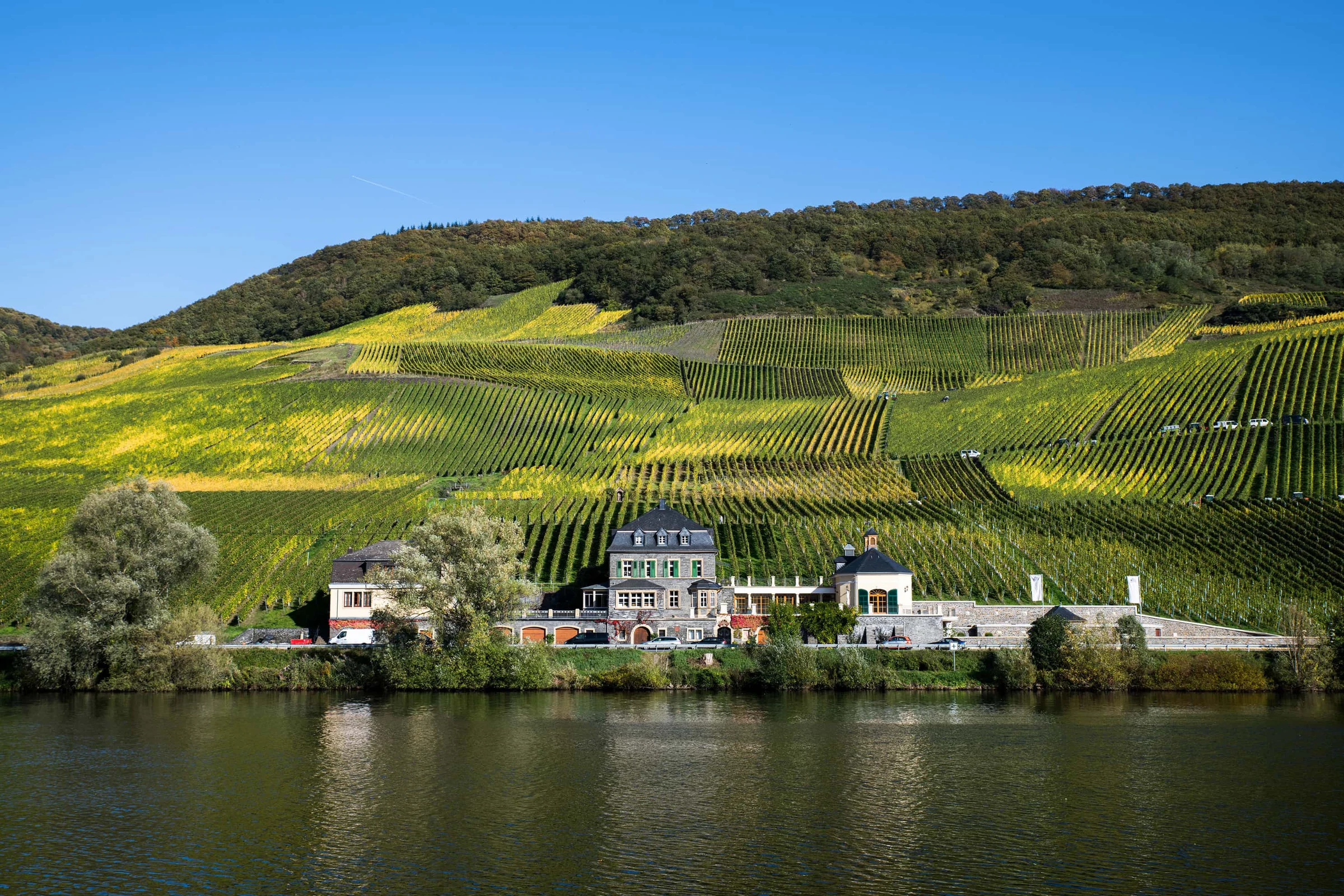
The setting is rural Beaujolais, at La Savoye in Lantignié, with the small-estate feel that comes when the vineyard remains close to the cellar. This is not a house built around spectacle. The work points outward to parcels and inward to the batch, from pruning through fermentation and bottling. In the cellar, the useful scale is not grand lineage but repeat contact: the same maker, the same village, the same appellations returning under different conditions.
The room around that work stays quiet in the imagination because the domaine itself asks attention to move elsewhere. It moves to Régnié, to Morgon, to Beaujolais Villages, and to the difference between one Gamay lot and the next. On the craft, Chopin still reads the next batch as blank for “La Ronze.”
Questions
Frequently asked
Who makes the wine at Domaine Raphael Chopin?
Raphaël Chopin is the winemaker at Domaine Raphael Chopin in Lantignié. He established the family-owned estate in 1989 and still works there batch by batch.
What kind of wines does the domaine make?
The domaine focuses on still red Beaujolais made from Gamay across Régnié, Morgon, and Beaujolais Villages. It also bottles a Beaujolais Blanc called Theia.
What is the estate known for in the cellar?
Chopin treats each wine batch as its own decision and says there is a different method for each batch. His stated priority is the terroir, the purity of the fruit, and the finesse of the wines.
Is Domaine Raphael Chopin open for walk-ins?
Visits are by appointment only.
The field
How it compares
| Place | Notes | Awards |
|---|---|---|
| Domaine Raphael Chopin | Lantignié | · |
| Domaine Coche-Dury | Meursault | · |
| Domaine du Comte Liger-Belair | Vosne-Romanée | · |
| Domaine Dujac | Morey-Saint-Denis | · |
| Edmond Vatan | Vatan | · |
| Weingut Dr. Loosen | Bernkastel-Kues | World's 50 Best |
| Yamazaki (Suntory) | Shimamoto | · |