- Falstaff Winery - Listed · 2026
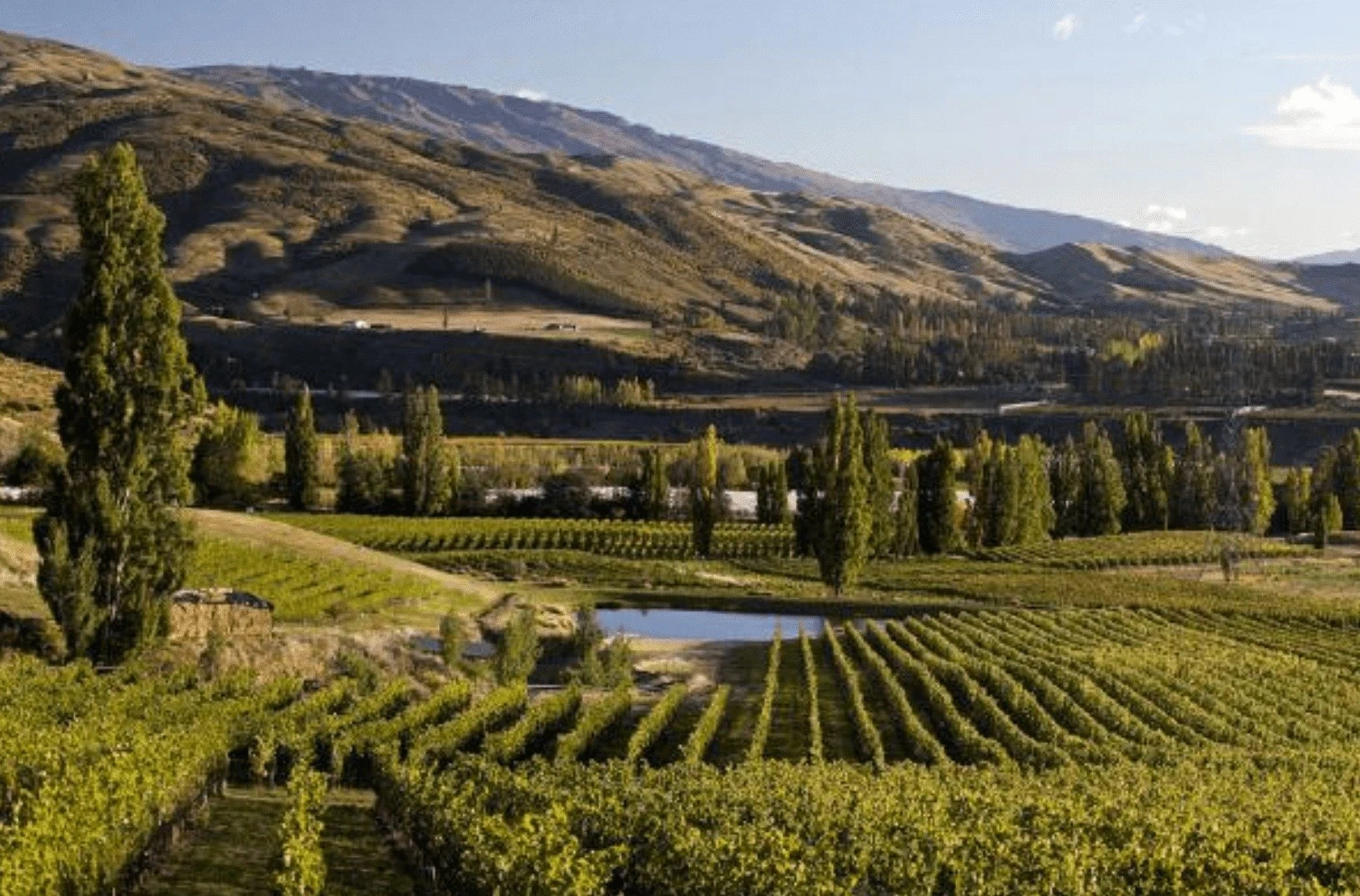
Domaine Sainte-Anne is a family-run Southern Rhône estate in Saint Gervais. Its appeal is rooted in a classic, rural winery feel: vineyard-focused, understated, and centered on wines described for character and age-worthiness rather than showy oak. In that sense, the estate reads less like a destination built around presentation and more like one whose identity comes from place, continuity, and a clear stylistic preference for wines that do not need to announce themselves loudly.
The confirmed draw is the estate’s Southern Rhône identity and its reputation for Burgundian-like finesse within a rural, family-run setting. That phrase is useful because it frames the domaine without overstating the detail: the point is not that the wines abandon their Southern Rhône context, but that they are associated with a more graceful, finely balanced expression than a heavily polished or oak-forward one.
Vineyard focus and Southern Rhône restraint
Domaine Sainte-Anne is best understood through its emphasis on vineyard character. The profile points to wines with depth and aging potential, but also a restrained sensibility: finesse over polish, and balance over obvious oak-driven style. For drinkers mapping the Southern Rhône, that distinction matters. The region can be approached through richness and immediacy, but this estate’s confirmed reputation suggests a quieter kind of seriousness, where structure, character, and the ability to develop over time are central to the appeal.
That combination gives the estate a distinctive place in Saint Gervais. Rather than leaning on luxury framing or spectacle, the available facts support a simpler reading: a family-run Southern Rhône domaine with a classic rural feel and wines valued for character. The rural element is not just scenery in this description; it reinforces the impression of a winery whose story is tied closely to its vineyards and to a more traditional sense of domaine identity.
Specific claims about individual cuvées, grape composition, production methods, or vintage-by-vintage reputation are not confirmed here, so they should not be treated as settled facts. What is is the broader house impression: age-worthy Southern Rhône wines with a Burgundian-like sense of finesse. That is enough to set expectations in a useful way. Visitors and buyers should think in terms of restraint, detail, and longevity, while avoiding assumptions about exact blends, cellar techniques, or the character of any single bottling unless those details are confirmed directly.
A family-run rural estate
The experience associated with Domaine Sainte-Anne is not defined here by a confirmed service format, seating count, tour schedule, or visitor program. The grounded description is more general: a family-run estate in a rural setting, focused on the vineyard and the wines themselves. This makes the venue feel best understood as a wine estate first, rather than as a hospitality concept with a long list of specified visitor features.
That makes it a better fit for drinkers interested in the quieter side of the Southern Rhône. The appeal is not built around a named award, a luxury hospitality concept, or a highly specified tasting format; it rests on the estate’s characterful wines and its understated Saint Gervais setting. For the right visitor, that understatement is part of the reason to pay attention. It suggests a stop where the main interest is the wine’s personality and the sense of a working, rural domaine, not the surrounding performance.
The price level is listed as $$, which places Domaine Sainte-Anne in a moderate bracket for planning purposes. That should be treated only as a broad planning signal, not as a substitute for checking current costs or availability. Within the context provided here, it simply helps position the estate as approachable enough to include in a practical Saint Gervais wine plan while still keeping the focus on its confirmed strengths: family-run character, Southern Rhône identity, and wines associated with finesse and age-worthiness.
How to place it in a Saint Gervais wine day
For a Saint Gervais itinerary, treat Domaine Sainte-Anne as a rural winery stop centered on Southern Rhône character and vineyard identity. Build plans around confirmed basics only, and check current details directly before relying on any specific tasting availability, opening hours, or visit format. That caution is important because the available description does not establish a formal visitor structure; it establishes the estate’s identity and the kind of wine reputation that makes it worth considering.
For wider planning, use other Saint Gervais resources generically alongside Domaine Sainte-Anne. The key confirmed reason to keep this estate on the list is its family-run rural identity and its reputation for characterful, age-worthy wines with finesse rather than showy oak. In a broader day of Southern Rhône exploration, it can serve as a counterpoint to more overtly polished or hospitality-driven stops, provided the practical visit details are in advance. Its value is clearest for those who want a restrained, vineyard-led expression of the area, anchored in a classic estate setting rather than in spectacle.
Questions
Frequently asked
Who works at Domaine Sainte-Anne?
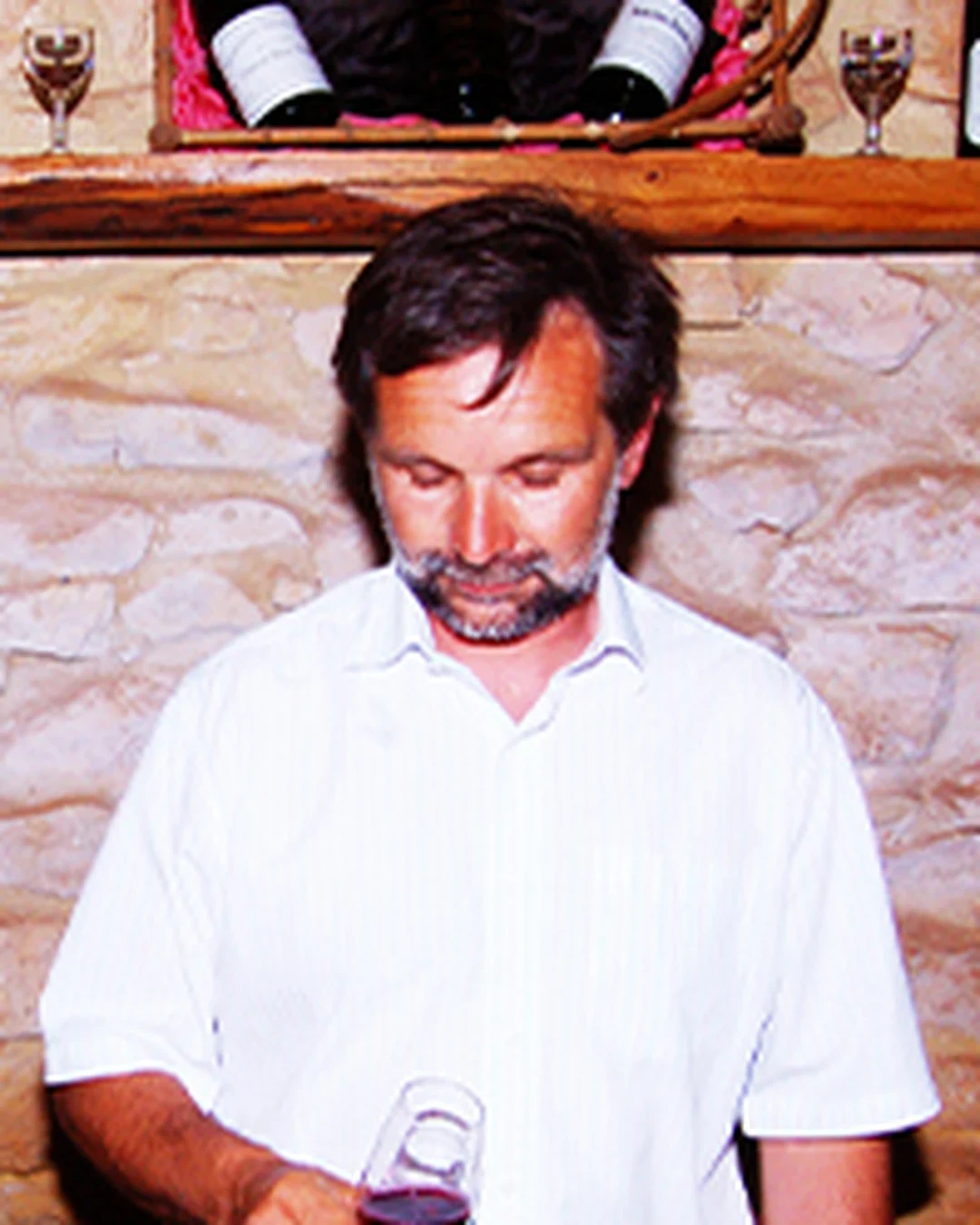
Made By profiles Alain Steinmaier (Winemaker) and Jean Steinmaier (Winemaker) at Domaine Sainte-Anne.
How expensive is Domaine Sainte-Anne?
Domaine Sainte-Anne is listed at a price level of $$.
The field
How it compares
| Place | Notes | Awards |
|---|---|---|
| Domaine Sainte-Anne | Les Celettes, $$ | · |
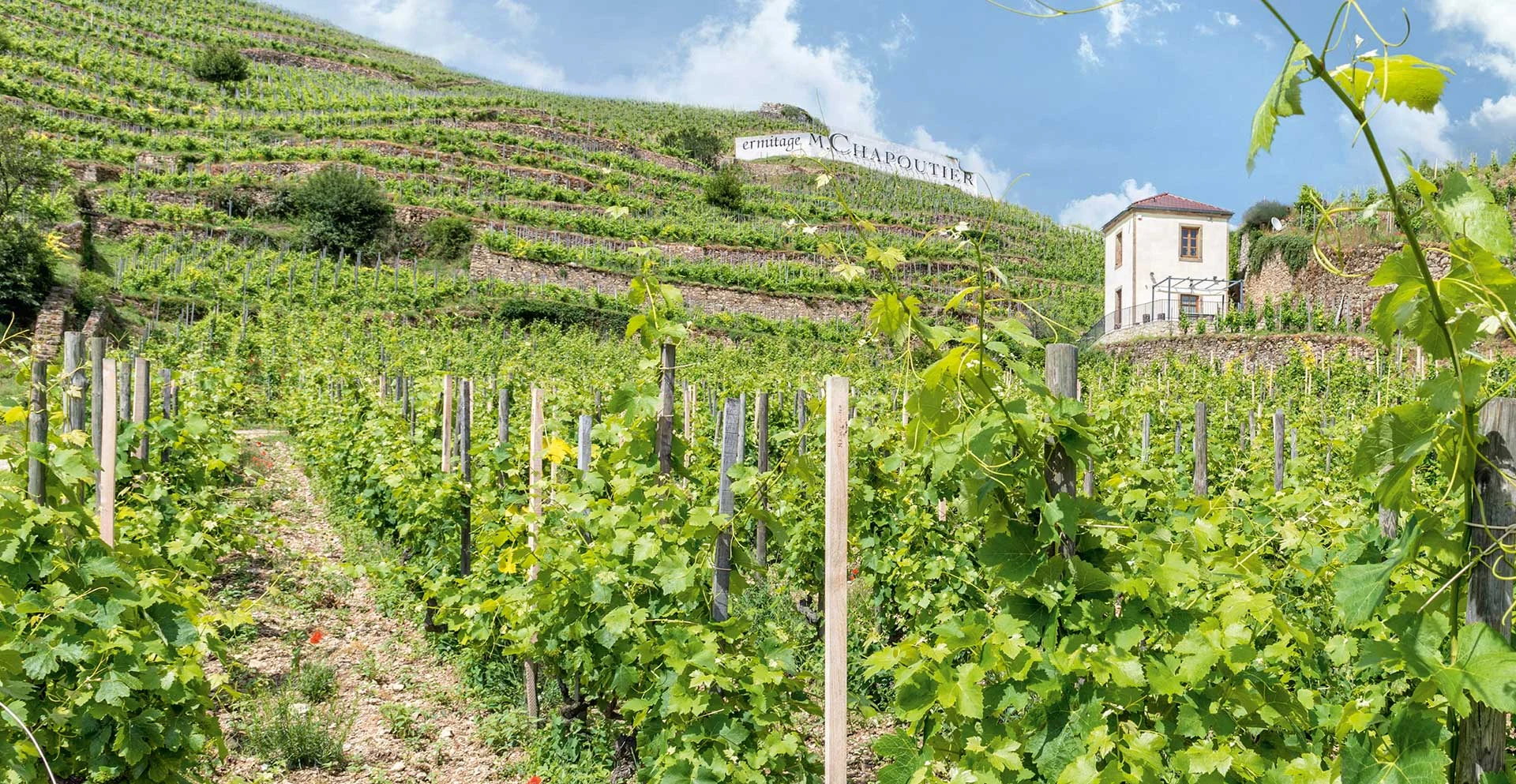
| Chapoutier | Tain-l'Hermitage | World's 50 Best |
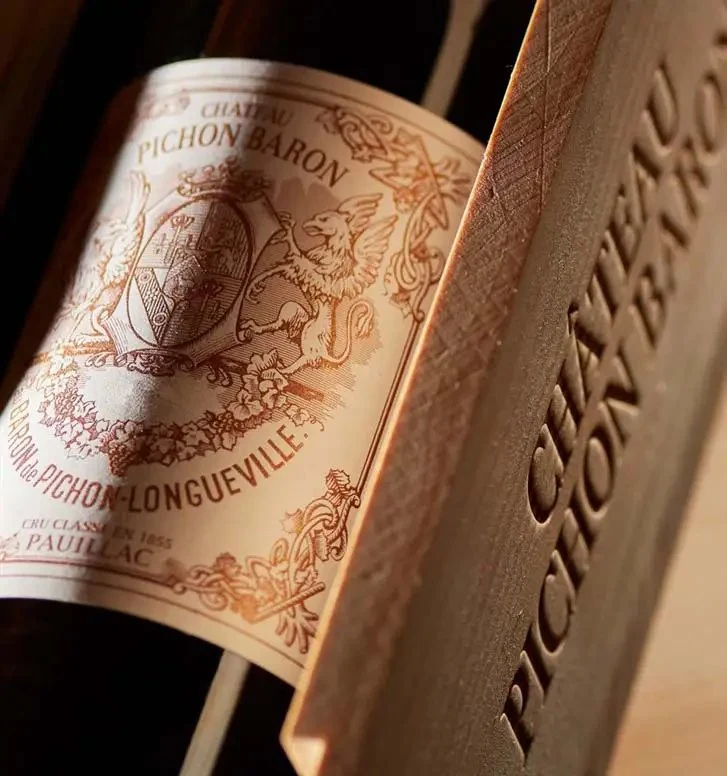
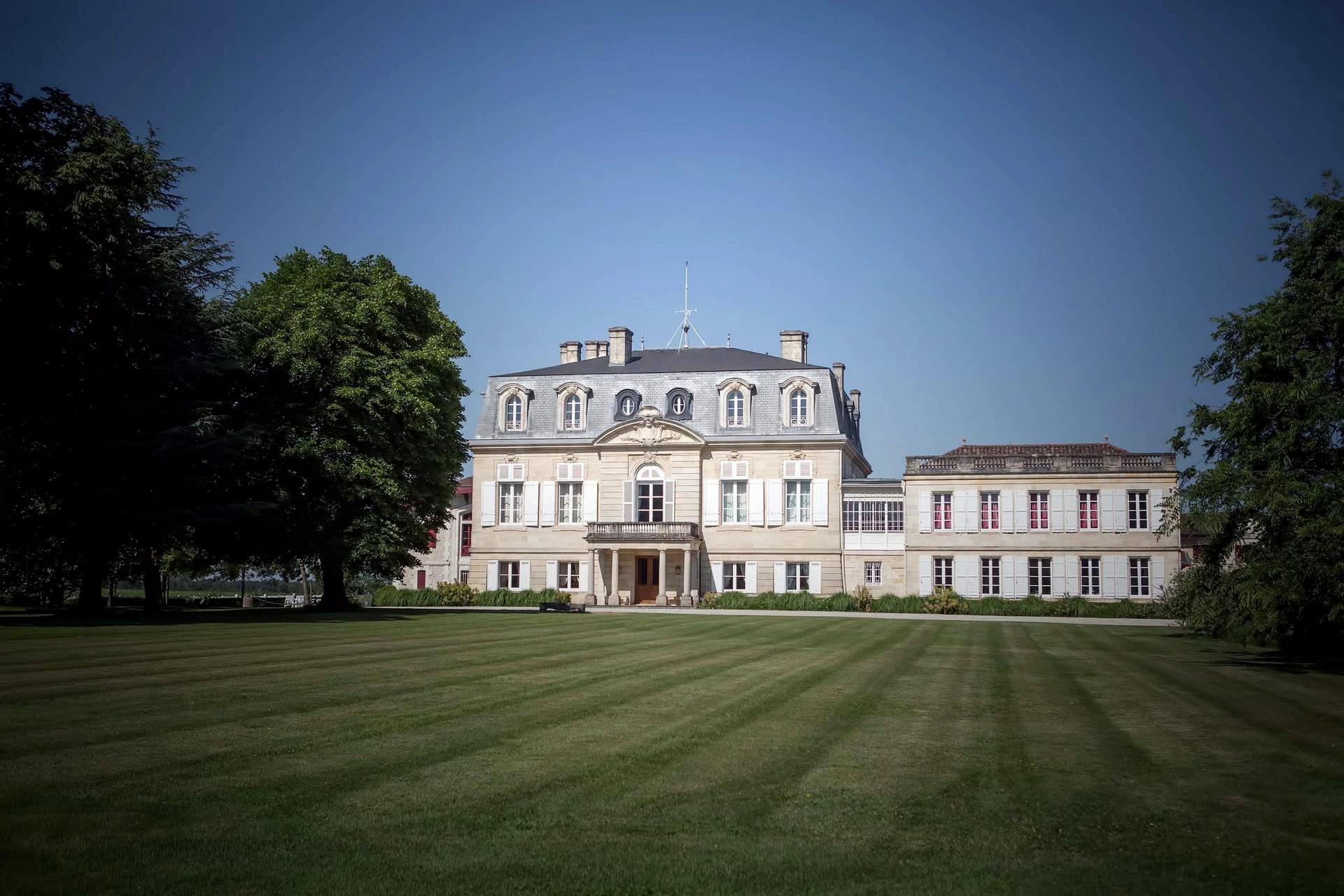
| Château Pichon Longueville Baron | Pauillac | World's 50 Best |
| Château Pontet-Canet | Pauillac | · |
| Felton Road Wines | Bannockburn | World's 50 Best |
| Herdade do Esporão | Reguengos de Monsaraz | World's 50 Best |
| Masseto | Castagneto Carducci | · |