Fifty-seven Côte de Beaune plots
- Falstaff Winery - Listed · 2026
Fifty-seven plots under one hand
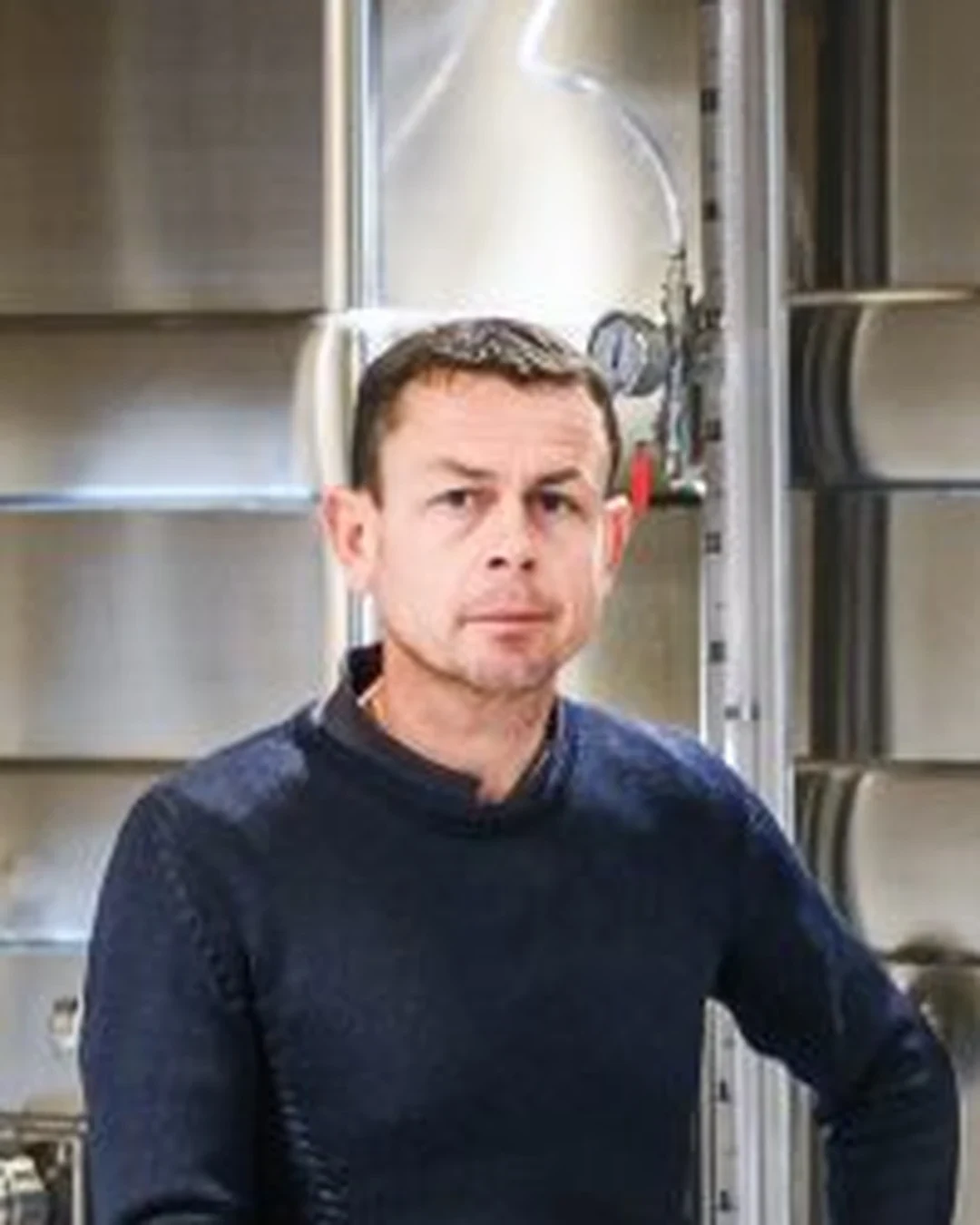
The parcels set the rhythm before the cellar does. Thomas Morey, winemaker at Domaine Thomas Morey in Chassagne-Montrachet, works from a family-run address whose scale still asks for close walking, not management from a distance. He is the tenth generation of a Chassagne-Montrachet family rooted in the village since 1643, and his early professional footing came as a stage at Domaine Bernard Morey, where apprenticeship meant absorbing the standards of an established Burgundian house from inside the routine of the work.
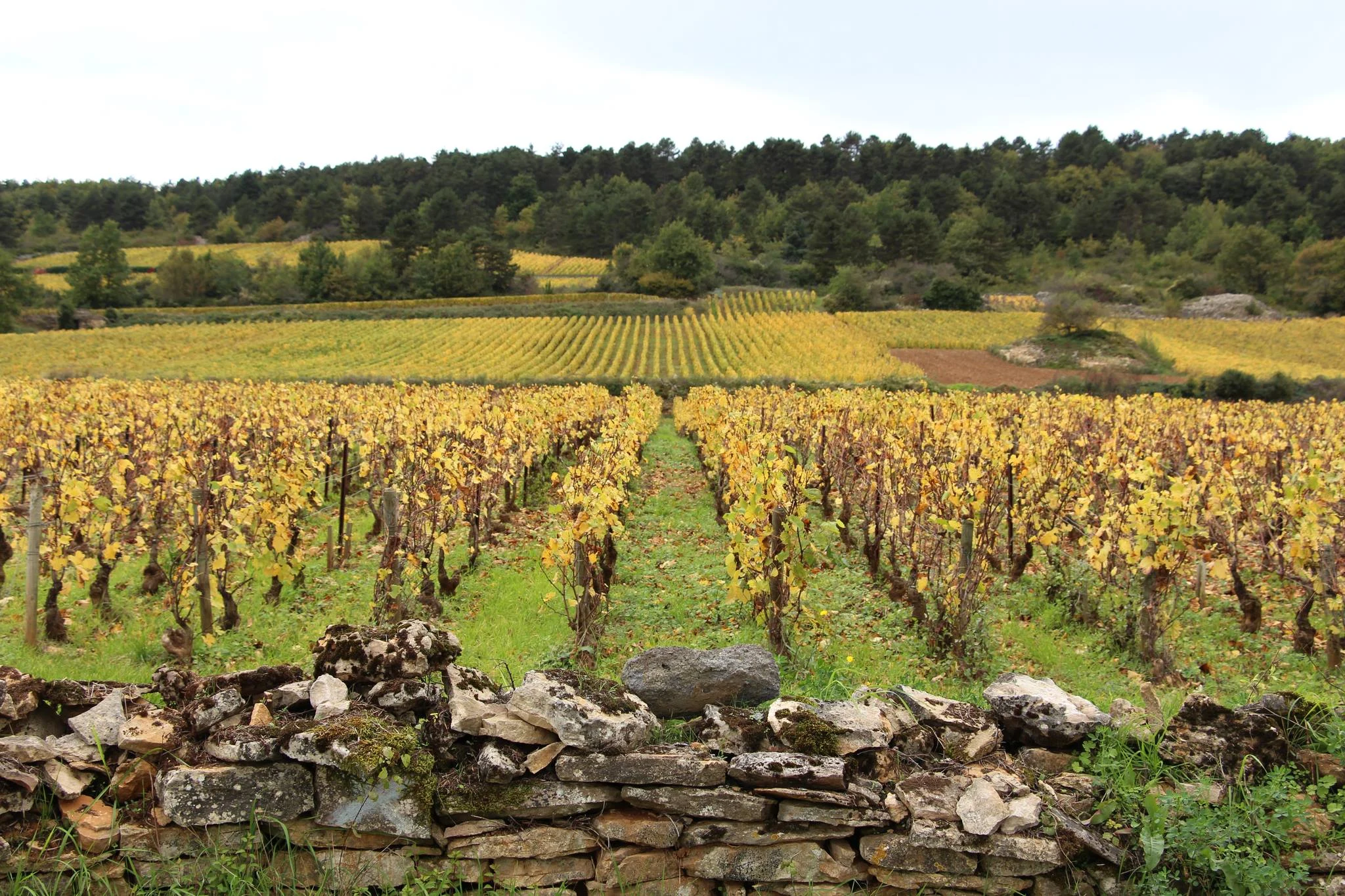
Thomas and Sylvie Morey established the domaine in 2006 after the family vineyards were divided between Thomas and his brother Vincent. The estate now works across 57 vineyard plots in the Côte de Beaune, with holdings in Chassagne-Montrachet, Puligny-Montrachet, Bâtard-Montrachet, Maranges, Santenay, Saint-Aubin, and Beaune. That spread matters because the discipline here is not a single house recipe. It is the repeated adjustment of hand and timing from one parcel to the next, through clay-limestone soils, old-vine material, and the demands of Chardonnay and Pinot Noir.
Organic rows and a restrained cellar
The domaine decided in 2014 to certify its farming as organic and achieved certification in 2017. In the rows, that decision belongs to a larger method: old vines, many dating to the 1950s and 1960s, supply the material for new plantings through sélections massales, keeping the estate’s own vine genetics in the line. The house’s stated preference is for elegance rather than opulence, which reads in the cellar as restraint, not absence of work.
Fermentations are spontaneous. White wines ferment in barrel and age for at least 12 months, with around 20% new oak and occasional bâtonnage. Red wines receive gentle vinification, then remain in vats for at least 15 months before bottling; they are bottled unfiltered and unfined. Those choices leave little room for cover. Oak is present as a frame, lees as texture, vat time as patience. The point is to let each parcel keep its own pressure in the glass, rather than folding the vineyards into a single cellar signature.
A grower’s room, not a spectacle
The domaine sits at 9 rue du Nord in Chassagne-Montrachet, inside a village where the work of a grower is measured more by parcels than by a visitor room. The setting is quiet and traditional: cellar, tasting room, vineyard names, and the steady movement between them. There is no sense that the estate has been arranged around performance. The attention remains on the bench-side decisions of a Burgundian domaine, the sorting of sites, the barrel program, the way a white wine takes shape over winter and returns with line intact.
One part of the domaine’s standing comes from outside its own labels. Domaine de la Romanée-Conti asked Thomas Morey to plant and cultivate vines in Le Montrachet Grand Cru, a request tied to his vineyard work rather than to any public flourish. There are 57 plots, organic rows, and the continued pressure of Le Montrachet Grand Cru.
Questions
Frequently asked
Who runs Domaine Thomas Morey?
Thomas Morey is the winemaker at Domaine Thomas Morey, which he established with Sylvie Morey in 2006 after the family vineyards were divided between Thomas and his brother Vincent. He is the tenth generation of a Chassagne-Montrachet family rooted in the village since 1643.
What does the domaine work with?
The estate works across 57 vineyard plots in the Côte de Beaune, including holdings in Chassagne-Montrachet, Puligny-Montrachet, Bâtard-Montrachet, Maranges, Santenay, Saint-Aubin, and Beaune.
How are the wines made?
The domaine certified its farming as organic in 2017 after deciding on organic certification in 2014. Fermentations are spontaneous, white wines ferment in barrel and age for at least 12 months with around 20% new oak, and red wines remain in vats for at least 15 months before bottling, unfined and unfiltered.
Can you visit without an appointment?
Visits are by appointment only. The domaine is at 9 rue du Nord in Chassagne-Montrachet, and parking is on the street.
The field
How it compares
| Place | Notes |
|---|---|
| Domaine Thomas Morey | Chassagne-Montrachet, $$$$ |
| Domaine Alex Moreau | Chassagne-Montrachet |
| Domaine Jean-Marc Pillot | Chassagne-Montrachet |
| Domaine Jean-Noël Gagnard | Chassagne-Montrachet |
| Domaine Pierre-Yves Colin-Morey | Chassagne-Montrachet |
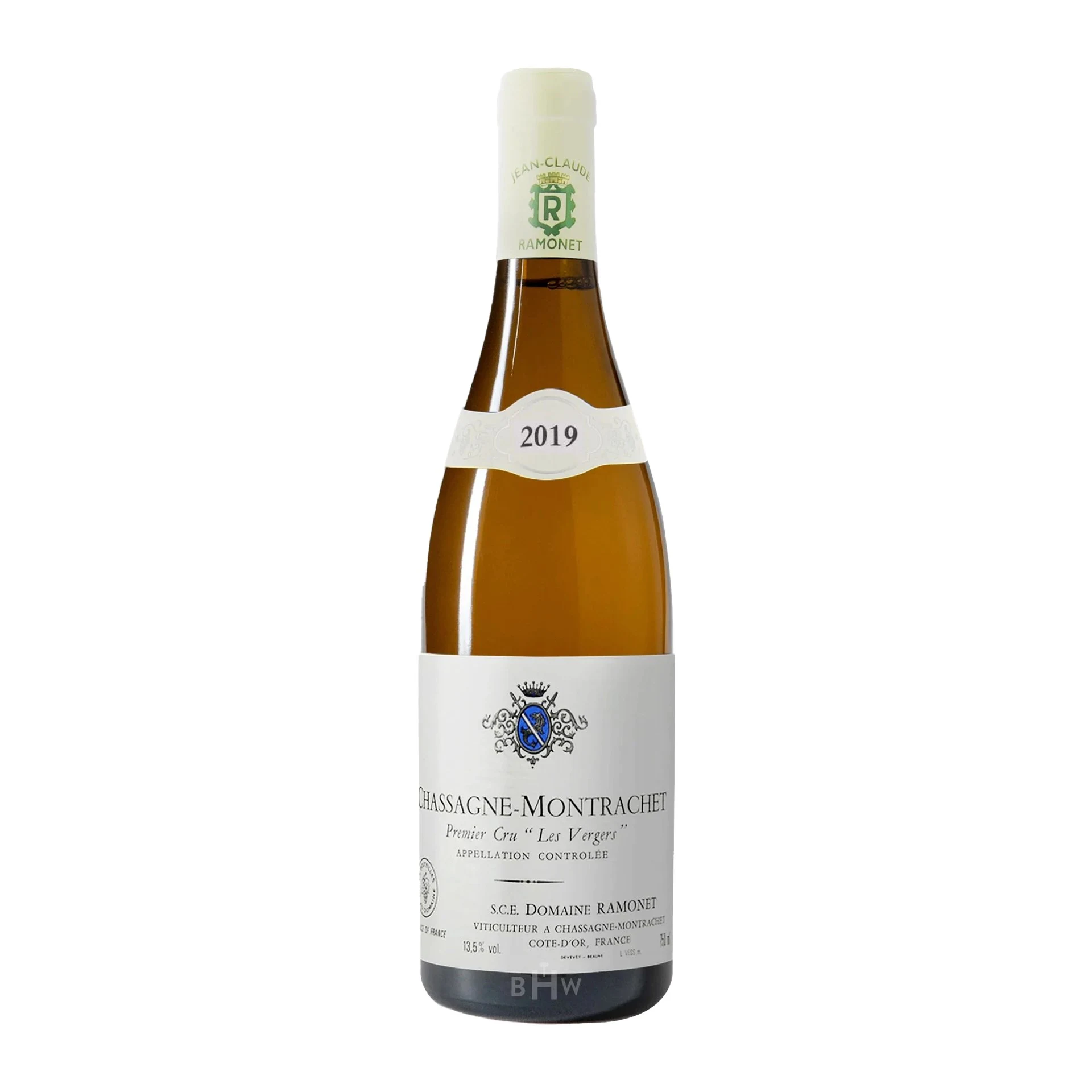
| Domaine Ramonet | Chassagne-Montrachet |
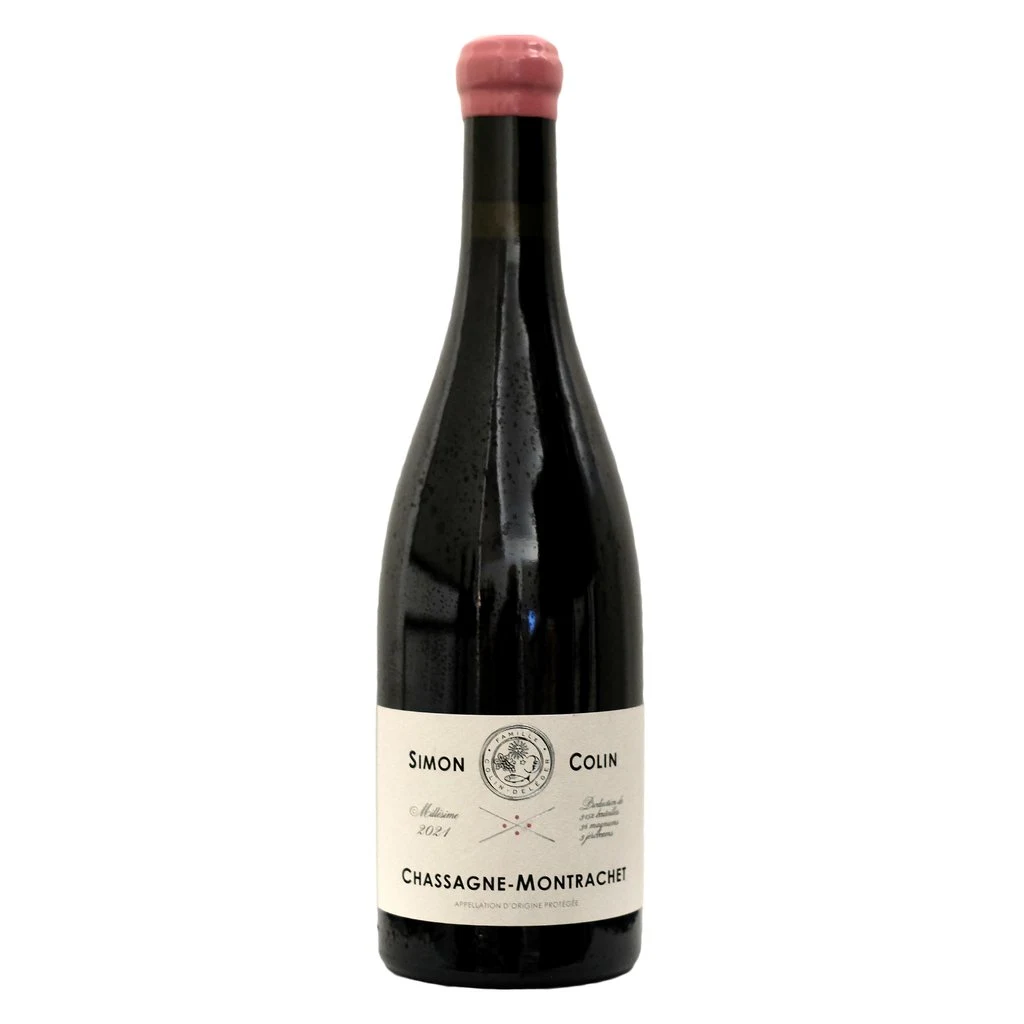
| Domaine Simon Colin | Chassagne-Montrachet |
In residence
Similar places
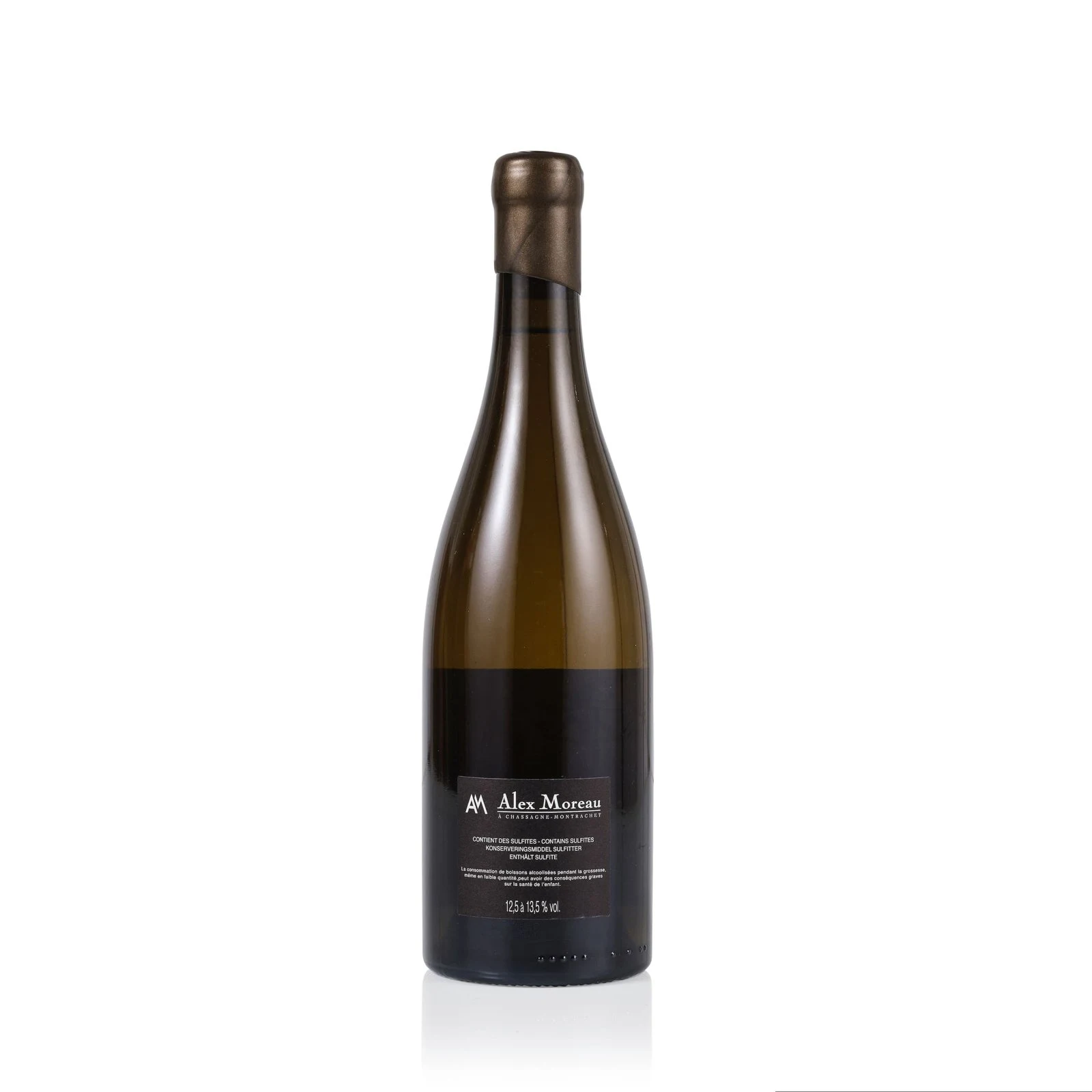
Domaine Alex Moreau
Chassagne-Montrachet, France
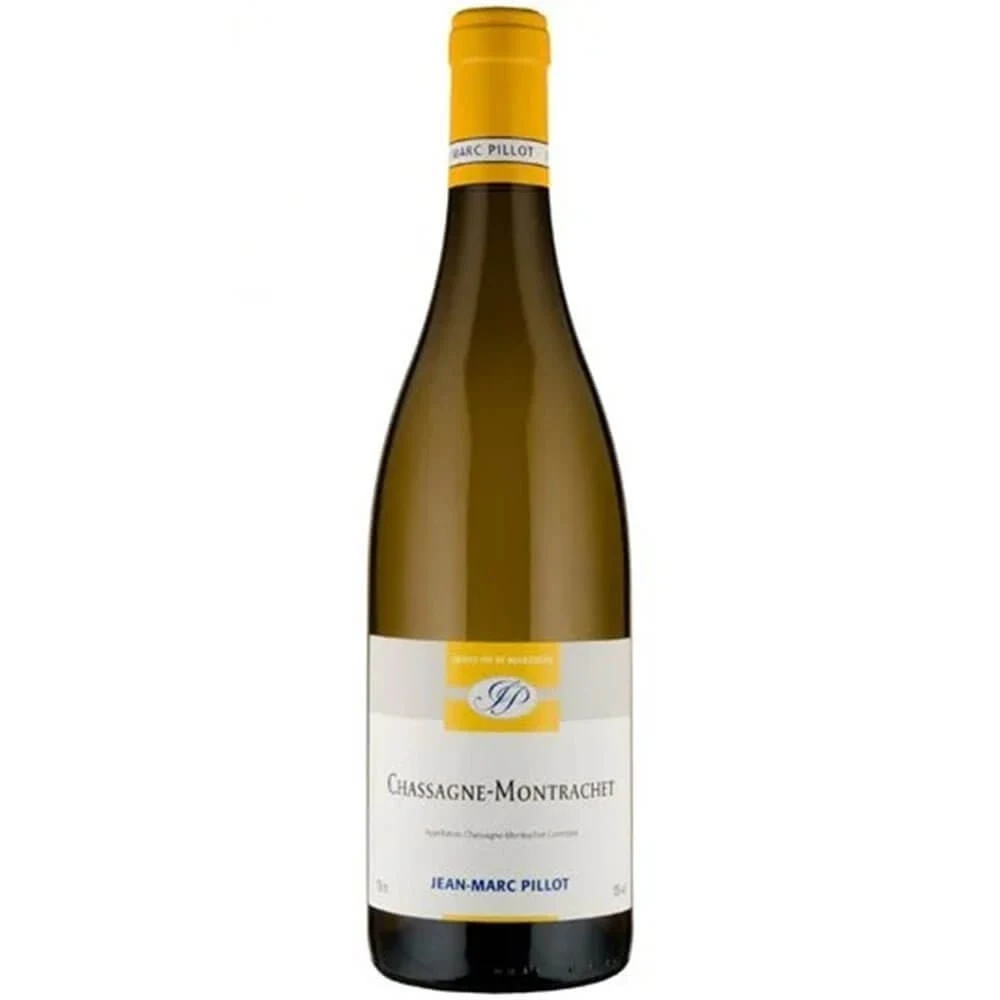
Domaine Jean-Marc Pillot
Chassagne-Montrachet, France
Domaine Jean-Noël Gagnard
Chassagne-Montrachet, France
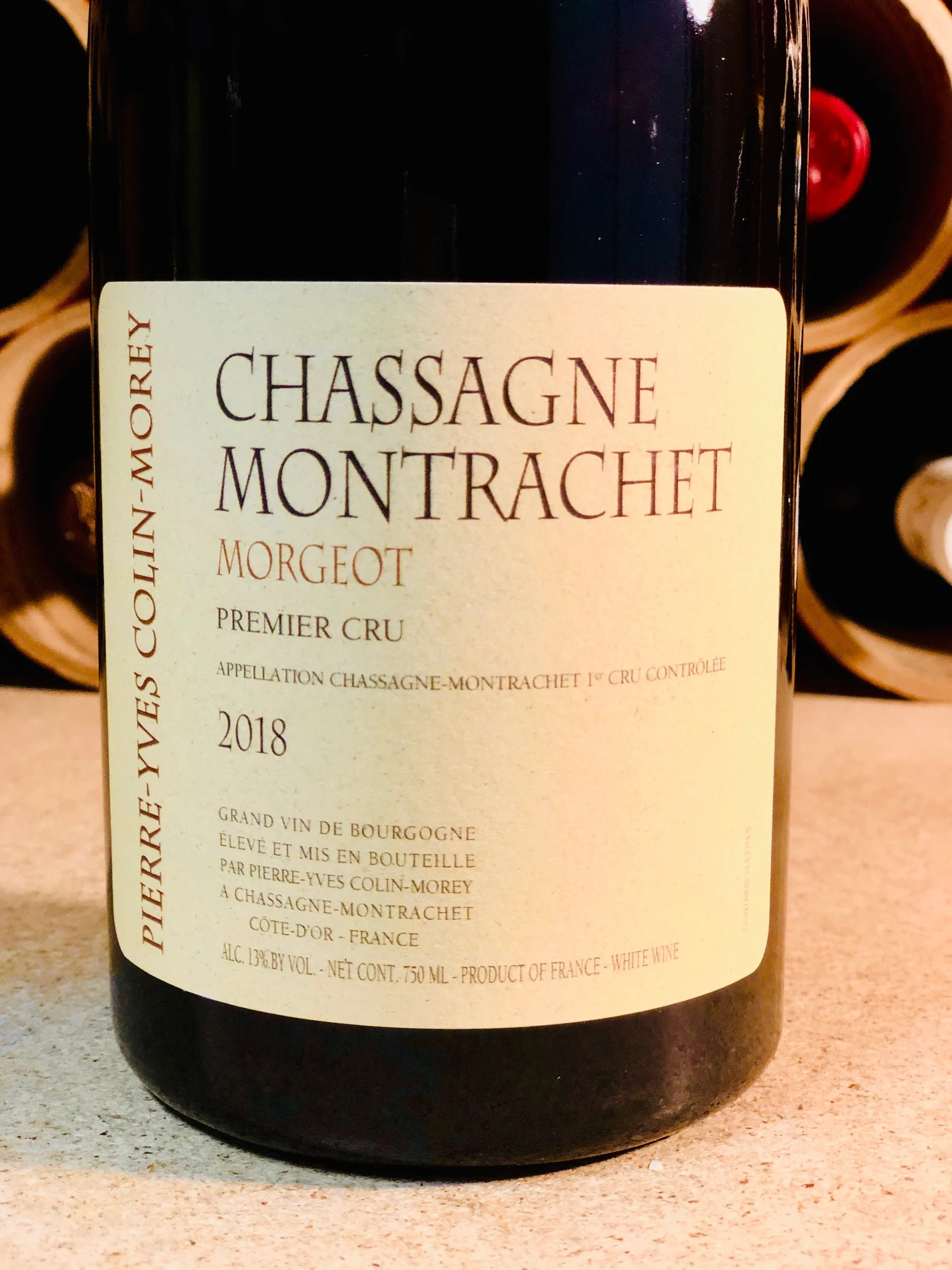
Domaine Pierre-Yves Colin-Morey
Chassagne-Montrachet, France
Domaine Ramonet
Chassagne-Montrachet, France
Domaine Simon Colin
Chassagne-Montrachet, France