- Falstaff Winery - 4 Stars · 2026
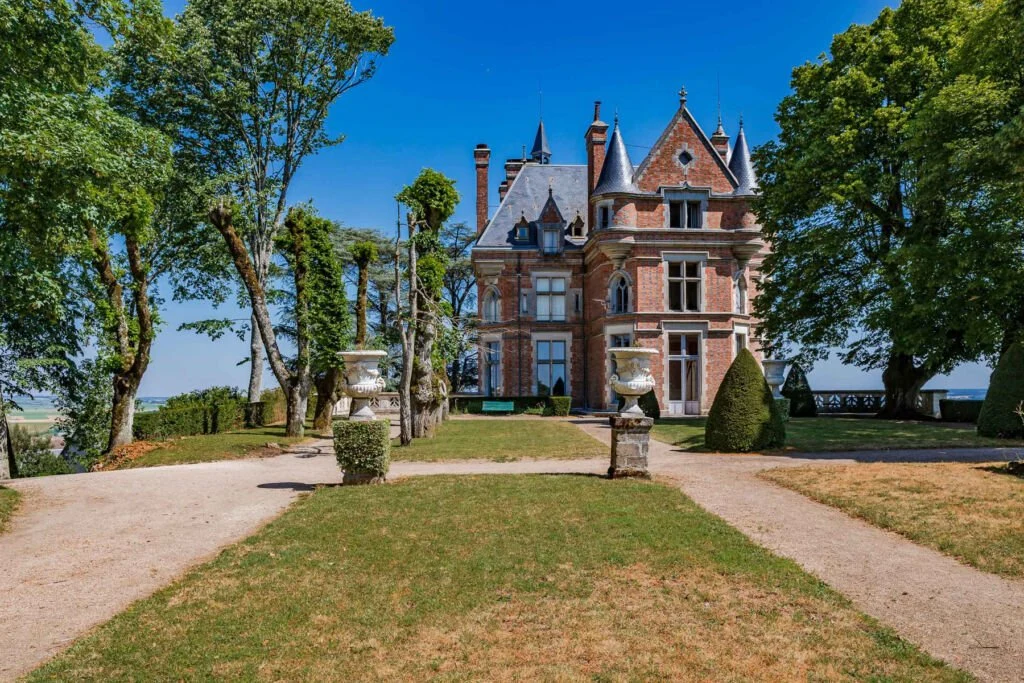
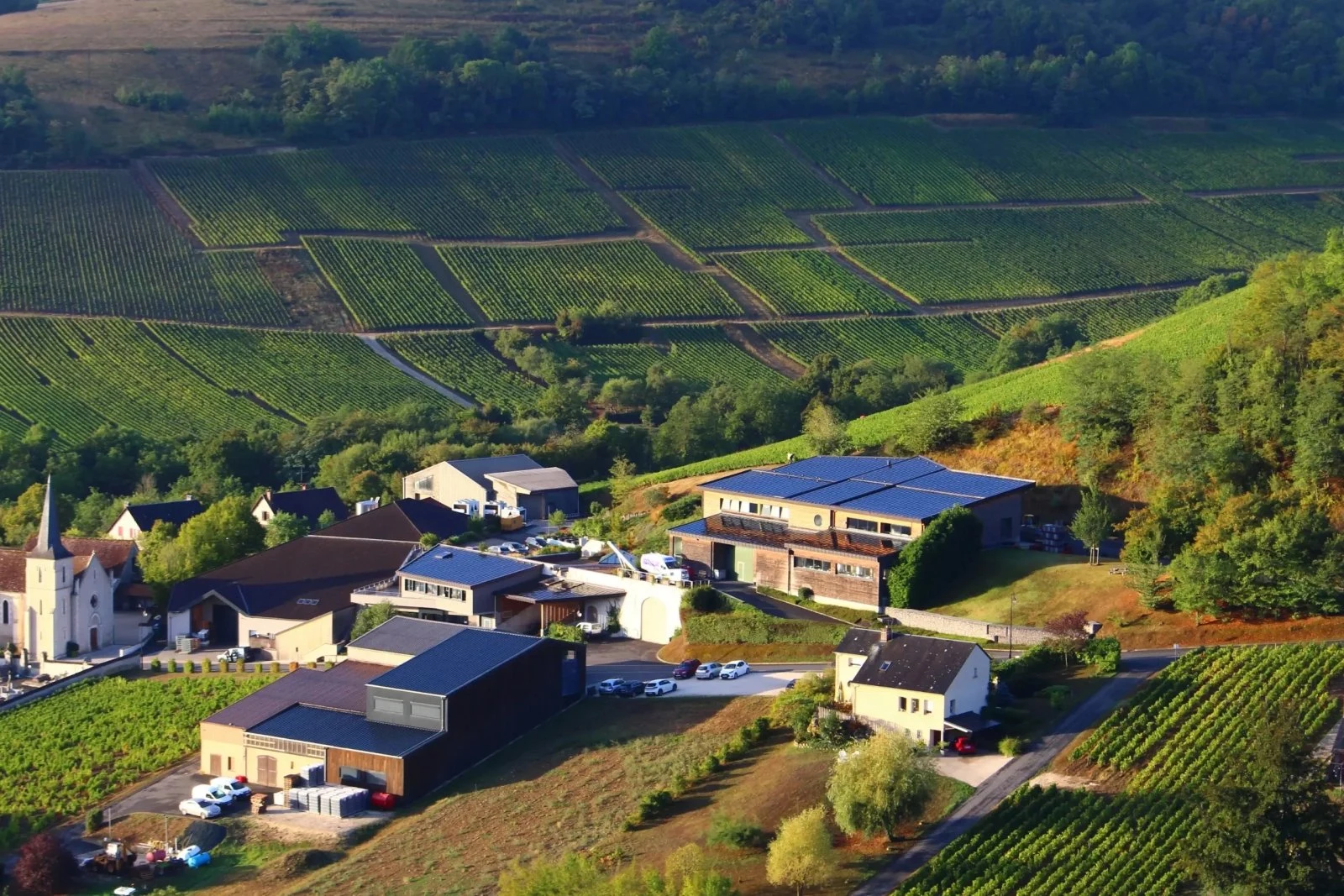
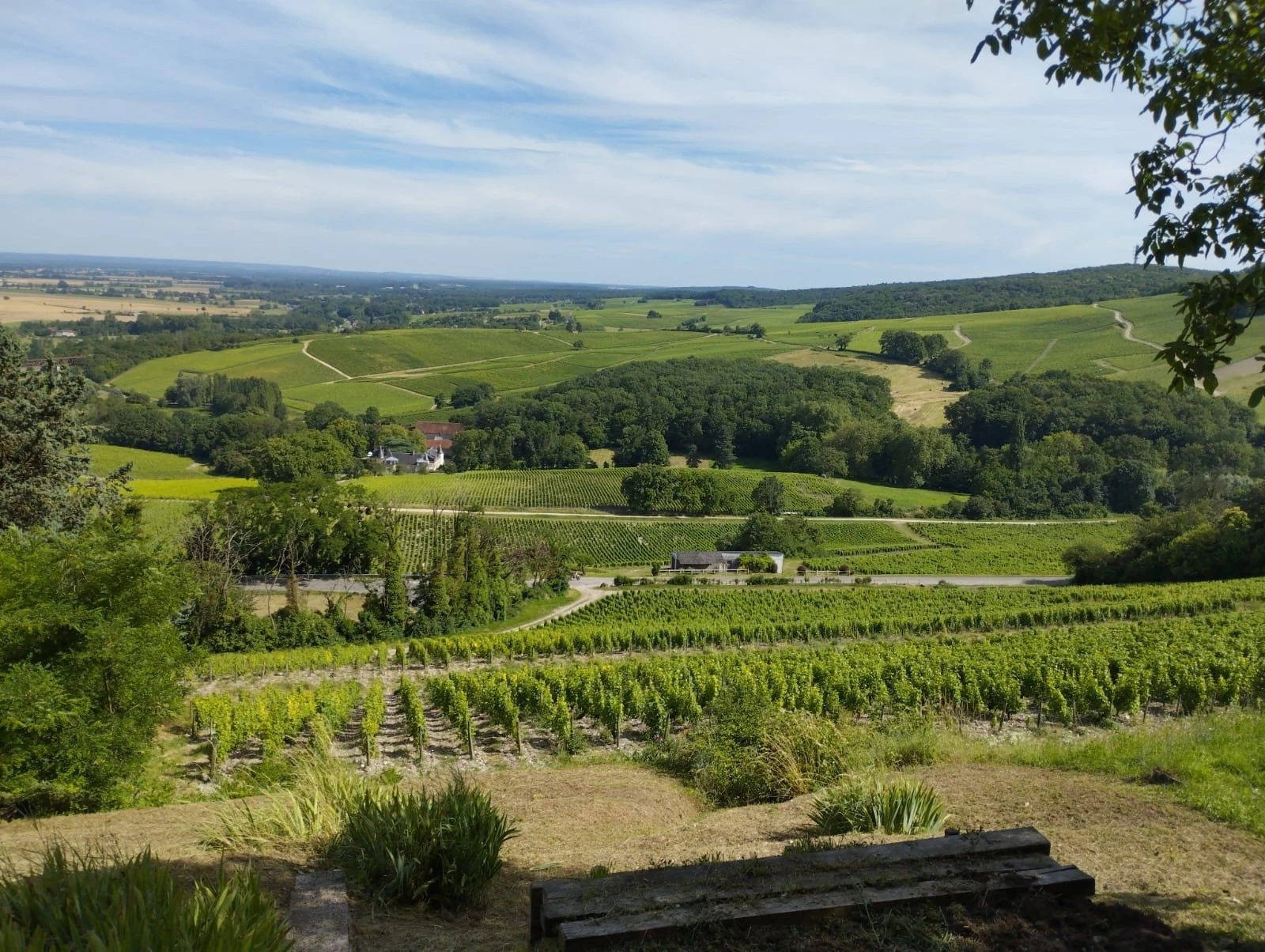
Approaching Domaine Vacheron in Sancerre changes the frame of the appellation. The serious version here is quiet: biodynamically farmed vineyards, historic caves dating from the 15th to 17th centuries, and a working family domaine atmosphere that keeps the emphasis on terroir rather than hospitality theatre. It is the kind of address where the setting does not need to announce itself loudly. The interest comes from the relationship between the land outside, the cellars below and the restrained confidence of a domaine whose identity is grounded in place.
Sancerre through a working domaine lens
Domaine Vacheron is best understood as a serious, place-focused Sancerre estate rather than a tourism-frills stop. The picture is intentionally spare: a historic family domaine, biodynamically farmed vineyards, traditional caves and a quiet setting where the appeal is the connection between land, cellar and bottle. That spareness is part of the point. It asks visitors to look at Sancerre less as a scenic label and more as a landscape interpreted through farming, cellar work and continuity.
That makes the estate different from a broad leisure experience. The draw is not a long list of amenities, dining formats or staged add-ons; it is the authenticity of a working domaine and the way its identity is rooted in Sancerre’s terroir. In this context, authenticity does not need to mean rustic performance or nostalgia. It is simply the sense that the domaine’s seriousness comes from what is already there: the vineyards, the caves, the family setting and the disciplined focus on wine.
For travellers comparing wine experiences, the useful point is restraint. Domaine Vacheron’s profile rests on vineyard farming, cellar heritage and a serious reading of Sancerre, not on spectacle or invented luxury cues. It is therefore a better fit for visitors who find depth in context rather than display, and who are comfortable with an experience where the most important features are not decorative but foundational.
Why the cellar matters as much as the label
The traditional caves are central to the estate’s sense of place. Dating from the 15th to 17th centuries, they reinforce the feeling that Domaine Vacheron is part of a longer Sancerre story rather than a recently packaged visitor concept. Their importance is not just visual or atmospheric, although they clearly shape the mood of the domaine. They also give the estate a physical link to the historic fabric of Sancerre, anchoring the wines in a setting that predates modern ideas of wine tourism.
The atmosphere is quiet and authentic: a working family domaine where the historic setting supports the wines’ terroir-driven identity. Without relying on claims about specific cuvées, production figures or service formats, the confirmed character is clear enough: this is a serious Sancerre address for people who care about vineyard origin and cellar context. The caves matter because they make that context tangible. They turn the idea of heritage into something spatial, immediate and closely connected to the domaine’s day-to-day identity.
Recognition, rankings and detailed production claims are not needed to explain the estate’s appeal here. The grounded reason to pay attention is its combination of biodynamic farming, historic caves and a focused family-domaine atmosphere in Sancerre. Those elements are stronger than a list of embellishments because they describe the estate’s centre of gravity. The appeal is not constructed around excess information; it is built around a clear, coherent sense of purpose.
Planning a Sancerre wine day around serious producers
Domaine Vacheron suits travellers who want a quieter, more terroir-focused view of Sancerre. Expect the mood of a working family domaine rather than a broad hospitality complex, with the historic caves and biodynamically farmed vineyards forming the core of the identity. That makes it a useful anchor for a day built around serious producers, especially for visitors who prefer to understand a place through farming choices, cellar setting and the character of the estate rather than through a heavily programmed experience.
For the rest of a Sancerre itinerary, keep the contrast broad and generic: other local dining rooms, places to stay, bars and experiences can round out the trip, while Domaine Vacheron remains the wine-focused anchor for visitors interested in a more serious estate setting. The surrounding elements can add comfort, variety and a sense of the wider area, but they do not need to compete with the domaine’s central role. Its value lies in giving the day a point of focus.
The useful lesson is not that every wine region or estate is interchangeable, but that Domaine Vacheron’s strengths are unusually clear: biodynamic vineyards, historic caves from the 15th–17th centuries and a quiet, authentic, terroir-driven identity in Sancerre. For an itinerary, that clarity is helpful. It tells visitors what kind of experience to expect and, just as importantly, what not to expect: less theatre, more terroir; fewer distractions, more attention to the estate itself.
Questions
Frequently asked
Who works at Domaine Vacheron?
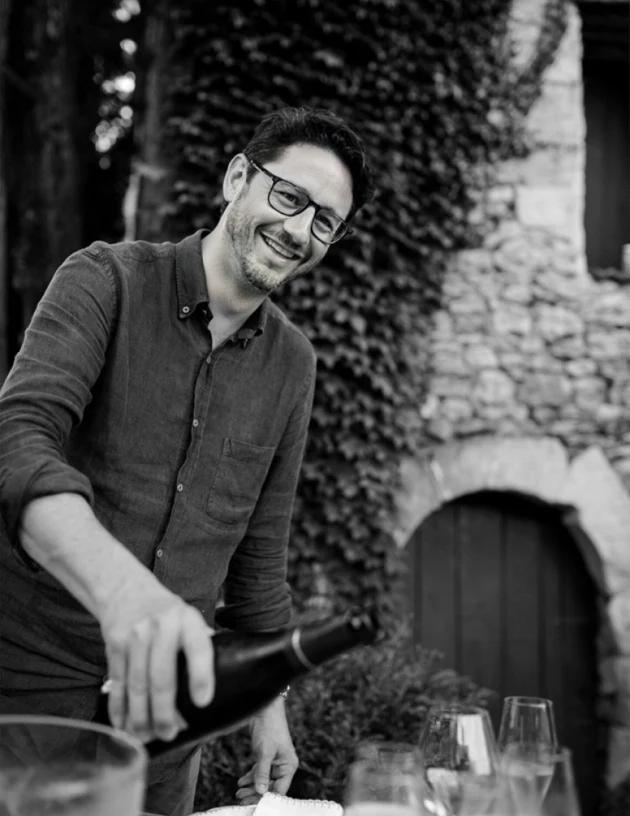
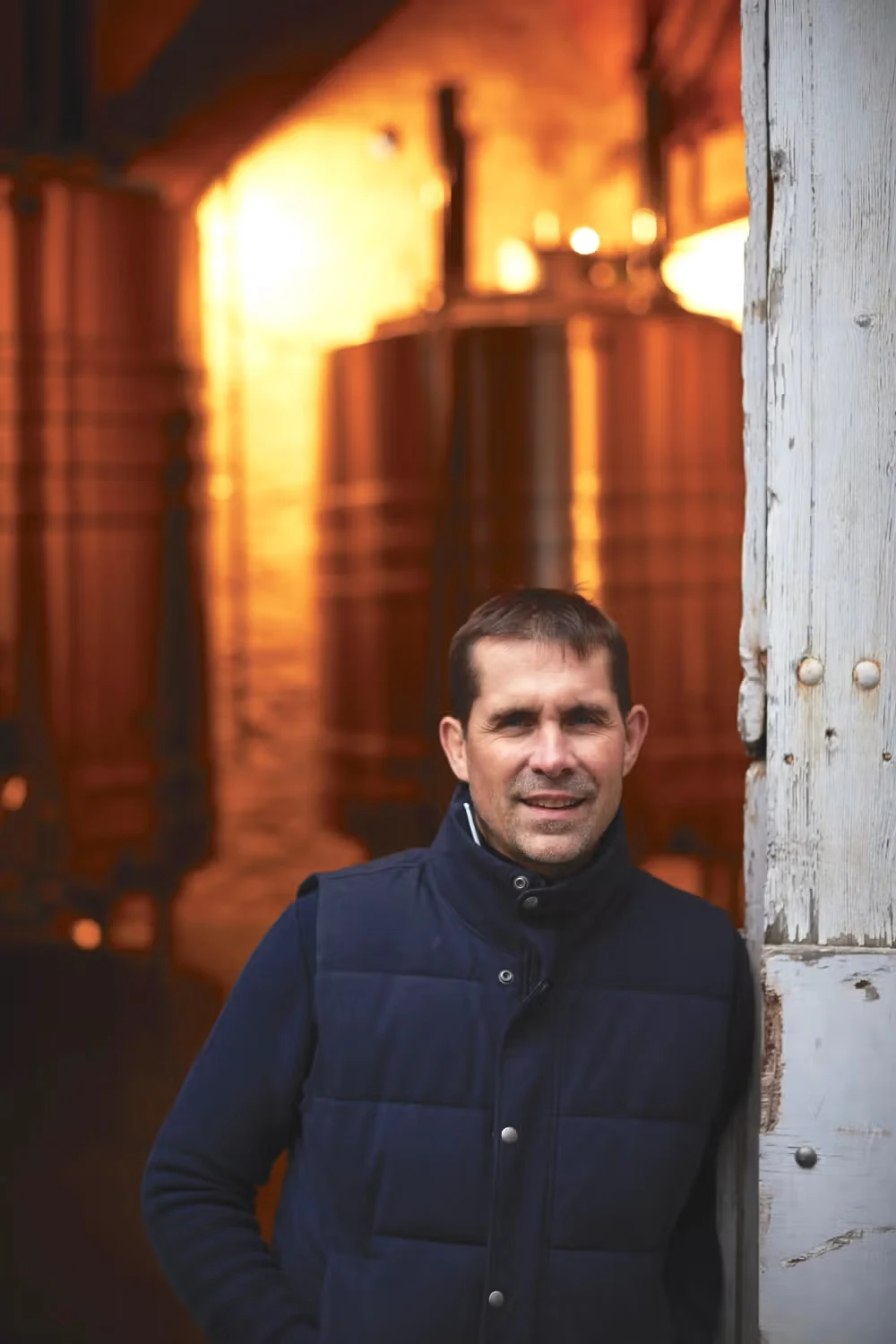
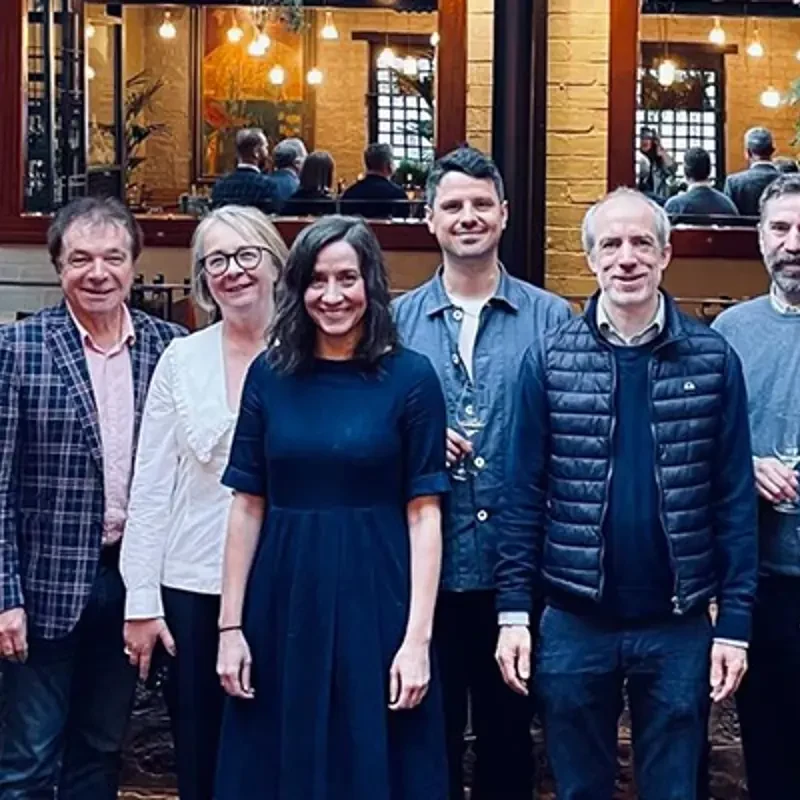
Made By profiles Franck Vacheron (Winemaker), Jean-Dominique Vacheron (Winemaker) and Jean-Laurent Vacheron (Winemaker) at Domaine Vacheron.
How expensive is Domaine Vacheron?
Domaine Vacheron is listed at a price level of $$.
The field
How it compares
| Place | Notes | Awards |
|---|---|---|
| Domaine Vacheron | Sancerre, $$ | · |
| Château de Sancerre | Sancerre | · |
| Domaine Christian Salmon | Sancerre | · |
| Domaine Fouassier | Sancerre | · |
| Domaine Henri Bourgeois | Sancerre | World's 50 Best |
| Joseph Mellot | Sancerre | · |
| Pascal Cotat | Sancerre | · |