- Falstaff Winery - 2 Stars · 2026
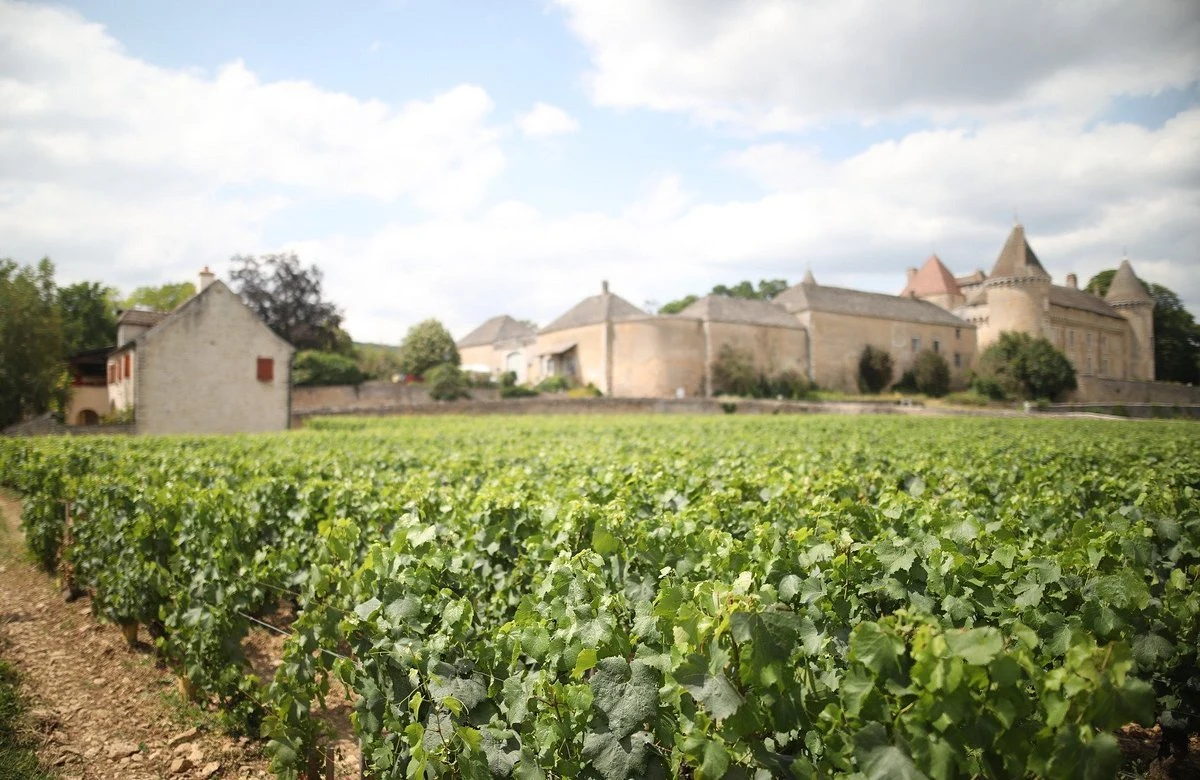
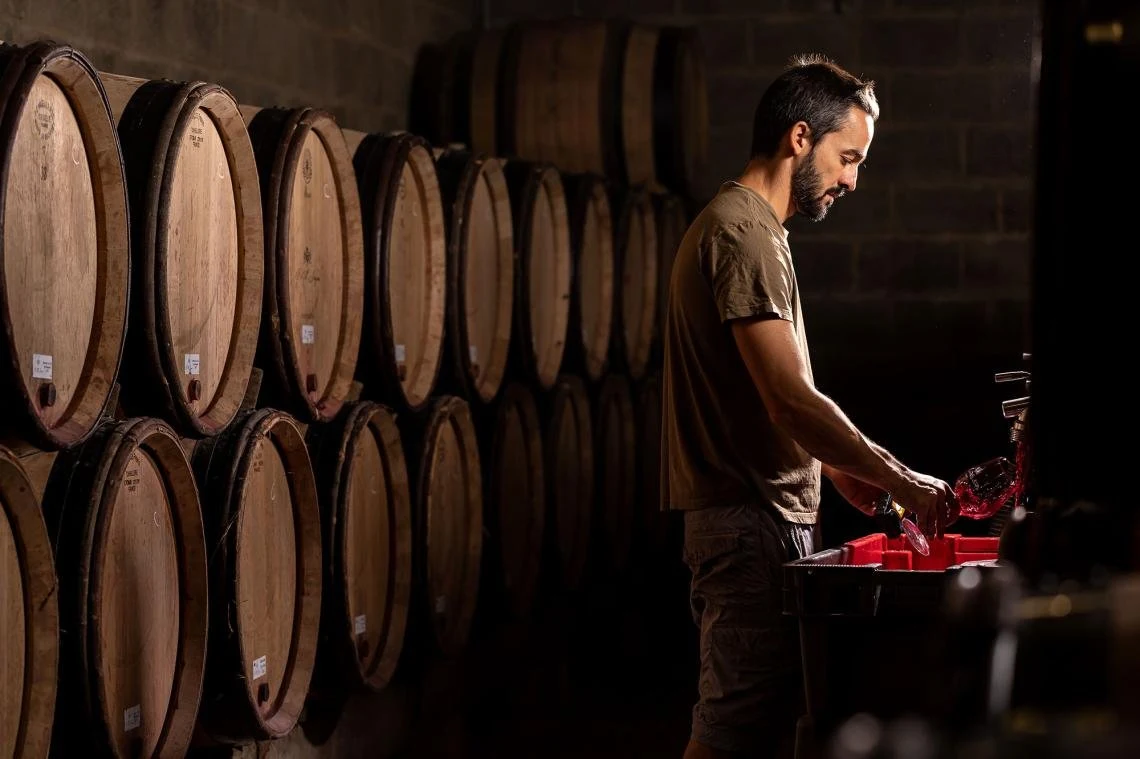
Rully’s wine country is not built around spectacle. The mood is quieter: a classic small Burgundy estate atmosphere, with the focus placed on meticulous organic vineyard work and artisanal cellar practices rather than design-driven visitor facilities. In that setting, Domaine Vincent Dureuil-Janthial is best understood as a Rully estate for drinkers who value purity, elegance, and terroir-driven wines. Its appeal comes from a sense of concentration and discipline, the kind of Burgundy character that asks for attention to detail rather than a dramatic frame around the visit.
The picture is deliberately simple: Domaine Vincent Dureuil-Janthial is in Rully, carries a $$$ price level, and presents a classic, elegant Burgundy character. Rather than leaning on grand architecture or a heavily staged hospitality identity, its appeal is grounded in careful vineyard work, cellar craft, and a restrained sense of place. That restraint is part of the story. It positions the domaine as a stop where the wine itself, and the agricultural and artisanal choices behind it, remain the central subject.
Rully through a classic Burgundy lens
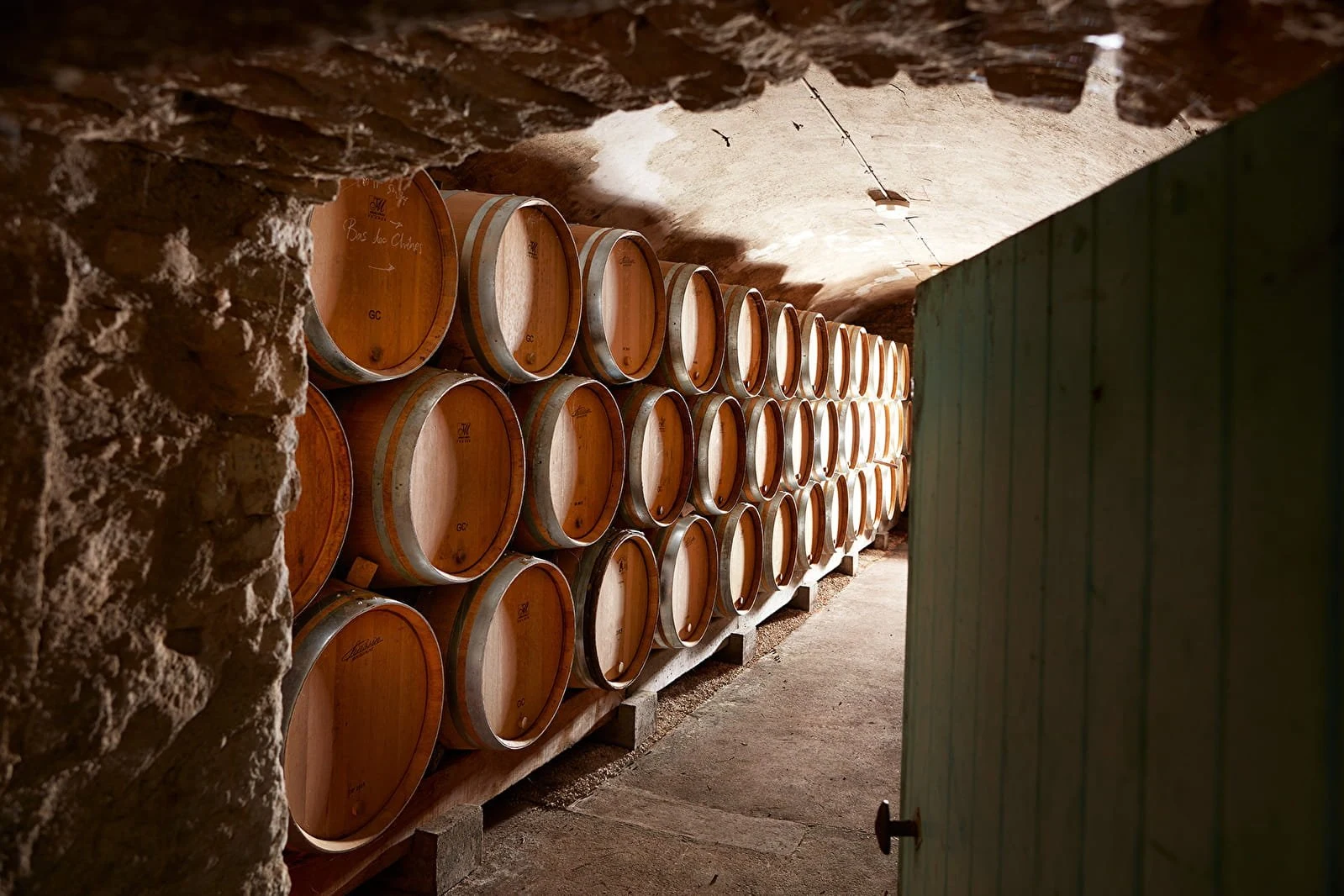
Domaine Vincent Dureuil-Janthial fits the image of a small Burgundy estate where the vineyard and cellar matter more than spectacle. The emphasis is on organic work in the vines, artisanal practices in the cellar, and wines shaped to express terroir with purity and elegance. In a region where nuance often matters more than volume or display, that kind of focus is meaningful. The estate’s identity reads as traditional in the best sense: attentive, precise, and rooted in the relationship between site, farming, and cellar interpretation.
For visitors and collectors considering Rully, that makes the estate a serious stop to understand a quieter side of Burgundy. The draw is not a design-led tasting room or a broad leisure facility; it is the sense of a focused domaine whose identity is tied to meticulous farming and classic Burgundy restraint. The experience is therefore best approached with the expectations of a wine-focused visit, not as a polished lifestyle destination. The reward lies in paying attention to the language of the wines and to the domaine’s understated way of presenting its place in Rully.
What is clear is the estate’s Rully setting and its commitment to a classic, elegant, terroir-driven Burgundy expression. That clarity matters because it gives the domaine a defined role within the local landscape: not a place trying to overwhelm the visitor, but one that reflects the quieter confidence of a small Burgundy estate.
What the portfolio says about Côte Chalonnaise ambition
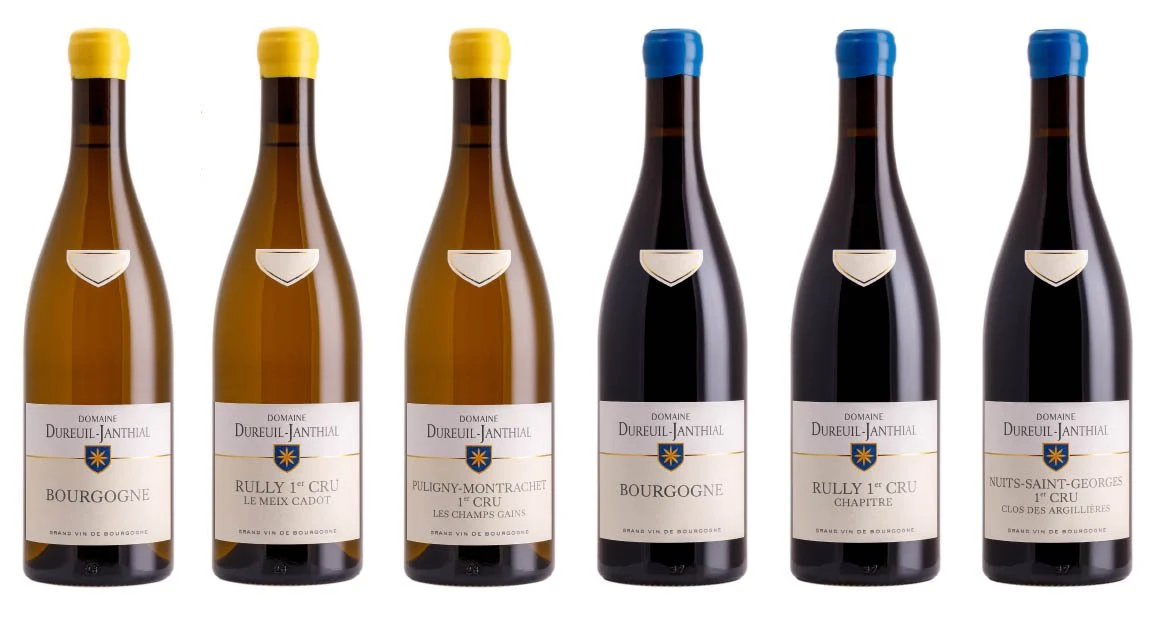
Instead, the estate should be approached through its broader, confirmed identity: a Rully Burgundy domaine focused on organic vineyard work, artisanal cellar practices, purity, elegance, and terroir. Those points are enough to frame the ambition here without needing to overstate it. The message is not about excess or spectacle, but about seriousness of purpose. Within the Côte Chalonnaise context, that kind of seriousness can be especially compelling, because it shows how much expression can come from disciplined farming and careful cellar work.
That is enough to place Domaine Vincent Dureuil-Janthial within the more serious side of a Rully itinerary. The estate’s appeal is for drinkers who want Burgundy shaped by restraint and place rather than by spectacle, branding, or decorative visitor features. It suits people who read elegance as a form of precision, and who are more interested in how a wine reflects its origins than in how loudly a venue announces itself. The $$$ price level also signals that this is not a casual afterthought in a day of touring, but a domaine to approach with intention.
For a wider Rully plan, compare Domaine Vincent Dureuil-Janthial with other local dining and wine options generically, then build the rest of the itinerary around the level of formality and focus you want. The key reason to make time here is the estate’s classic Burgundy character in Rully. If the day is meant to emphasize quiet depth, organic vineyard work, artisanal cellar practice, and a more restrained sense of Burgundy hospitality, this domaine fits that purpose clearly.
Who should make time for this kind of Burgundy
This is a better fit for drinkers who are drawn to a quiet, small-estate Burgundy atmosphere. The setting is best described as classic and elegant, with attention directed toward organic vineyard work and artisanal cellar practice rather than a design-forward visitor experience. It will resonate most with visitors who are comfortable letting subtlety carry the experience, and who do not need a venue to be built around visual drama in order to feel memorable.
The broader lesson is useful for anyone exploring Rully: some of the most compelling Burgundy experiences are not built around showmanship. Domaine Vincent Dureuil-Janthial belongs to that quieter category, where the point is not to dazzle immediately but to give a clearer view of place, craft, and restraint. For the right drinker, that can be exactly what makes the stop feel worthwhile.
Questions
Frequently asked
Who works at Domaine Vincent Dureuil-Janthial?
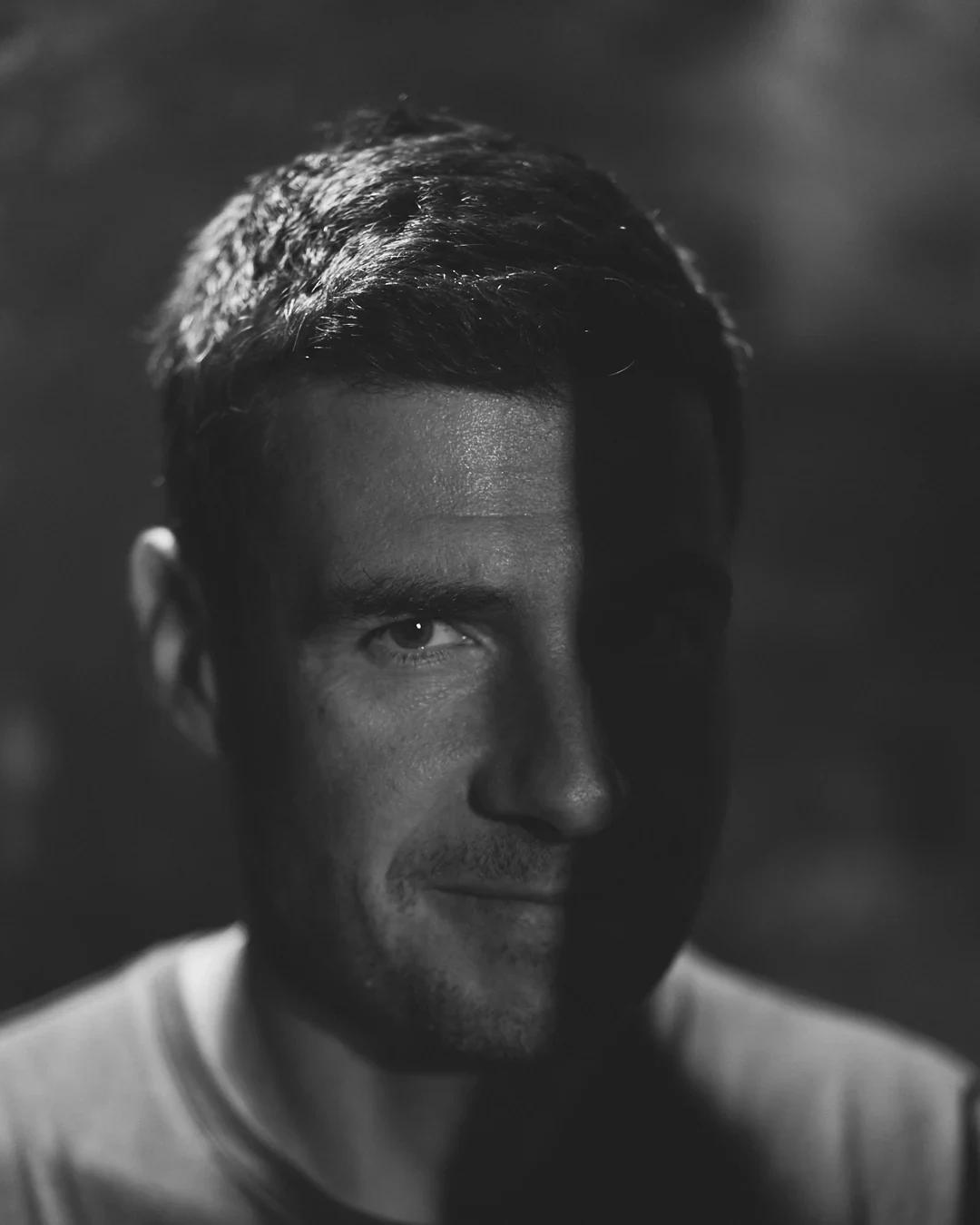
Made By profiles Vincent Dureuil (Winemaker) at Domaine Vincent Dureuil-Janthial.
How expensive is Domaine Vincent Dureuil-Janthial?
Domaine Vincent Dureuil-Janthial is listed at a price level of $$$.
The field
How it compares
| Place | Notes |
|---|---|
| Domaine Vincent Dureuil-Janthial | Côte Chalonnaise, $$$ |
| André Delorme | Rully |
| Château Palmer | Margaux |
| Domaine Dureuil-Janthial | Rully |
| Domaine Michel Briday | Rully |
| Domaine P. & M. Jacqueson | Rully |
| Vitteaut-Alberti | Rully |