- Falstaff Winery - 5 Stars · 2026
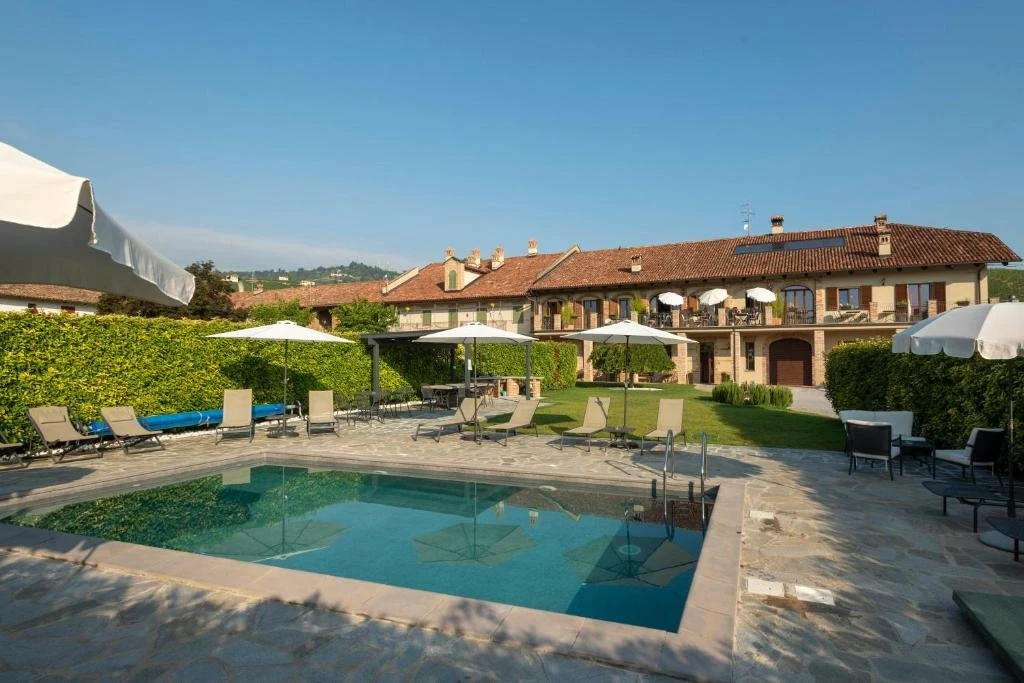
Elio Altare has a quietly classic setting in La Morra: a traditional hillside winery with vineyards, a working cellar, and an atmosphere that feels agricultural before it feels theatrical. The picture is of a family-run Barolo estate focused on elegance, finesse, and balance rather than spectacle. In practical terms, that means the estate is best approached not as a stage set or a destination built around display, but as a place where the surrounding hills, cellar activity, and vineyard presence do much of the talking.
For travelers, the appeal is the estate context itself. It offers a way to read La Morra through the physical language of wine: slopes, vines, cellar, family continuity, and the restrained confidence of a Barolo address that does not need to over-explain itself.
La Morra Barolo through a modern lens
The land does much of the editorial work here. Elio Altare’s hillside winery setting in La Morra gives the estate a clear sense of place. The emphasis is stylistic rather than technical: elegance, finesse, and balance. Those words matter because they frame the experience in terms of proportion and poise, rather than sheer intensity or showmanship. The estate’s identity, as presented here, sits in the relationship between a traditional winery environment and a Barolo style understood through refinement.
Because the available data is limited, this guide does not assert specific vineyard holdings, bottle counts, grape lists, scores, or cellar techniques. What can be said with confidence is that Elio Altare presents itself as a family-run Barolo estate with a traditional winery atmosphere and a working cellar. That narrower description is more useful than an inflated one, especially for travelers who are trying to distinguish between what is known, what is implied by setting, and what would require direct confirmation from the estate.
That makes it a useful stop for travelers who want to understand La Morra through a wine-estate setting rather than through a restaurant or retail experience. The focus should remain on the estate’s Barolo identity, the hillside context, and the quietly classic character of the place. It is the kind of address where the broader lesson is not only about wine in the glass, but about how a Barolo estate can communicate through restraint, landscape, and continuity.
What the cellar says about Barolo
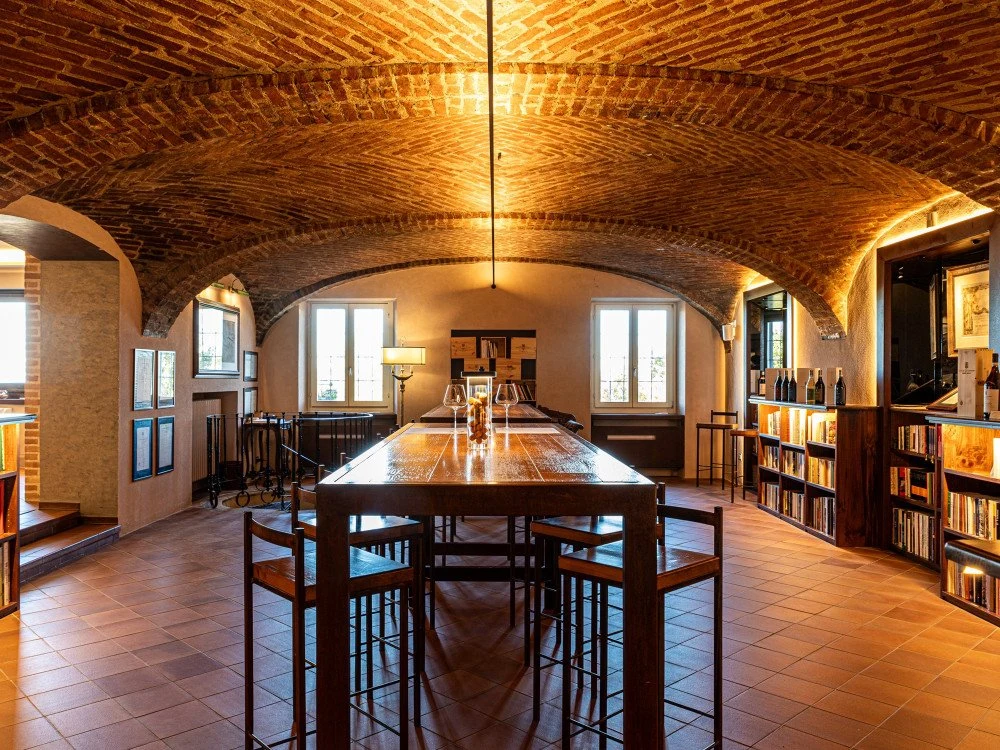
For Elio Altare, the information supports a careful statement: this is a Barolo estate associated with elegance, finesse, and balance, set in a working cellar and vineyard environment in La Morra. The cellar matters in that description because it shifts the experience away from abstraction. Barolo can be discussed in broad regional terms, but here the point is more grounded: a visitor is encountering a family-run estate in its own hillside context, with the working side of wine still part of the atmosphere.
Without confirmed details on founding dates, winemaking personnel, farming methods, or production choices, it would be misleading to build the page around those specifics. The grounded way to read Elio Altare is through its family-run estate character, its hillside winery setting, and its place in the La Morra Barolo landscape. That approach keeps the page aligned with what is actually supported, while still allowing room for the estate’s personality to come through. Elegance, finesse, and balance are not treated here as technical conclusions; they are the clearest available descriptors of the estate’s public-facing identity.
For travelers building a La Morra itinerary, this is a winery to understand in context. Other dining, lodging, bar, and experience planning in La Morra should be checked separately against current official information. The estate can anchor a wine-focused stop, but the surrounding logistics should be handled with the same care as the wine research: confirmed directly, kept current, and not assumed from general reputation alone.
How to place it within an Italian wine trip
La Morra rewards travelers who pay attention to small differences in setting, style, and atmosphere across local wine estates. Elio Altare’s identity is specific enough to stand on its own: a family-run Barolo estate in La Morra, with a traditional hillside winery, working cellar, vineyards, and an emphasis on elegance, finesse, and balance. In a region where the details of place are central to the experience, that combination gives travelers a clear framework for understanding what kind of stop this is.
Within a broader Italian wine trip, Elio Altare is most compelling as a La Morra reference point rather than as a checklist of claims. Read it through place, family estate atmosphere, and Barolo character: a quietly classic stop in one of Piedmont’s wine villages. Its value in an itinerary comes from that clarity. It helps situate La Morra as more than a name on a map, showing how a hillside winery, a working cellar, and a restrained stylistic identity can together form a meaningful expression of Barolo country.
Questions
Frequently asked
Who works at Elio Altare?
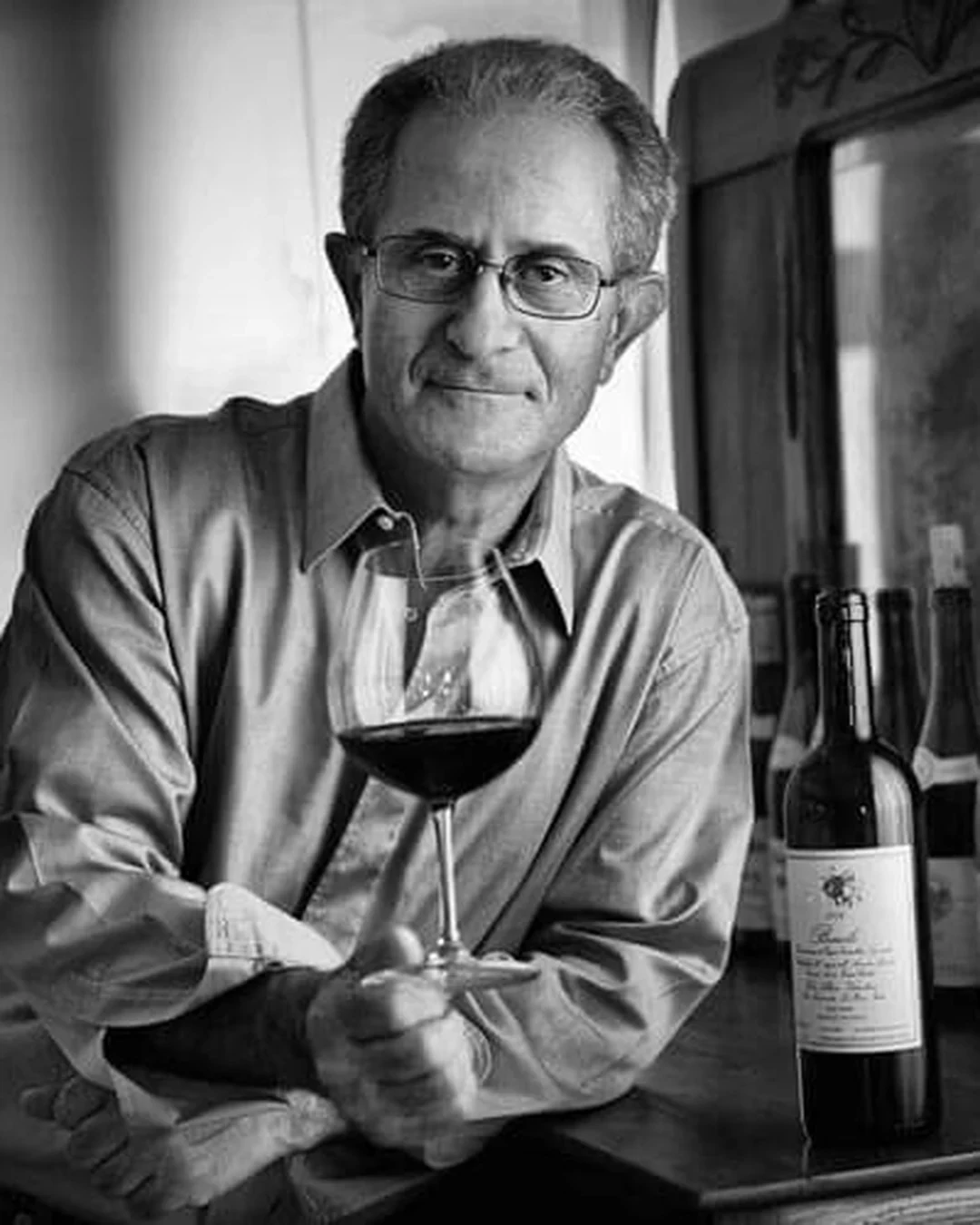
Made By profiles Elio Altare (Winemaker) at Elio Altare.
How expensive is Elio Altare?
Elio Altare is listed at a price level of $$$.
The field
How it compares
| Place | Notes |
|---|---|
| Elio Altare | Frazione Annunziata, $$$ |
| Cascina Rocca – Franco Molino | La Morra |
| Negretti | La Morra |
| Oddero | La Morra |
| Poderi Gianni Gagliardo | La Morra |
| Rocche Costamagna | La Morra |
| Trediberri | La Morra |