
- Falstaff Winery - Listed · 2026
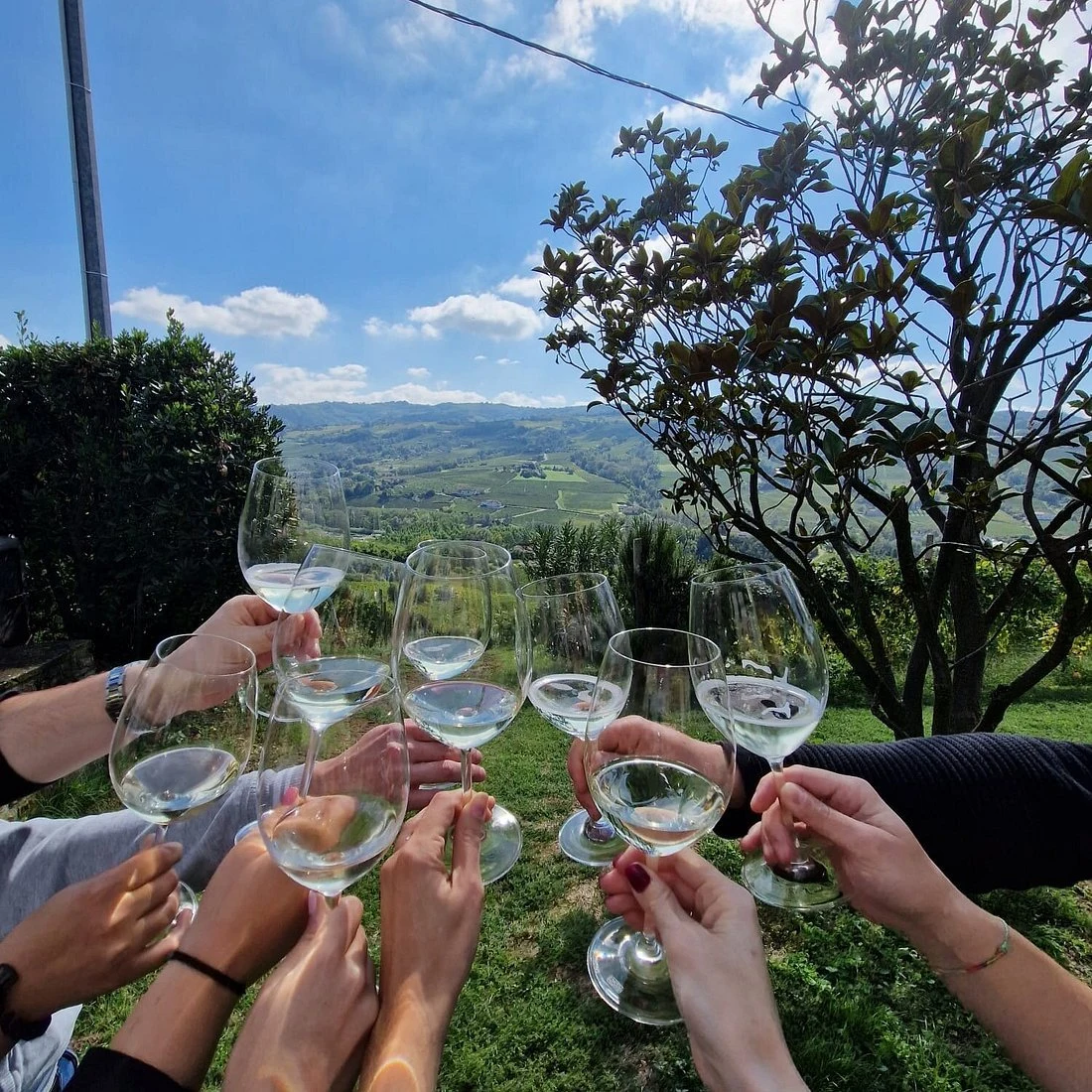
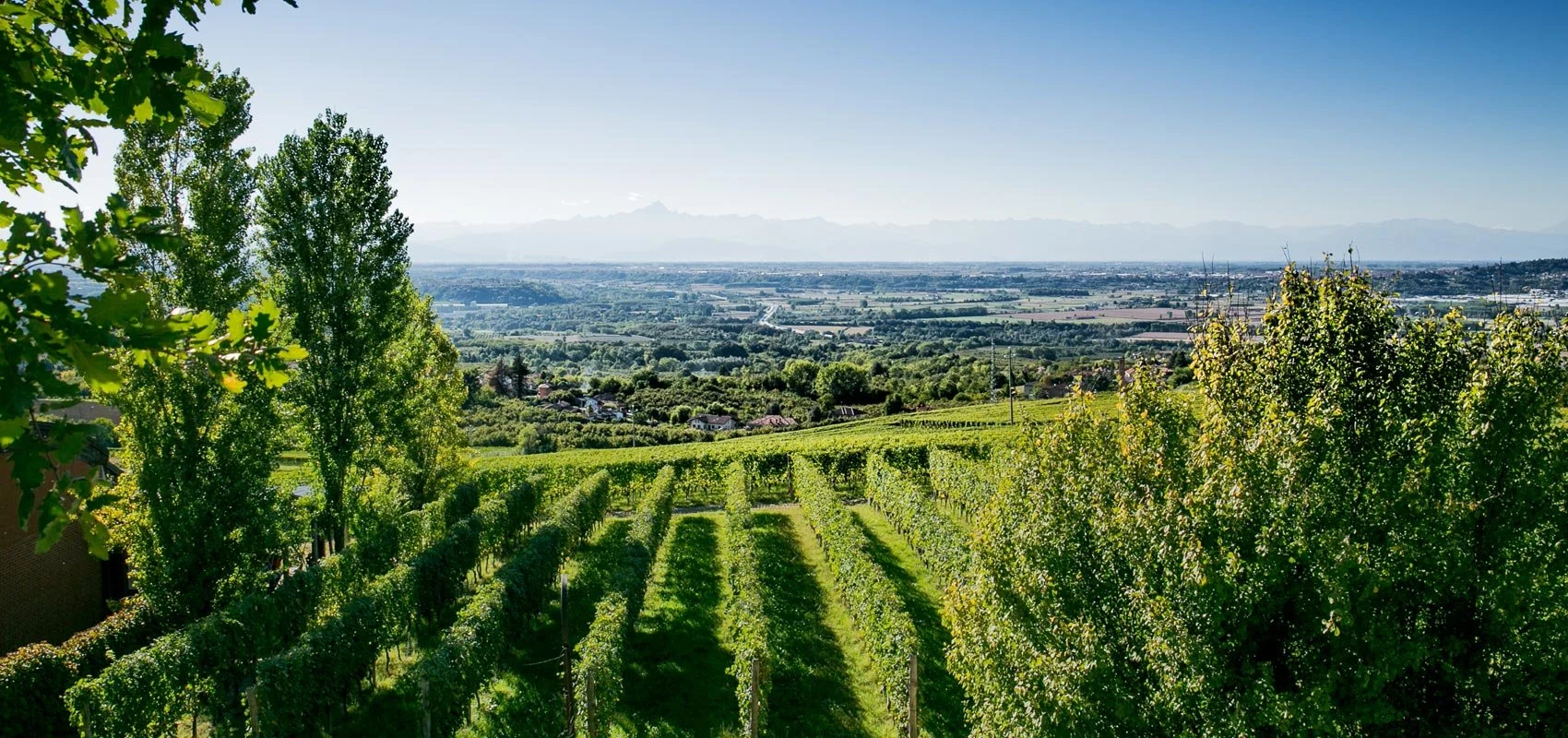
Approaching this part of the hills, the first argument is visual rather than verbal: vineyard ridges, hill-country atmosphere, and the long weather line toward the Alps. In Santo Stefano Belbo, Emanuele Gambino is best understood through its setting as much as through any single label: a small, niche organic winery and wine relais set among the UNESCO-listed Langhe and Monferrato hills. Before any discussion of format, the venue reads as part of its terrain, with the surrounding countryside shaping the mood of arrival and giving the experience its immediate frame.
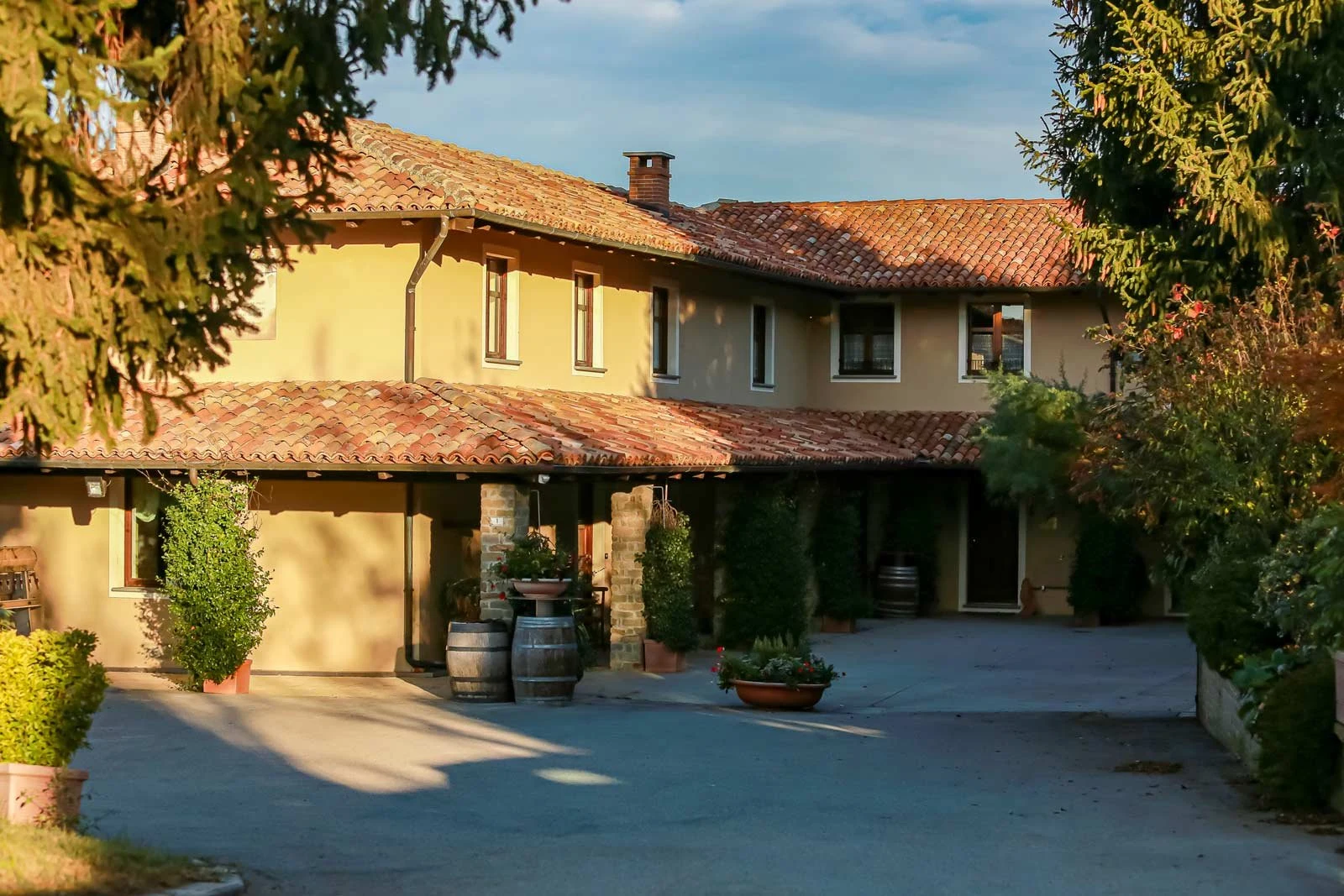
The stronger reading here is atmosphere rather than scale. This is not presented as a grand, high-traffic wine destination; it is a countryside address built around renovated farmhouses, vineyard views and a quieter rural rhythm. The appeal is the combination of organic winery character, a relais format and a landscape that keeps the visit close to the hills rather than separating hospitality from the agricultural setting. That closeness matters: the place is not described as a detached resort with vineyard scenery added afterward, but as a rural wine-country address whose hospitality is rooted in the same visual and agricultural context.
Organic wine country, read through place rather than claims
Emanuele Gambino sits in Santo Stefano Belbo, where the surrounding hills are central to the experience. The case for the venue rests on its small, niche organic identity, its position in the Langhe and Monferrato landscape, and the sense of authenticity that comes from a rural winery setting rather than a heavily staged tasting-room model. In editorial terms, the important detail is not volume or spectacle, but proportion: the winery identity, farmhouse setting and hill views are all part of one modest, coherent countryside picture.
Because detailed public claims about specific grapes, cuvées, production figures or cellar methods are not part of the public record here, the safest way to read the venue is through what is known: an organic winery and wine relais with a quiet countryside atmosphere. For travelers, that means the visit should be approached as a place-led wine-country stop, not as a page built around technical specifications. The absence of those granular claims actually clarifies the angle: this is best evaluated through setting, mood and overall fit within a Langhe and Monferrato journey.
The setting does a large share of the work. Panoramic vineyard views and sunsets toward the Alps give the property a strong visual identity, while the renovated farmhouse context keeps the tone rural and intimate. The price level is listed as $$$, placing it in a premium bracket without requiring unsupported claims about menus, tasting formats or service inclusions. That premium signal should be read carefully and simply: it suggests a refined positioning, while the main confirmed strengths remain the landscape, organic winery character and quiet relais atmosphere.
A relais format that turns wine country into a longer read
The wine relais element changes the rhythm of the visit. Rather than treating Emanuele Gambino only as a quick countryside stop, the description points to a place where a relais and winery context sit together in the same rural frame. That makes the surrounding landscape part of the appeal: vineyard views, quiet air, and the slower pace of Santo Stefano Belbo. A relais format encourages a more unhurried reading of the place, allowing the hills, farmhouses and wine-country setting to register over time instead of being reduced to a single tasting-room impression.
What is known is deliberately simple: this is a small organic winery and wine relais in renovated farmhouses, set among UNESCO-listed hills with a calm countryside atmosphere. That simplicity is useful for expectations. The venue is most clearly framed as a rural hospitality address with wine at its center, not as a destination whose value depends on a long checklist of public technical details.
For readers building a broader Santo Stefano Belbo itinerary, the comparison should stay general: look at other local dining, lodging or wine-country options by atmosphere, setting and convenience rather than by unsupported rankings or named rivals. Emanuele Gambino’s clear distinction is its combination of organic winery identity, relais hospitality and panoramic vineyard scenery. It belongs in the plan when the desired pace is quiet and landscape-led, and when the appeal of staying close to the vines is more important than seeking a heavily programmed or urban-style experience.
Where it sits in a wider wine-travel itinerary
Within a wine-travel plan, Emanuele Gambino belongs to the small rural winery-and-relais category. Its draw is not a confirmed award list, a published score, or a highly specified service format; it is the grounded combination of Santo Stefano Belbo location, organic winery character, renovated farmhouse setting and views across the Langhe and Monferrato hills. In that sense, it works as a quieter counterpoint within a wider itinerary, offering a countryside base or stop where the surrounding hills are not background decoration but the principal reason to linger.
The editorial case is direct: consider it for a quiet countryside stay or wine-country visit where the landscape is central. The strengths are authenticity, rural calm, vineyard panoramas and the premium feel implied by its $$$ positioning.
Questions
Frequently asked
Who works at Emanuele Gambino?
Made By profiles Emanuele Gambino (Winemaker) at Emanuele Gambino.
How expensive is Emanuele Gambino?
Emanuele Gambino is listed at a price level of $$$.
The field
How it compares
| Place | Notes |
|---|---|
| Emanuele Gambino | San Martino, Costigliole d’Asti, $$$ |
| Beppe Marino | Santo Stefano Belbo |
| Bosio Family Estates | Santo Stefano Belbo |
| Ca' D'Gal | Santo Stefano Belbo |
| Fabrizio Ferrero | Santo Stefano Belbo |
| Marcalberto | Santo Stefano Belbo |
| Tenuta il Falchetto | Santo Stefano Belbo |