- Falstaff Winery - Listed · 2026
Entre-Deux-Monts is a Heuvelland venue set amid rolling hills and vineyards, with a calm rural atmosphere rather than a showy hospitality script. The appeal is direct and easy to understand: a modern, professional tasting and shop environment focused on guided educational visits and relaxed tastings. It reads less like a venue trying to overwhelm visitors and more like a countryside stop that lets the landscape, the vineyards, and the guided format do the work.
For broader planning around the area, start with Our full Heuvelland wineries guide, then widen the trip through Our full Heuvelland restaurants guide, Our full Heuvelland hotels guide, Our full Heuvelland bars guide, and Our full Heuvelland experiences guide. Entre-Deux-Monts fits most naturally into that wider planning as a measured, scenic tasting stop: useful on its own, but even stronger when placed within a slower Heuvelland day built around hills, vineyard views, and unhurried movement between venues.
Heuvelland's hills make the case for a scenic tasting stop
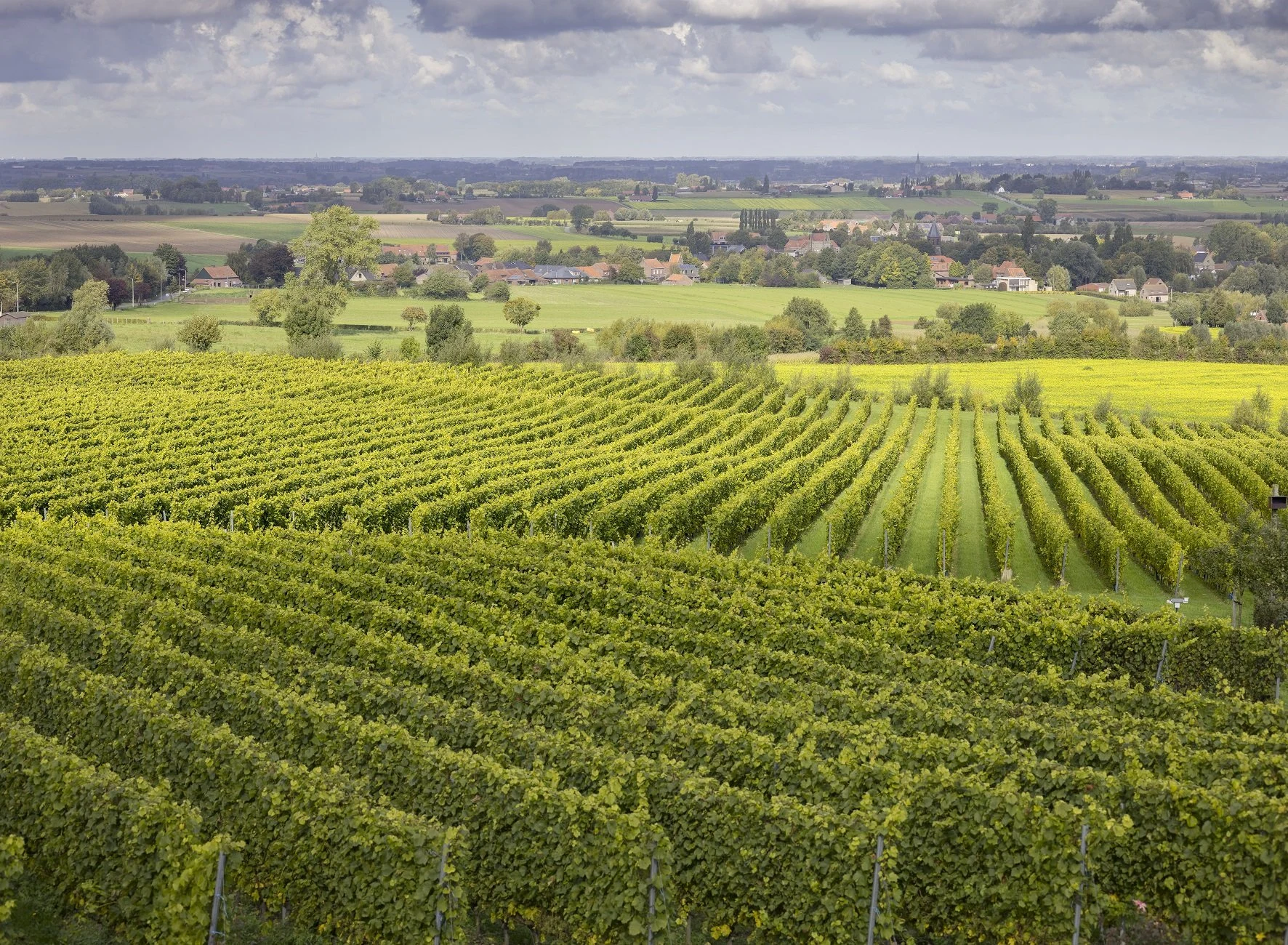
The strongest context for Entre-Deux-Monts is its setting. Heuvelland’s rolling hills and vineyards give the visit a scenic, rustic, and quiet backdrop, making it a natural fit for travelers who want a slower countryside stop. The landscape matters here because it frames the whole experience before the tasting even begins: this is not an urban tasting room detached from its surroundings, but a venue whose appeal is tied to being in the hills and among vineyards.
The experience is best described as guided and educational, with tastings presented in a relaxed way. That combination is important. “Guided” gives the visit shape, while “relaxed” keeps it from feeling formal or overproduced. For visitors who like to understand where they are, what they are tasting, and how the venue fits into its rural context, the format provides enough structure without changing the essential mood of the stop.
That restraint is part of the honest read. Entre-Deux-Monts should not be oversold with technical details; its confirmed strengths are atmosphere, setting, and a guided tasting environment in Heuvelland. The ideal way to approach it is to value what is clearly present: a quiet countryside backdrop, a professional venue, and a tasting experience shaped by guidance rather than spectacle.
A guided format built for context, not just pours
The hospitality model centers on guided educational visits and relaxed tastings. That makes Entre-Deux-Monts especially useful for visitors who want some structure rather than simply dropping into a shop or tasting setting without context. The guidance gives the visit a clearer rhythm, helping the tasting feel connected to the place instead of becoming only a sequence of pours.
The room and shop are described as modern and professional, while the broader mood remains rural, quiet, and scenic. That contrast is part of the venue’s balance: the setting supplies the rustic countryside feeling, while the tasting-and-shop environment gives visitors a polished and organized point of contact. It can work well for a romantic stop, a hidden-gem detour, or a calm countryside visit built around vineyards and tasting.
For couples, the appeal is in the softness of the setting rather than in any grand performance. For travelers looking for a hidden-gem detour, the draw is the sense of being in a quieter Heuvelland landscape with a defined tasting purpose. For anyone building a countryside day, the venue offers a useful middle ground: not merely a view, not merely a shop, but a guided tasting environment that sits comfortably between the two.
How to read it within a Heuvelland itinerary
Entre-Deux-Monts is most persuasive when treated as a Heuvelland tasting stop with a strong sense of place. The confirmed draw is the combination of rolling hills, vineyards, a professional shop-and-tasting setting, and guided educational visits. Those are direct strengths, and they give the venue a clear role within a wider route through the area.
Travelers building a wider itinerary can compare Entre-Deux-Monts with other dining and tasting options in Heuvelland generically, while keeping this venue’s role clear: it is a calm, scenic stop focused on relaxed tastings rather than a heavily documented fine-dining or award-driven destination. That distinction helps set the right expectations. This is not the place to approach through claims of grandeur or excessive detail; it is better understood through atmosphere, setting, and the simple value of being guided through a tasting in a rural vineyard context.
The editorial case is simple: come for a grounded Heuvelland experience, a quiet rural setting, and a guided introduction to the venue’s tasting environment. Pricing is listed at $21 per person. Read on those terms, Entre-Deux-Monts is a composed and useful addition to a Heuvelland plan, especially for visitors who want the landscape to matter as much as the tasting itself.
Questions
Frequently asked
Who works at Entre-Deux-Monts?
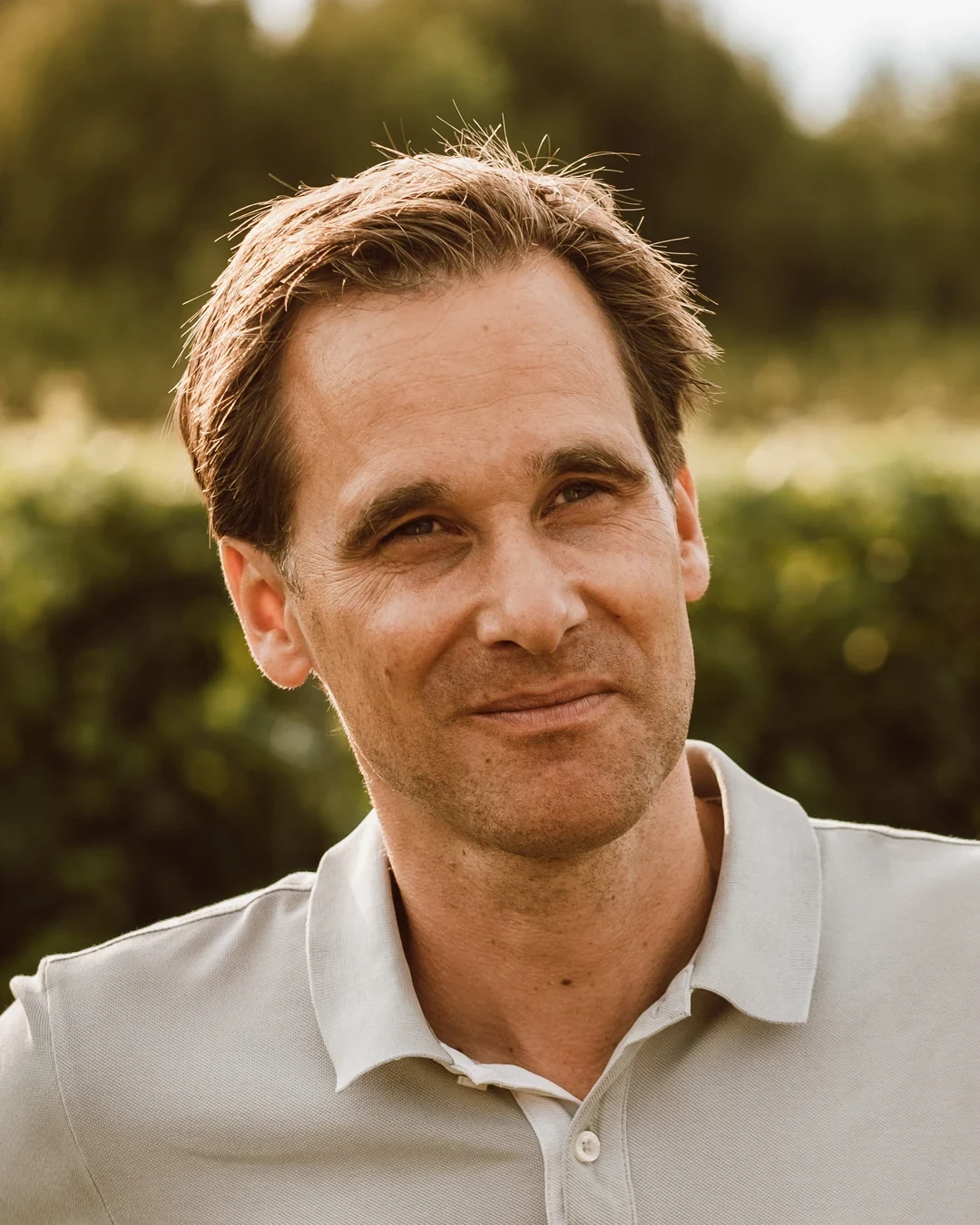
Made By profiles Martin Bacquaert (Winemaker) at Entre-Deux-Monts.
How expensive is Entre-Deux-Monts?
Entre-Deux-Monts is listed at a price level of $$.
The field
How it compares
| Place | Notes | Awards |
|---|---|---|
| Entre-Deux-Monts | Westouter, $$ | · |
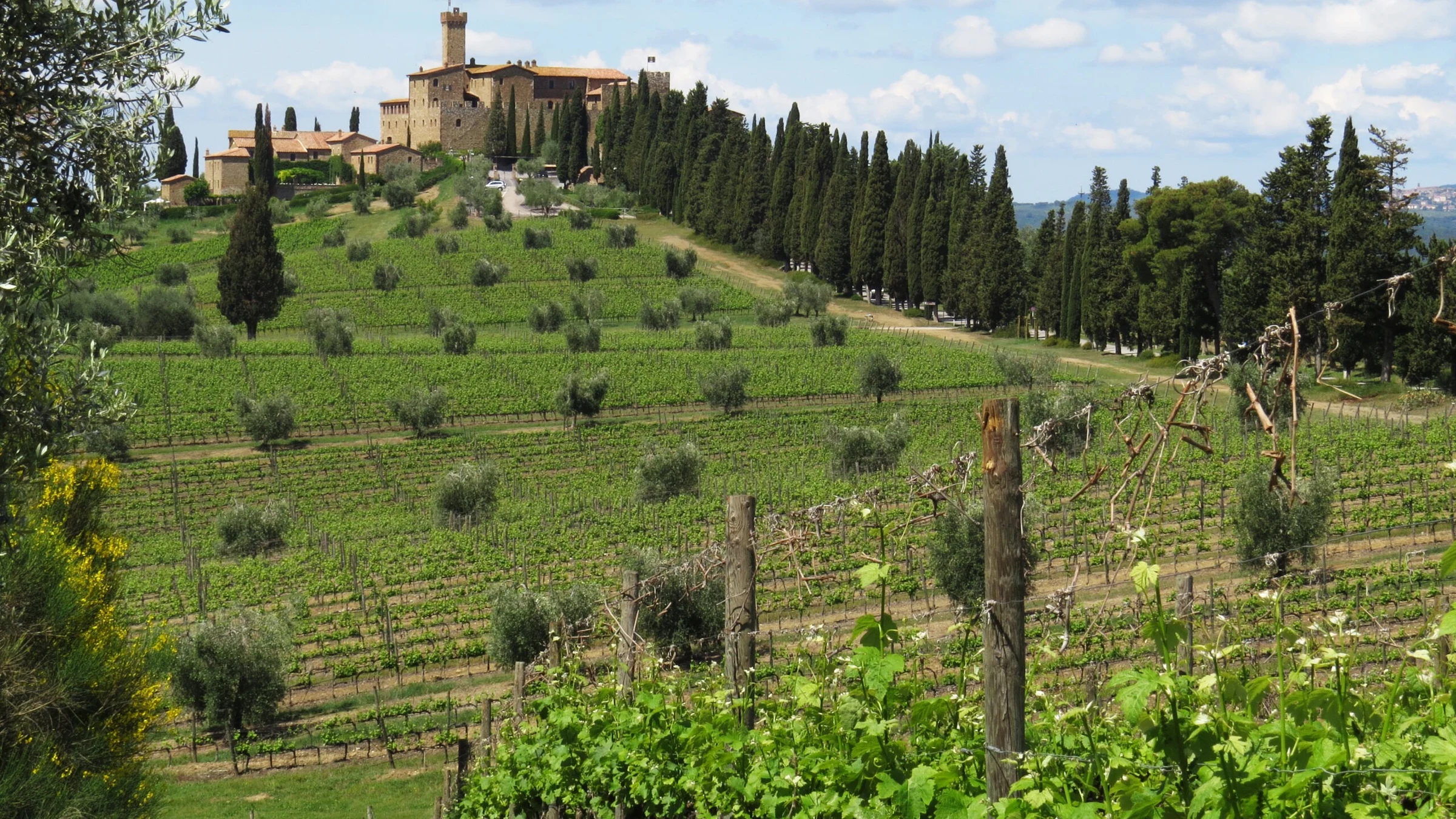
| Castello Banfi | Montalcino | World's 50 Best |
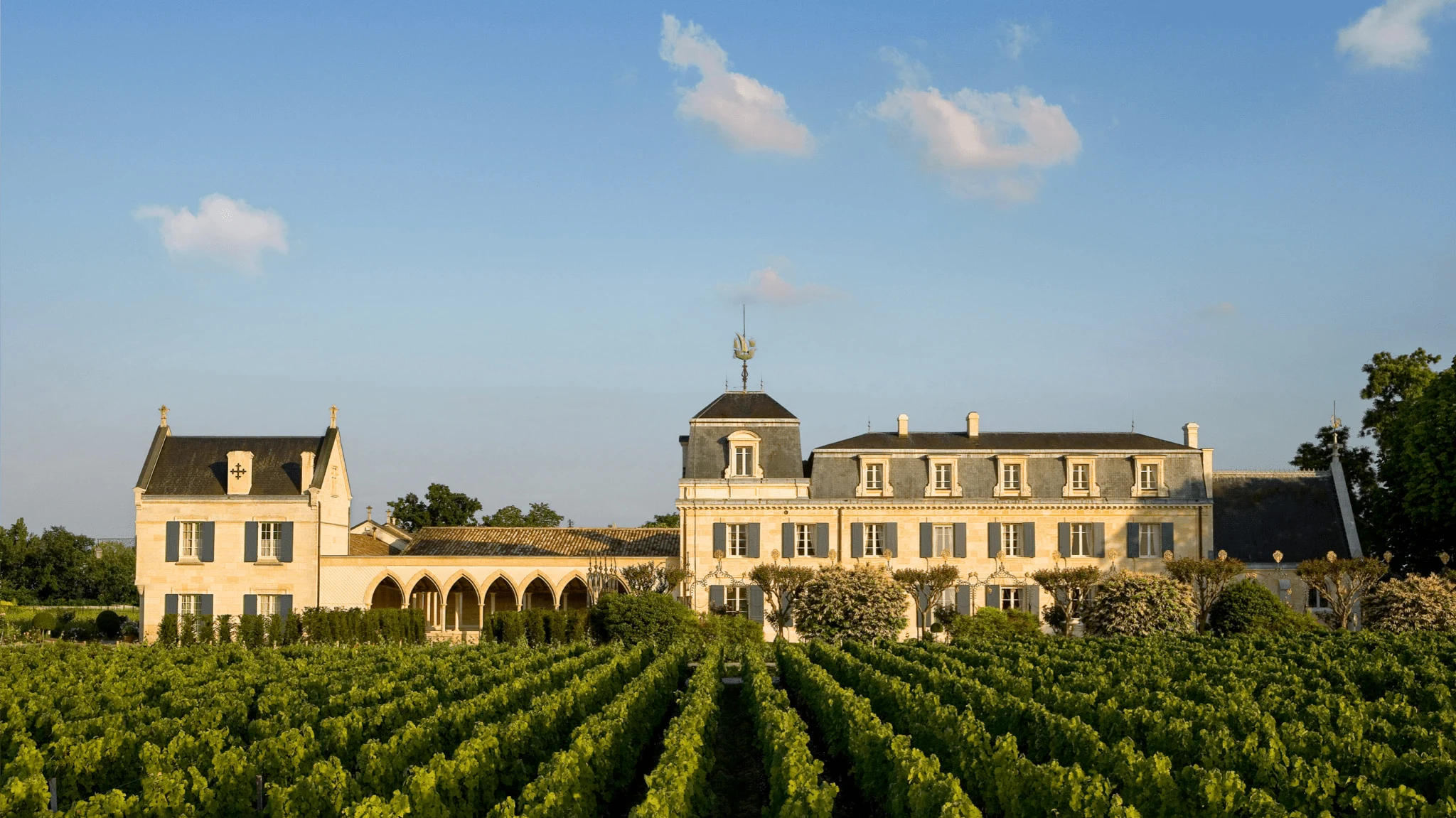
| Château La Mission Haut-Brion | Talence | · |
| Château Rieussec | Fargues | · |
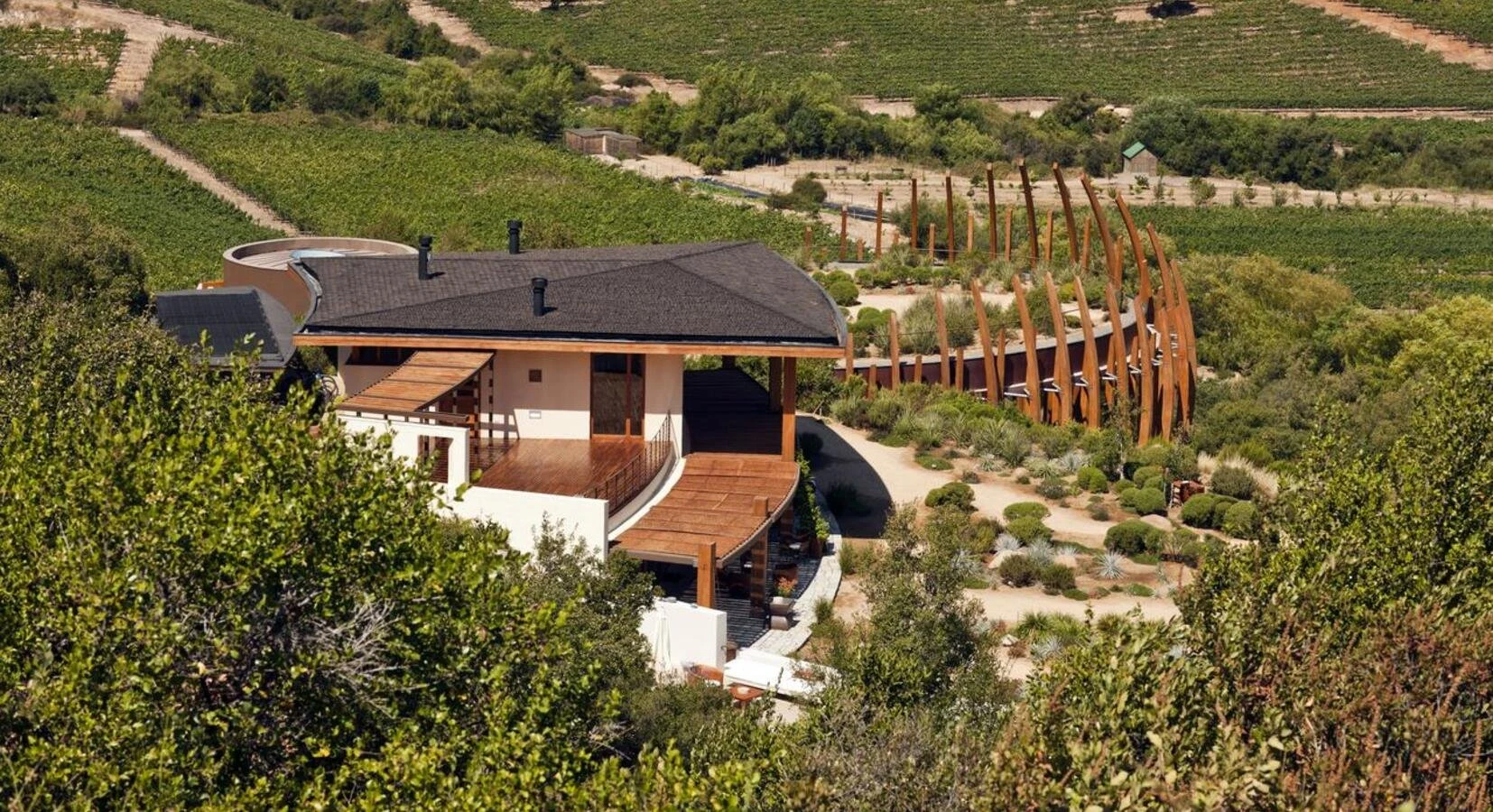
| Clos Apalta (Casa Lapostolle) | Santa Cruz | World's 50 Best |
| Domaine Bruno Clair | Marsannay-la-Côte | · |
| Domaine Faiveley | Nuits-Saint-Georges | World's 50 Best |