Éric Collinet, winemaker at Eric Collinet in Bragelogne Beauvoir, farms 2.25 biodynamic hectares in the Côte des Bar.
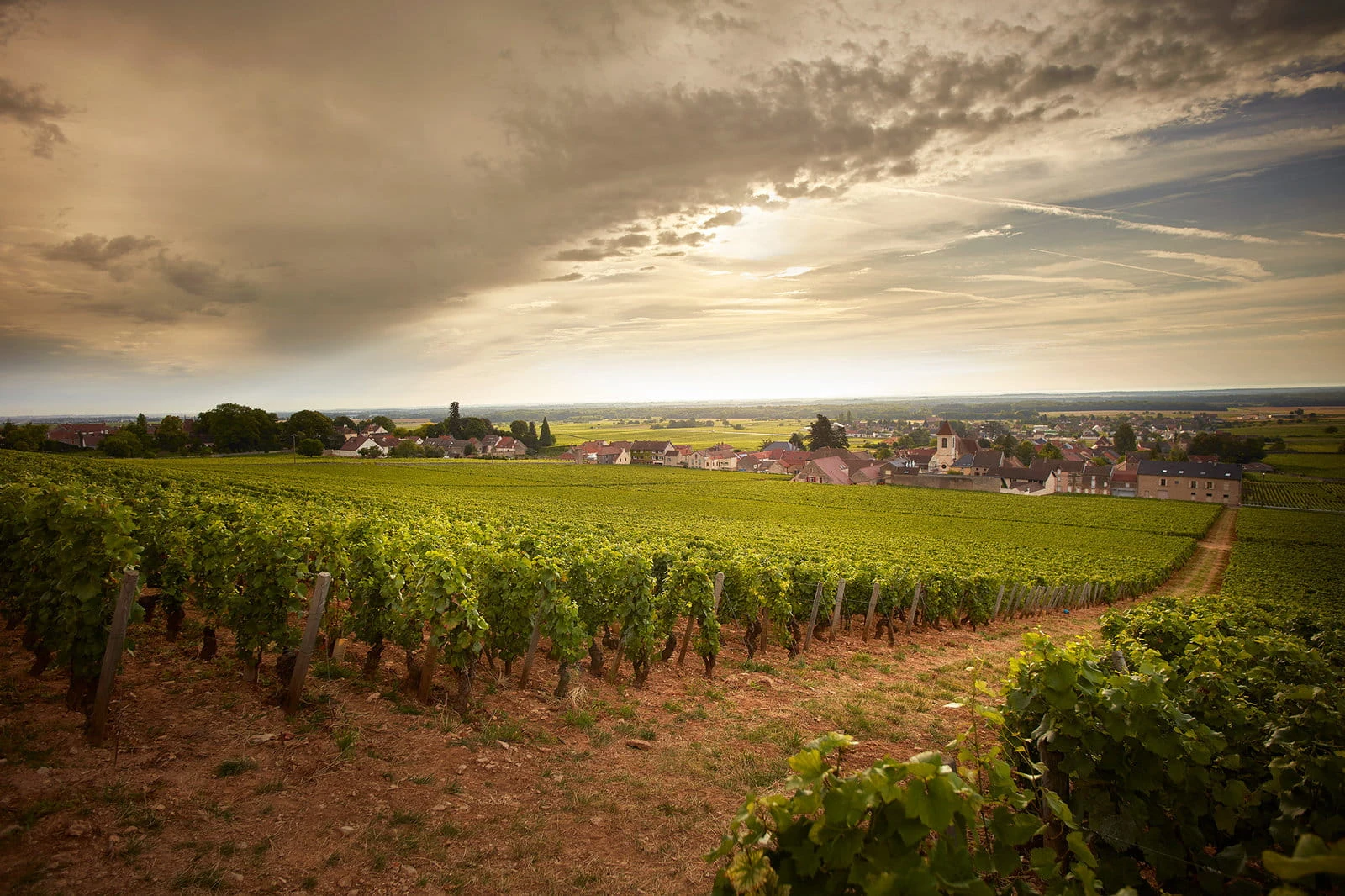
The parcels sit on south-south-east slopes; Éric Collinet, winemaker at Eric Collinet in Bragelogne Beauvoir, works them as vineyard first, cellar second. He has been the winegrower and Champagne producer here since 1987, after coming to Bragelogne-Beauvoir from the Limousin with Martine Collinet and taking on an existing Champagne exploitation in the southern Aube. The house is small by design: 2.25 hectares of vines in the Côte des Bar, all certified organic and farmed biodynamically, with Champagne AOC fruit shaped by the chalky, calcareous hillsides around the Canton des Riceys. Collinet’s own words are plain about the discipline: “My daily work respects the rhythm of nature and the seasons.” That sentence fits the place. The estate does not read as a showpiece; it reads as a farm, with vines, arboriculture, autumn truffles, and agroforestry all held in the same field of attention.
The method here begins in the ground. The vines grow on Kimmmeridgian argilo-calcareous soils, with a layer from the Upper Jurassic contributing the mineral, saline line associated with the wines. Pinot Noir carries most of the planting at 83%, with Chardonnay at 17%; small amounts of Pinot Blanc and Pinot Meunier may complete the assemblage. The average vine age is thirty-three years. Chardonnay parcels reach inclines up to 35%, so pruning and harvest ask for time on the tools rather than distance from them. Collinet uses Guyot and Cordon de Royat training, and the harvest is manual. Organic certification was registered on April 2, 2011, with the first certified organic harvest in 2014. In 2018, he planted trees within the vine parcels, making agroforestry part of the estate’s answer to ecological and climatic pressure. Vinification remains with the local cooperative, a Côte des Bar model that lets Collinet keep his hands on cultivation while a shared cellar team handles the Champagne method. For Temporis Extra Brut, the blend is 98% Pinot Noir and 2% Chardonnay, with manual riddling before disgorgement.
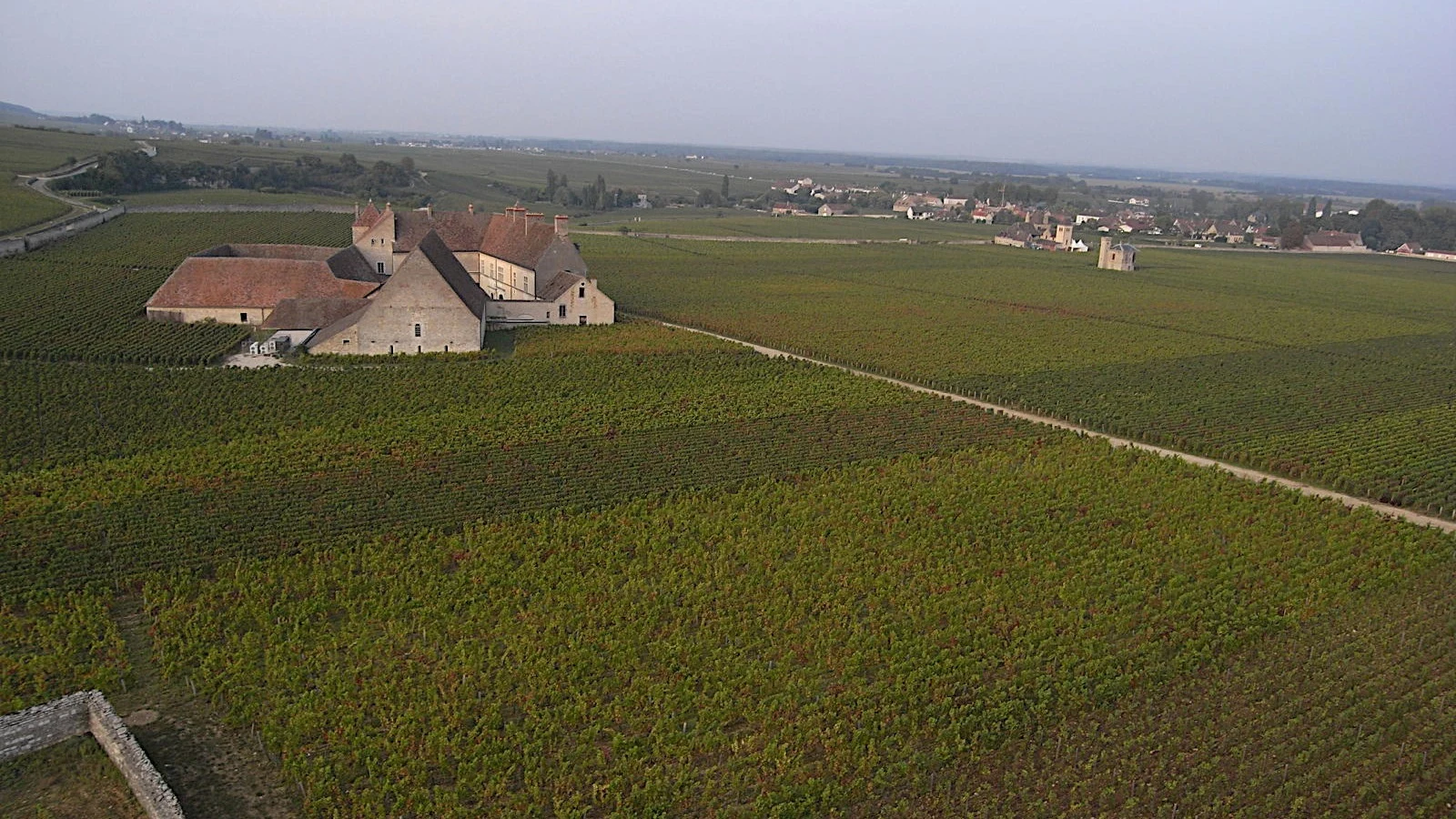
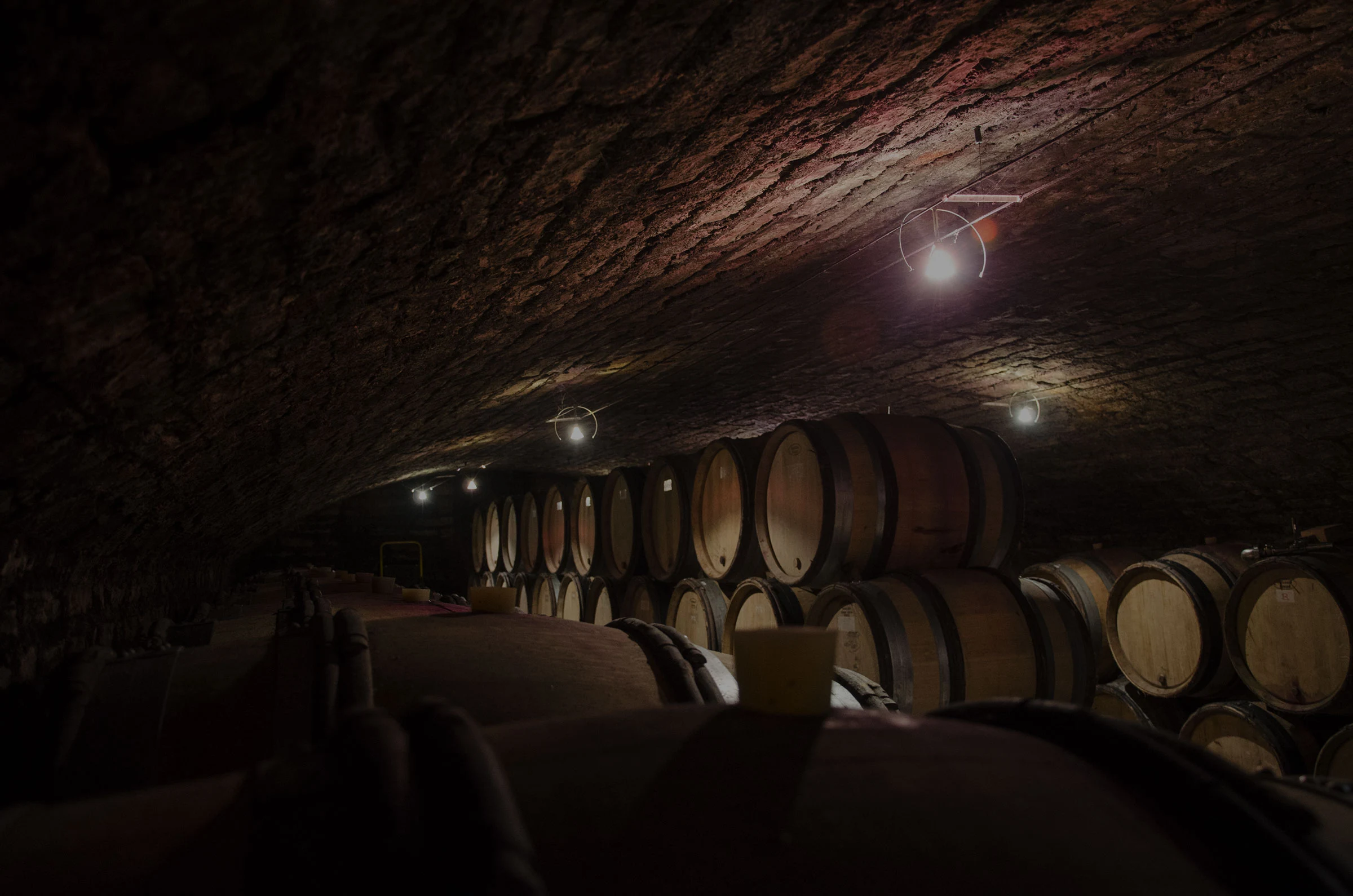
Because the vinification happens through the local cooperative, the most vivid part of the estate is not a private labyrinth of tanks but the vineyard and the rural room around it: quiet slopes, calcareous ground, truffle orchards, and the agricultural scale of a grower who works close to the parcel. The tasting room, when the wines return to the house as finished cuvées, carries that same restraint. Harmonie Extra Brut and Cuvée Harmonie Extra Brut sit in the glass with freshness, fruit, a saline edge, and the roundness of Pinot Noir from the Côte des Bar. Nothing in the setting asks to be theatrical. The craft is in the repeated decisions, pruning, picking, listening, waiting.
Collinet’s portfolio stays close to the estate’s size, and recent availability has shown key bottles disappearing quickly. That scarcity matters less as a claim than as a consequence of 2.25 hectares under one grower’s agricultural program. If there is a next movement here, it is already underway in the parcels planted with trees, where viticulture, biodiversity, and truffle production share ground with Pinot Noir. The bottle to keep in view is Temporis Extra Brut.
Bragelogne-Beauvoir, Grand Est, Frankreich
Bragelogne-Beauvoir (Canton des Riceys)