Fabrice Bertemès, winemaker at Fabrice Bertemès in Trepail, leads a fourth-generation Champagne house shaped by low dosage and cellar aging.
Bottles rest for years before disgorgement while Fabrice Bertemès, winemaker at Fabrice Bertemès in Trepail, keeps the house line close to Trépail. He has been head of the estate since 1990, carrying a fourth-generation Champagne house through the kind of continuity that asks for restraint rather than display. The family language is plain: respect for nature, respect for traditions, and a working method that lets the wines keep their aromatic line without unnecessary force. Here, lineage is not used as decoration. It sits in the choices that repeat each season, from vineyard care to cellar aging to dosage.
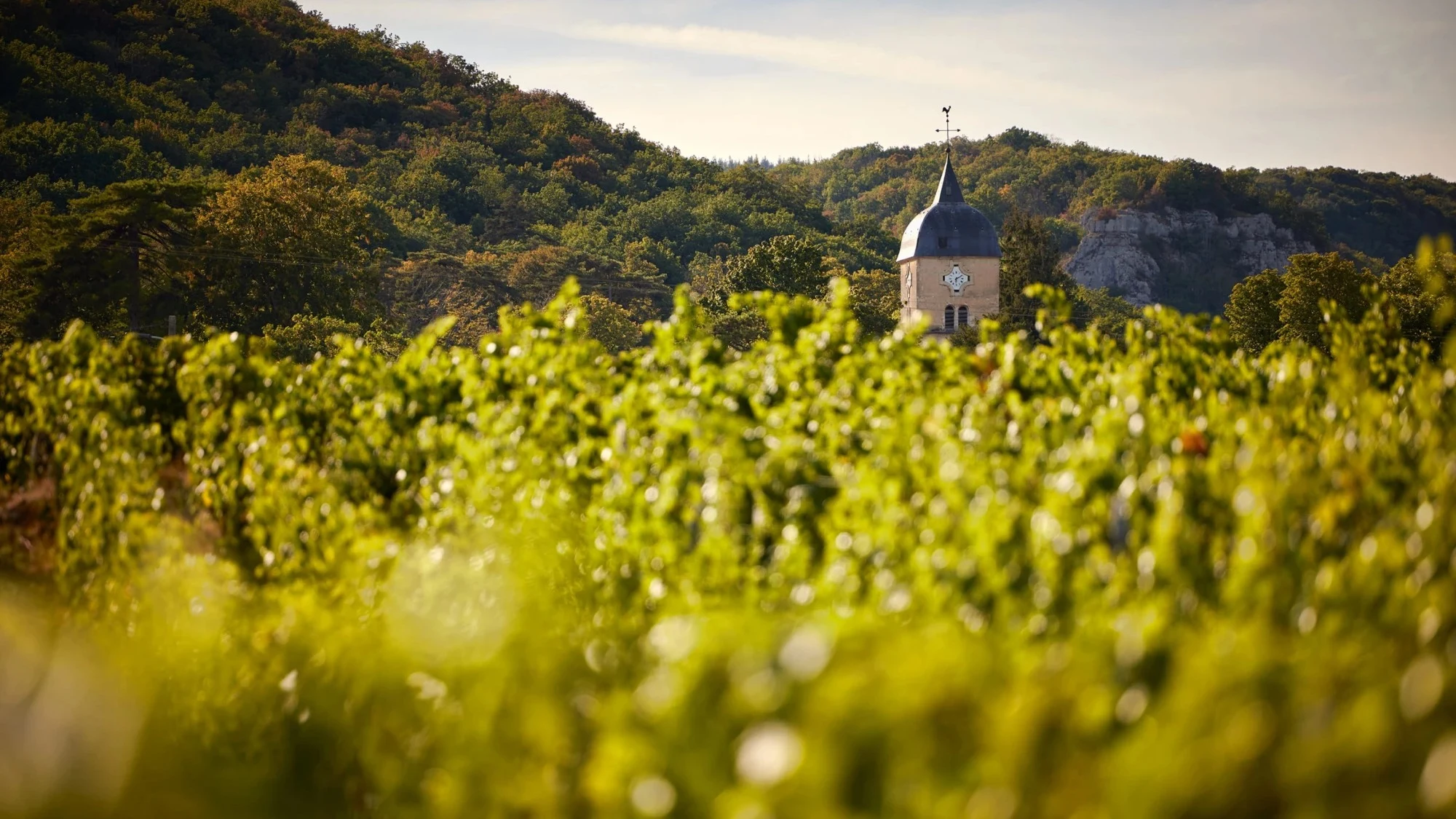
The estate works from Trépail, a Premier Cru village in the Montagne de Reims where Chardonnay gives the house much of its shape, with Pinot Noir also part of the range through Mailly Grand Cru. Bertemès’s role is both agricultural and cellar-bound: to preserve family know-how while keeping the method current enough to stand in the glass. In 2020, the house received Haute Valeur Environnementale certification and Viticulture Durable en Champagne certification, formal markers for a discipline the family describes in older terms, nature, tradition, and the long patience of Champagne.
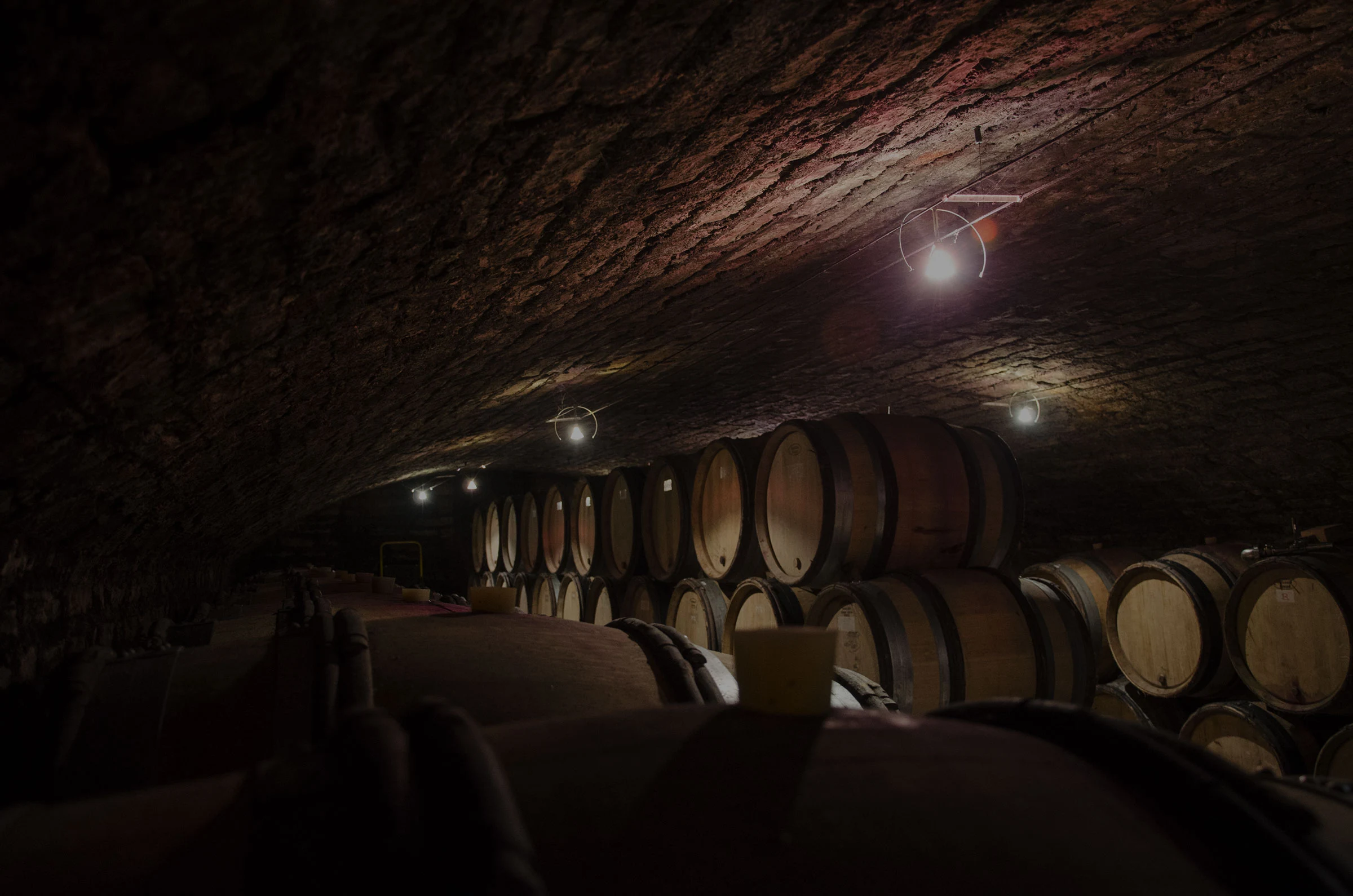
The technical frame is unusually direct. The house states, “We favor natural and traditional vinification: the bottles age from 3 to 7 years in our cellars and are low in dosage to preserve all the aromatic complexity of our Champagnes.” That sentence carries the method: natural and traditional vinification, long bottle aging, and a restrained finish. The wines age in stainless steel vats without malolactic fermentation, a choice tied to freshness and acidity, especially in a Chardonnay-led village where the line of the wine matters.
The estate’s scale is small, with 4 hectares under vine. Chardonnay forms the major part of the vineyard identity, while Pinot Noir gives another register to blends and rosé. Dosage is kept at 7g/l, enough to finish the wine without covering the tension the house wants to keep. Some cuvées draw on several grape varieties and harvests through a Solera system; Cuvée Racines is described with that structure and a minimum of three years of aging. The named signatures, RACINES, FILIGRANE, CARAT, LA TOURNIOLLE, and LA TROTTIERE, read like a cellar map rather than a marketing range, each attached to a different expression of fruit, time, and place.
The room here is quiet because Champagne work often is. Much of the action has already happened by the time a bottle reaches the tasting room: fruit brought in from Premier Cru and Grand Cru sites, base wines held to preserve freshness, bottles stacked through seasons in the cellar. The estate vinifies and stores its wines in its own cellars, which gives the family control over the slow part of the craft. That matters in a house where the stated interval is measured not in months but from 3 to 7 years.
Trépail gives the place its particular pressure. The village is known for Chardonnay within a wider Montagne de Reims landscape often associated with Pinot Noir, so the bench work is a matter of keeping precision rather than adding weight. In the tasting room, the useful details are not theatrical ones: low dosage, no malolactic fermentation, extended cellar aging, sustainable vineyard practice. The close of the house’s work is still a bottle, but the hand behind it is visible in RACINES.
Trépail, Grand Est, Frankreich
Trépail