- Falstaff Winery - Listed · 2026
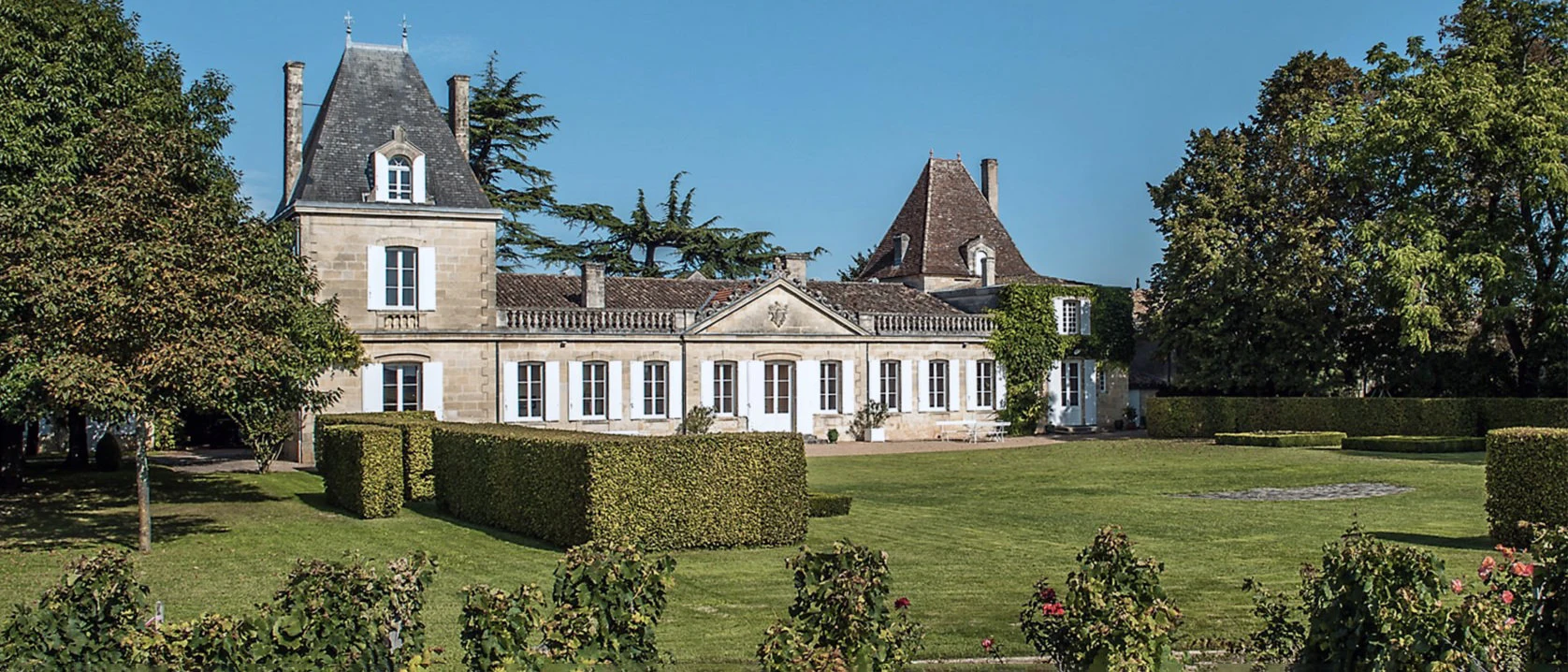
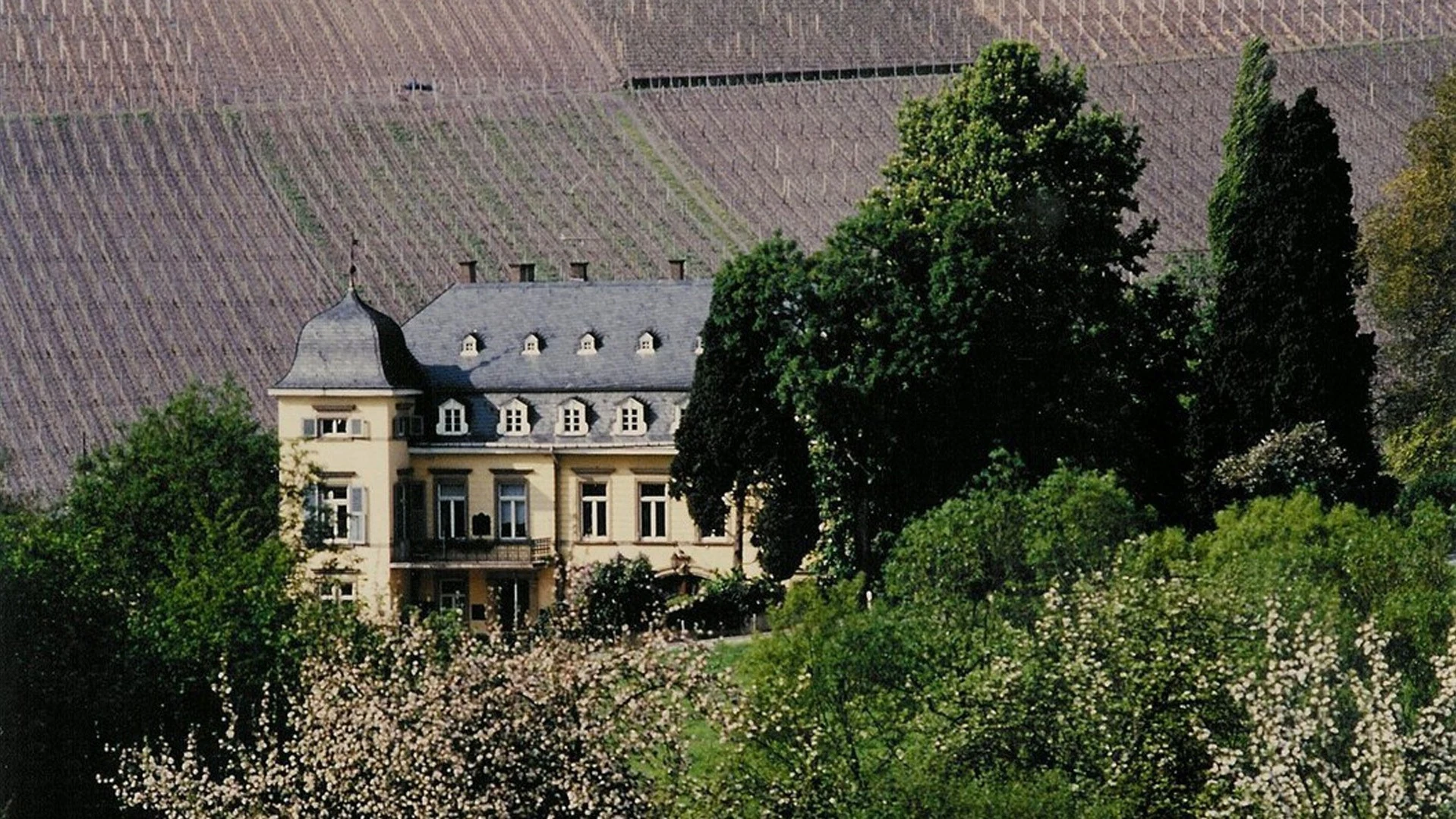
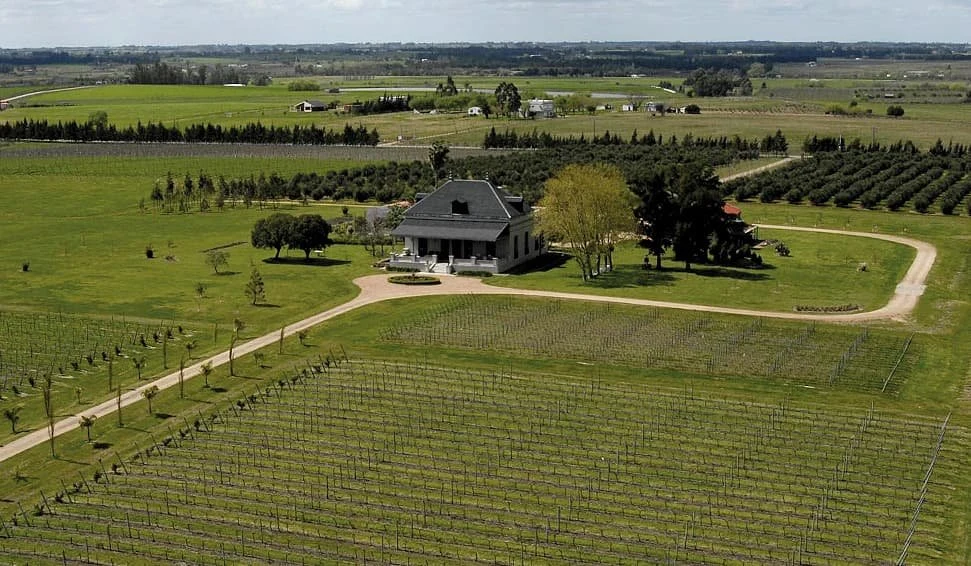
Familia Deicas in Progreso is a family-owned winery focused on elevating Uruguayan viticulture through a technical but welcoming approach. The experience is best understood through guided tastings and single-vineyard wines that connect what is in the glass to specific terroirs, including Progreso. Rather than framing the visit around spectacle, the appeal is the chance to consider site, grape, and place in a scenic winery setting, with enough polish to feel special and enough clarity to keep the emphasis on the wine itself.
The profile is intentionally focused: Familia Deicas is a winery in Progreso with a $$$ price level, a polished atmosphere, and an emphasis on terroir-led wine. For visitors comparing wine experiences in the area, the strongest reason to come here is that combination of guided tasting, single-vineyard focus, and a setting that can feel romantic, elegant, and grounded in the landscape. It is the kind of venue where the visit is not only about sampling wine, but about understanding why a particular vineyard site matters and how that sense of place is expressed.
Progreso terroir and single-vineyard wines
The central idea at Familia Deicas is specificity. Its single-vineyard wines are presented as a way to highlight defined terroirs such as Progreso, giving the tasting a more focused structure than a generic winery visit. The exact wines, vintages, and tasting lineup may vary, so the safest expectation is not a fixed menu but a guided encounter with the producer’s terroir-driven point of view. That flexibility also suits the broader theme: the point is less to chase a predetermined list and more to pay attention to how the winery frames each glass in relation to origin.
That makes Familia Deicas especially relevant for visitors who want a more technical reading of Uruguayan wine. The winery’s identity is tied to elevating viticulture rather than simply offering a casual pour, and the atmosphere supports that: serious enough for people who ask about place and vineyard character, but still welcoming rather than forbidding. The technical side gives the visit substance, while the hospitality keeps it accessible for guests who may not arrive with detailed knowledge of Uruguayan wine.
What is clear is the broader premise: Familia Deicas uses guided tastings and single-vineyard wines to make Progreso part of the conversation. In that sense, the vineyard is not treated as background scenery alone. It becomes part of the interpretation, shaping how visitors are invited to think about the wines and the land they come from.
A guided tasting built around place
The visit is best approached as a guided tasting rather than a simple stop-in. The experience emphasizes a technical but welcoming atmosphere, where the discussion can move from the wine itself to the terroir behind it. That balance is the draw: the setting can be scenic and elegant, while the content remains grounded in viticulture. For travelers who enjoy learning as they taste, that structure gives the experience a clear rhythm and a stronger sense of purpose.
Familia Deicas works well for visitors who prefer a winery experience with structure and context. It is not necessary to assume a particular tour format, language, food program, seating arrangement, or duration unless confirmed directly by the venue. The reliable expectation is a guided tasting environment connected to the winery’s single-vineyard and terroir-led identity. That makes advance clarification especially useful: guests can align their plans with what the winery is offering at the time, without relying on assumptions about a fixed format.
The listed price level is $$$. Visitors should confirm practical details directly with Familia Deicas before making plans. That is especially sensible for a visit centered on guided tasting, since the value of the experience depends on the current structure, availability, and the specific way the winery is presenting its wines.
How it fits into a Progreso wine itinerary
Progreso is the anchor here. For a wine-focused itinerary, Familia Deicas offers a clear point of interest: a family-owned winery with guided tastings, single-vineyard wines, and a polished atmosphere shaped around terroir. Around that, visitors can plan other experiences in Progreso according to their own schedule. The venue works well as a considered stop, particularly for those who want the wine portion of the trip to feel connected to the place rather than detached from it.
Because no other named comparison venues are provided, the most accurate comparison is with other Progreso dining, wine, and hospitality options in general. Familia Deicas stands out in that broader context as a winery visit centered on Progreso, guided tasting, and a technical but welcoming interpretation of Uruguayan viticulture. Its appeal is precise rather than broad: come for the vineyard-led perspective, the guided context, and the chance to experience Progreso through wines presented with a clear sense of origin.
Questions
Frequently asked
Who works at Familia Deicas?
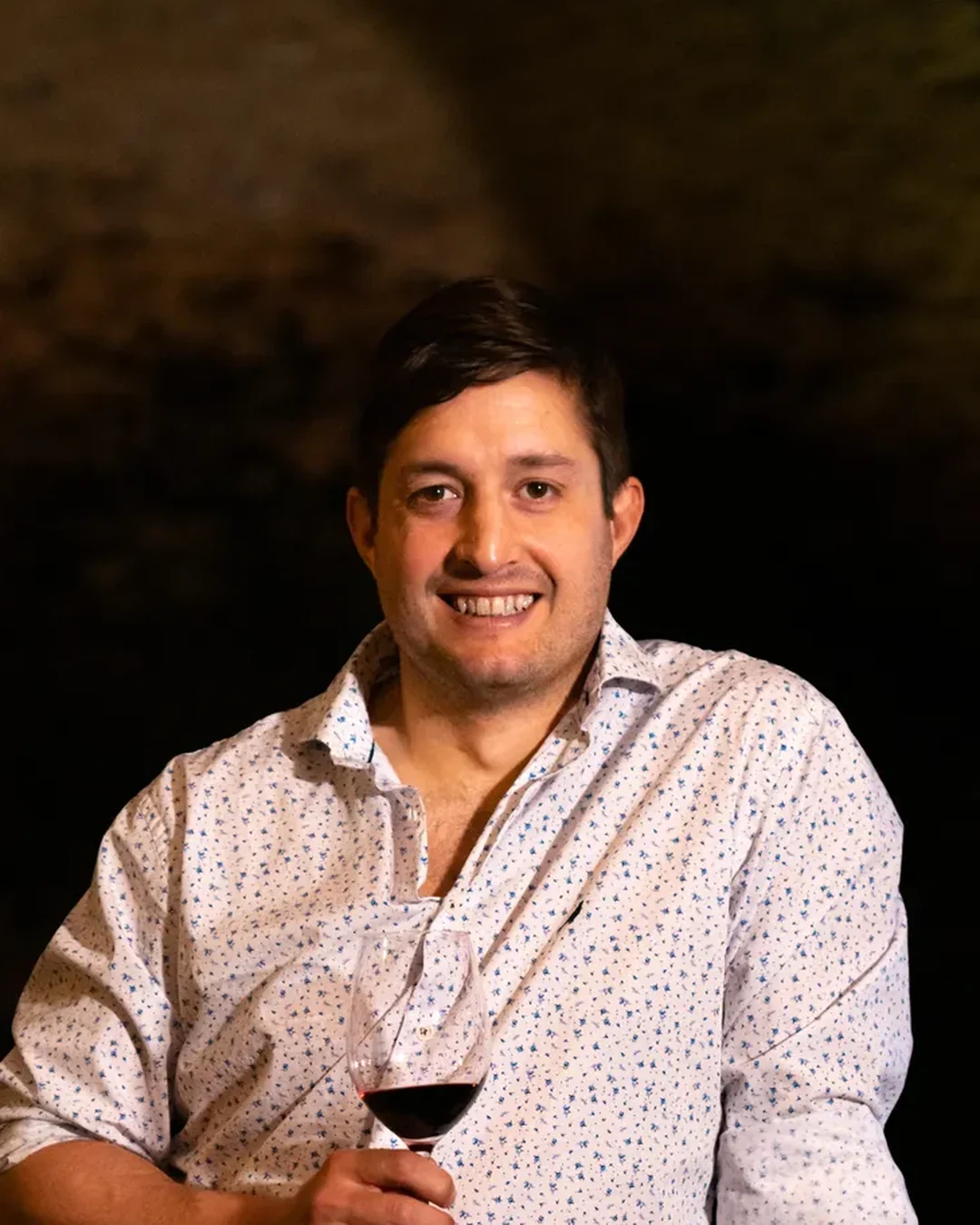
Made By profiles Santiago Deicas (Winemaker) at Familia Deicas.
How expensive is Familia Deicas?
Familia Deicas is listed at a price level of $$$.
The field
How it compares
| Place | Notes | Awards |
|---|---|---|
| Familia Deicas | Progreso, $$$ | · |
| Château Latour | Pauillac | · |
| Domaines Barons de Rothschild (Lafite) | Bordeaux | · |
| Felton Road Wines | Bannockburn | World's 50 Best |
| Gaja | Barbaresco | World's 50 Best |
| Vieux Château Certan | Pomerol | · |
| Weingut Egon Müller | Wiltingen | · |