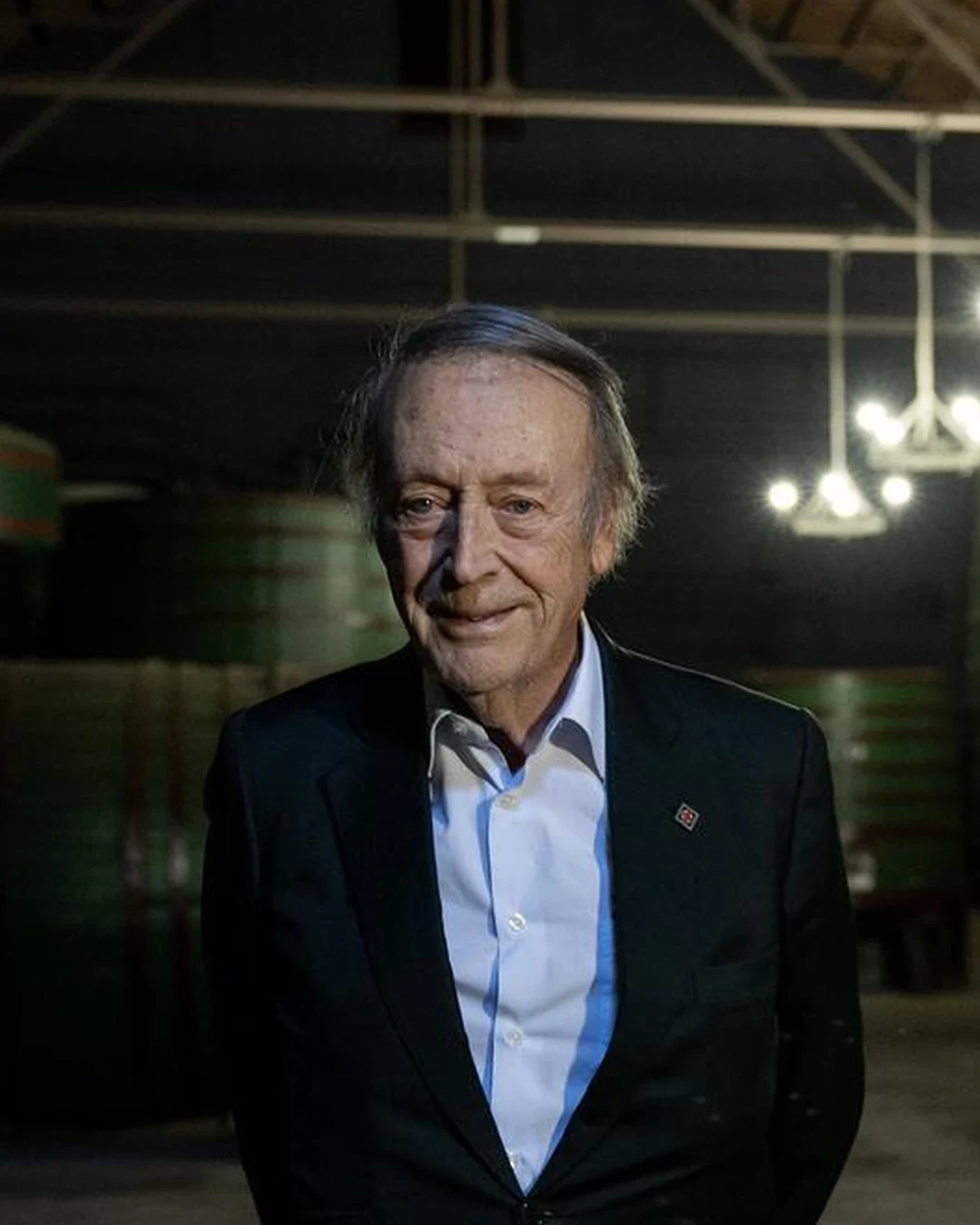
Miguel Torres, winemaker at Familia Torres in Vilafranca Del Panades, keeps a large Penedès cellar tied to land and lineage.
Stainless steel takes the first decision for Mas La Plana before oak takes the longer one. Miguel Torres, winemaker at Familia Torres in Vilafranca Del Panades, works inside a house whose scale has never erased the cellar’s need for exact choices. The family winery began in 1870 in Vilafranca del Penedès, when Jaime Torres Vendrell and Miguel Torres Vendrell joined commercial reach to vineyard and winemaking knowledge. That division of labor still feels instructive here: wine made for export, but anchored to named land.
The lineage is not abstract. Juan Torres Casals registered Coronas in 1907 and distilled the first Torres spirits in 1928, extending the cellar beyond wine without loosening the family name from the bottle. Miguel Torres Carbó rebuilt after the Spanish Civil War with the support of Josefa Carbó, then moved the house further from bulk trade toward bottled wines. Today the family works across a wide map, but the Penedès remains the reference point, with the visitor center, estate facilities, vineyards and cellar near Vilafranca del Penedès. Miguel Torres’s station sits inside that inheritance: style, consistency, continuity, and the discipline of keeping a large house legible through the glass.
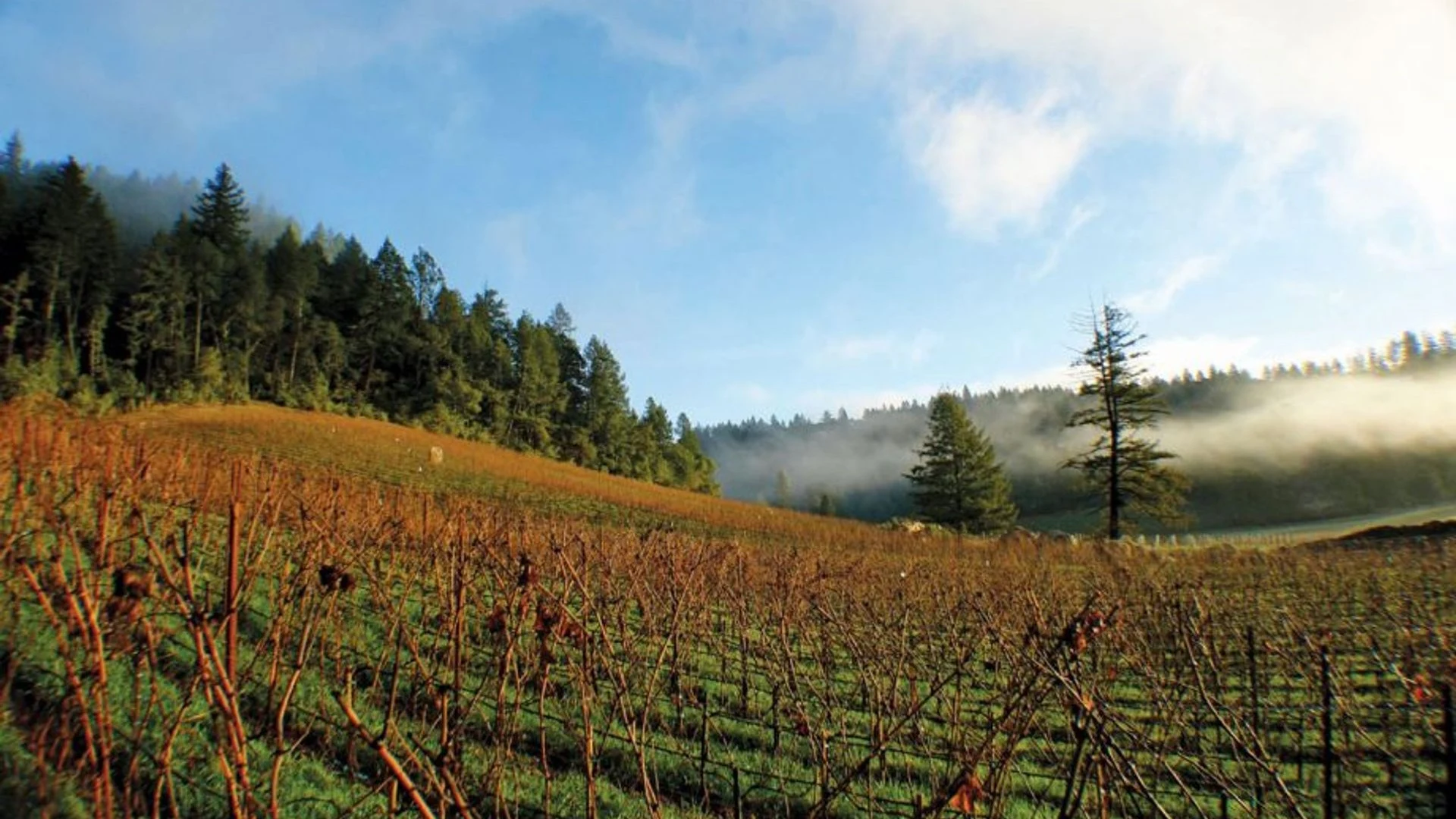
The cellar’s most legible gesture is Mas La Plana, a Cabernet Sauvignon drawn from the Mas La Plana estate in Penedès. For that wine, Familia Torres ferments in temperature-controlled stainless steel to hold fruit clarity, then moves the wine into French oak. Premium reds here are aged for 18 to 24 months, with reserve selections held longer when the wine asks for it. The barrel program uses both new and used wood, with French oak carrying the more ambitious reds.
The work is broader than one cuvée. Whites made from Chardonnay and Xarel·lo may ferment in oak for texture; the house also works with red, white, sparkling and fortified wines under the Penedès DO and beyond it. Sustainability is not treated as a side note in the viticulture. Torres & Earth began in 2008, pledging 11% of annual profits to climate-related initiatives, and the family has invested over €23 million in decarbonization, water management, reforestation and related work. By 2024, Familia Torres reported a 40% reduction in CO₂ emissions per bottle across the value chain compared with 2008, with stated targets of 55% by 2030 and climate positive status by 2050.
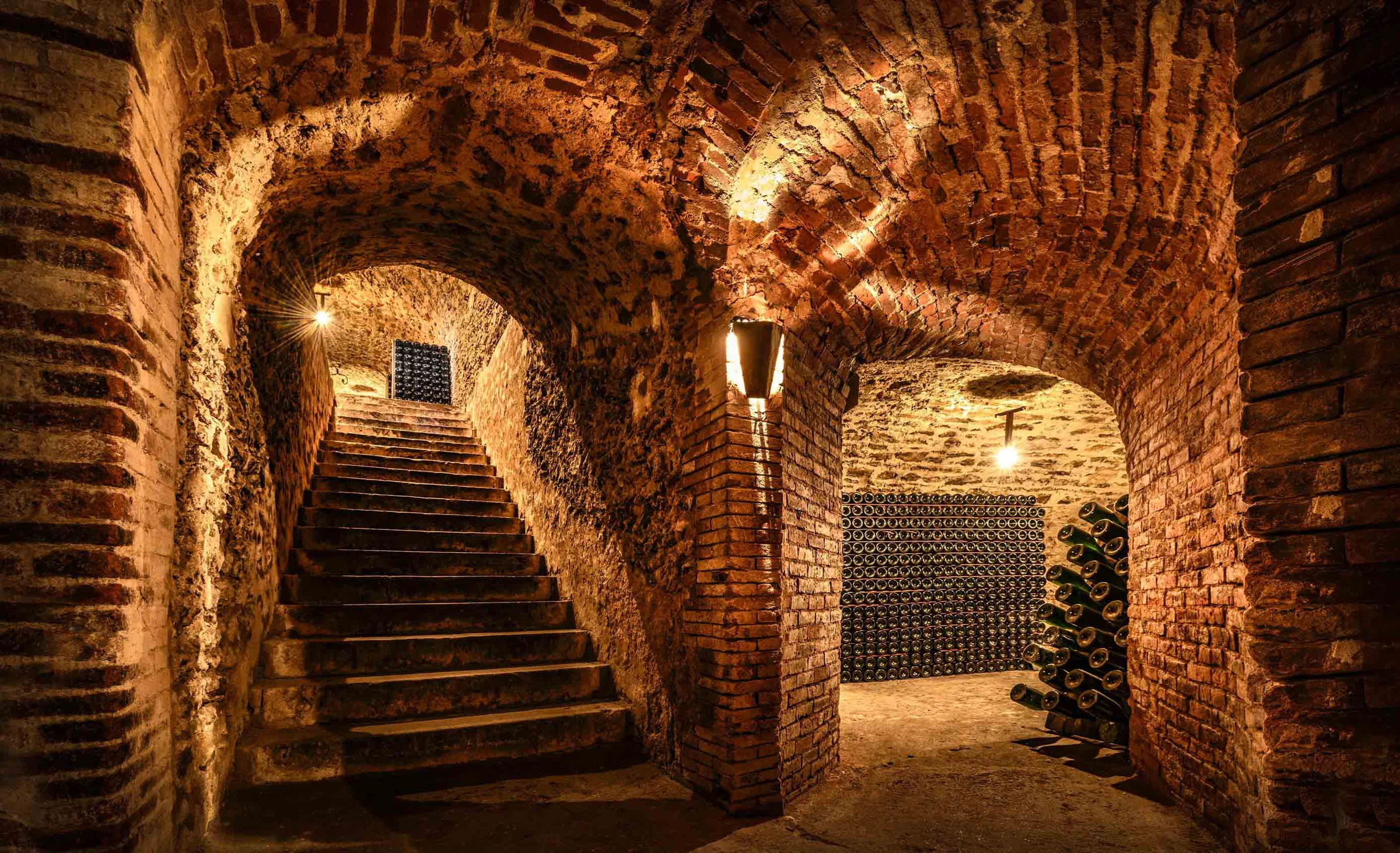
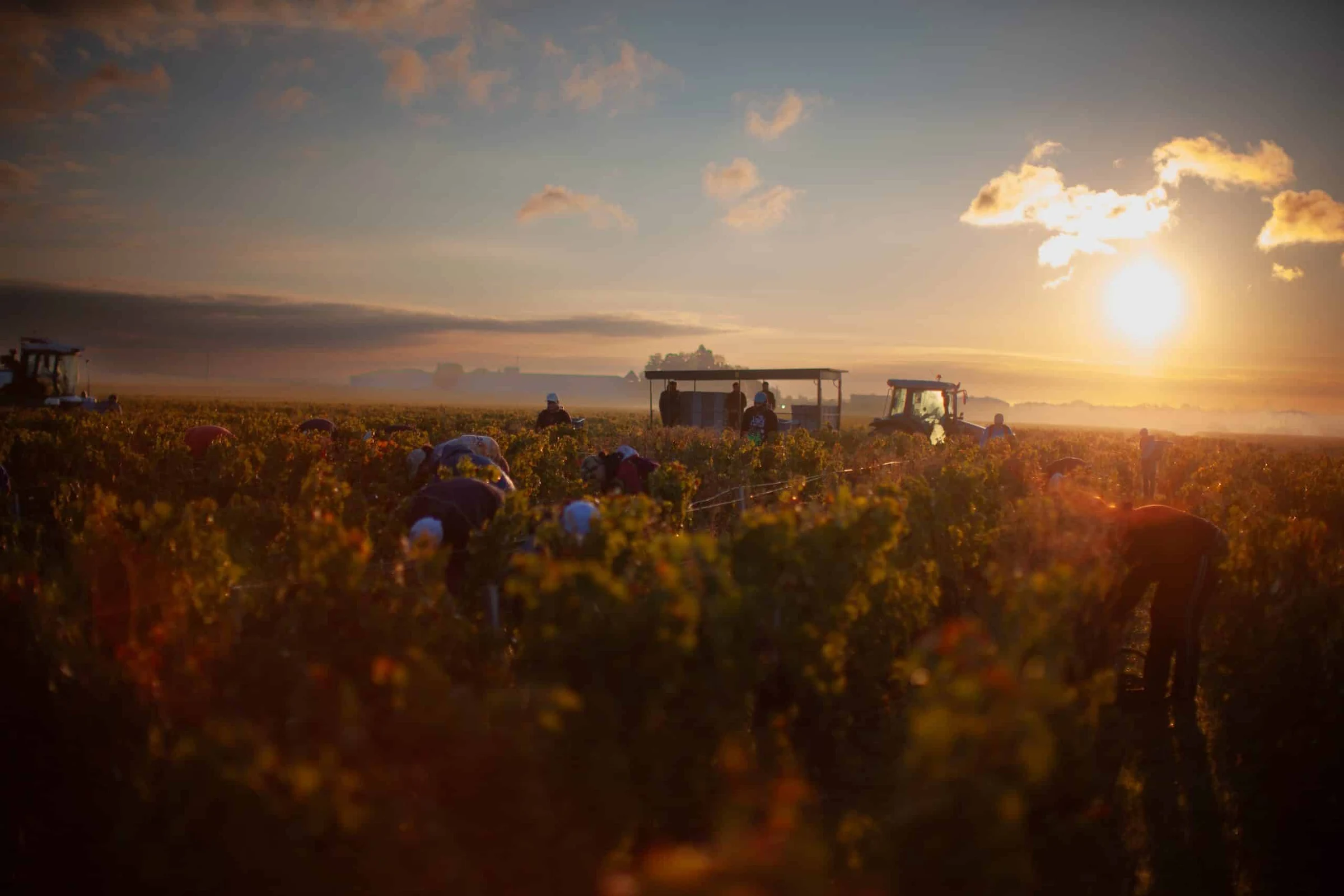
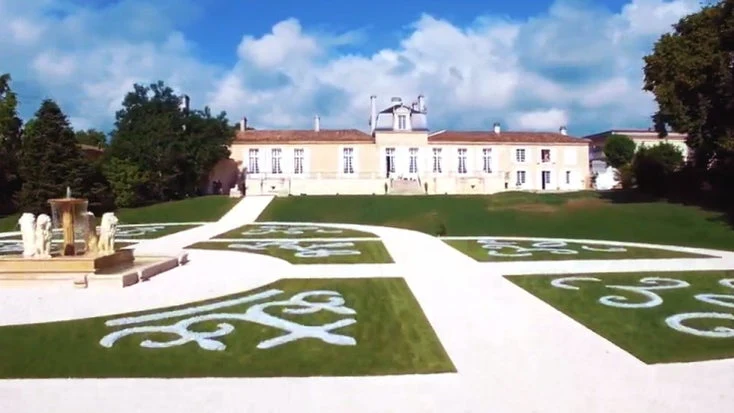
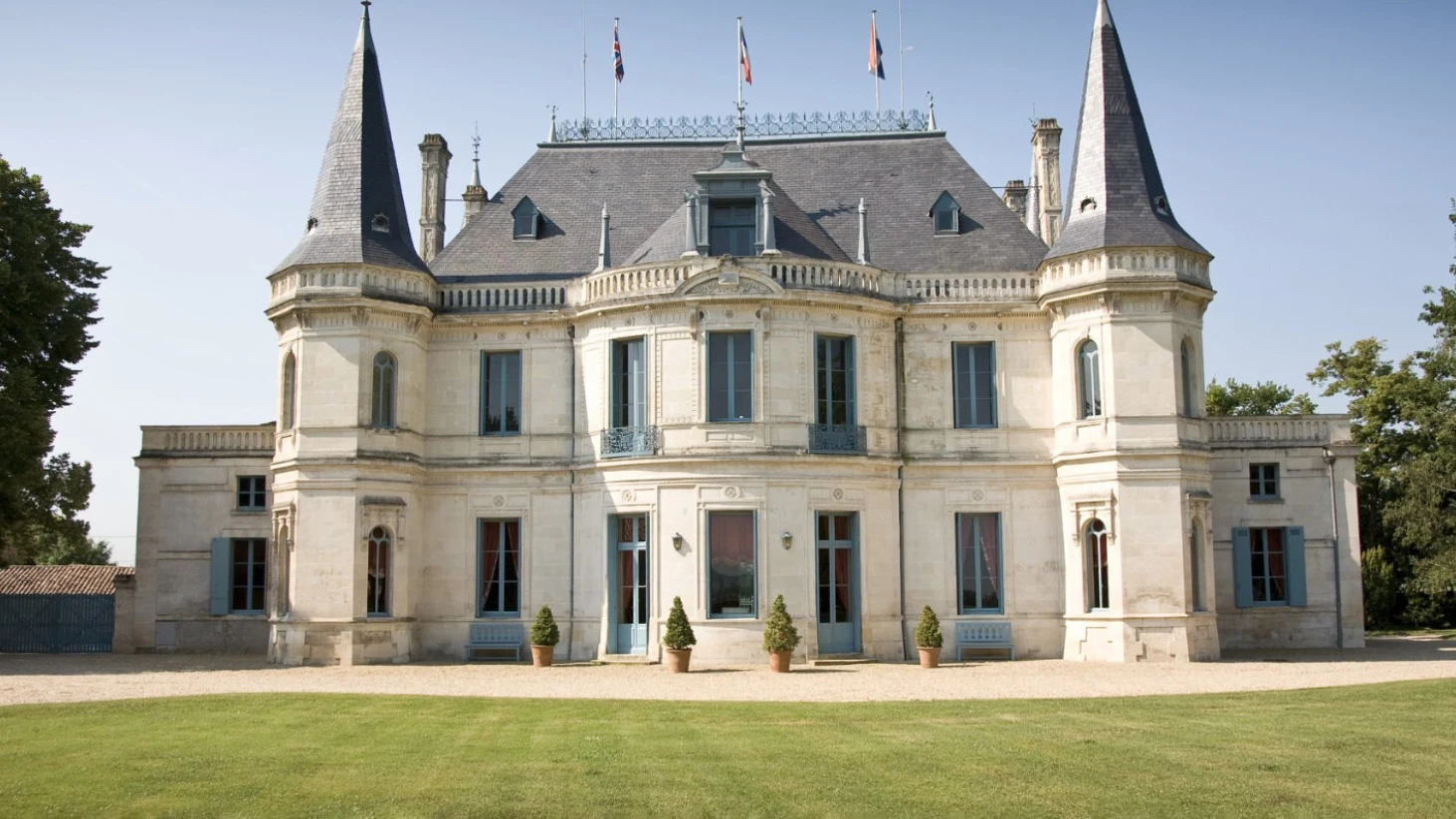
The place carries the habits of a large, old winery: the cellar, the vineyard, the tasting room and the estate buildings all working in sequence rather than as scenery. Near Vilafranca del Penedès, the scale is visible, but the craft still narrows to vessels, fruit and time. Stainless steel keeps one profile clean. French oak shapes another. A visitor may meet the heritage narrative first, but the method waits behind it in the cellar, where the house decides which wines need polish, which need texture, and which need the plain discipline of being left alone.
The room stays conversational, not theatrical. Guided tastings, private tastings and food and wine tastings bring guests close to a program built on export history, family continuity and vineyard identity. The strongest thread remains the same one that runs from the estate to the glass: Mas La Plana Cabernet Sauvignon.
Vilafranca del Panadés, Madrid, Comunidad de, Puerto Rico
Penedès