- Falstaff Winery - Listed · 2026
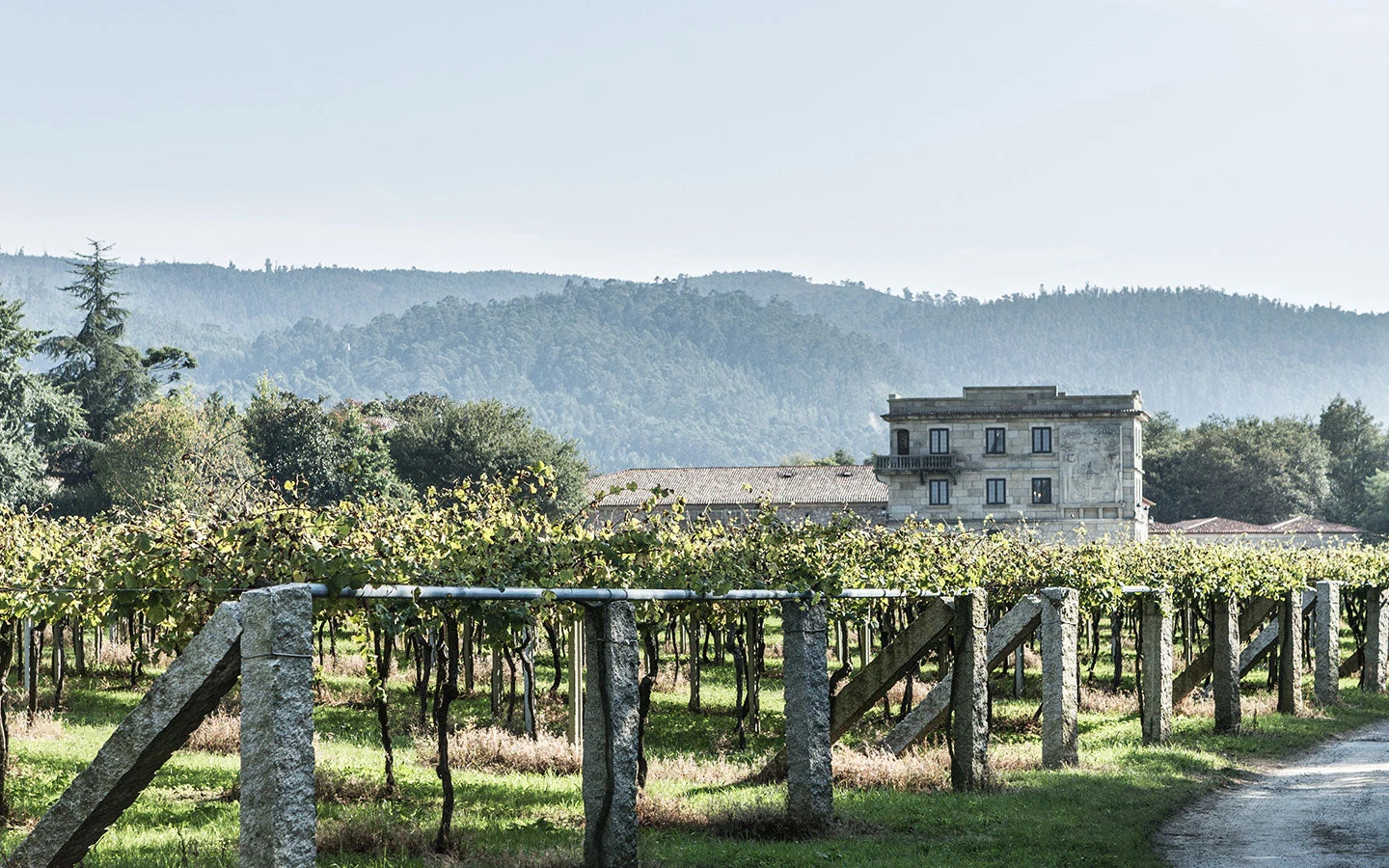
In Erlach, wine still feels close to the cellar door. Familie Marolf Weinbau is a small, traditional family-run Bielersee winery with a direct cellar setting and a relaxed, informal atmosphere. Its appeal is not architectural spectacle or a choreographed visitor circuit; it is a classic, rustic and intimate stop focused on tastings and direct sales. That makes the address feel more like a direct encounter with a producer than a polished wine-tourism set piece, and that distinction is central to its charm.
The estate’s format is modest and cellar-first. This kind of Erlach address rewards slower attention: a family-run setting, a hidden-gem feel and direct contact with the place where the wine is presented. The pace is part of the experience, because the venue is best read through its simplicity rather than through a long checklist of formal visitor features. For broader planning, other dining, stays, bars and experiences in Erlach can help round out a visit.
Bielersee wine in a cellar-first Swiss format
Bielersee gives the venue its regional frame. The picture of Familie Marolf Weinbau is intentionally simple: a small, traditional winery in Erlach, informal in mood and grounded in tastings and direct sales rather than a heavily designed hospitality experience. It belongs to the quieter side of Swiss wine travel, where the setting, the scale and the producer contact matter more than stage-managed presentation.
That restraint is part of the draw. Rather than presenting itself as a luxury tasting room, Familie Marolf Weinbau reads as a producer-scale cellar stop: rustic, intimate and focused on the essentials. The room for discovery is in the directness of the format, not in an expanded programme of extras. Specific public details about vineyard size, named varieties, production methods or individual bottles are not confirmed here, so the strongest way to understand the venue is through its setting and format.
For visitors using Erlach as a compact wine stop, the value is the chance to experience a traditional Bielersee winery in a relaxed cellar environment. It is the kind of place that works well when expectations are aligned with its scale: come for a local, unfussy wine encounter rather than for a showpiece destination. Other dining and hospitality options in Erlach can round out a visit, but Familie Marolf Weinbau itself is best approached as a direct, local wine encounter.
What the visit tells you about Swiss regional wine culture
The tasting experience is better understood as cellar access than as a designed luxury appointment. The atmosphere is informal and conversational, with the emphasis on tastings, direct sales and the direct character of a family-run winery. In that sense, the visit reflects a grounded strand of Swiss regional wine culture, where proximity to the producer and a modest setting can be more revealing than a more elaborate hospitality frame.
This is also where the practical character of a small winery becomes part of the story. The appeal is not a list of amenities, pairings or elaborate programming; it is the relaxed setting and the chance to engage with a traditional Bielersee producer in Erlach. The experience is therefore best valued for what it is: a cellar-focused stop with a rustic, intimate tone. Details such as opening pattern, tour duration, payment methods, parking and languages are not confirmed here.
For travellers building a wine-led Swiss route, Familie Marolf Weinbau offers a grounded Erlach stop rather than a destination built around spectacle. Its appeal remains local: a classic, rustic, hidden-gem cellar atmosphere where the visit is still the point. It can add texture to a wider itinerary precisely because it does not try to overcomplicate the encounter; the strength lies in its modest scale and directness.
Who should make time for it
Familie Marolf Weinbau suits travellers who want Swiss wine without the machinery of a destination tasting room. The price level is listed as $$, and the experience is strongest for those drawn to small, traditional, family-run wineries with a relaxed cellar feel. It is less suited to visitors seeking a highly designed lounge or a heavily programmed hospitality format. In Erlach, the value is the opposite: a direct encounter with Bielersee wine culture at producer scale. For the right visitor, that simplicity is not a limitation but the reason to go.
Questions
Frequently asked
Who works at Familie Marolf Weinbau?
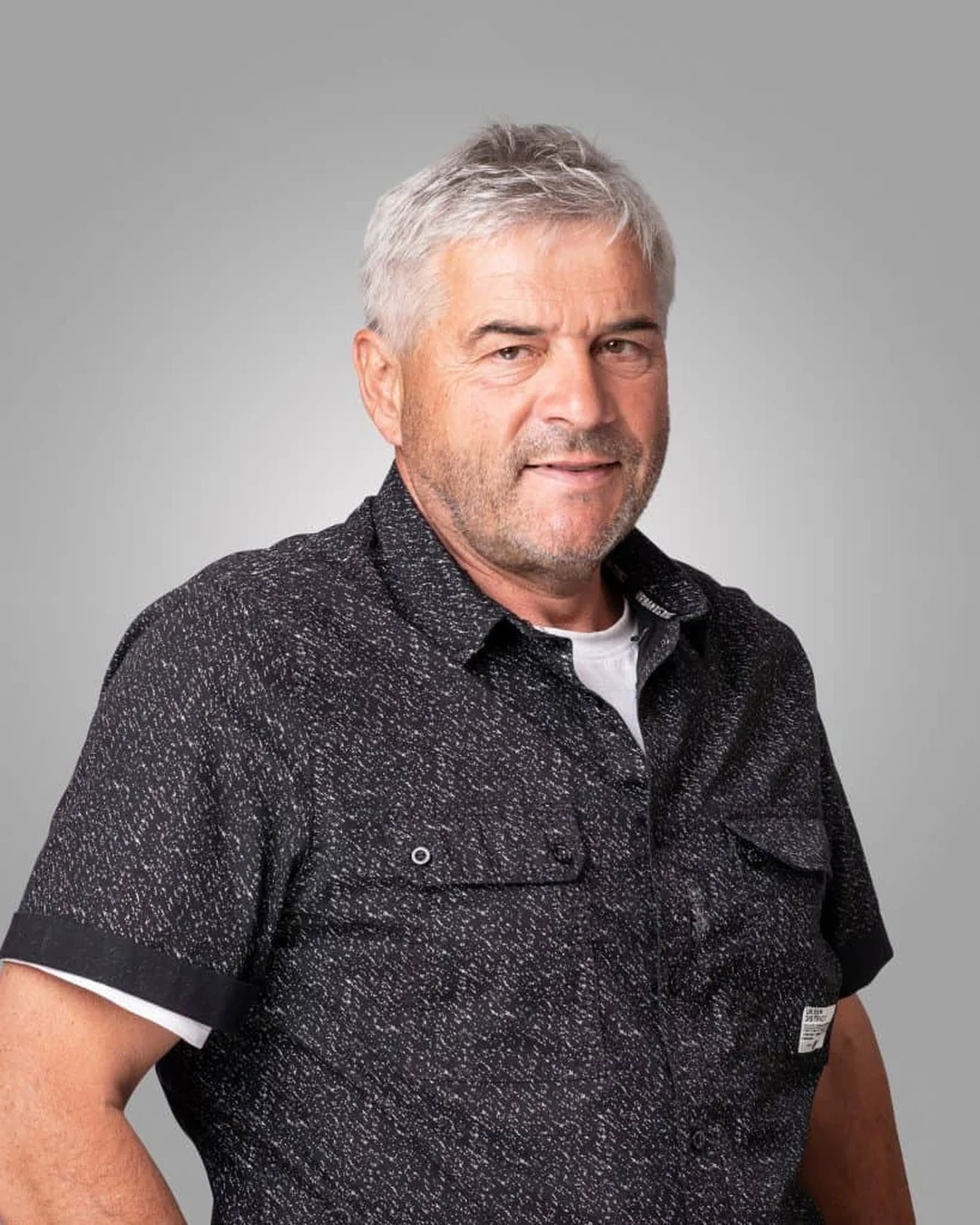
Made By profiles Fredi Marolf (Winemaker) at Familie Marolf Weinbau.
How expensive is Familie Marolf Weinbau?
Familie Marolf Weinbau is listed at a price level of $$.
The field
How it compares
| Place | Notes | Awards |
|---|---|---|
| Familie Marolf Weinbau | Erlach, $$ | · |
| Azienda Agricola Casanova di Neri di Giacomo Neri | Montalcino | World's 50 Best |
| Château La Conseillante | Pomerol | · |
| Chateau Lafite Rothschild | Pauillac | · |
| Domaines Barons de Rothschild (Lafite) | Bordeaux | · |
| Marqués de Murrieta | Logroño | World's 50 Best |
| Rebgut Schloss Erlach | Erlach | · |