FarmBar
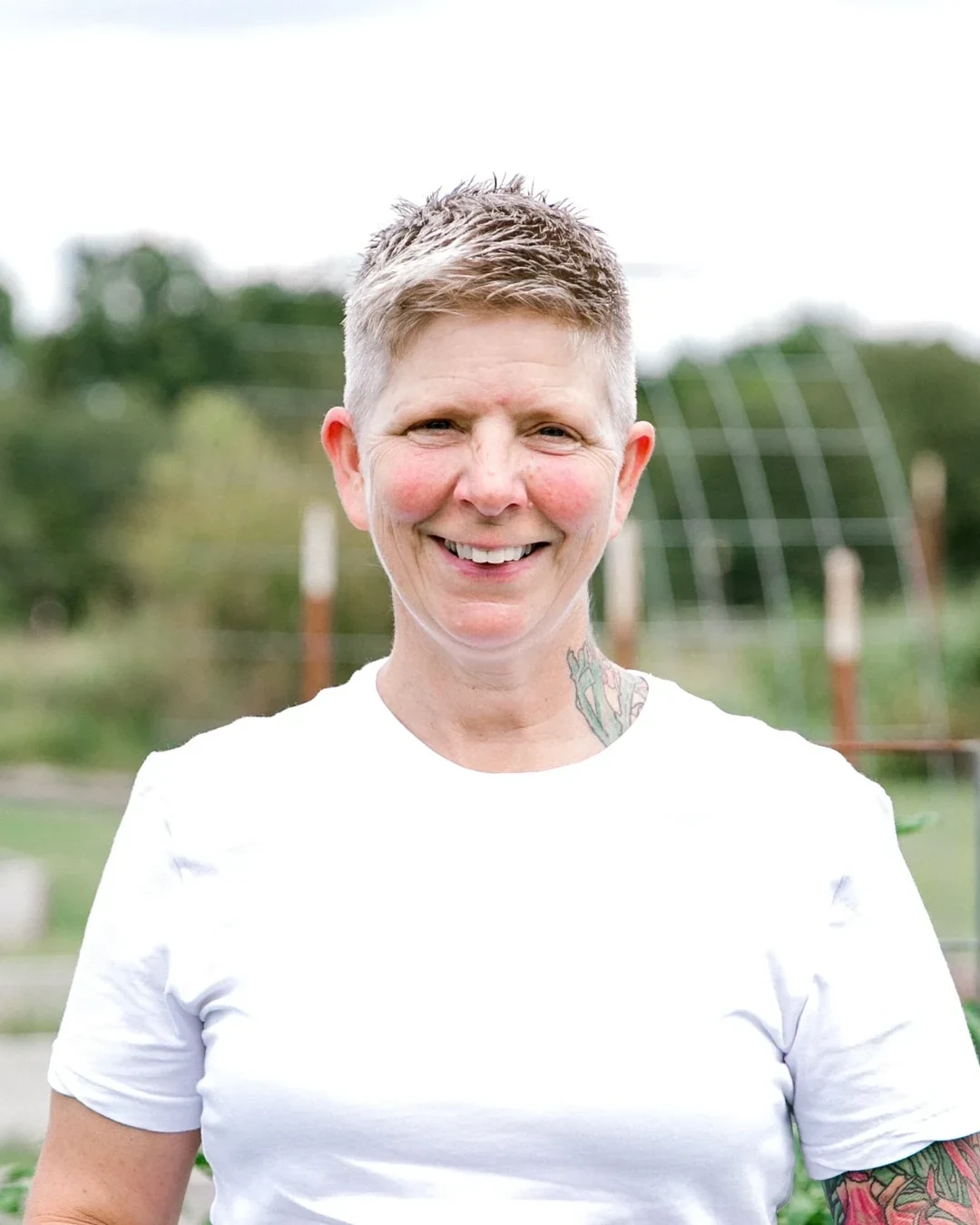
In Residence
Lisa Becklund
Chef
- 01CuisineFarm-to-Table American Tasting Menus
- 02CityTulsa, United States
- 03RecognitionJames Beard Award
- James Beard Winner · James Beard Foundation
- James Beard Award Semi Finalist · 2026
- James Beard Award Semi Finalist · 2025
Boston Avenue and the Midtown Dining Shift
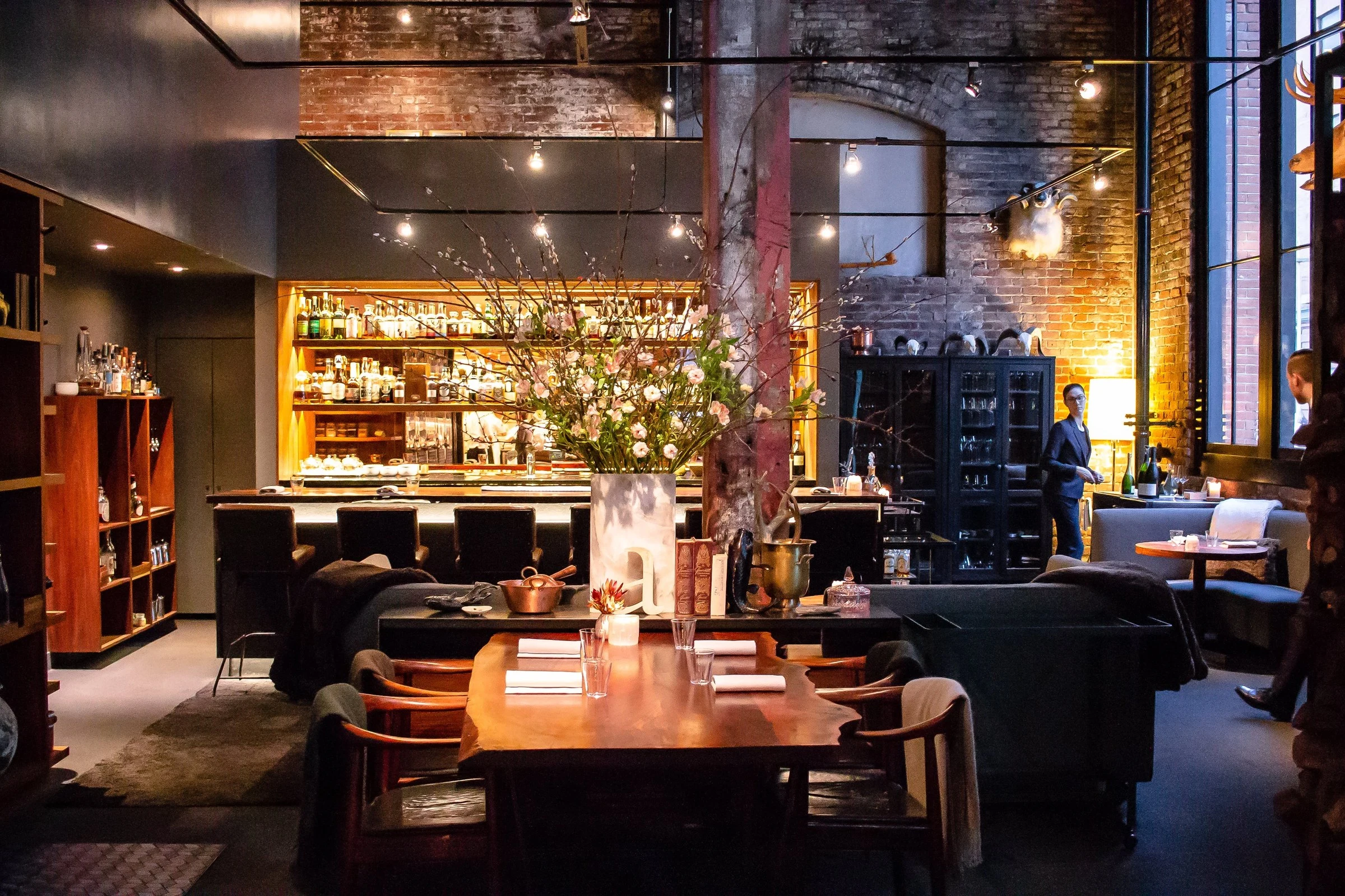
South Boston Avenue has quietly become one of Tulsa's more interesting stretches for a certain kind of evening out. The strip sits between the Art Deco density of downtown and the residential calm further south, and over the past several years it has accumulated a cluster of restaurants and bars that share a loose common thread: they take the food seriously without performing seriousness at you. FarmBar is a restaurant in Tulsa, Oklahoma, with a smart casual dress code and a price point around $100 per person. It sits inside that pattern, occupying a position in Tulsa's dining scene where the farm-to-table impulse has been folded into a bar-forward format rather than a reverential tasting-room setting.
That distinction matters more than it might seem. Across American mid-sized cities, the farm-sourcing ethos has split into two fairly distinct formats over the past decade. One route leads toward the hushed, multi-course structure you find at places like Blue Hill at Stone Barns in Tarrytown or Single Thread Farm in Healdsburg, where the agricultural sourcing becomes the architecture of a formal meal. The other route keeps the sourcing commitment but loosens the frame: a full bar, a menu that invites ordering in rounds, a room where you can stay for two hours or four without anyone making you feel the table needs to turn. FarmBar belongs to the second tradition, which is the harder one to execute well precisely because the informality has to be earned rather than imposed.
How the Meal Unfolds
The dining experience at a place structured like FarmBar is worth understanding before you arrive, because it shapes the choices you make. This is not a venue where a fixed progression of courses carries you through the evening. The pacing is yours to set, and that freedom can be squandered by ordering too quickly at the start or by failing to leave room for the parts of the menu that reward a slower approach. The bar-forward format means a drink decision comes first and carries some weight: the kind of cocktail or pour you open with sets a tempo.
In rooms like this one, the more useful approach is to order in two or three passes rather than all at once. A first round of drinks and something to eat while you settle, a second pass once you have a sense of the room and the kitchen's pace, and a deliberate finish rather than an afterthought dessert order. That rhythm, familiar to anyone who has spent time at thoughtful bar-restaurants in cities like Chicago or San Francisco, travels well to Tulsa's midtown context. The formats are comparable even when the specific menus differ significantly.
For reference, the farm-to-bar dining model at its most structured shows up in places like Smyth in Chicago or Lazy Bear in San Francisco, where the sourcing philosophy is embedded deeply in a highly deliberate format. FarmBar operates at a more accessible register, which is appropriate to its city and its address.
FarmBar Inside Tulsa's Current Scene
Tulsa has developed a more coherent restaurant identity over the past several years than many visitors expect. The city is not a replica of Oklahoma City's dining scene, and it is not simply a smaller version of a Dallas or Kansas City. It has its own character, with a handful of addresses that have built genuine reputations through consistency rather than novelty. Among these, a few operate in registers adjacent to FarmBar's. Lowood represents one direction, with a format that leans more explicitly into craft and specificity. il seme occupies a different tier, with a tighter, more composed approach to an Italian-influenced menu. Noche and Bull In The Alley each bring their own distinct positioning to the broader conversation about what Tulsa's dining scene is capable of producing. Doctor Kustom rounds out the set of addresses worth knowing if you are spending more than a single night in the city.
FarmBar's placement on South Boston rather than in one of the more obvious restaurant corridors is itself a signal. The address suggests a venue that is not competing primarily for tourist foot traffic or for the downtown after-work crowd. It draws from the surrounding neighborhoods and from the kind of diner who is willing to make a specific trip for a specific kind of evening. That self-selection tends to produce better rooms.
For a broader map of where FarmBar sits relative to the full range of options in the city, our full Tulsa restaurants guide covers the scene across price tiers and formats.
The Sourcing Premise in Practice
Farm-to-table as a marketing phrase has been so thoroughly deployed that it has largely lost descriptive power. What it originally pointed to, and what it still means at the handful of venues that take it seriously, is a kitchen whose menu changes in response to what is actually available rather than maintaining a stable card for the convenience of operations. That discipline is harder to sustain than it sounds, and it requires a supply relationship with producers that goes beyond ordering through a regional distributor who happens to stock some local items.
The broader national conversation about this kind of sourcing commitment is most visible at places like Providence in Los Angeles, Addison in San Diego, or at the extreme end, The French Laundry in Napa and The Inn at Little Washington. Those venues operate at a price and formality point far above what FarmBar represents. But the principle that the kitchen's identity should be shaped by what regional agriculture actually produces at a given moment in the year is shared across the tier difference. Oklahoma's agricultural calendar, with its particular growing windows for warm-season vegetables and its beef and pork producers, gives a kitchen here a genuinely distinct set of materials to work with compared to a coastal city.
Planning Your Visit
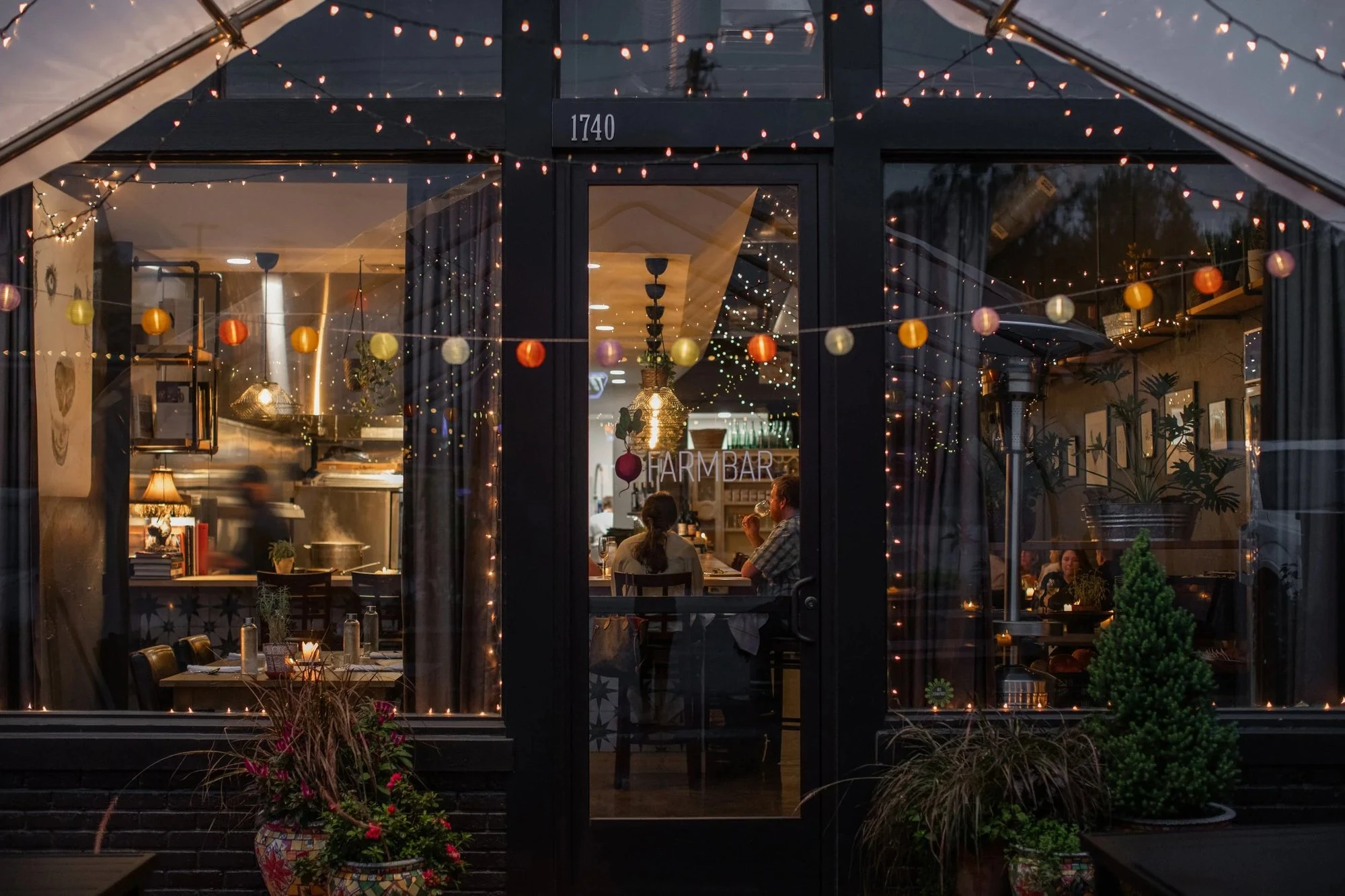
FarmBar is located at 1740 S Boston Ave in Tulsa's midtown corridor, reachable from most of the city's central neighborhoods in under ten minutes by car. FarmBar is open Tuesday through Saturday from 5 to 9 PM and is closed Monday and Sunday. Reservations are essential, and the price point is about $100 per person. The format, a bar-forward room that suits both shorter and longer stays, means that walk-in visits are likely part of the operating model, but confirming availability on a given night, particularly on weekends, is worth doing in advance.
The South Boston address puts FarmBar within reasonable distance of Tulsa's other notable dining addresses, making it a natural anchor for an evening that starts or ends elsewhere in the midtown and downtown cluster. If the itinerary involves multiple stops, FarmBar's bar-forward pacing makes it a sensible middle chapter rather than a rushed finale.
For those building a broader frame of reference for what farm-sourced, bar-adjacent dining can achieve at the top of the format, venues like Atomix in New York City, Le Bernardin in New York City, Emeril's in New Orleans, and Atelier Moessmer Norbert Niederkofler in Brunico each demonstrate different ways that sourcing-first philosophy shapes a room at a national or international scale. FarmBar operates closer to the ground, which is precisely where the model is most useful to the cities that need it most.
Questions
Frequently asked
What recognition does FarmBar hold?
FarmBar holds a James Beard award.
Who works at FarmBar?
Made By profiles Lisa Becklund (Chef) at FarmBar.
How expensive is FarmBar?
FarmBar is listed at a price level of $$$.
Where is FarmBar and what does it serve?
FarmBar is in 18th & Boston, Tulsa, serving Farm-to-Table American Tasting Menus.
The field
How it compares
| Place | Awards | Cuisine | Notes |
|---|---|---|---|
| FarmBar | James Beard | Farm-to-Table American Tasting Menus | 18th & Boston, $$$ |
| Alinea | Michelin 3 Stars, World's 50 Best | Avant-Garde Molecular Gastronomy | Chicago |
| Alkimia | Michelin 1 Star | Modern Catalan Fine Dining | Barcelona |
| Daniel | Michelin 1 Star, World's 50 Best | Modern French Fine Dining | New York City |
| Jordnær | Michelin 3 Stars, World's 50 Best | Modern Nordic Seafood Fine Dining | Gentofte |
| Les Amis | Michelin 3 Stars, World's 50 Best | Classic French Haute Cuisine | Singapore |
| Saison | Michelin 2 Stars, World's 50 Best | Modern Fire-Forward Fine Dining | San Francisco |
In residence
Similar places
Avant-Garde Molecular Gastronomy
Alinea
Chicago, United States
★★★ · 50 Best
Modern Catalan Fine Dining
Alkimia
Barcelona, Spain
★
Modern French Fine Dining
Daniel
New York City, United States
★ · 50 Best
Modern Nordic Seafood Fine Dining
Jordnær
Gentofte, Denmark
★★★ · 50 Best
Classic French Haute Cuisine
Les Amis
Singapore, Singapore
★★★ · 50 Best
Modern Fire-Forward Fine Dining
Saison
San Francisco, United States
★★ · 50 Best