Fattoria Casa di Terra
- 01CityBolgheri, Italy
- Falstaff Winery - Listed · 2026
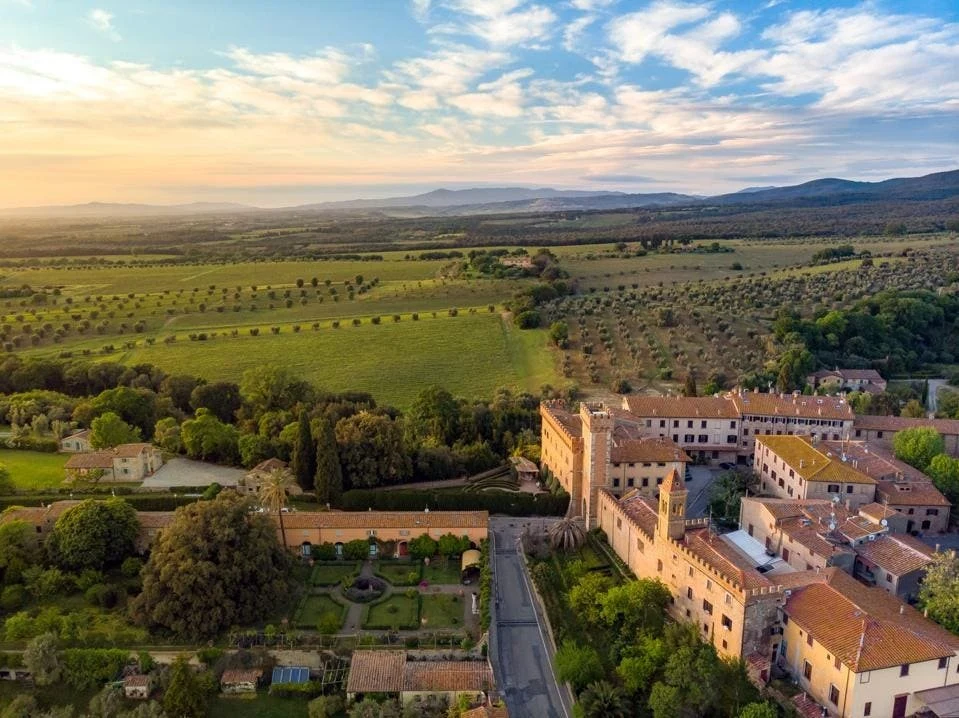
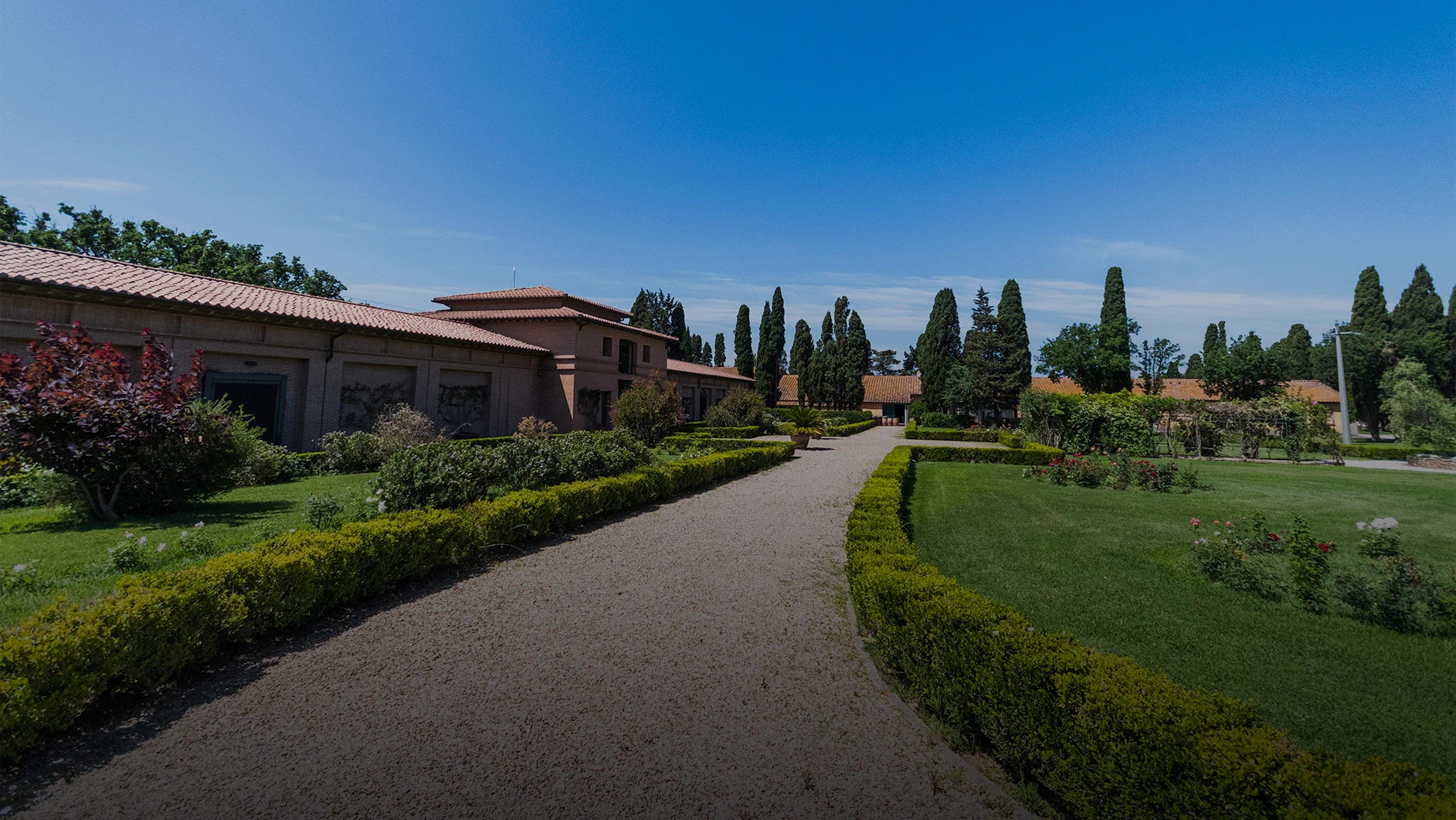
Approaching a Bolgheri cellar is less about grand arrival than calibration: the light hardens toward the Tuscan coast, the vines sit under maritime air, and the conversation turns quickly to Cabernet rather than Sangiovese. Fattoria Casa di Terra belongs to that coastal Tuscan register, where international varieties are not an imported novelty but part of the appellation’s modern grammar. The setting is rural and quiet, with tastings tied to the working rhythms of vineyard, cellar, and shop rather than staged resort theatre.
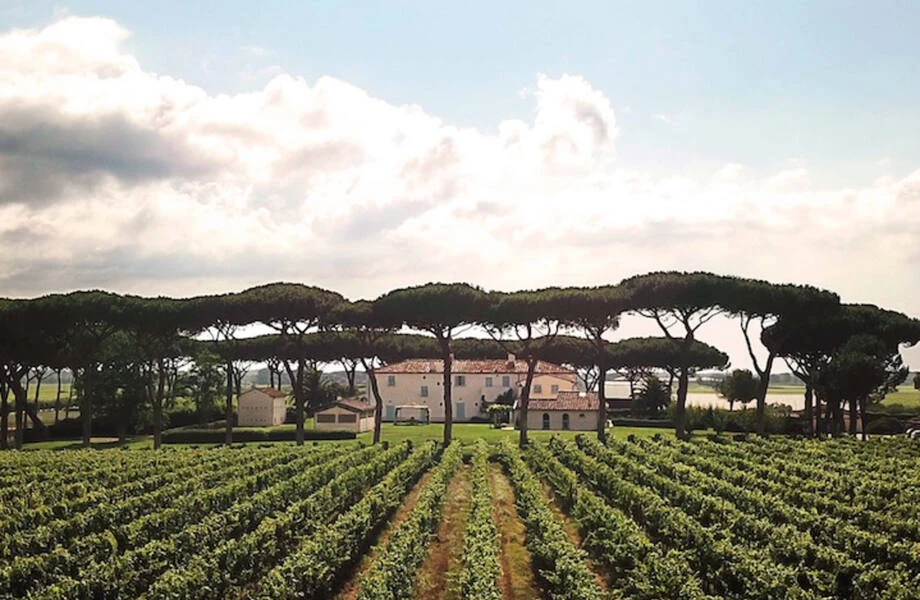
Bolgheri’s reputation rests on a specific tension. The Tyrrhenian influence moderates heat, while ferrous clay-sandy soils give red wines the structure needed for Cabernet Sauvignon, Cabernet Franc, Merlot, and Syrah to make sense in Tuscany. That is the point of interest here: not a generic countryside tasting, but a chance to read a coastal DOC through a family estate whose farming footprint is substantial without feeling industrial. The estate covers about 120 hectares, with 45 hectares under vine for Bolgheri DOC and IGT Toscana wines.
Coastal Cabernet, read through a family estate
The modern Bolgheri story is inseparable from Cabernet, yet the area works differently from the Napa shorthand often attached to the grape. Sea air, drainage, and iron-rich soils pull the wines toward structure and line rather than sheer weight. Fattoria Casa di Terra sits inside that tradition with a portfolio focused on still reds, still whites, and rosé, with Vermentino providing the coastal white counterpoint to the Cabernet-led reds.
The estate’s history gives the visit useful context. Founded in 1950, it predates much of Bolgheri’s international fame, which means the family-run identity is not a decorative flourish added after the appellation became fashionable. In a region where polished hospitality can sometimes blur the agricultural core, this is a working-winery format: vineyard ground, cellar infrastructure, and direct sales remain central to the experience.
Production details matter because they explain the style better than adjectives can. Natural yeasts are used in fermentation, and the Bolgheri Superiore program includes a measured French oak regime: 20 percent first-pass barriques, 40 percent second-pass, and 40 percent third-pass, followed by 12 months of bottle aging. That split signals restraint. New oak has a role, but it is not allowed to dominate the conversation.
The varietal set also maps Bolgheri’s identity clearly. Cabernet Sauvignon and Cabernet Franc provide the appellation’s backbone, Merlot adds breadth, Syrah widens the register, and Vermentino keeps the coastal white tradition in view. For travelers using wine as a way to understand place, this is more useful than a long, scattered tasting list. The portfolio is focused enough to show how the same site can speak through red structure and white freshness.
The tasting format favors cellar context over spectacle
The hospitality model is relaxed, casual, and educational, with standard tastings, vineyard-and-cellar tours, and private tastings available by reservation. The experience usually runs 60 to 120 minutes, which is enough time to connect the glass to the land without turning the visit into a long-form seminar. Italian and English are offered, making the estate workable for international travelers who want more than a pour-and-purchase stop.
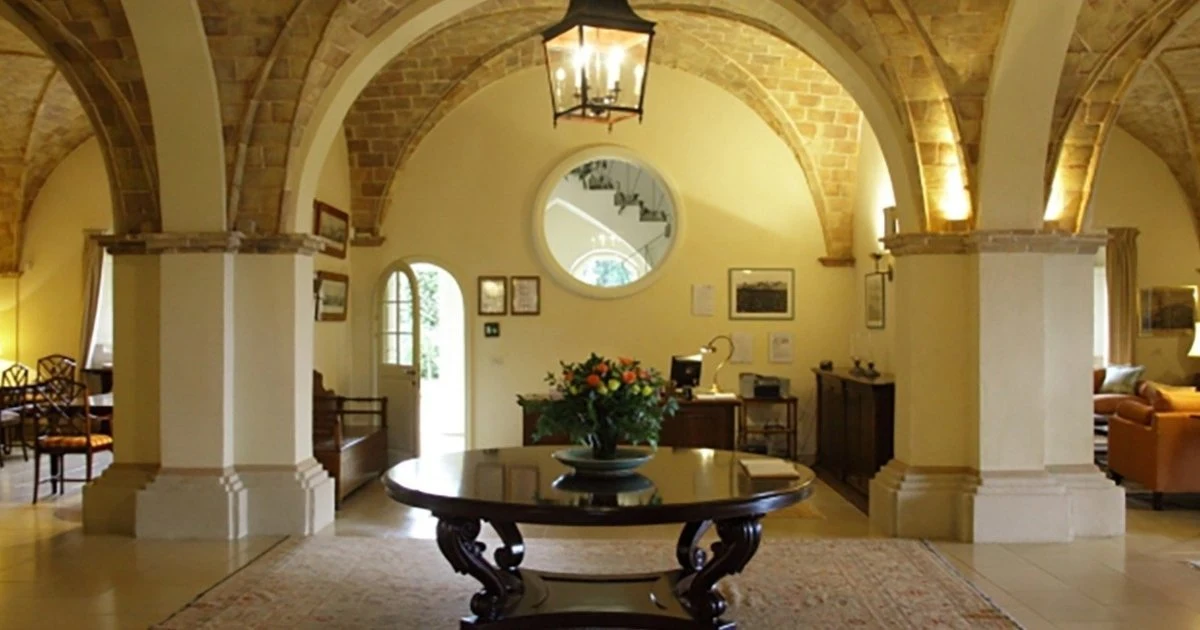
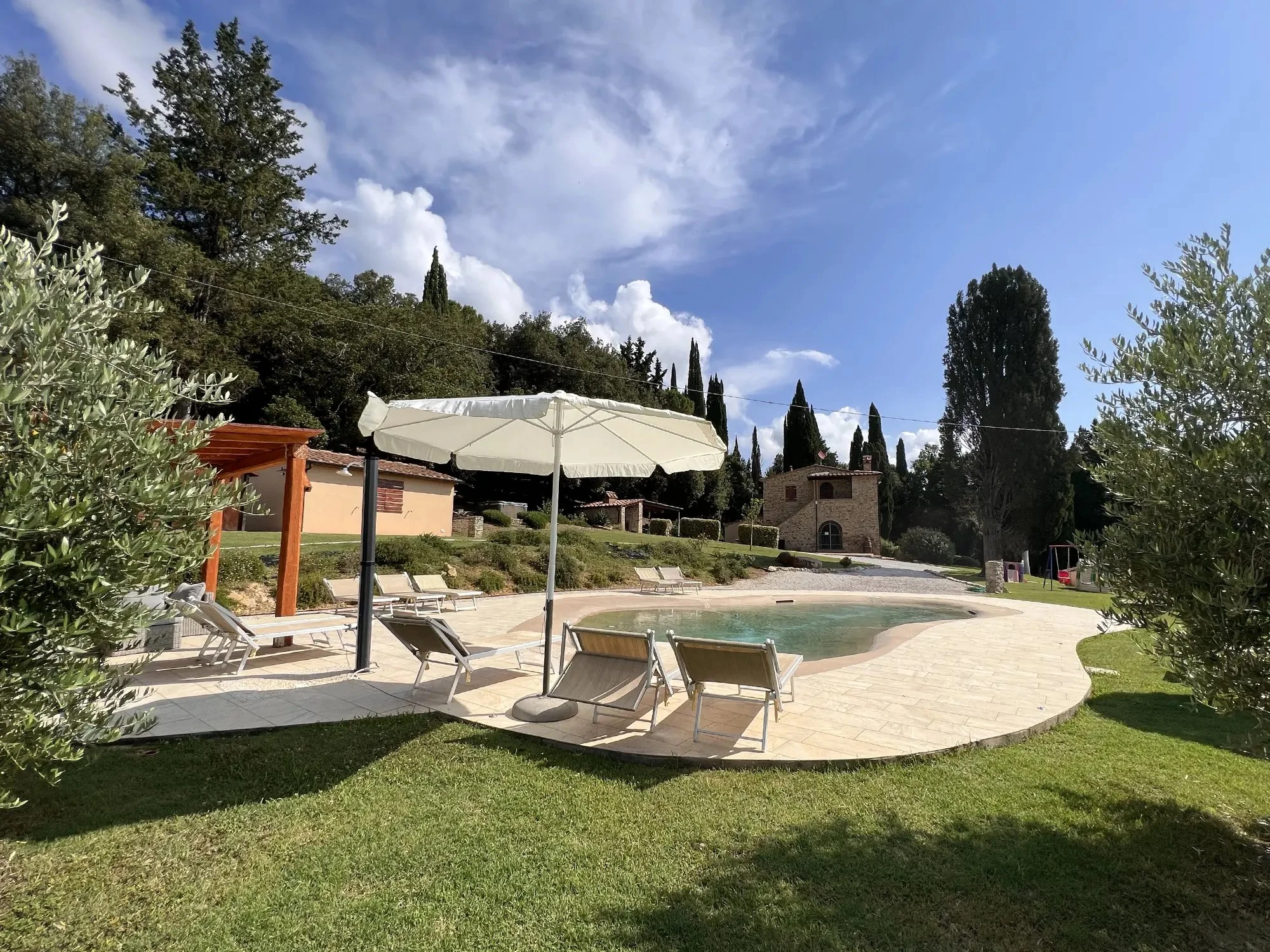
Food pairing is part of the offer, and the estate is suitable for groups and families, with a quiet noise level and outdoor seating. That combination matters in Bolgheri, where wine tourism often divides between serious collectors and casual coastal travelers. Here, the tone sits in the middle: sufficiently technical for drinkers who care about DOC structure, but not so formal that the visit becomes stiff. Casual dress fits the room better than vineyard cosplay.
The calm is part of the point. A vineyard view and garden setting shape the tempo, but the more interesting detail is how the visit keeps returning to agricultural scale and cellar practice. A 45-hectare vineyard base gives the estate enough range to present Bolgheri through multiple bottlings, while the family-run structure keeps the tasting from feeling anonymous. The result is a useful read on the appellation for visitors who want direct contact with production rather than a luxury performance wrapped around wine.
How to place it in a Bolgheri itinerary
Bolgheri rewards travelers who plan by appellation logic rather than by sightseeing alone. A tasting here makes sense for visitors interested in how Cabernet Franc, Cabernet Sauvignon, Merlot, Syrah, and Vermentino behave near the Tuscan coast, especially when the visit is paired with time elsewhere in the region’s food and lodging circuit. For broader planning, use Our full Bolgheri wineries guide, then cross-reference meals through Our full Bolgheri restaurants guide, stays through Our full Bolgheri hotels guide, drinks through Our full Bolgheri bars guide, and regional activities through Our full Bolgheri experiences guide.
Within Bolgheri’s winery map, nearby editorial reading can include Aia Vecchia, Campo alla Sughera, Castello di Bolgheri, Chiappini, and Donna Olimpia 1898. For a wider European wine-travel arc beyond Tuscany, continue with 3GP SRL in Treviso, 47 Anno Domini in Trebaseleghe, A Mano Wine in Noci, »der Steiner« Hans Steiner in Podersdorf am See, and & Handwein in Mannheim.
The editorial case for Fattoria Casa di Terra is clear: it gives Bolgheri without excess packaging. The trust signals are practical rather than trophy-led, including a 1950 founding date, Bolgheri DOC production, a defined 120-hectare estate scale, and a visit format built around vineyard and cellar access. For travelers trying to understand why this strip of coastal Tuscany became Cabernet country, the estate offers a grounded lesson in soil, sea air, and measured cellar work.
Questions
Frequently asked
How expensive is Fattoria Casa di Terra?
Fattoria Casa di Terra is listed at a price level of $$.
The field
How it compares
| Place | Notes |
|---|---|
| Fattoria Casa di Terra | Le Ferruggini / Bolgheri, $$ |
| Le Macchiole | Bolgheri |
| Le Vigne di Silvia | Bolgheri |
| Tenuta di Biserno | Bolgheri |
| Tenuta Di Vaira | Bolgheri |
| Tenuta Guado al Tasso | Bolgheri |
| Tenuta San Guido | Bolgheri |