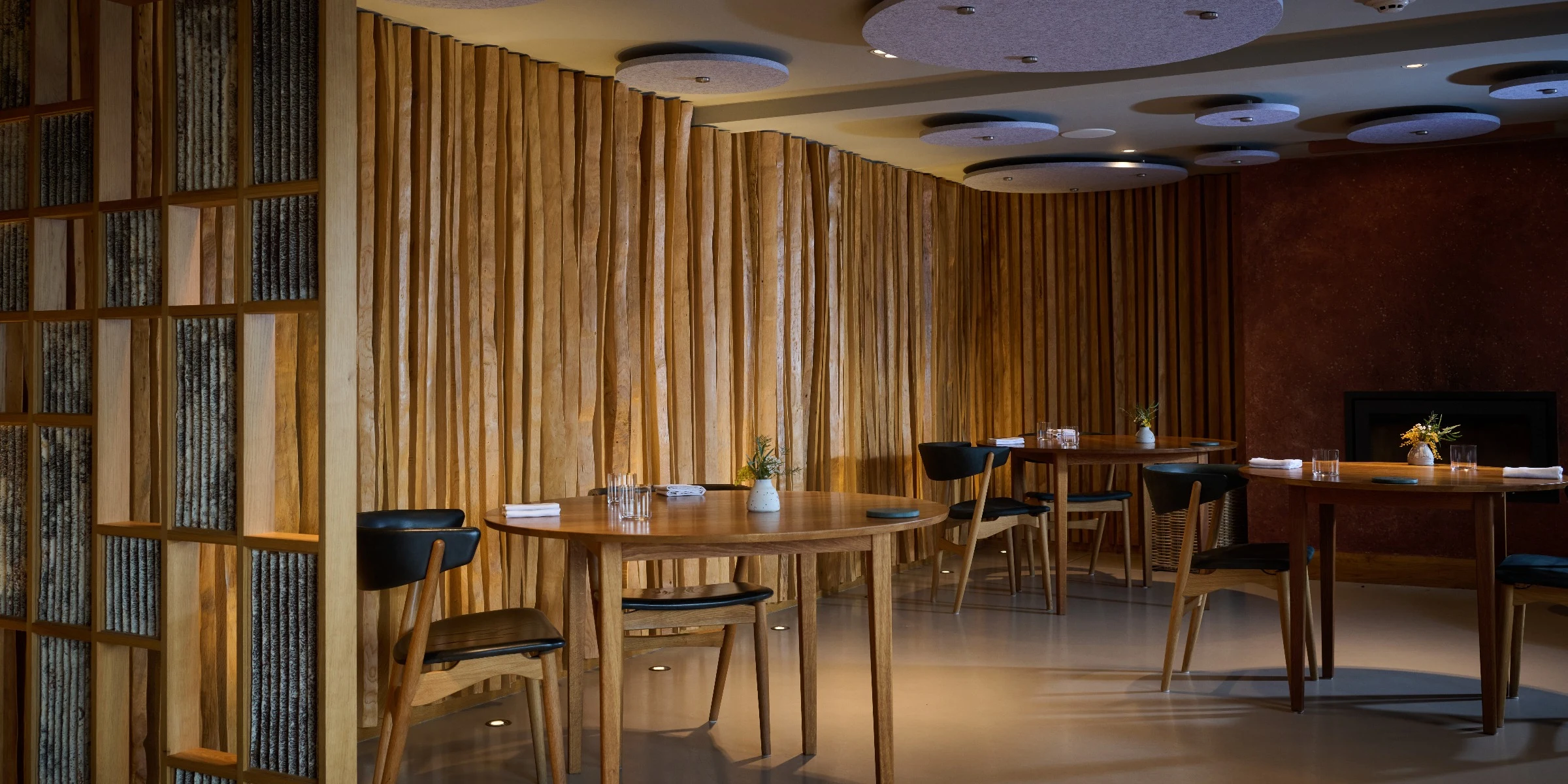
Fish & Whistle

In Residence
Jason Eckerson
Chef
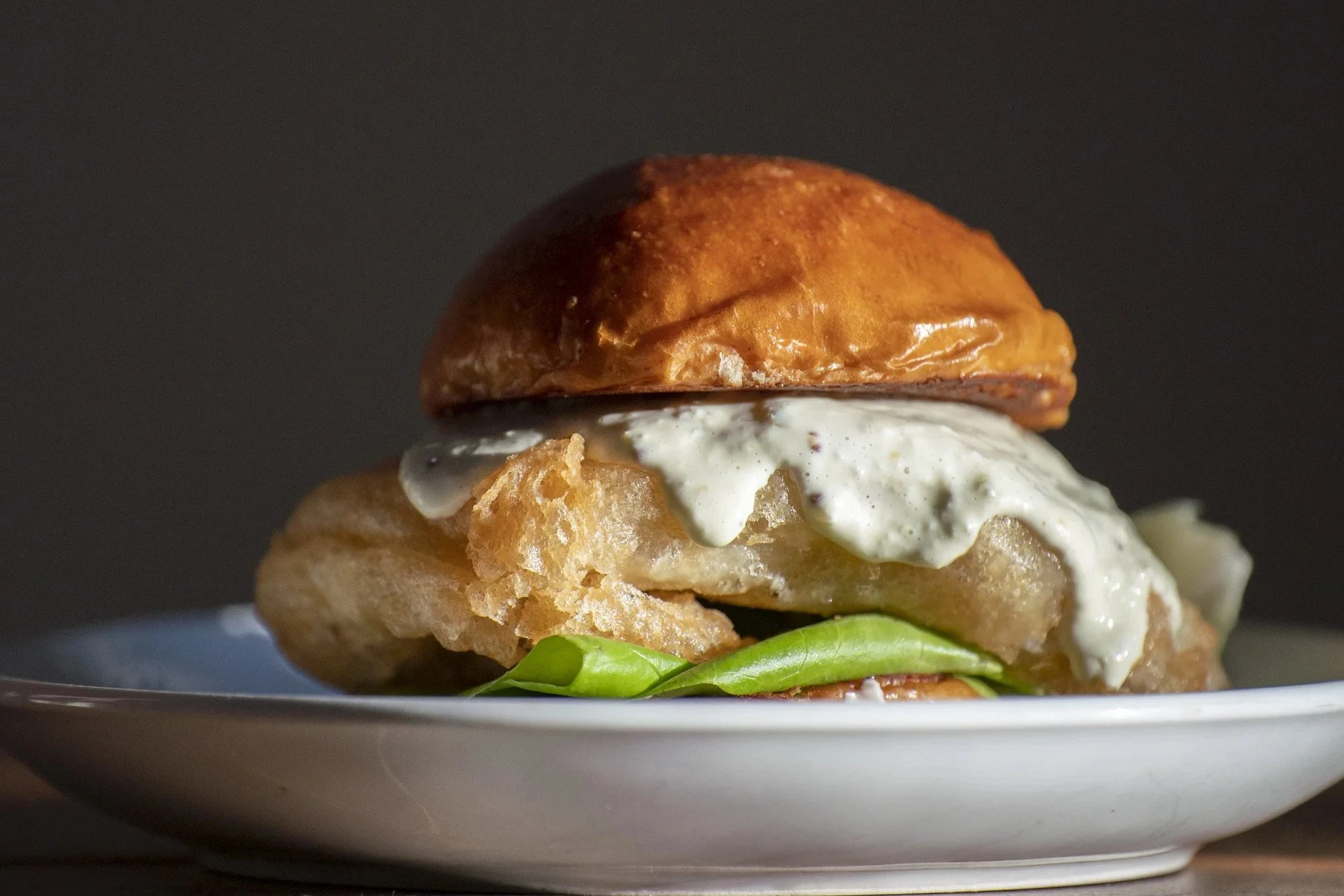
- 01CuisineNew England Fish & Chips
- 02CityBiddeford, United States
- 03RecognitionJames Beard Award
- James Beard Winner · James Beard Foundation
- James Beard Award Semi Finalist · 2025
Where the Saco River Meets the Table
Biddeford's Main Street has spent the better part of a decade shaking off its mill-town quietude. The brick facades that once housed textile industry offices now front wine bars, coffee roasters, and restaurants drawing diners from Portland, twenty minutes north, who might otherwise not venture this far down the coast. Fish & Whistle, at 299 Main Street, sits in that particular moment of a small city finding its culinary footing: not yet oversaturated with options, but no longer operating in a vacuum where any restaurant will do.
The name suggests a coastal seafood focus and a relaxed dining room. That combination, seafood seriousness alongside an ease of atmosphere, defines a growing tier of Maine coastal restaurants that are neither the white-tablecloth formality of destination dining nor the paper-basket informality of a clam shack.
Ingredient Geography: Why Coastal Maine Has a Structural Advantage
Maine coastal restaurants benefit from a direct line between ocean and kitchen. Maine lobster alone represents a commercial fishery that lands over 100 million pounds annually, giving restaurants along the southern coast access to product that arrives same-day from working docks in Saco Bay and Kennebunkport. That proximity is not incidental to quality; it is the quality.
For a restaurant like Fish & Whistle operating in this geography, the editorial question is how it positions itself relative to that supply. Southern Maine's better kitchens have increasingly moved away from treating local seafood as mere category and toward treating species, season, and method as a menu architecture. Blue Hill at Stone Barns in Tarrytown and Single Thread Farm in Healdsburg built national reputations on radically short supply chains; Maine's coastal advantage is that the supply chain is short by default, without requiring a farm-to-table ideology to manufacture it. The ocean is simply there.
Beyond lobster, the Gulf of Maine produces halibut, haddock, sea urchin, and oysters from aquaculture operations that have expanded significantly since 2010. Damariscotta River oysters have become a reference point on menus from Boston to New York. A Biddeford restaurant drawing on that oyster tradition, combined with the day-boat fishing culture of the nearby docks, is working with ingredients that restaurants in landlocked cities spend considerable effort and premium freight costs trying to replicate. Le Bernardin in New York City and Providence in Los Angeles are the canonical examples of fine-dining seafood programs built around sourcing precision; what Maine offers is the possibility of that same sourcing logic at a community scale, without the infrastructure overhead.
Biddeford's Dining Arc and Where Fish & Whistle Sits
Understanding Fish & Whistle requires understanding what Biddeford has become as a dining destination. The city's restaurant growth since 2015 tracks closely with its broader urban revival, anchored by the conversion of the Pepperell Mill campus and the influx of Portland overflow seeking cheaper rents. That demographic shift brought a more food-literate population, which in turn raised the ceiling on what local restaurants could attempt.
The restaurant cohort that emerged occupies a middle tier that Maine's coastal cities do particularly well: independent, ingredient-focused, moderate in formality, and operating without the critical infrastructure of a major metropolitan review circuit. This is a different competitive context than what frames restaurants like Smyth in Chicago, Lazy Bear in San Francisco, or Atomix in New York City, all of which operate inside award ecosystems that calibrate expectations before a guest arrives. In Biddeford, the calibration happens through word of mouth, local press, and the cumulative reputation of the Main Street corridor itself.
Fish & Whistle's address on that corridor places it inside Biddeford's emerging identity rather than at its periphery. Suite 104 at 299 Main suggests a building with multiple tenants, which is characteristic of the mill-district conversions in the area, where former industrial space has been subdivided into a mix of retail and hospitality. That physical context shapes the experience: expect an interior that reflects adaptive reuse rather than ground-up restaurant design, which in practice often means exposed structural elements, high ceilings, and a spatial generosity that newer purpose-built restaurants rarely achieve at the same price tier.
Planning Your Visit
Biddeford sits on the Amtrak Downeaster route, which runs between Boston North Station and Brunswick, Maine, with a stop at Saco, a short distance from downtown Biddeford. For visitors arriving by car, the city is approximately twenty minutes south of Portland on I-95. Maine coastal restaurants at this tier frequently adjust hours between summer and off-season, and a visit planned without confirming current operations risks a wasted trip.
For readers building a longer coastal Maine itinerary, Biddeford pairs logically with Kennebunkport to the south and Portland to the north. The driving distances are short enough to treat all three as a single extended trip rather than separate destinations.
How Fish & Whistle Reads Against Comparable Programs
Ingredient-driven restaurants in smaller American cities have found an increasingly coherent model over the past decade, and Maine's southern coast has produced several examples that reflect national trends without simply importing them. Restaurants like Oyster Oyster in Washington, D.C. and The Wolf's Tailor in Denver demonstrate that the sourcing-led approach is not confined to coastal fine dining; it has filtered down into more casual, community-oriented formats. Frasca Food & Wine in Boulder and Bacchanalia in Atlanta show what that model looks like when it matures into regional authority. Fish & Whistle, operating in a coastal geography with genuine raw-material advantages, has the inputs to belong to that conversation.
What remains to be verified is how those inputs are being used. What the geography and the city context do confirm is that the conditions for quality are present. The docks are close, the supply chain is short, and Biddeford's dining culture has reached a point where ambition at the table is no longer out of place.
Questions
Frequently asked
What recognition does Fish & Whistle hold?
Fish & Whistle holds a James Beard award.
Who works at Fish & Whistle?
Made By profiles Jason Eckerson (Chef) and Kate Hamm (Chef) at Fish & Whistle.
How expensive is Fish & Whistle?
Fish & Whistle is listed at a price level of $$.
Where is Fish & Whistle and what does it serve?
Fish & Whistle is in Downtown Biddeford, Biddeford, serving New England Fish & Chips.
The field
How it compares
| Place | Awards | Cuisine | Notes |
|---|---|---|---|
| Fish & Whistle | James Beard | New England Fish & Chips | Downtown Biddeford, $$ |
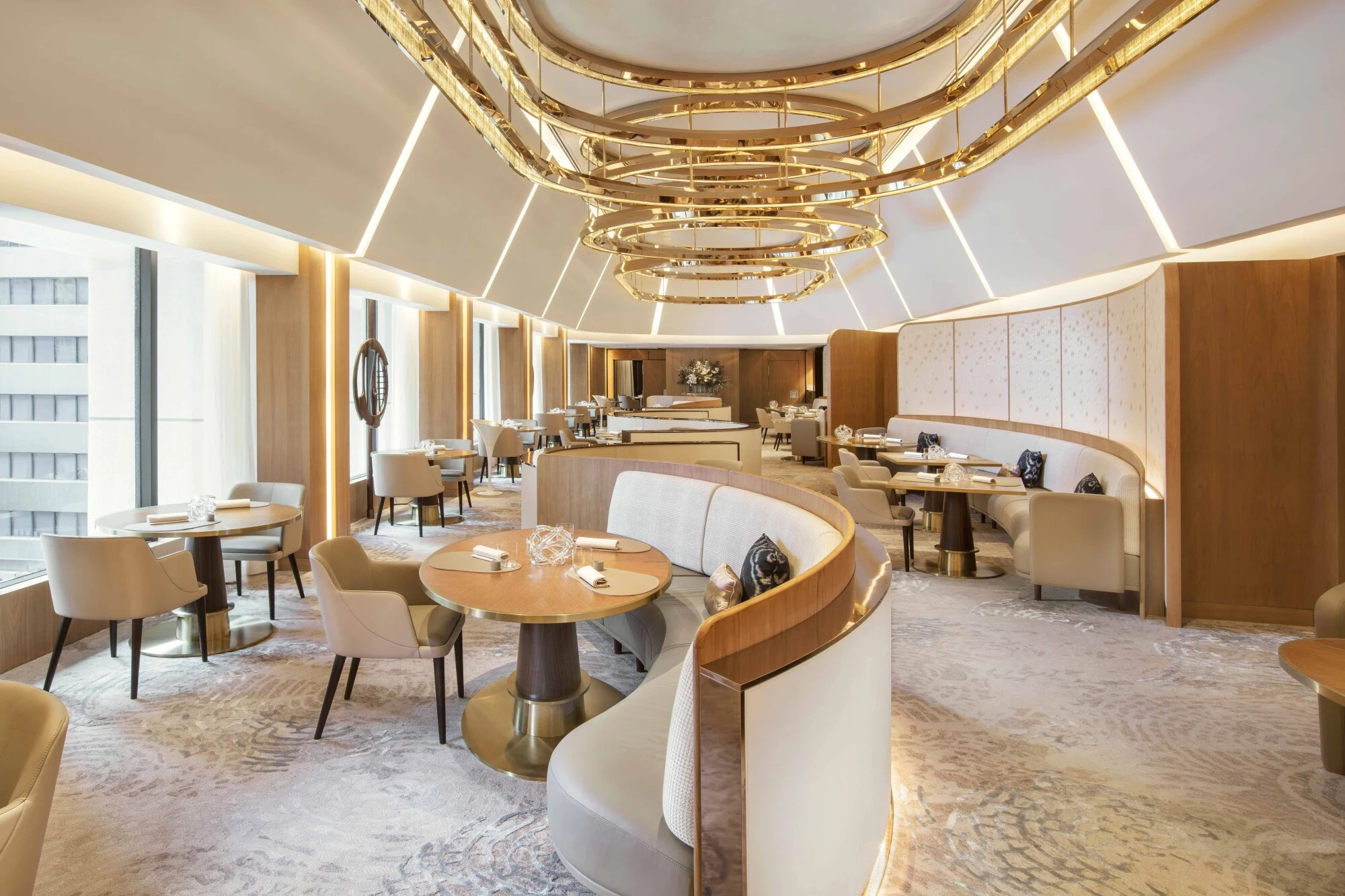
| Amber | Michelin 3 Stars, World's 50 Best | Contemporary French Fine Dining | Hong Kong |
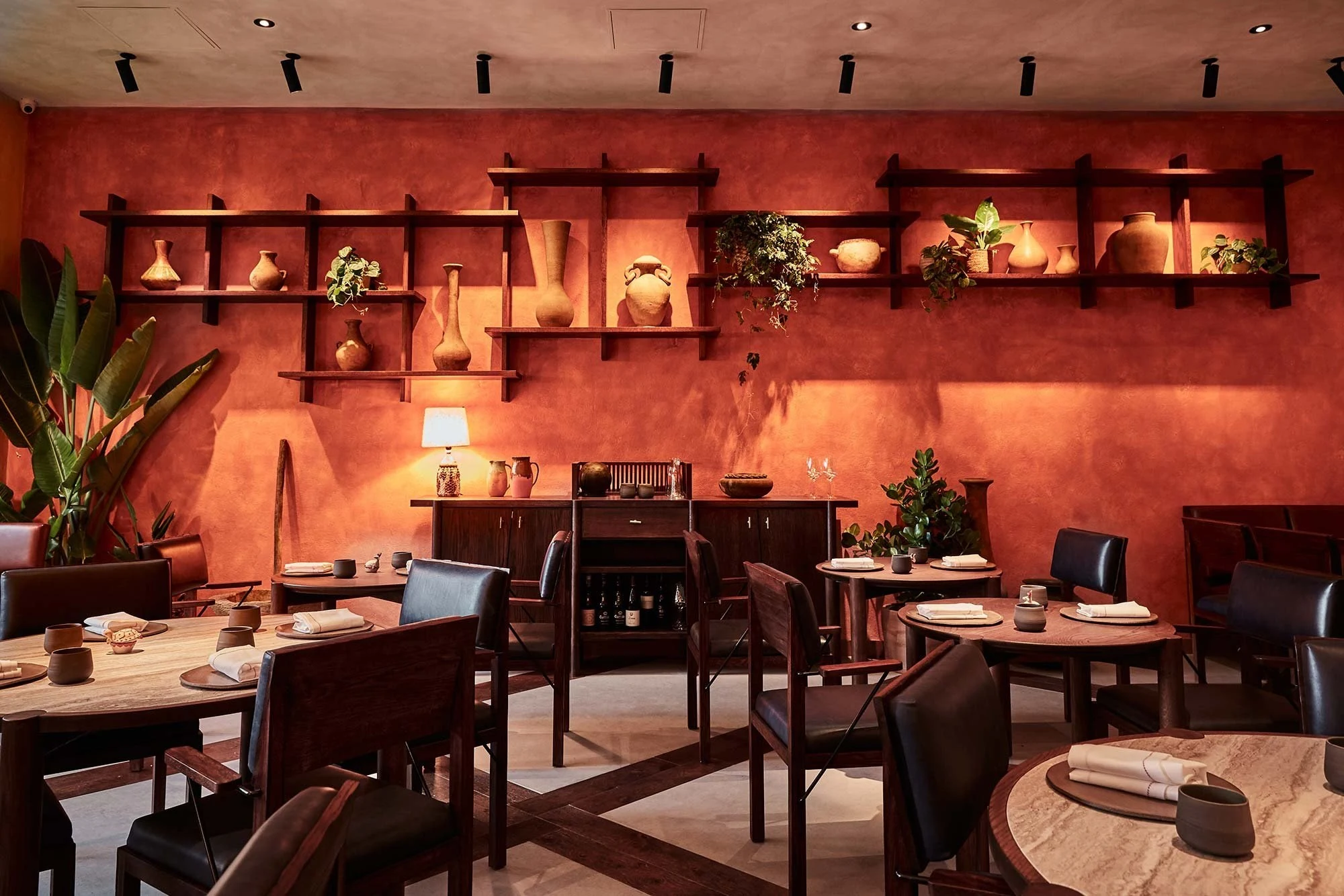
| KOL | Michelin 1 Star, World's 50 Best | Modern Mexican Fine Dining | London |
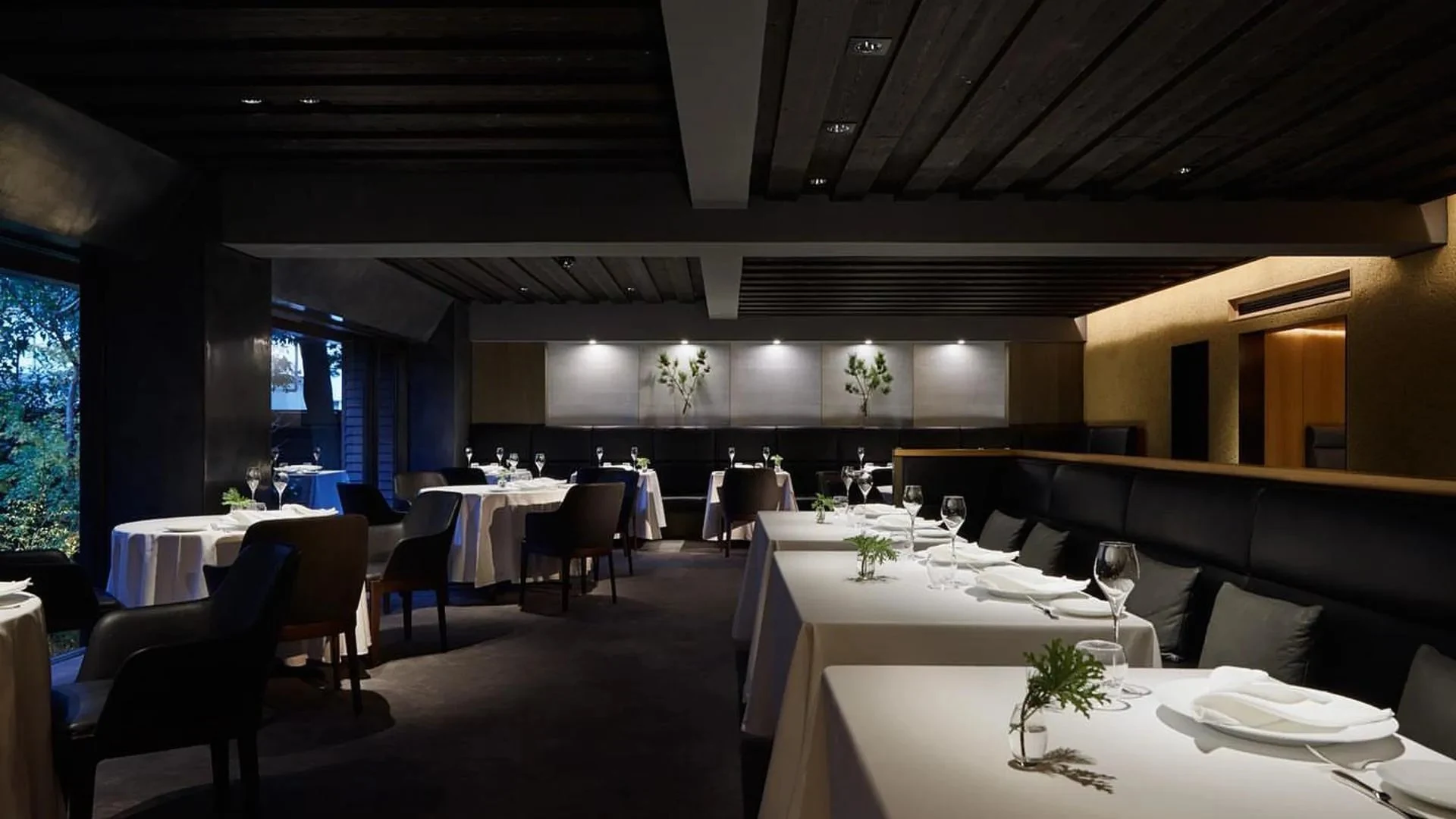
| L'Effervescence | Michelin 3 Stars, World's 50 Best | Modern French with Japanese Influences | Tokyo |
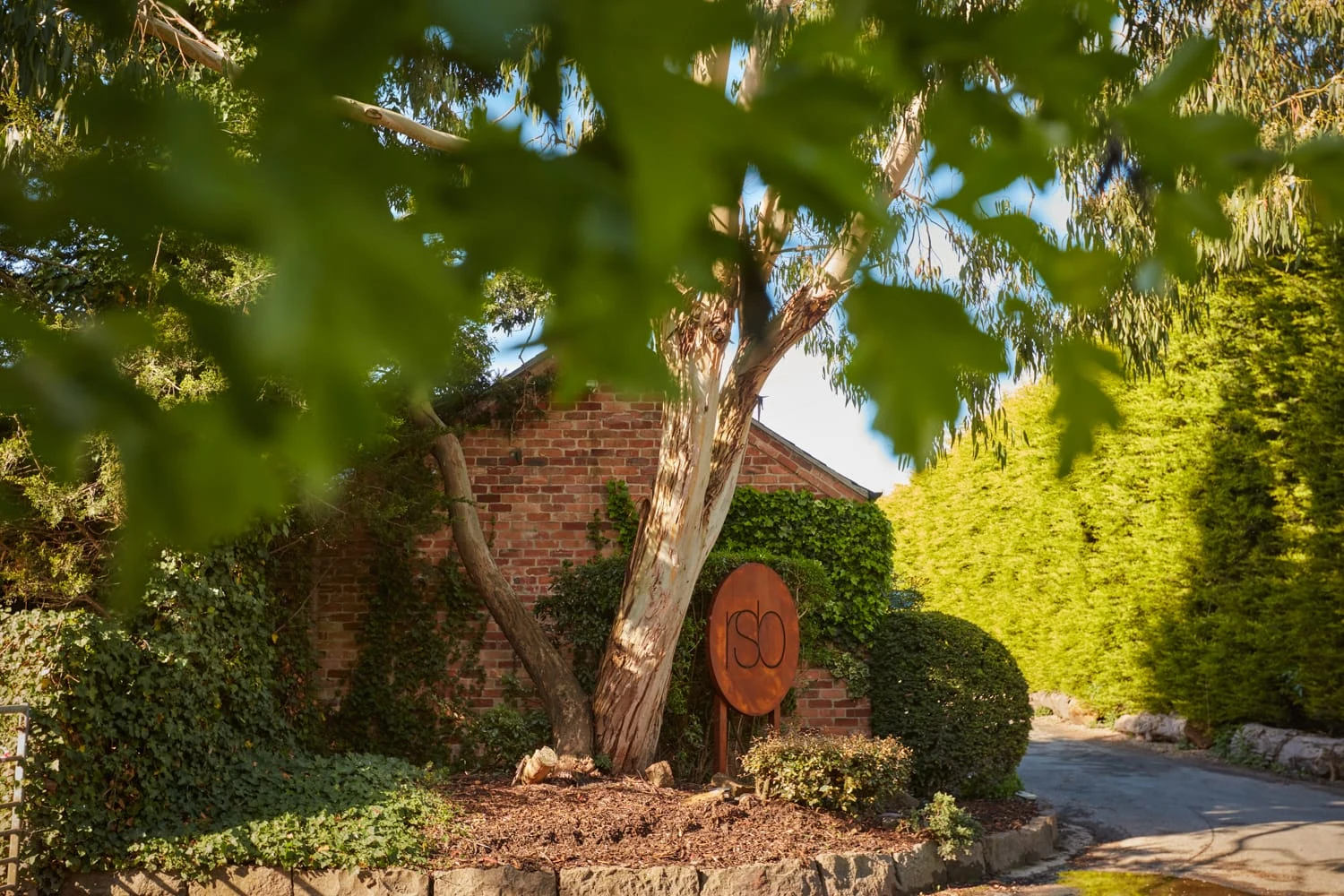
| Restaurant Sat Bains | Michelin 2 Stars | Modern British Fine Dining | Nottingham |
| The Angel | Michelin 1 Star | Modern British-Japanese Fusion | Hetton |
| The Fat Duck | Michelin 3 Stars, World's 50 Best | Modern British Molecular Gastronomy | Bray |
In residence
Similar places
Contemporary French Fine Dining
Amber
Hong Kong, Hong Kong
★★★ · 50 Best
Modern Mexican Fine Dining
KOL
London, United Kingdom
★ · 50 Best
Modern French with Japanese Influences
L'Effervescence
Tokyo, Japan
★★★ · 50 Best
Modern British Fine Dining
Restaurant Sat Bains
Nottingham, United Kingdom
★★
Modern British-Japanese Fusion
The Angel
Hetton, United Kingdom
★
Modern British Molecular Gastronomy
The Fat Duck
Bray, United Kingdom
★★★ · 50 Best