- Falstaff Winery - Listed · 2026
Flaherty Wines Limitada is best understood as a small, boutique winery experience rather than a large-scale visitor stop. Its profile places it in the Aconcagua Valley context, with a relaxed rural atmosphere and a simple sales-room presence. The emphasis is informal, owner-run hospitality: intimate tours, tastings, and home-style wine-pairing lunch rather than a highly staged tourism format. In practical terms, that means the venue reads less like a destination built around spectacle and more like a personal introduction to a working wine setting, where the pace, scale, and tone are all part of the appeal.
For travelers in Valparaiso, the appeal is the scale. This is the kind of winery where the experience is framed around a closer encounter with the place and the people presenting it. The draw is not a long list of extras, nor a polished visitor complex, but the chance to spend time in a setting that feels rural, direct, and comparatively unforced. For guests who enjoy wine travel because of conversation, atmosphere, and a sense of proximity to the producer, that smallness is a strength rather than a limitation.
Aconcagua winery hospitality at a small scale
The most reliable way to describe Flaherty Wines Limitada is as a boutique Aconcagua Valley winery with an informal, rural character. Rather than building the visit around claims about grape varieties, production figures, awards, or restaurant-style service, the grounded story is simpler: small-scale wine hospitality, intimate tours, tastings, and a home-style wine-pairing lunch. That simplicity matters, because it keeps expectations aligned with what is actually confirmed. The venue is best approached as a compact, personal stop where hospitality is the central feature, not as a comprehensive wine attraction with a broad menu of visitor infrastructure.
That makes the venue useful for visitors who prefer a personal, low-key winery experience. The setting is not presented as a formal dining room, and the description points instead to an owner-run atmosphere. Guests should expect the visit to feel closer to a hosted winery encounter than a polished, high-volume tourism operation. The difference is important: the value lies in intimacy, informality, and the feeling that the tasting and lunch are connected to the place itself, rather than separated into a more standardized tourism product.
The confirmed editorial value is the combination of boutique scale, Aconcagua Valley context, informal hosting, tastings, tours, and home-style wine-pairing lunch. Taken together, those elements create a clear profile: this is a modest, rural wine stop for people who prefer a closer and more conversational style of visit. It is not necessary to overstate the offer, because the appeal already sits in the restrained nature of the experience.
The hospitality format is closer to a hosted winery visit than wine tourism spectacle
The experience works because the hospitality matches the scale. Flaherty Wines Limitada is described as informal and owner-run, with intimate tours and tastings forming the core of the visit. The home-style wine-pairing lunch is part of that same relaxed hospitality profile rather than evidence of a conventional restaurant operation. In other words, the lunch should be understood as an extension of the hosted winery experience: a way to sit with the wines in a more comfortable, domestic-feeling context, not as a separate dining concept competing with full-service restaurants.
That makes this a stronger fit for travelers interested in a quieter winery visit than for visitors chasing a grand tasting room or a heavily choreographed luxury experience. It is particularly suited to guests who are comfortable with a simpler format and who see value in being closer to the hosts and the setting. Visitors expecting a large venue, extensive facilities, or a highly produced presentation may find the scale too restrained, but those seeking a more personal encounter are more likely to understand the point of the place.
For context within broader travel planning, Valparaiso can be approached as a base for varied dining and wine-related experiences. Flaherty Wines Limitada stands out here not because of confirmed awards or scale, but because its profile is intimate, informal, and boutique. That distinction helps position it honestly: the winery belongs in an itinerary as a characterful small stop, not as a headline attraction built around grandeur. Its role is to add texture to a wine-focused day by offering a quieter, more rural counterpoint to busier or more formal experiences.
How to place it within a Chile-focused wine itinerary
Flaherty Wines Limitada makes sense as a small Aconcagua Valley stop for travelers who value informal, owner-run hospitality. Its character is rural and relaxed, with a simple sales-room element and a focus on tours, tastings, and home-style wine-pairing lunch. It should not be framed as a large visitor complex, a formal restaurant, or an award-led destination unless more specific information is available. The best planning approach is to treat it as a boutique visit whose charm depends on modest scale, personal hosting, and a slower rhythm.
The editorial read is clear: this is a modest, boutique winery experience in Valparaiso for guests who want a closer, less theatrical encounter with Aconcagua Valley wine hospitality. At $20 per person, it is also direct to position as an accessible stop, provided travelers confirm current arrangements directly before planning around it. With expectations set correctly, the venue’s strengths are easy to understand: informality, proximity, and a home-style approach to tasting and lunch within a rural Aconcagua Valley context.
Questions
Frequently asked
Who works at Flaherty Wines Limitada?
Made By profiles Ed Flaherty (Winemaker) at Flaherty Wines Limitada.
How expensive is Flaherty Wines Limitada?
Flaherty Wines Limitada is listed at a price level of $$.
The field
How it compares
| Place | Notes | Awards |
|---|---|---|
| Flaherty Wines Limitada | Sector El Tambo, Santa María, $$ | · |
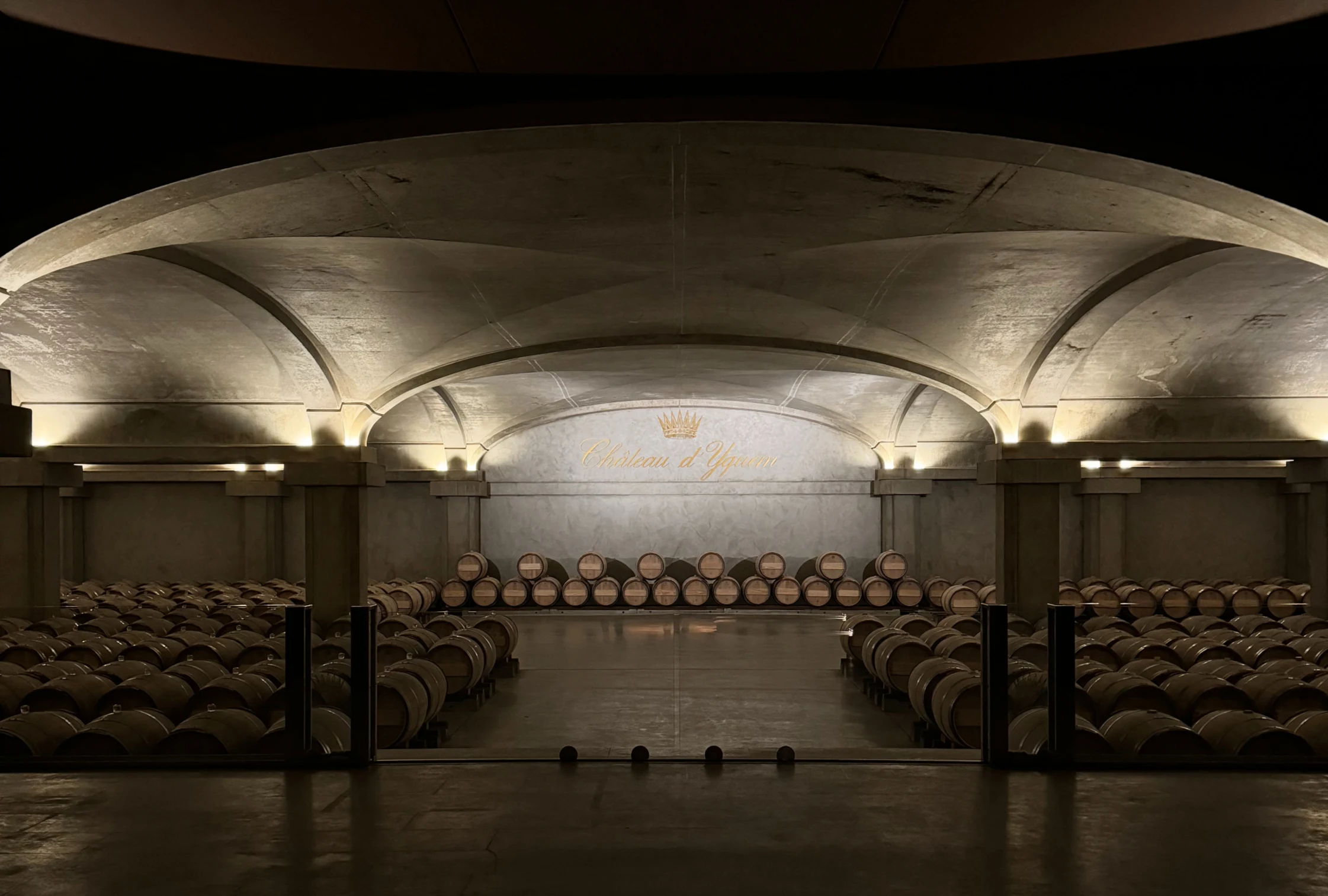
| Château d'Yquem | Sauternes | World's 50 Best |
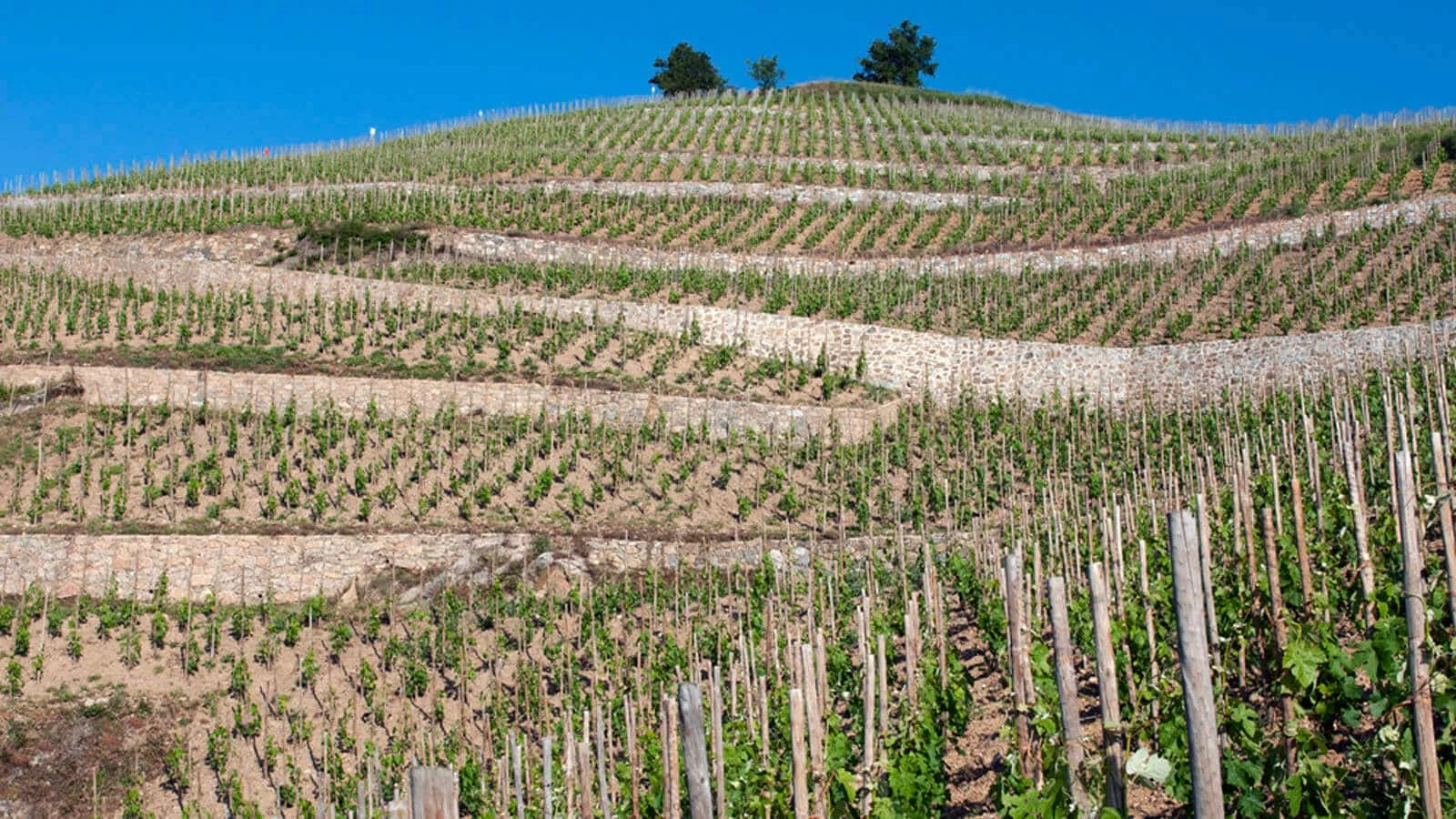
| Domaine Jean-Louis Chave | Mauves | · |
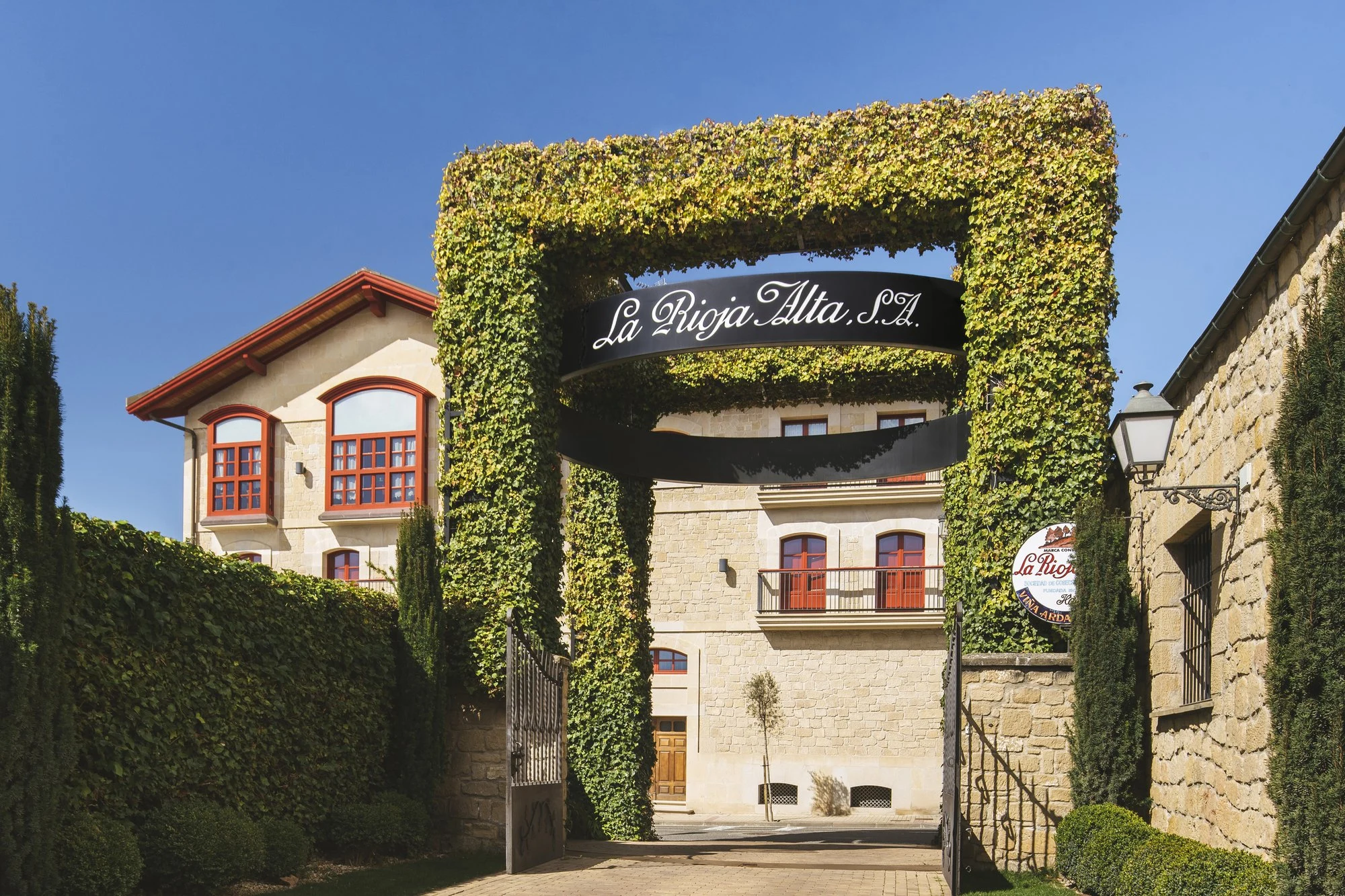
| La Rioja Alta | Haro | · |
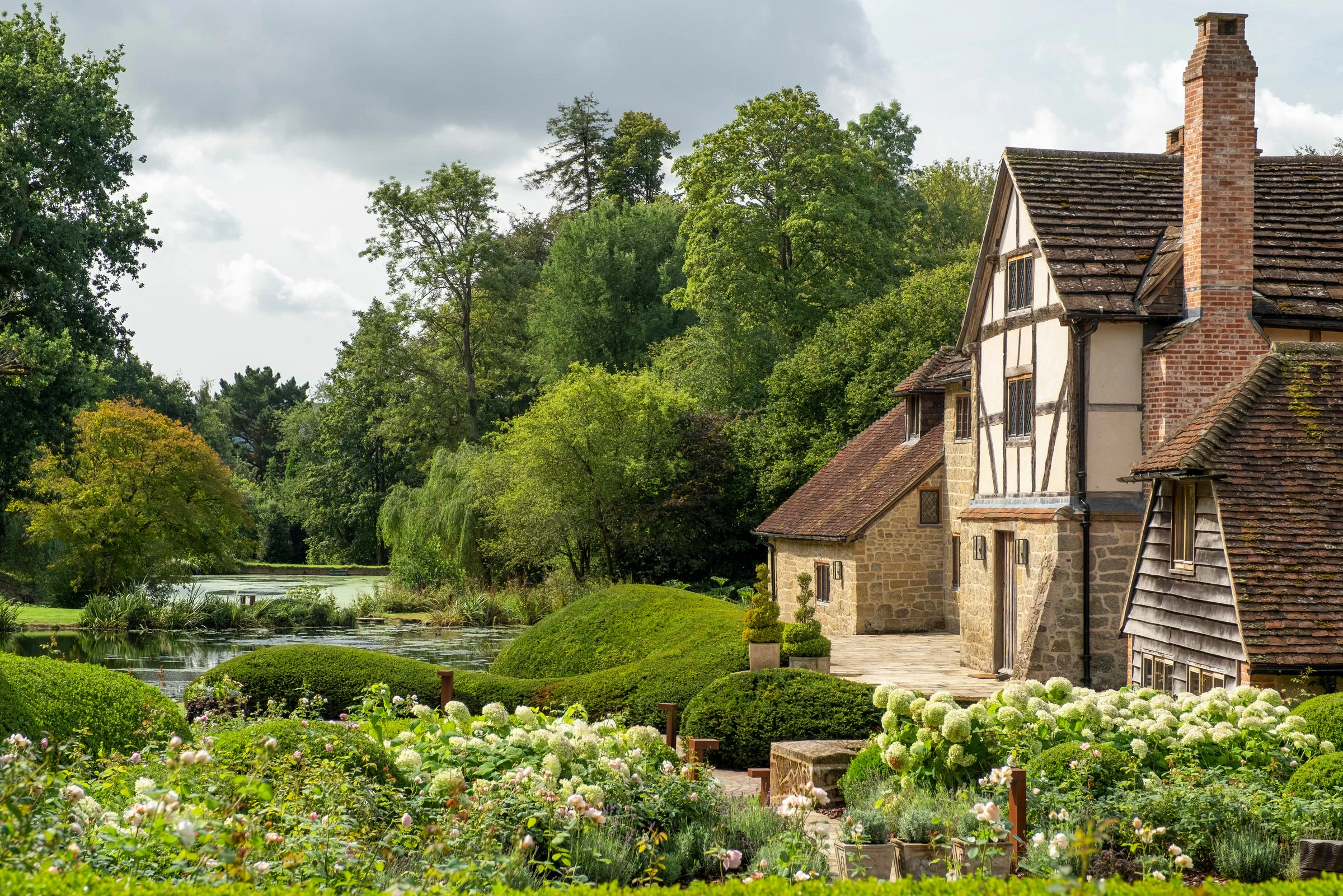
| Nyetimber | Horsham | World's 50 Best |
| Scarecrow | Napa | · |
| Viña San Esteban | Valparaiso | · |