- Falstaff Winery - Listed · 2026
Francesco Iandolo in Brignano Frascata is best understood as a small, artisanal hillside estate rather than a broad hospitality complex. The picture is quiet and rural: calcareous, stony vineyards at about 350 m, an elegant but rustic atmosphere, and a focus on one white variety. In other words, its identity comes less from a long checklist of amenities and more from a particular combination of place, scale, and restraint.
The appeal is therefore narrow in a useful way. This page should not be read as confirming an extensive list of services, dishes, awards, hours, or visit formats. The grounded story is simpler: a hidden-gem estate in Brignano Frascata with a technically minded, passionate owner-winemaker and a setting shaped by hillside vineyards. That narrower framing is important, because it keeps expectations aligned with what is actually known: a rural wine address with a clear point of view, not a fully documented destination venue with every operational detail already established.
A single white variety as the whole argument
The information points to a focused estate built around one white variety. Without confirmed public detail here on the grape name, cellar protocol, production numbers, or labels, the safest way to read Francesco Iandolo is through its concentration rather than through an invented wine list. The absence of a broader confirmed catalogue does not make the profile weaker; it simply shifts the attention toward the discipline of doing one thing with care.
That concentration is still meaningful. A small estate working among calcareous, stony vineyards at 350 m has a more specific identity than a general countryside venue. The interest lies in place, scale, and a disciplined white-wine focus. Those stony, calcareous vineyards are not decorative background in the description; they are central to how the estate is presented, giving the page a sense of hillside precision rather than open-ended rural charm.
For readers, this means approaching the estate with the right kind of curiosity. The useful question is not how many labels, services, or formats can be confirmed from the public record, but how a compact estate in this particular setting expresses a focused white-wine idea. That is a quieter kind of appeal, but also a clearer one.
Pricing is listed at $25 per person. Beyond that, confirmed details on formats, reservation rules, duration, included items, or hospitality services are not available in the public record, so planning should be kept flexible. The listed price is a practical anchor, but it should not be stretched into assumptions about what is included or how a visit is structured.
A technical temperament applied to a rural site
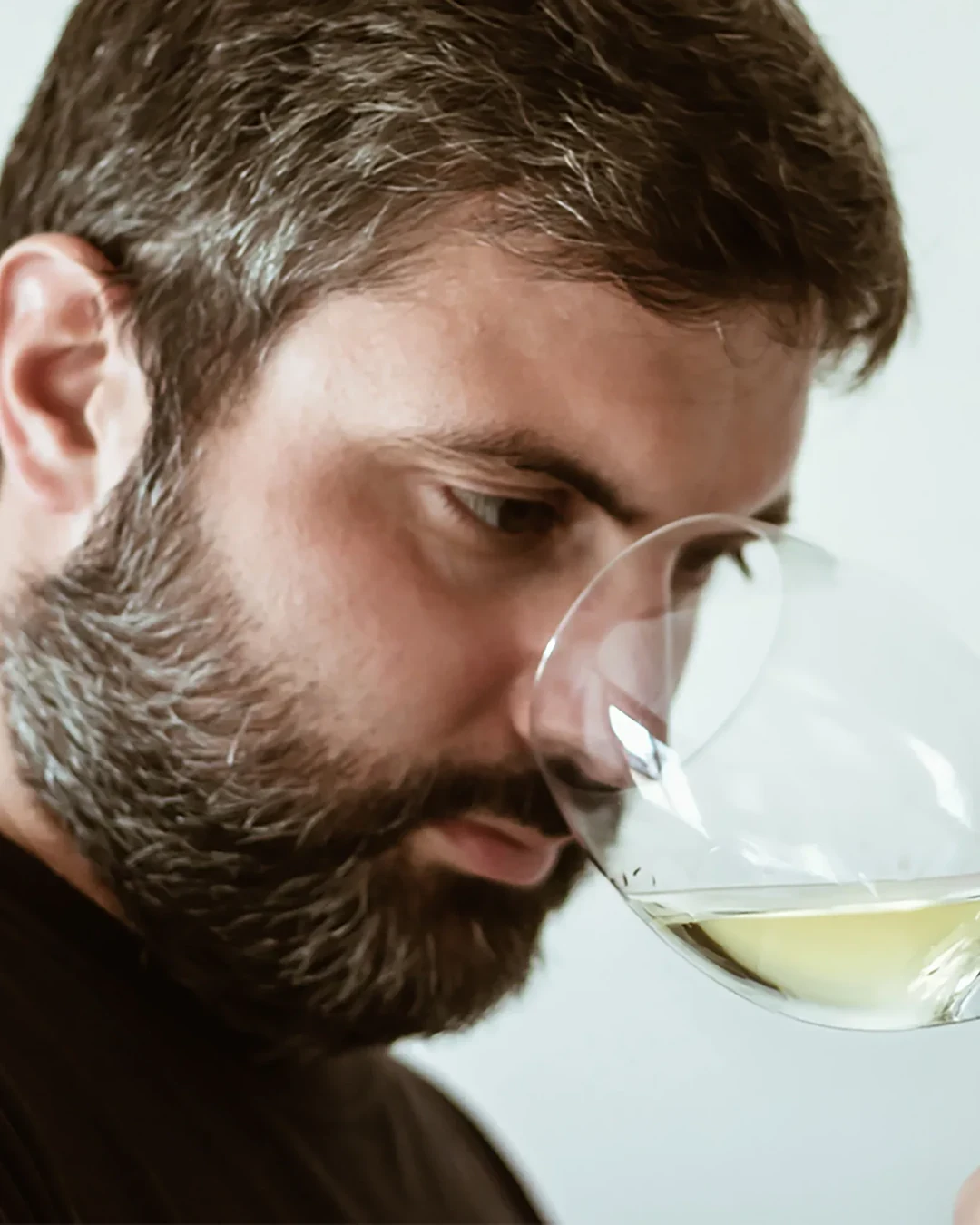
The estate is associated with a technically minded yet passionate owner-winemaker. That combination gives the profile its character: careful, focused, and grounded in the vineyard rather than in spectacle. It suggests an approach where the rural setting is not just a scenic frame, but the working context for a precise, personal wine identity.
The land carries much of the appeal. The setting is hillside Brignano Frascata, with calcareous, stony vineyards at around 350 m. The atmosphere is quiet, rural, scenic, elegant, rustic, and discreet. Those qualities work together rather than separately: rustic does not mean rough, elegant does not mean formal, and scenic does not imply a polished resort atmosphere. The tone is more understated than expansive.
No confirmed claim is available here for formal awards, production scale, farming certification, founding date, or cellar equipment. Those details should not be assumed. What is is the estate’s small artisanal identity, its single-white-variety focus, and its hillside vineyard context. Keeping to those facts is part of reading the venue accurately: the confidence of the listing comes from a few firm points, not from embellishment.
This also helps distinguish the estate from more generalized hospitality listings. Francesco Iandolo is not presented through a sequence of facilities or a broad culinary programme, but through the temperament of its wine work and the physical character of its vineyards. The result is a compact profile, with the technical and the pastoral held in balance.
How to read the experience in Brignano Frascata
Francesco Iandolo is a strong fit for readers who value a focused rural wine identity over a highly programmed venue profile. Its strengths are atmosphere, setting, and concentration: a small hillside estate in Brignano Frascata, surrounded by calcareous, stony vineyards and centred on one white variety. The best expectation is therefore modest but attentive, with the estate understood as a place of specificity rather than breadth.
It also sits better in a wine-focused plan than in a general dining crawl. Readers planning the wider area can place it alongside other Brignano Frascata dining, lodging, bar, and experience options as needed, while treating any unconfirmed operational details as something to verify directly before visiting. That is especially important here, because the page does not confirm a wider hospitality structure, fixed visit model, or detailed service list.
For comparison, the most relevant reference point here is Francesco Iandolo itself: a small, quiet, artisanal hillside estate in Brignano Frascata with a clear white-wine focus and a listed price of $25 per person. Its value in the guide lies in that clarity. It is a compact rural wine address whose appeal depends on focus, setting, and a restrained sense of craft rather than on a large number of confirmed extras.
Questions
Frequently asked
Who works at Francesco Iandolo?
Made By profiles Francesco Iandolo (Winemaker) at Francesco Iandolo.
How expensive is Francesco Iandolo?
Francesco Iandolo is listed at a price level of $$$.
The field
How it compares
| Place | Notes |
|---|---|
| Francesco Iandolo | Cà dell’Aglio, $$$ |
| Château Rayas | Châteauneuf-du-Pape |
| Domaine Georges Roumier | Chambolle-Musigny |
| Domaine Hubert Lamy | Saint-Aubin |
| Domaine Jean-Louis Chave | Mauves |
| Domaine Leflaive | Puligny-Montrachet |
| Masseto | Castagneto Carducci |