- Falstaff Winery - Listed · 2026
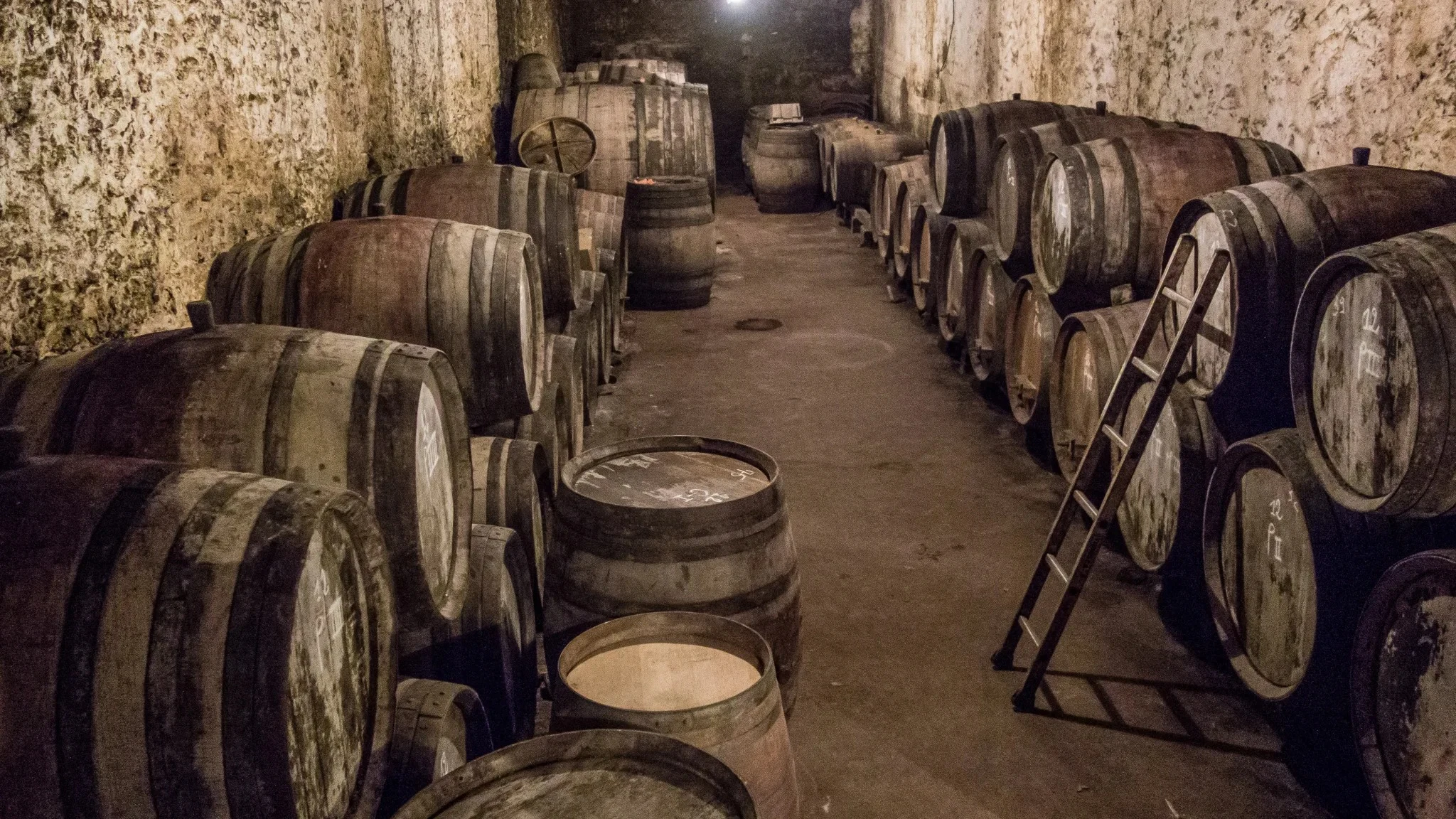
In Grana Monferrato, Garrone is best understood as a historic, family-run Monferrato winery rather than a generic tasting stop or a simple point on a wine map. The appeal is its classic rural setting: a traditional cellar from the 1920s, oak barrels, and an atmosphere shaped by craftsmanship and vineyard heritage. Those elements give the place a grounded identity, where the experience is defined less by novelty and more by continuity, material character and the feeling of being close to the agricultural culture of the area. For broader trip planning, the regional context sits naturally alongside our full Grana Monferrato wineries guide, with dining and overnight choices covered in our full Grana Monferrato restaurants guide and our full Grana Monferrato hotels guide.
Monferrato identity, read through cellar heritage
The serious interest here is the setting and sense of continuity. Garrone presents a rustic, classic expression of Monferrato wine culture, with the cellar and barrels doing much of the storytelling. In a region where the landscape, villages and wine traditions are closely bound together, that kind of physical setting can be more revealing than an overproduced hospitality narrative. Rather than leaning on claims about specific wines, formats or accolades, the reliable picture is simpler: a family-run winery in Grana Monferrato with a traditional cellar from the 1920s and a focus on vineyard heritage.
That restraint matters because small wine venues are often over-described with details that are not always publicly confirmed. A place like this is best approached through the facts that are clear and the atmosphere those facts support. What can be said with confidence is that Garrone fits the mood of a cozy, scenic and romantic Monferrato stop, especially for visitors who value old cellar fabric and a craft-led atmosphere over spectacle. The point is not to frame it as a showpiece, but as a winery whose character come from age, family continuity and the practical beauty of traditional cellar space.
The price level is listed as $$. Beyond that, specific claims about tasting formats, production methods, grape varieties, vineyard size, payment options, shipping, languages or group arrangements should be checked directly with the winery before planning a visit. That kind of confirmation is especially useful for travellers trying to coordinate a day across several rural stops, where expectations around timing and services can make a meaningful difference to the flow of the itinerary.
A family cellar where heritage is infrastructure
Family history is central to the identity of Garrone. The venue is described as a historic family-run Monferrato winery, and that heritage is expressed physically through its traditional 1920s cellar and oak barrels. Here, heritage is not just a theme or decorative language; it is part of the infrastructure of the place. The cellar, the barrels and the rural context together create a sense of work carried through time. The result is a classic, rustic atmosphere rather than a highly polished hospitality concept.
The strongest reason to seek it out is the combination of place and mood: hidden-gem character, cozy rural charm, and a setting tied to the vineyard range of Grana Monferrato. It is a venue for travellers who are drawn to craftsmanship, cellar heritage and the quiet romance of Monferrato wine country. That romance should be understood in an understated way: not as theatrical luxury, but as the appeal of a cellar that feels connected to its setting and to the traditions that shaped it. For visitors who prefer texture, age and authenticity of atmosphere, those qualities are the substance of the visit.
Because only limited operational information is here, visitors should confirm current arrangements directly with Garrone before relying on assumptions about hours, reservations, tastings, languages, accessibility, payment methods or services. That practical step does not diminish the appeal; it simply keeps expectations aligned with what is confirmed. It also suits the character of a family-run rural winery, where the most rewarding visits are often the ones planned with care and a little patience.
How to place Garrone in a Monferrato itinerary
Grana Monferrato rewards slower routing. Garrone belongs in an itinerary built around wine-country atmosphere, village pacing and classic cellar heritage rather than quick checklist tourism. The experience makes most sense when allowed to sit within the broader rhythm of Monferrato: unhurried movement, attention to landscape, and time for small places whose value is carried in setting and continuity. Visitors building a fuller day can pair the winery context with our full Grana Monferrato experiences guide, then use our full Grana Monferrato bars guide for the evening end of the itinerary.
Read that way, Garrone does not need inflated claims to be compelling. Its value is focused and persuasive: a historic family-run Monferrato winery in Grana Monferrato, with a traditional cellar from the 1920s, oak barrels, a rustic classic mood, and a strong sense of craftsmanship and vineyard heritage. For the right traveller, that is enough: a place to understand through atmosphere, inherited structure and the quiet pull of Monferrato wine country, rather than through a long list of promises.
Questions
Frequently asked
Who works at Garrone?
Made By profiles Marco Garrone (Winemaker) at Garrone.
How expensive is Garrone?
Garrone is listed at a price level of $$.
The field
How it compares
| Place | Notes | Awards |
|---|---|---|
| Garrone | Grana Monferrato, $$ | · |
| Château Margaux | Margaux | World's 50 Best |
| Château Rayas | Châteauneuf-du-Pape | · |
| Domaine Henri Jayer | Burgundy | · |
| Domaine Hubert Lamy | Saint-Aubin | · |
| Vega Sicilia | Valbuena de Duero | · |
| Yamazaki (Suntory) | Shimamoto | · |