Giewont
In Residence
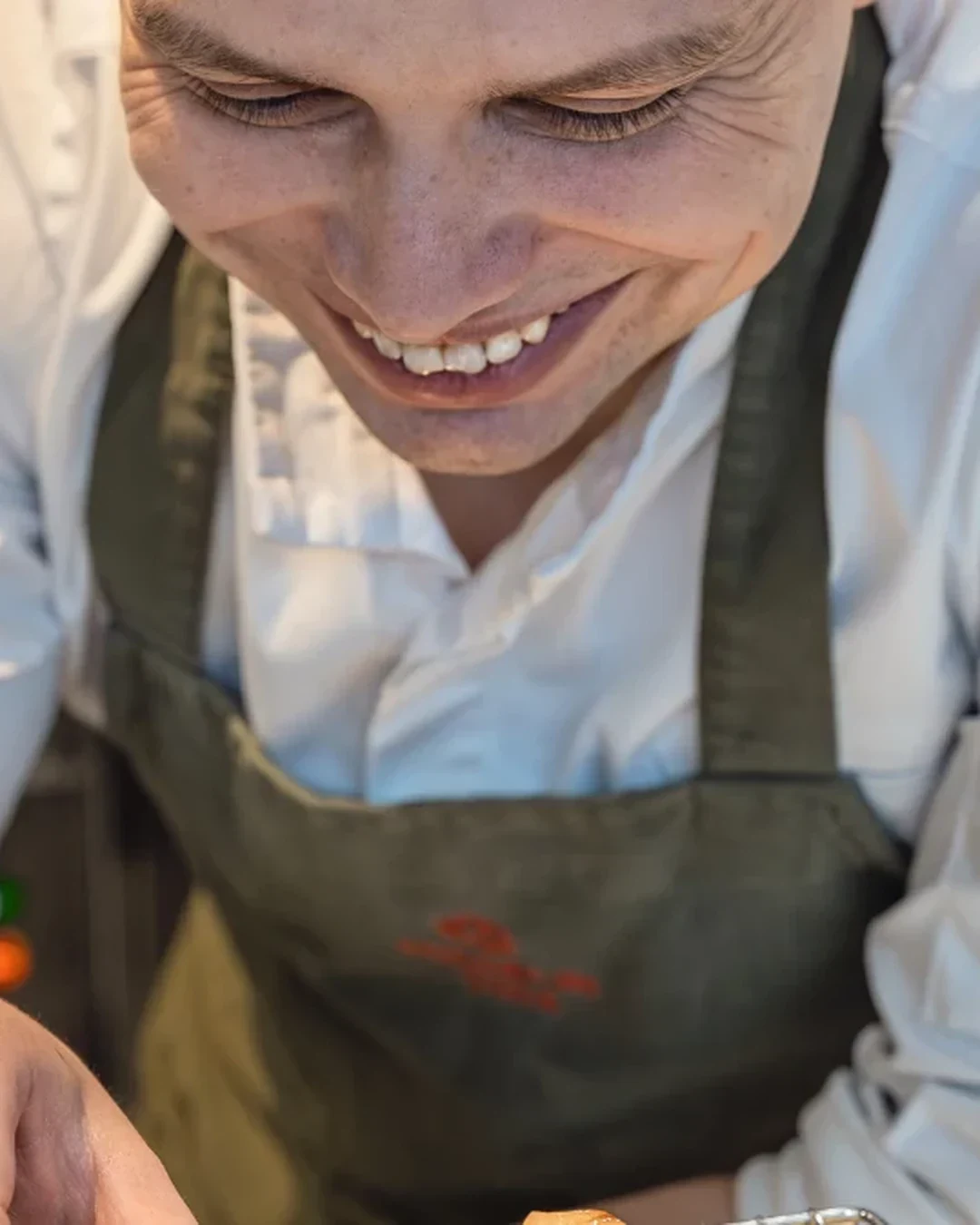
Przemek Sieradzki
Chef
- 01CuisineModern French-Polish Fine Dining
- 02CityKościelisko, Poland
- 03RecognitionOne Michelin Star
- 1 Michelin Star · Michelin Guide
- Wine Spectator · Tier 1
- Star Wine List · 2026
- Wine Spectator Award of Excellence · 2026
- Michelin 1 Star · 2026
- Michelin 1 Star · 2025
- The Best Chef One Knife · 2025
- La Liste Top Restaurants: 75pts · 2025
- Michelin 1 Star · 2024
A Mountain Setting With Serious Credentials
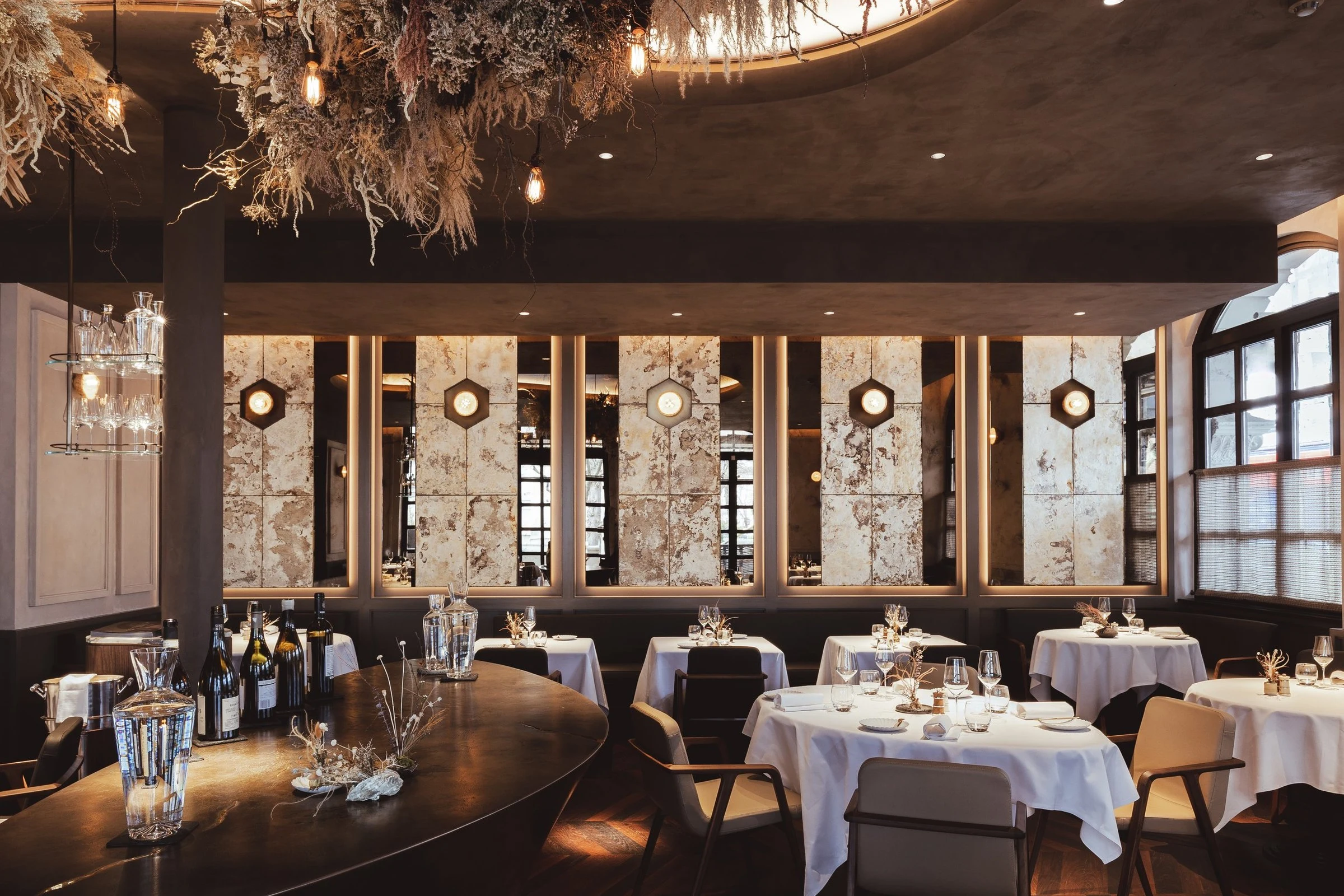
The approach to Kościelisko, a quiet village folded into the foothills south of Zakopane, does not immediately suggest a Michelin-starred dining room. The Tatra range dominates everything here: forested ridgelines, stone-walled farmhouses, and the long shadow of Giewont peak, which climbs to 1,895 metres above sea level. That altitude is not incidental backdrop. At Restaurant Giewont on Nędzy Kubińca, floor-to-ceiling glass walls ensure the mountain is present throughout every course, framing a dining room whose architecture has been composed around the view rather than competing with it. The spacious interior sits in deliberate harmony with the region's character, the kind of considered restraint that signals a kitchen taking its surroundings seriously.
The restaurant earned a Michelin star in 2024, placing it among a small cohort of Polish fine-dining addresses recognised at an international level. For the Tatra region, these credentials are significant. Fine dining in mountain resort areas often coasts on scenery; Giewont has accumulated the kind of external validation that comes from consistent kitchen performance rather than real-estate advantage.
Polish Fine Dining Beyond the City Circuit
Poland's Michelin-starred restaurant scene has historically clustered in its major cities. Bottiglieria 1881 Restaurant in Kraków holds two Michelin stars. Arco by Paco Pérez in Gdańsk, hub.praga in Warsaw, and Muga in Poznań anchor the urban end of the country's modern cuisine conversation. Giewont's position outside that circuit matters editorially. A Michelin star in a skiing village argues that the guide's assessors found kitchen discipline that stands independently of the metropolitan context that typically produces such recognition. The comparison is instructive: Warsaw and Kraków restaurants operate inside dense hospitality ecosystems with year-round professional audiences. Kościelisko draws a seasonal crowd, primarily skiers in winter and hikers in warmer months, and Giewont has built a programme around that reality without compromising on standard.
Drukarnia Smaku Cristina in nearby Zakopane represents the broader southern Polish dining scene, but starred restaurants with this level of international ranking are absent from the immediate vicinity. That scarcity is part of the context. Giewont does not have a tier of competitors directly around it, which places the burden of standard-setting on the kitchen itself rather than on competitive pressure from neighbours. Whether that isolation has sharpened or sheltered the restaurant's ambition is a fair question, and the Michelin star suggests the former.
The Kitchen's Approach: Produce, Tasting Menus, and the French-Polish Axis
Chef Przemek Sieradzki's programme at Giewont reflects a training arc visible in the menu's dual sourcing logic. Influences and produce travel from both Poland and France, creating a dialogue between local terroir and classical French technique that has become a recognisable signature in a subset of Central European modern kitchens. Documented examples from the restaurant's record include sirloin sourced from Zaczyk, prepared with evident attention to Polish beef traditions, alongside asparagus from France, described as plump and well-selected. The kitchen is not simply applying French method to Polish ingredients, nor is it presenting Polish regionalism as sufficient in itself. It is working along a more considered axis, one where sourcing decisions carry editorial weight.
This approach positions Giewont inside a broader movement in European fine dining, where chefs trained in or influenced by French classical tradition are recontextualising that knowledge through the lens of their home country's produce and culinary memory. The conversation is active across the continent: at Frantzén in Stockholm, the Scandinavian-meets-Japanese synthesis has become the template for Nordic luxury; at FZN by Björn Frantzén in Dubai, that method travels internationally. In Poland, the French-Polish axis is a younger project, and Sieradzki's kitchen in the Tatras is one of the cleaner examples of it operating outside a capital city context.
The menu architecture supports this reading. Three tasting menus run alongside an à la carte: a classic format, a seasonal version, and a vegan option. Offering a vegan tasting menu at this tier is a meaningful signal; it requires the kitchen to apply the same level of technique and composition to a format that many starred restaurants still treat as an afterthought. The presence of three distinct menu pathways suggests a kitchen confident enough in its range to offer genuine differentiation rather than a single chef's tasting sequence with token alternatives.
Atmosphere, Format, and the Dining Room Experience
Kościelisko is part of the broader Zakopane area, a destination long associated with affluent Polish winter tourism. The village draws skiers who prefer a quieter base than Zakopane itself, and the dining room at Giewont reflects that demographic: a spacious interior designed for comfort over density, positioned inside an area where the accommodation category skews toward upscale mountain chalets and boutique hotels rather than budget infrastructure. For visitors building a trip around the region, our full Kościelisko hotels guide covers the accommodation options that make sense alongside a dinner reservation here.
The floor-to-ceiling glass is the room's defining architectural gesture. It does what that format always promises and rarely delivers: a genuine integration of the landscape into the meal. The Giewont peak at 1,895 metres is large enough, and close enough, to fill that glass without the view feeling distant or postcard-flat. What the architecture demands of a kitchen is that the food justify the setting rather than shelter behind it. The Michelin star and the La Liste placement suggest the kitchen has met that test.
Google reviews sit at 4.6 from 611 ratings, a signal of consistent guest experience rather than a statistical outlier. At restaurants in remote or seasonal locations, review scores can fluctuate sharply as a function of tourist volume and expectation mismatch. A 4.6 average across more than five hundred reviews in a mountain village implies a consistent service standard that holds across the seasonal mix of visitors.
Planning a Visit
Restaurant Giewont is closed Monday and Tuesday. From Wednesday through Friday, service runs from 2 PM to 10 PM. Saturday mirrors that window, and Sunday opens an hour earlier at 1 PM, running through to 10 PM. The à la carte format means a visit does not require committing to a full tasting sequence, though the kitchen's profile suggests the tasting menus are the more complete expression of the programme. The price range sits at €€€€.
The address is Nędzy Kubińca 4, Kościelisko, a short distance from the main Zakopane area. For those exploring the southern Polish region more broadly, our Kościelisko bars guide, wineries guide, and experiences guide map the broader offer around the village. The full Kościelisko restaurants guide sets Giewont in context with the other dining options in the area.
Questions
Frequently asked
What recognition does Giewont hold?
Giewont holds 1 Michelin star.
Who works at Giewont?
Made By profiles Przemek Sieradzki (Chef) at Giewont.
How expensive is Giewont?
Giewont is listed at a price level of $$$$.
Where is Giewont and what does it serve?
Giewont is in Kościelisko, Kościelisko, serving Modern French-Polish Fine Dining.
The field
How it compares
| Place | Awards | Cuisine | Notes |
|---|---|---|---|
| Giewont | Michelin 1 Star | Modern French-Polish Fine Dining | Kościelisko, $$$$ |
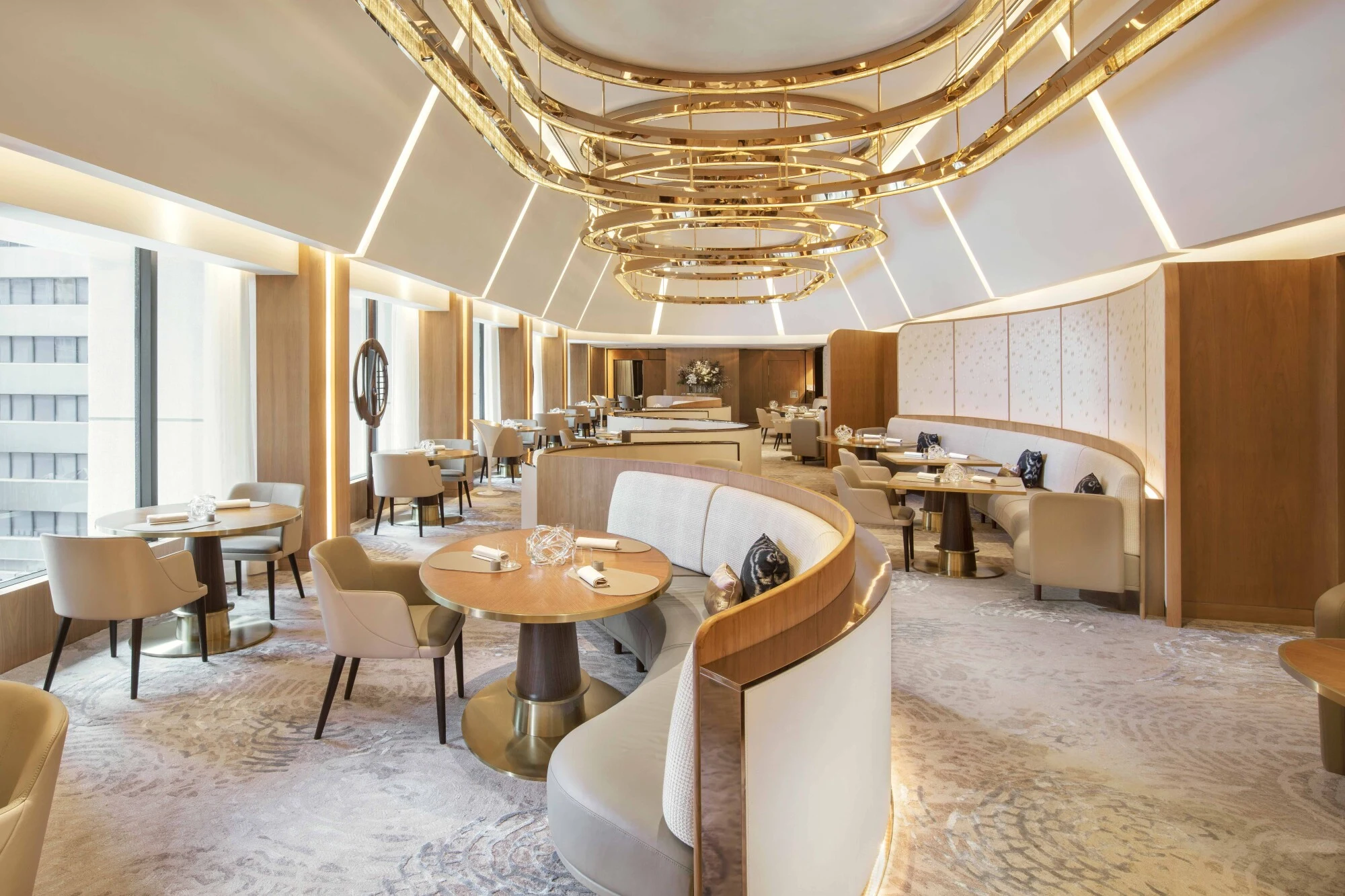
| Amber | Michelin 3 Stars, World's 50 Best | Contemporary French Fine Dining | Hong Kong |
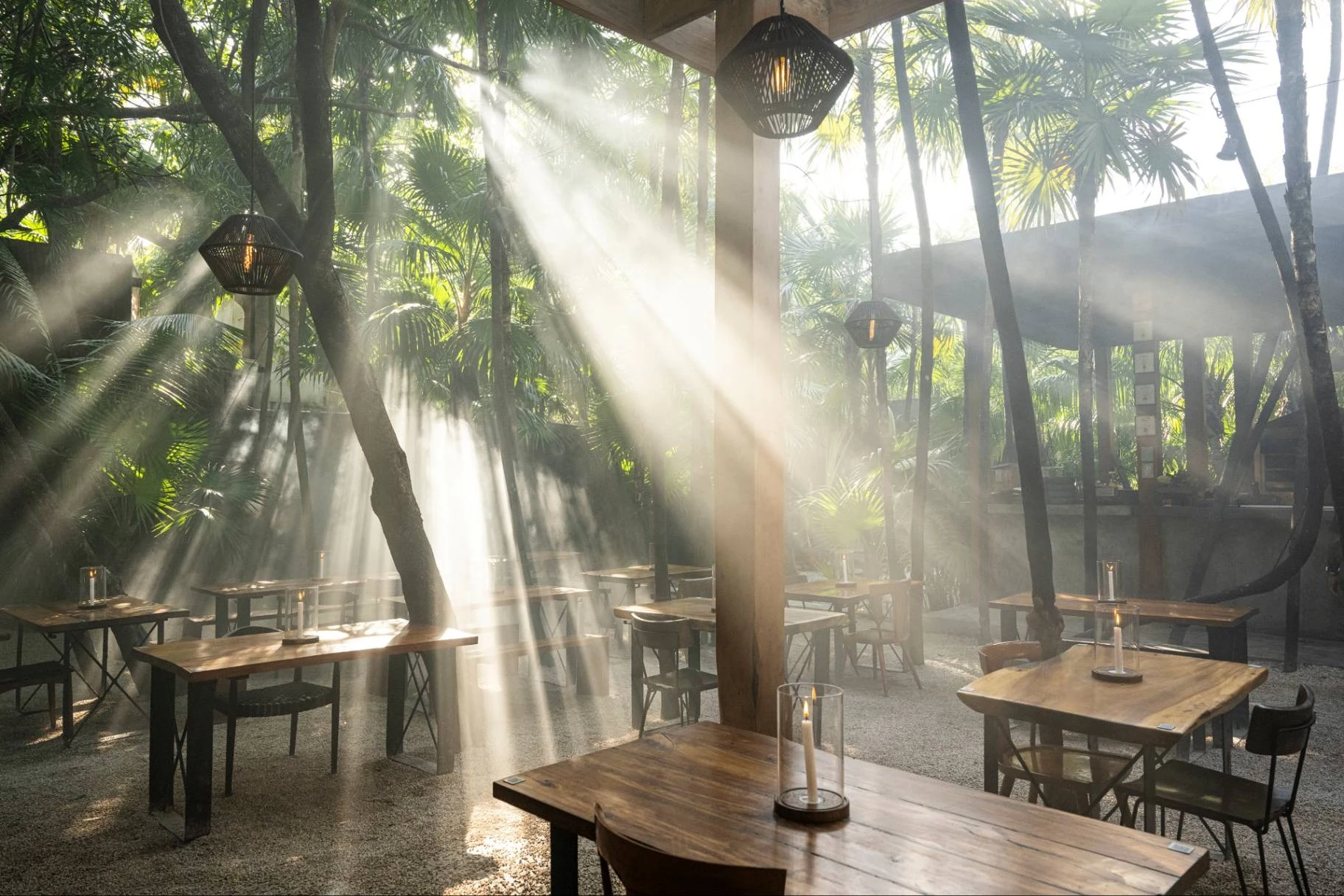
| Arca | World's 50 Best | Modern Yucatan Fire-Cooked Small Plates | Tulum |
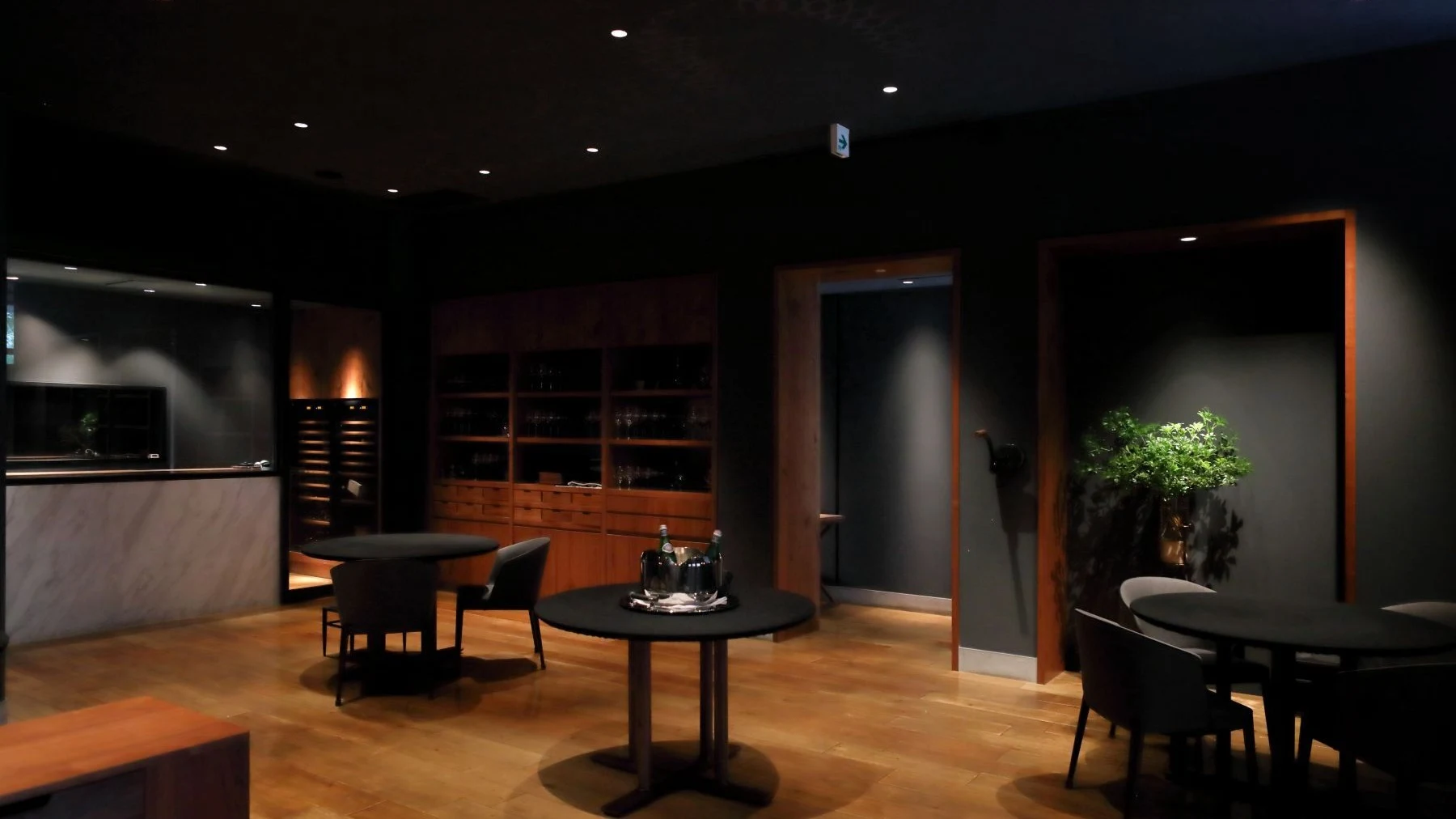
| La Cime | Michelin 2 Stars, World's 50 Best | Modern French with Japanese Ingredients | Osaka |
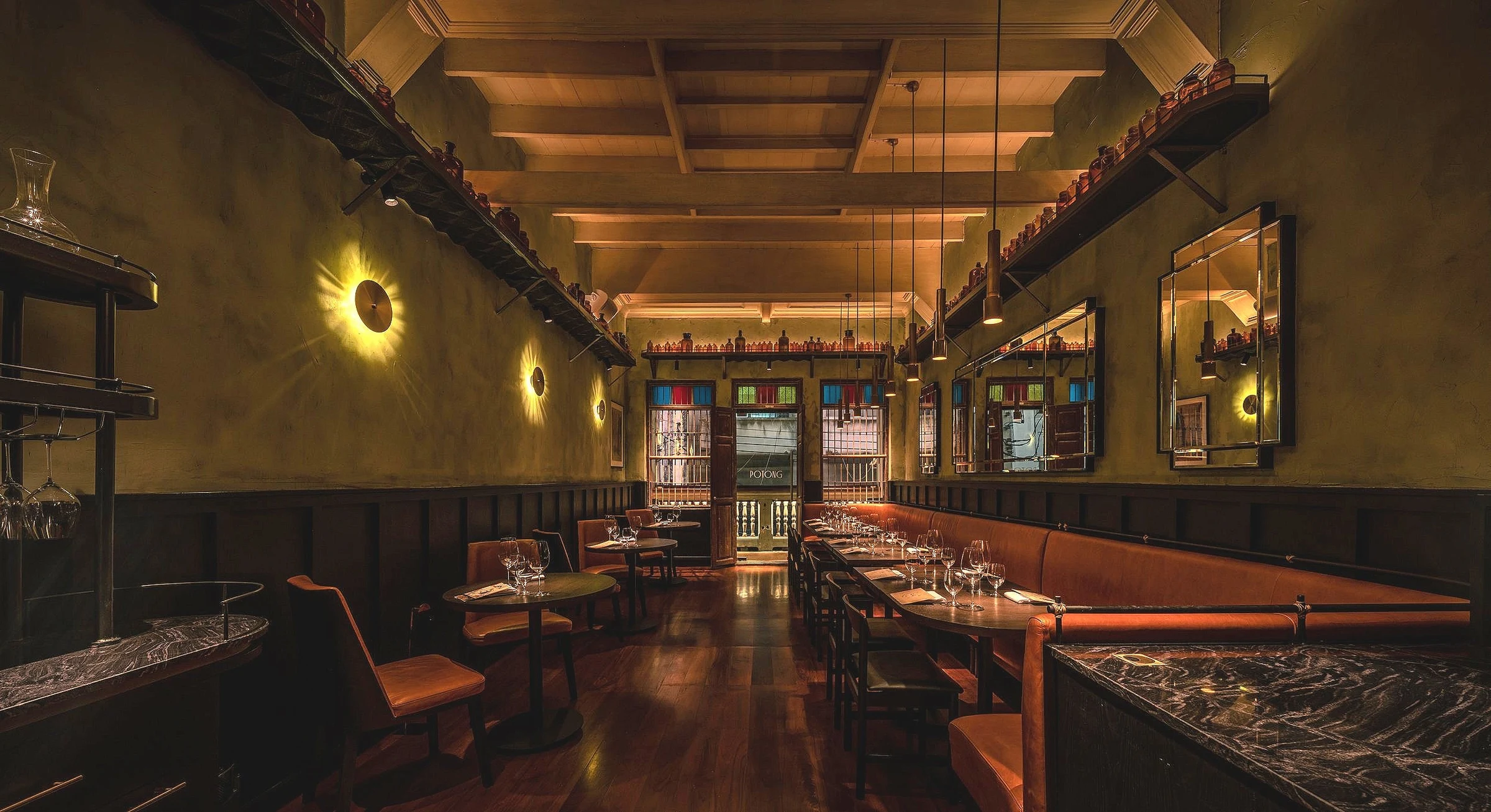
| Potong | Michelin 1 Star, World's 50 Best | Progressive Thai-Chinese Fine Dining | Bangkok |
| The Glenturret Lalique Restaurant | Michelin 2 Stars | Modern Scottish Fine Dining | Crieff |
| The Ledbury | Michelin 3 Stars, World's 50 Best | Modern British Fine Dining | London |
In residence
Similar places
Contemporary French Fine Dining
Amber
Hong Kong, Hong Kong
★★★ · 50 Best
Modern Yucatan Fire-Cooked Small Plates
Arca
Tulum, Mexico
50 Best
Modern French with Japanese Ingredients
La Cime
Osaka, Japan
★★ · 50 Best
Progressive Thai-Chinese Fine Dining
Potong
Bangkok, Thailand
★ · 50 Best
Modern Scottish Fine Dining
The Glenturret Lalique Restaurant
Crieff, United Kingdom
★★
Modern British Fine Dining
The Ledbury
London, United Kingdom
★★★ · 50 Best