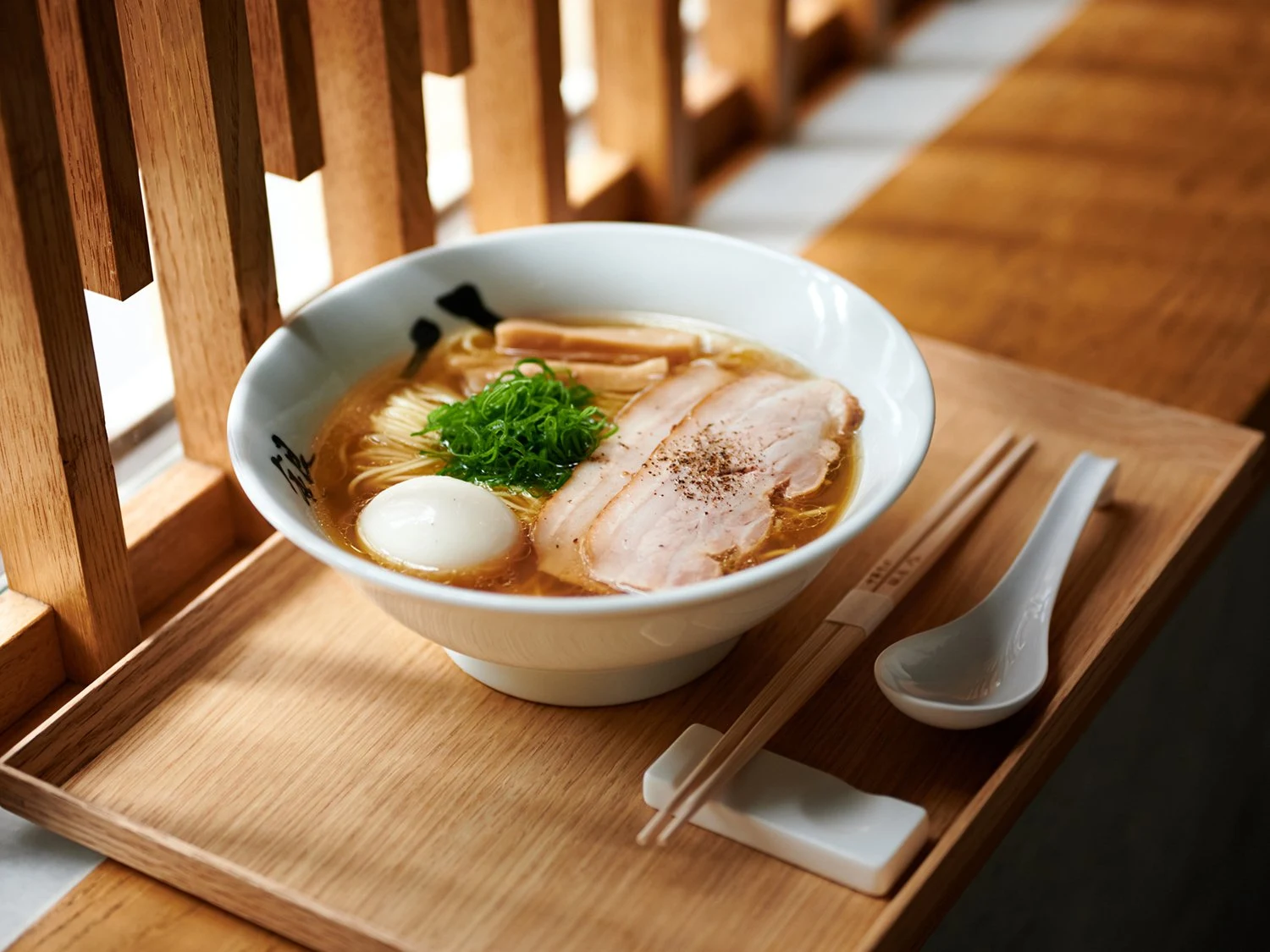
Chukasoba Ginza Hachigou
In Residence
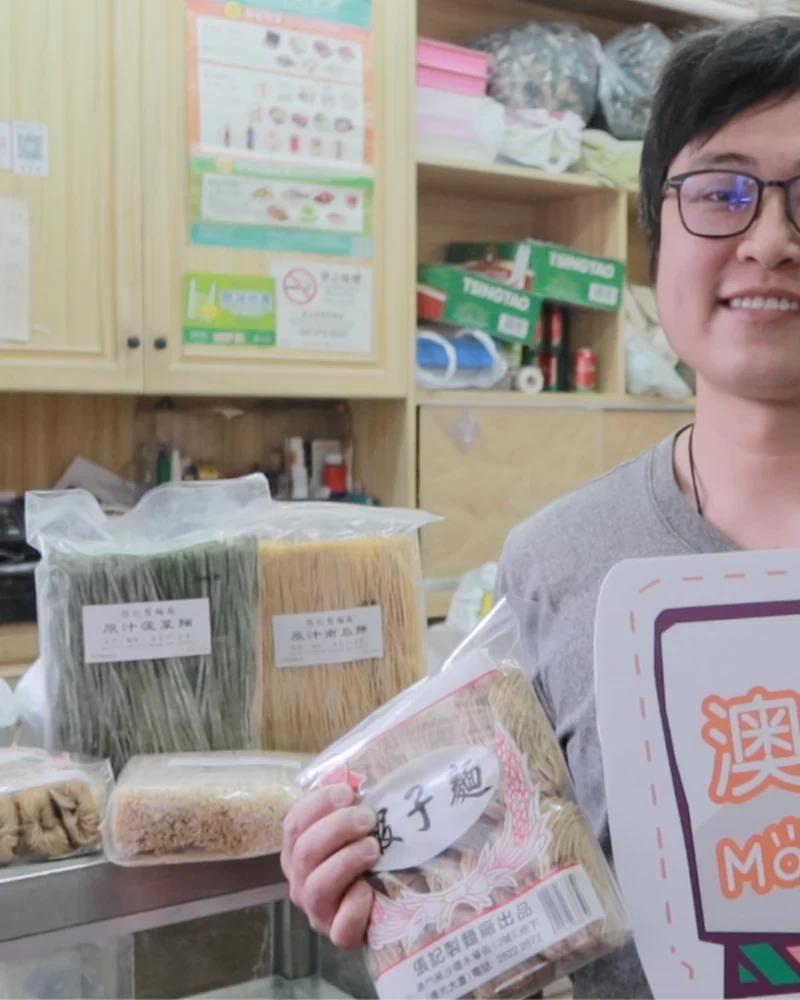
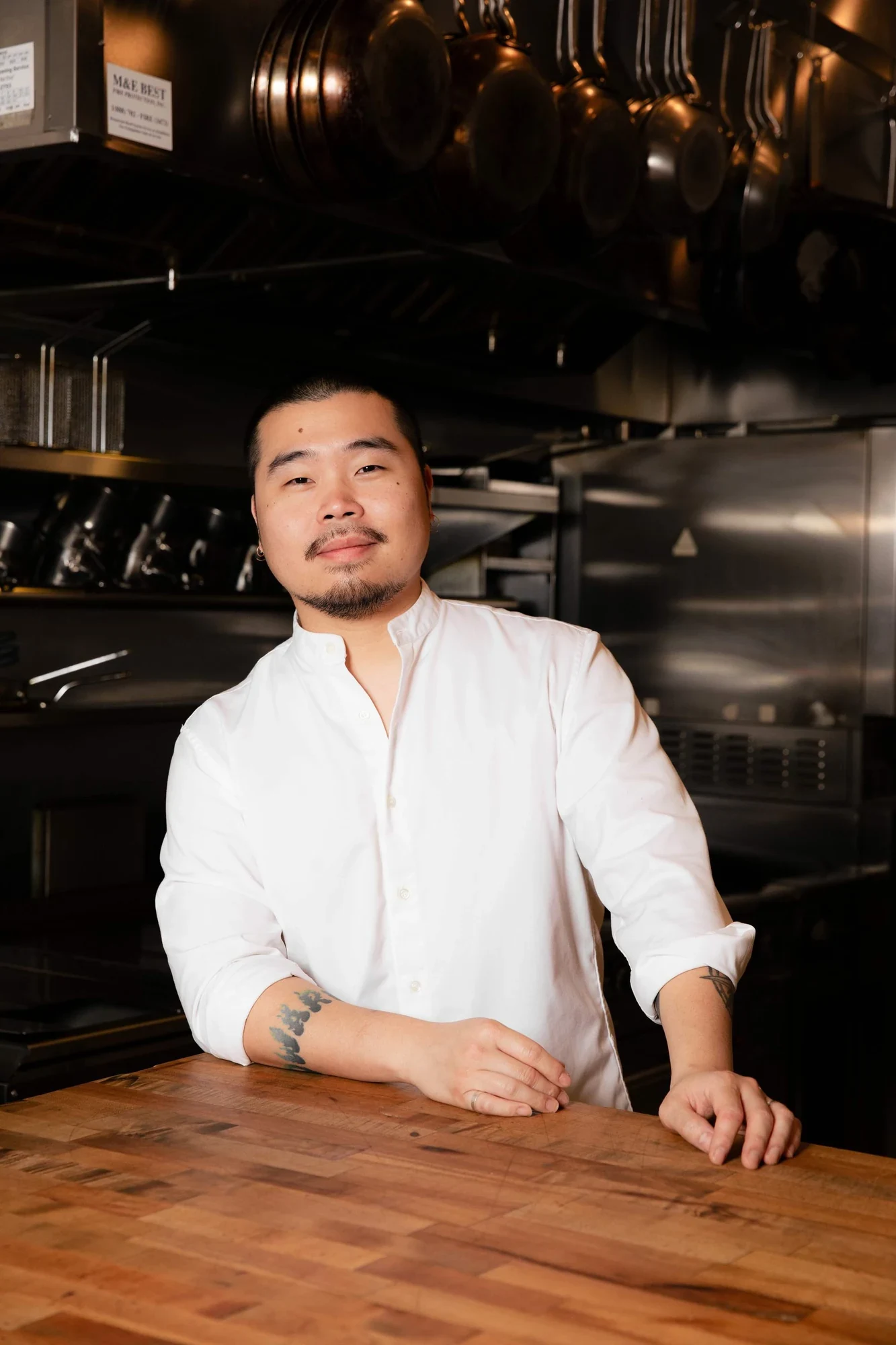
Cheong Keng Lei
Chef
- 01CuisineModern French-inspired Ramen
- 02CityTokyo, Japan
From the people index
Recommended by
One trusted voice points here.
- Opinionated About Dining Casual in Japan Ranked #19 · 2026
- Michelin Bib Gourmand · 2026
- Opinionated About Dining Casual in Japan Ranked #4 · 2025
- Tabelog 100 #74: 4pts · 2025
- Michelin Bib Gourmand · 2024
- Opinionated About Dining Casual in Japan Ranked #18 · 2024
- Opinionated About Dining Casual in Japan Ranked #20 · 2023
The Ginza Counter: What the Address Signals Before You Sit Down
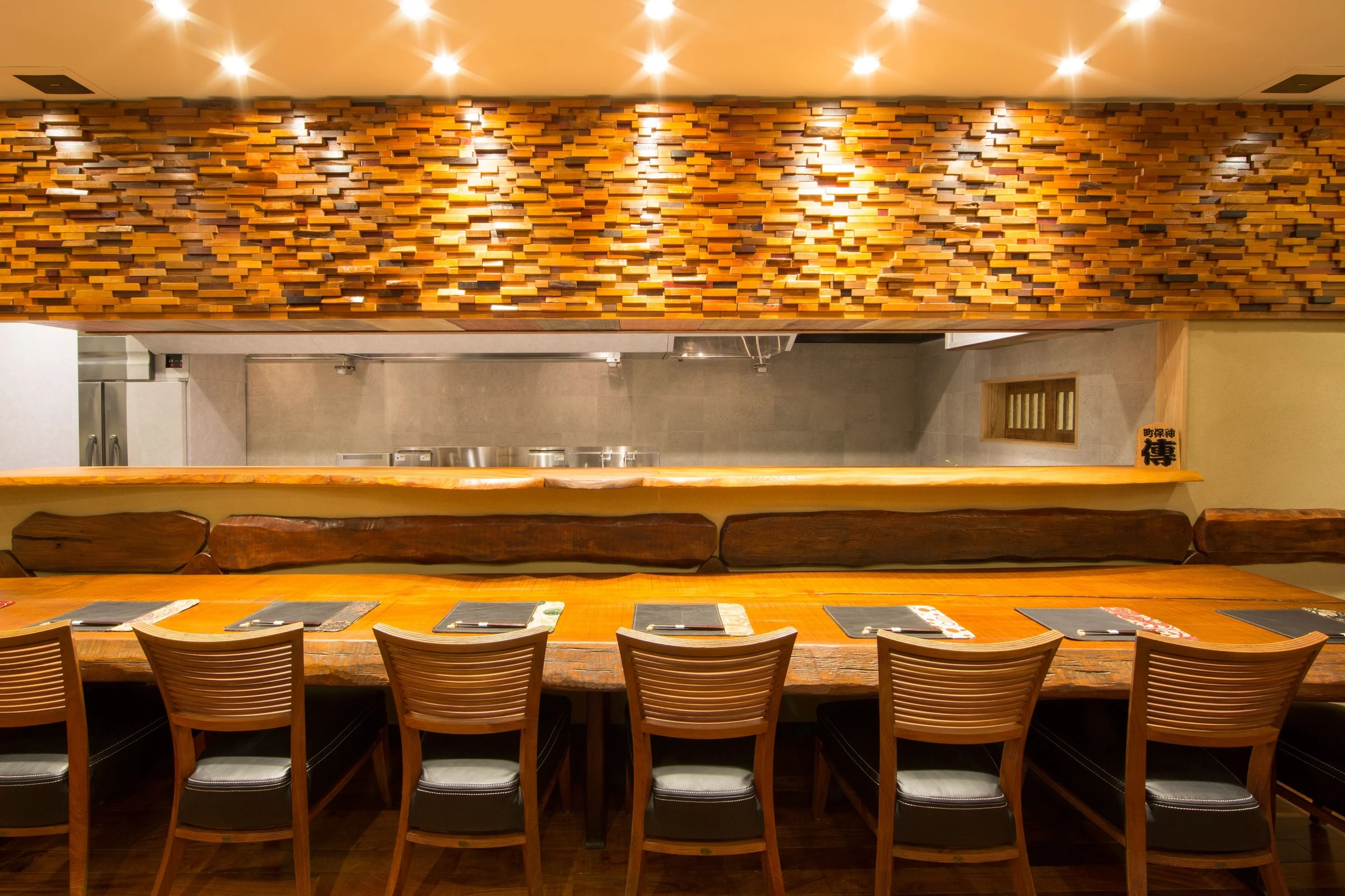
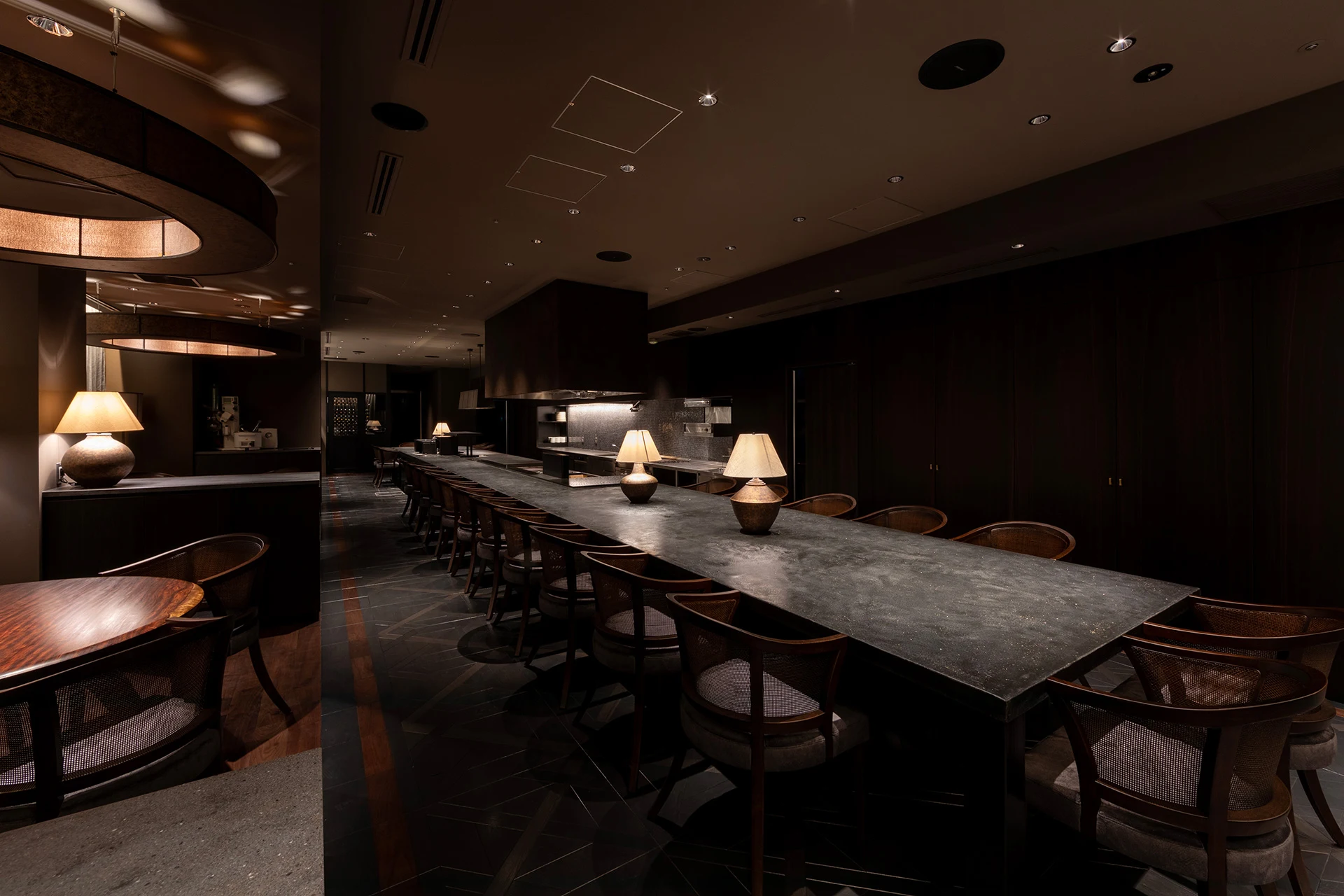
Arriving at Ginza's 3-chome block in the early evening, you register the neighbourhood's particular grammar quickly: narrow ground-floor frontages, understated signage, the kind of entrance that rewards knowing where you are going. This is not the Ginza of department stores and flagship boutiques but the version that runs parallel to it, a corridor of small restaurants where the competitive density is very high. Ginza Hachigo sits within that corridor, at the address on 3-chome-14, and the context it inherits from the surrounding block is substantial before a single course arrives.
Ginza's dining identity has been shaped by the concentration of counter-format Japanese restaurants that treat precision not as performance but as baseline expectation. Across sushi, kaiseki, and adjacent formats, the neighbourhood has functioned for decades as a self-selecting environment: kitchens that cannot maintain the standard do not hold tables here for long. Any restaurant that persists at a Ginza address does so against that pressure.
Lunch and Dinner in Ginza: A Structural Divide Worth Understanding
Lunch and dinner service differ meaningfully in Ginza. Across the top tier of Ginza counters, lunch tends to run on a condensed format: fewer courses, faster pacing, and prices that can land 30 to 50 percent below the evening equivalent. The trade is atmosphere and depth. Evening service in Ginza's counter restaurants typically involves more extended sequencing, a fuller engagement with seasonal ingredients, and a room that has slowed down to match the meal's rhythm.
For visitors comparing access points to high-end Japanese cooking, the lunch option at addresses in this tier functions as a genuine entry rather than a diluted version. Kitchens at this level do not staff two shifts with different standards; the ingredient quality and technical execution carry across, while the scope narrows. That distinction matters when planning against a Tokyo itinerary that also includes restaurants like Harutaka on the sushi side or RyuGin for kaiseki, both of which operate the same structural divide between their daytime and evening offerings.
The dinner experience at a Ginza counter of this address and standing is calibrated for a different pace entirely. Evenings in this part of Chuo City tend to thin out the tourist layer; the room composition shifts toward regulars and travelers who have specifically planned the booking. That shift changes the ambient register of the meal in ways that are difficult to quantify but easy to notice.
Positioning Within Ginza's Competitive Set
Ginza's fine dining market has stratified over the past decade into identifiable tiers. At the upper end, three-Michelin-star counters set prices and booking timelines that are effectively self-limiting. Below that, a mid-upper tier of one- and two-star addresses, along with unstarred kitchens that maintain comparable standards, offers the most interesting competitive dynamic. This is where a restaurant's comparable set becomes a more useful frame than any single award.
For context, the restaurants that cluster around Ginza and its adjacent neighbourhoods include addresses running from the ¥¥¥ range, where Crony operates its innovative French-Japanese program, up through the ¥¥¥¥ tier that contains L'Effervescence and Sézanne. Ginza Hachigo sits within that set by virtue of its Ginza address.
Japan's broader restaurant geography provides additional context for visitors building multi-city itineraries. Serious counter dining in Tokyo sits in a different competitive register than comparable formats in Osaka, where HAJIME applies its own rigorous approach, or Kyoto, where Gion Sasaki represents the kaiseki tradition at a high level. Regional destinations including Goh in Fukuoka, akordu in Nara, and addresses as geographically dispersed as affetto akita in Akita, Aji Arai in Oita, Ajidocoro in Yubari District, Akakichi in Imabari, aki nagao in Sapporo, and Abon in Ashiya illustrate how deeply the counter-format tradition runs across Japanese dining geography.
Planning a Visit: What the Address Implies Logistically
Counter restaurants at Ginza addresses in this tier typically require advance booking. Addresses operating at full capacity often open reservations one to three months ahead, with walk-in availability at lunch occasionally appearing on shorter notice, particularly on weekday slots that regular clientele leave unfilled. Visitors coming to Tokyo for a fixed window should treat any Ginza counter booking as a first-priority item, scheduled before accommodation choices narrow the daily geography of the itinerary.
The 3-chome address places the restaurant within easy walking distance of Ginza Station, accessible via the Ginza, Hibiya, and Marunouchi lines, making the logistics uncomplicated for visitors staying in central Tokyo or arriving from adjacent neighbourhoods. Comparable counters within reasonable proximity include the sushi program at Harutaka, which operates in the same competitive gravity. For visitors benchmarking against international reference points, the counter-format commitment at this level of Japanese dining shares structural DNA with destination kitchens elsewhere.
Logistics at a Glance
| Factor | Ginza Hachigo | Harutaka | RyuGin |
|---|---|---|---|
| Neighbourhood | Ginza 3-chome | Ginza | Roppongi |
| Format | Counter (unconfirmed) | Sushi counter | Kaiseki counter |
| Price tier | ¥¥ | ¥¥¥¥ | ¥¥¥¥ |
| Booking lead time | Confirm directly | 1-3 months typical | 1-2 months typical |
| Lunch service | Confirm directly | Available (condensed) | Available (condensed) |
The Sunday letter
Get new places like Chukasoba Ginza Hachigou every Sunday.
One email a week with the restaurants, bars and hotels we have just written up, and the people who run them.
One email a week. Unsubscribe from any issue.
Questions
Frequently asked
Who works at Chukasoba Ginza Hachigou?
Made By profiles Cheong Keng Lei (Chef) at Chukasoba Ginza Hachigou.
How expensive is Chukasoba Ginza Hachigou?
Chukasoba Ginza Hachigou is listed at a price level of $$.
Where is Chukasoba Ginza Hachigou and what does it serve?
Chukasoba Ginza Hachigou is in Chūō, Tokyo, serving Modern French-inspired Ramen.
The field
How it compares
| Place | Cuisine | Notes | Awards |
|---|---|---|---|
| Chukasoba Ginza Hachigou | Modern French-inspired Ramen | Chūō, $$ | · |
| Den | Modern Japanese Kaiseki | Tokyo | Michelin 2 Stars, World's 50 Best |
| Florilège | Modern French-Japanese Plant-Based Fine Dining | Tokyo | Michelin 2 Stars, World's 50 Best |
| Narisawa | Modern Japanese Satoyama Fine Dining | Tokyo | Michelin 2 Stars, World's 50 Best |
| Quintessence | Modern French Fine Dining | Tokyo | Michelin 3 Stars |
| Sazenka | Modern Chinese Fine Dining | Tokyo | Michelin 3 Stars, World's 50 Best |
| Sézanne | Modern French Fine Dining | Tokyo | Michelin 3 Stars, World's 50 Best |
In residence
Similar places
Modern Japanese Kaiseki
Den
Tokyo, Japan
★★ · 50 Best
Modern French-Japanese Plant-Based Fine Dining
Florilège
Tokyo, Japan
★★ · 50 Best
Modern Japanese Satoyama Fine Dining
Narisawa
Tokyo, Japan
★★ · 50 Best
Modern French Fine Dining
Quintessence
Tokyo, Japan
★★★
Modern Chinese Fine Dining
Sazenka
Tokyo, Japan
★★★ · 50 Best
Modern French Fine Dining
Sézanne
Tokyo, Japan
★★★ · 50 Best
The Sunday letter
Get the next Made By story in your inbox.
We send one email every Sunday morning with the places and people we covered that week.
One email a week. Unsubscribe from any issue.