Goldener Anker
In Residence
Björn Freitag
Chef
- 01CuisineModern German Fine Dining
- 02CityDorsten, Germany
- 03RecognitionOne Michelin Star
- 1 Michelin Star · Michelin Guide
- Michelin 1 Star · 2026
- Michelin 1 Star · 2025
- Michelin 1 Star · 2024
Fine Dining at the Edge of the Ruhr
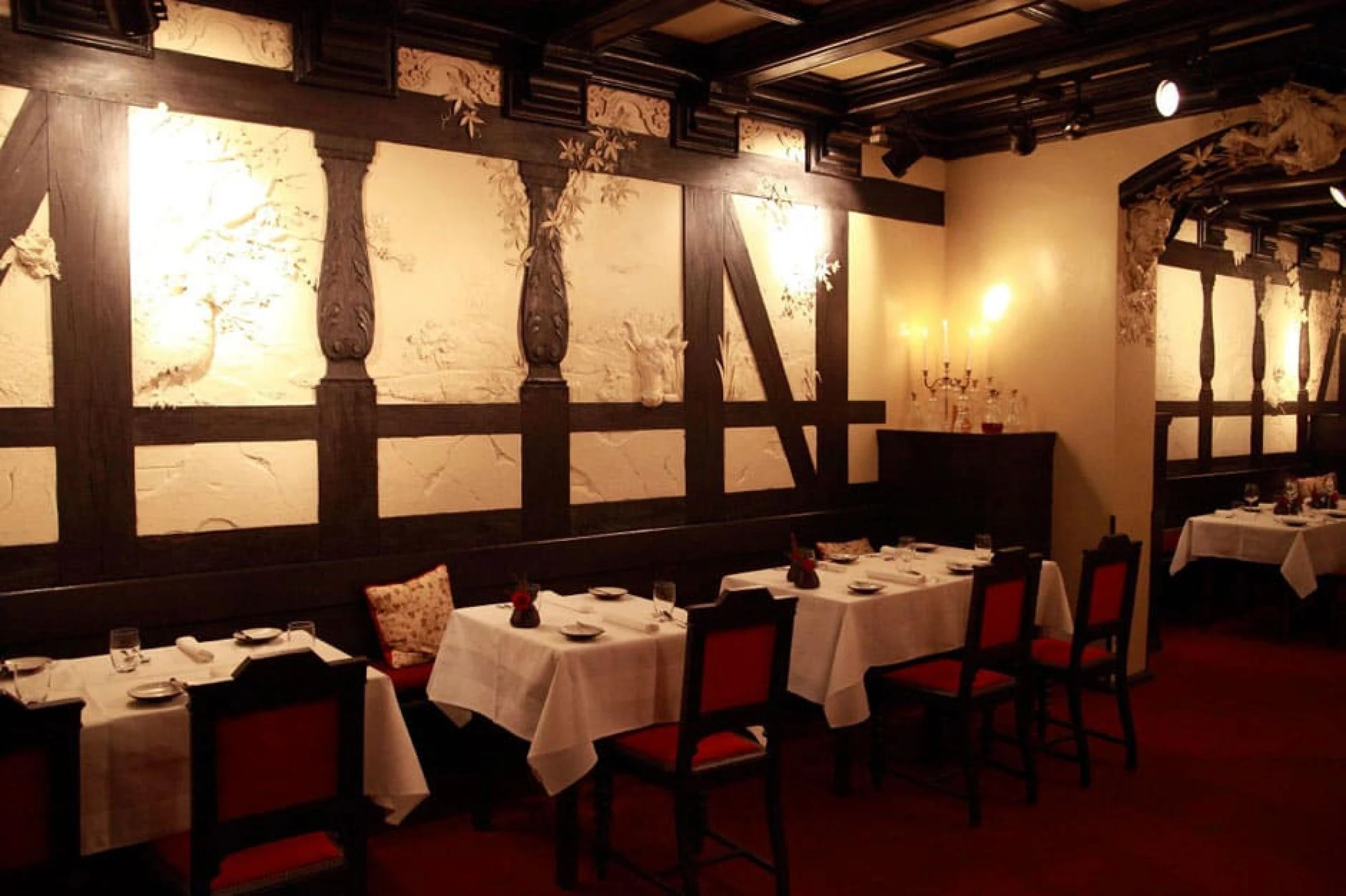
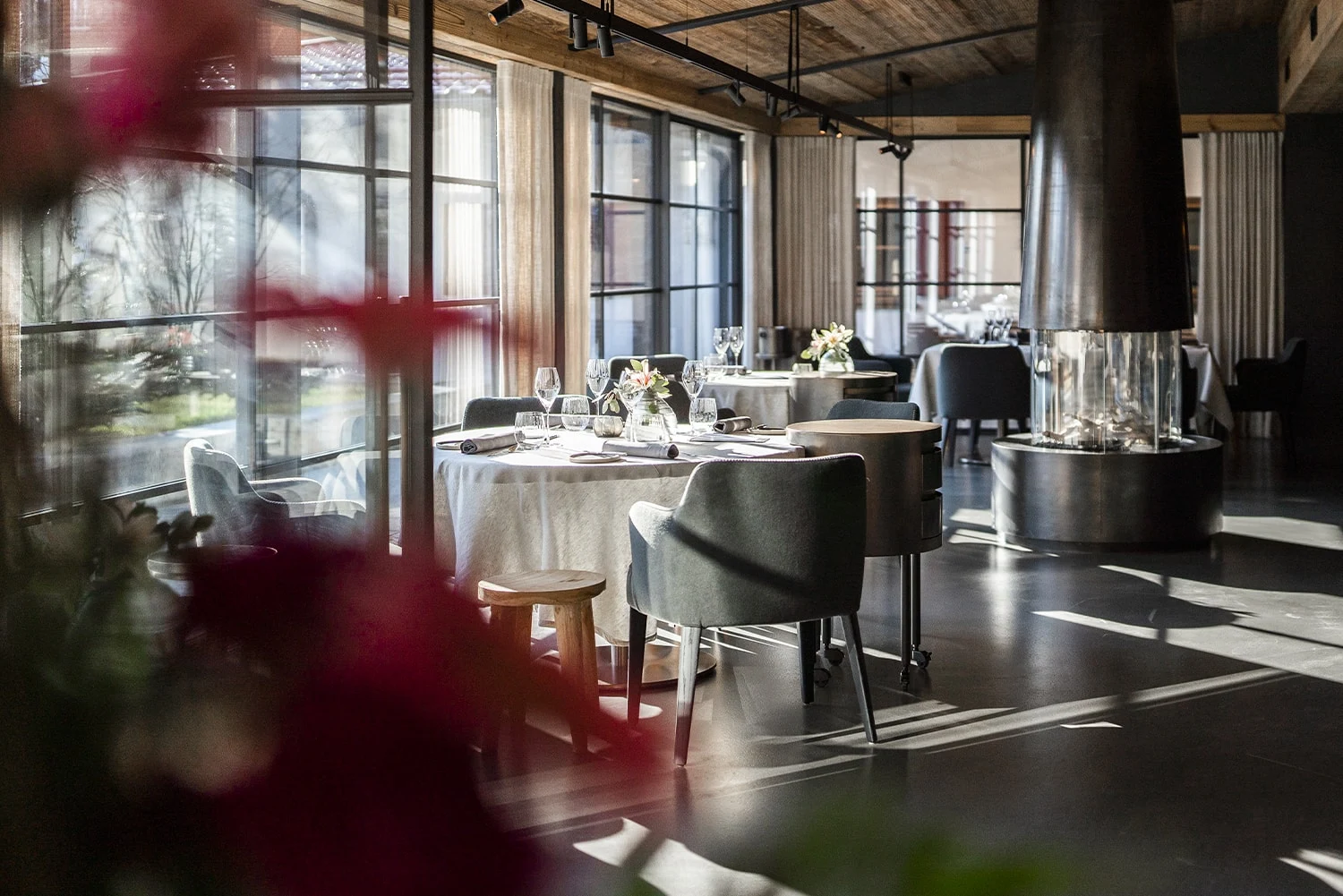
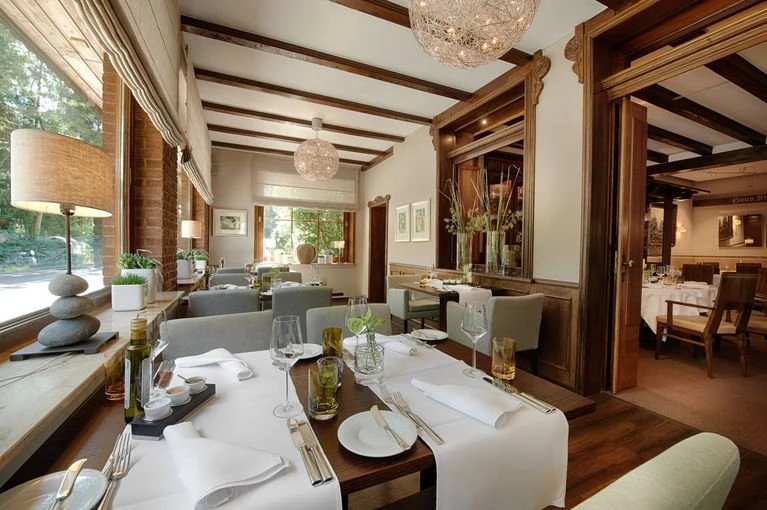
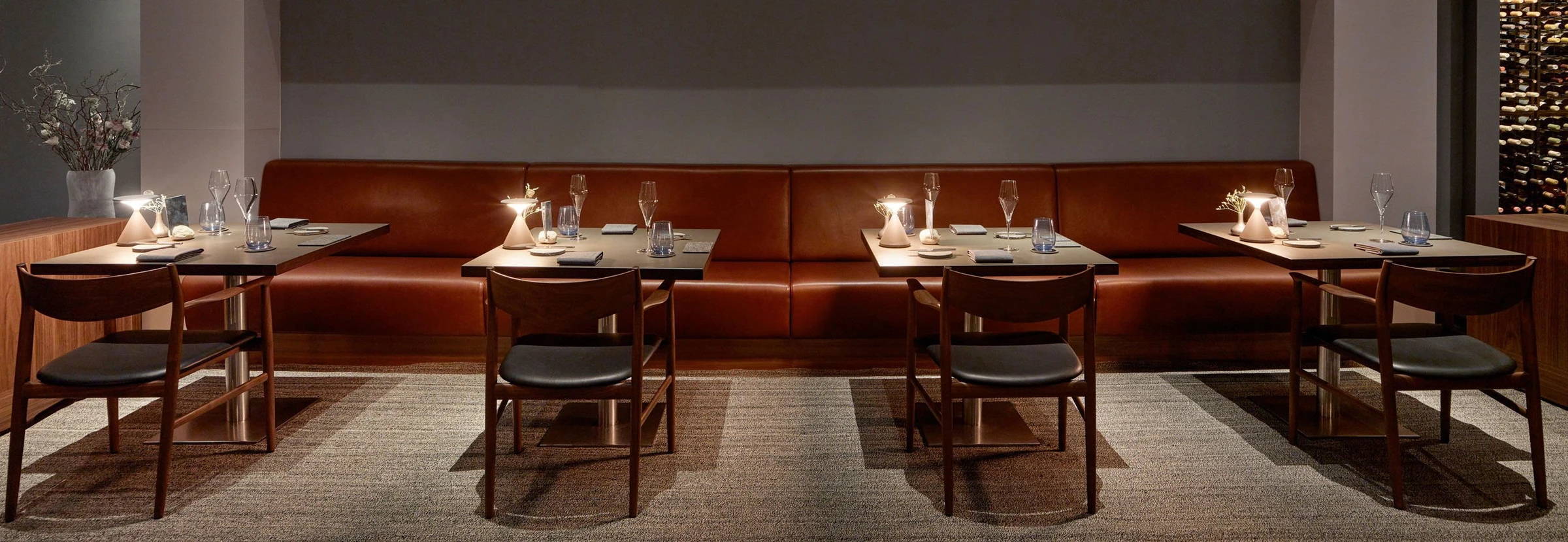
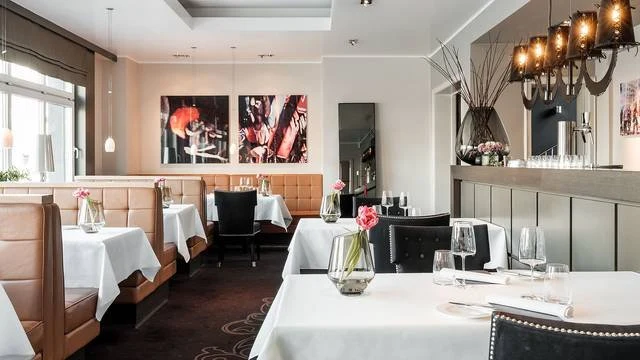
The Ruhr region does not immediately come to mind when German fine dining is discussed. The conversation tends to move toward Munich, Hamburg, and the established addresses in the Rhineland, with occasional detours to Baiersbronn or the Moselle. Yet Dorsten, a mid-sized city in the western Ruhr, carries a Michelin-starred address at Lippetor 4, and has done so across at least two consecutive guide cycles. That kind of sustained recognition in a non-metropolitan location says something about the kitchen's consistency, not just a single strong year. Goldener Anker, under chef Björn Freitag, offers modern German fine dining in Dorsten, Germany, with one Michelin star and a price tier of €€€€.
What makes a Michelin-starred modern cuisine restaurant in this context interesting is precisely the tension it holds. It is not importing a metropolitan template wholesale; it is operating within a regional culture that has its own expectations and rhythms, while still meeting the technical and creative standards the guide demands. That negotiation shapes everything from how the kitchen sources to how the dining room reads.
The Chef's Position in the German Fine Dining Conversation
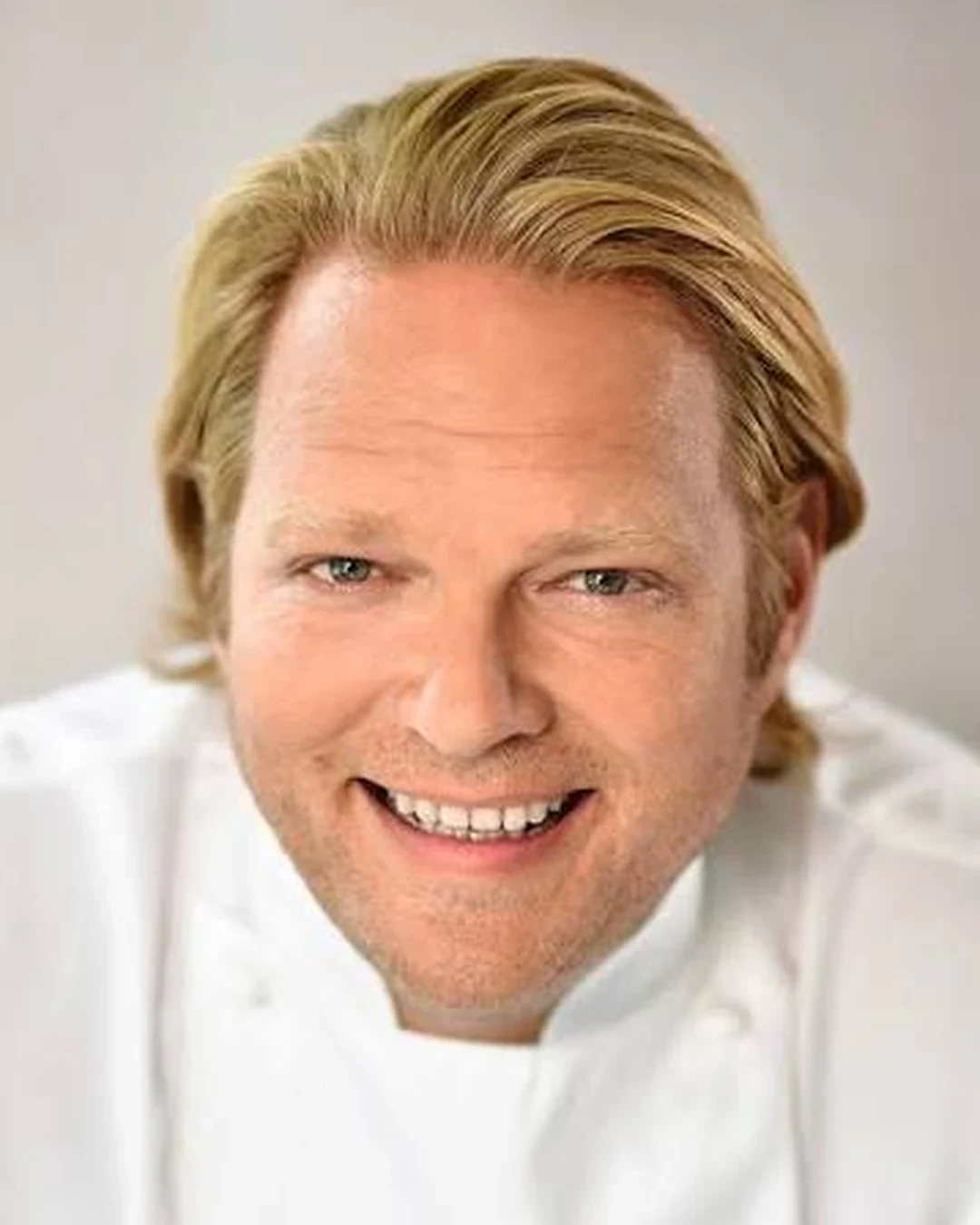
Björn Freitag's name carries weight in North Rhine-Westphalia that extends beyond the restaurant itself. His public profile in Germany, built partly through television work, places him in a small cohort of German chefs who maintain credibility across both professional kitchen culture and broader public recognition. At Goldener Anker, the Michelin star underscores a kitchen that has held its standards.
The trajectory of modern cuisine in Germany over the past decade has moved toward greater regional identity, with chefs drawing more explicitly on local produce and German culinary tradition rather than defaulting to a French-influenced vocabulary. The conversation now includes addresses like Aqua in Wolfsburg, operating at three stars with a contemporary German and Japanese-Italian framework, and Schwarzwaldstube in Baiersbronn, where classic French discipline still anchors a three-star kitchen. Freitag's approach at Goldener Anker sits in a different register from both: not the multi-reference precision of Aqua, not the deep classical orthodoxy of the Black Forest. The one-star tier in Germany now contains a wide range of ambitions, from JAN in Munich to addresses like Goldener Anker, and the category is less uniform than the single designation implies.
For context, the two-star tier in Germany includes addresses like Vendôme in Bergisch Gladbach and CODA Dessert Dining in Berlin, both of which operate with highly distinct conceptual frameworks. The one-star category, where Goldener Anker sits, tends to be where regional identity and personal kitchen voice matter more than conceptual architecture. Other notable one-star addresses in Germany include Restaurant Haerlin in Hamburg, Schanz in Piesport, ES:SENZ in Grassau, and Waldhotel Sonnora in Dreis. Internationally, the modern cuisine category at the starred level includes addresses as different as Frantzén in Stockholm and FZN by Björn Frantzén in Dubai, which illustrates how broad the category has become. Within Germany, Victor's Fine Dining by Christian Bau in Perl represents the upper end of what German fine dining can achieve in a non-metropolitan setting, providing a useful comparator for thinking about what Goldener Anker is doing in Dorsten.
What the Ratings Signal
A Google rating of 4.8 from 543 reviews is a strong signal of steady local and regional support. That volume of engagement at that score, in a city of Dorsten's size, suggests the restaurant has a strong local and regional following, not just destination diners arriving once for a special occasion. Restaurants that rely primarily on occasion-driven visits tend to show more polarised review patterns; a stable 4.8 across a large sample indicates repeat visits and a dining room that works for its community. In the context of Ruhr fine dining, where the audience for serious restaurant cooking is smaller than in Frankfurt or Berlin, building that kind of loyalty matters more than in cities with larger pools of adventurous diners.
Holding the Michelin star across consecutive guide years is the more significant signal. Michelin's Germany guide is competitive; holding a star through two consecutive editions requires consistent kitchen performance rather than a single impressive inspection. For a restaurant in Dorsten, where the inspector's visit carries no ambient metropolitan pressure to award, the recognition reflects the food rather than the address.
The Dorsten Fine Dining Context
Dorsten is not a city that draws food travellers in the way that Düsseldorf or Cologne do. Its appeal as a dining destination is almost entirely built around the two addresses that carry serious credentials: Goldener Anker and Rosin, the tapas and creative format restaurant that adds a second dimension to the local scene. Having two distinctly positioned fine dining addresses in a city this size is unusual, and it gives Dorsten a more interesting dining identity than its scale would typically support.
For visitors, this concentration has a practical upside. A Dorsten dining trip can build a multi-meal itinerary without the logistical complexity of a larger city. The addresses are close, the city is accessible from the Ruhr conurbation, and the absence of a competitive metropolitan scene means both restaurants operate with a clarity of focus that can get diluted in larger markets.
Planning a Visit
Goldener Anker is located at Lippetor 4, 46282 Dorsten, Germany. Given its Michelin status and the relatively contained local market, advance booking is advisable, particularly for weekend dates. The price range sits at the top tier of the German restaurant scale (€€€€), which places it in the same bracket as most starred kitchens in the country. Arriving from the Ruhr conurbation, Dorsten is reachable by regional rail and road, making it a practical half-day or full-day trip from Essen, Gelsenkirchen, or Dortmund.
Questions
Frequently asked
What recognition does Goldener Anker hold?
Goldener Anker holds 1 Michelin star.
Who works at Goldener Anker?
Made By profiles Björn Freitag (Chef) at Goldener Anker.
How expensive is Goldener Anker?
Goldener Anker is listed at a price level of $$$$.
Where is Goldener Anker and what does it serve?
Goldener Anker is in Lippetor, Dorsten, serving Modern German Fine Dining.
The field
How it compares
| Place | Awards | Cuisine | Notes |
|---|---|---|---|
| Goldener Anker | Michelin 1 Star | Modern German Fine Dining | Lippetor, $$$$ |
| Bieberbau | Michelin 1 Star | Modern German Fine Dining | Berlin |
| ES:SENZ | Michelin 3 Stars | Modern German Fine Dining | Grassau |
| Haus Stemberg | Michelin 1 Star | Modern German Fine Dining | Velbert |
| Rosin | Michelin 1 Star | Modern European Fine Dining | Dorsten |
| Rutz | Michelin 3 Stars | Modern German Fine Dining | Berlin |
| Sühring | Michelin 3 Stars, World's 50 Best | Modern German Fine Dining | Bangkok |
In residence
Similar places
Modern German Fine Dining
Bieberbau
Berlin, Germany
★
Modern German Fine Dining
ES:SENZ
Grassau, Germany
★★★
Modern German Fine Dining
Haus Stemberg
Velbert, Germany
★
Modern European Fine Dining
Rosin
Dorsten, Germany
★
Modern German Fine Dining
Rutz
Berlin, Germany
★★★
Modern German Fine Dining
Sühring
Bangkok, Thailand
★★★ · 50 Best