Green Almond Pantry
In Residence
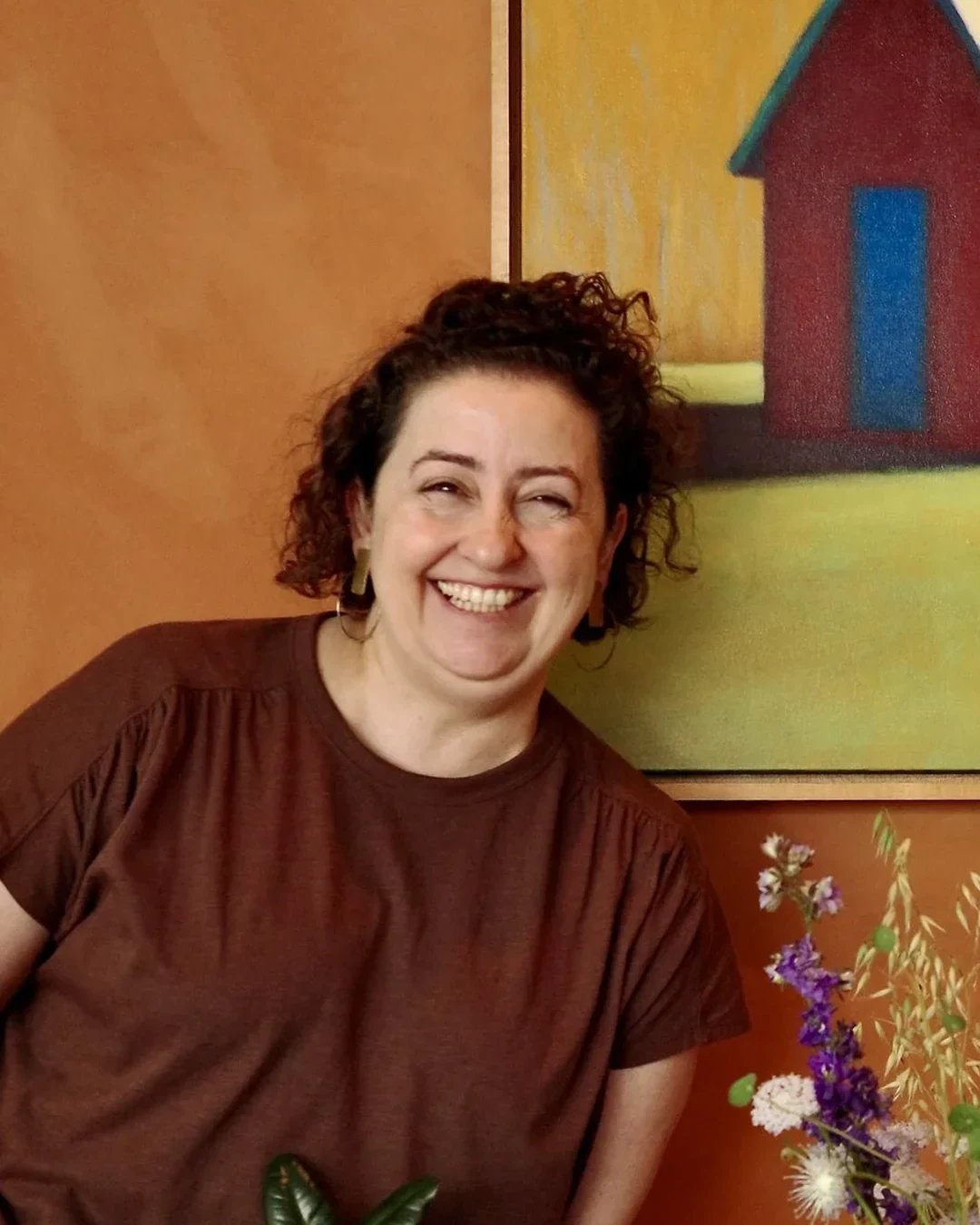
Cagla Onal Urel
Chef
- 01CuisineTurkish-Mediterranean cafe counter & market
- 02CityWashington DC, United States
- 03RecognitionJames Beard Award
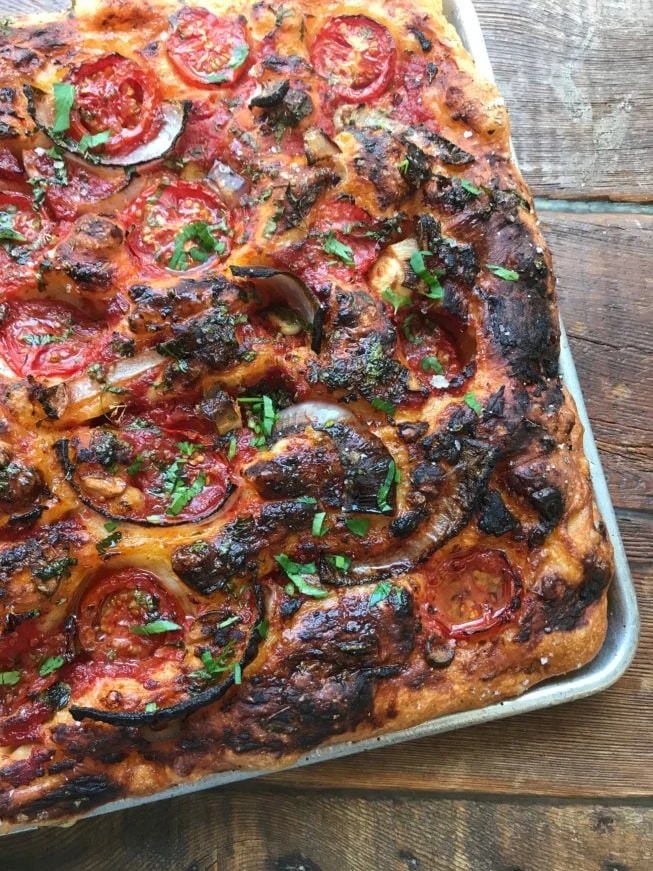
Focaccia sets the counter's pace
- James Beard Winner · James Beard Foundation
- Washingtonian 100 Very Best Restaurants #59 · 2026
- James Beard Award Semi Finalist · 2025
Focaccia at the counter
Focaccia sets the pace for Cagla Onal Urel, chef at Green Almond Pantry in Georgetown, Washington DC, where the bench stays close to the counter. Her food has the composure of a small kitchen that knows its limits and uses them well: Turkish-Mediterranean in shape, seasonal in its changes, and built for a cafe counter rather than a formal dining room. Onal Urel trained at Stratford University, then made her work in Washington, D.C., with a language of repetition, control, and detail. At Green Almond Pantry, opened in 2022, that discipline has a fixed address on Grace Street NW. The room is modest enough that the cooking does not have to travel far before it reaches the guest. Focaccia, braised favas, eggplant confit, salads, dips, roasted fish, braised lamb, and the 7 Minute Egg Sandwich sit in the same register: food led by texture, temperature, and the last adjustment of the hand. Her title here is chef, and the scale of the place matters. It lets the work stay bench-side, with the finish visible in the particulars rather than enlarged by ceremony.
A pantry built around the pass
The program at Green Almond Pantry is a la carte, counter-driven, and market-minded, with small plates and carryout living beside the work of a chef who uses comfort as a structure, not a shortcut. The kitchen leans on local sourcing and a farm-to-table habit, but the visible grammar is simpler: a bread program with focaccia at its center, a rotation of salads and dips, and warm dishes that give the counter more weight than a sandwich board alone. The 7 Minute Egg Sandwich carries its own instruction in the name. Timing is part of the dish, not a flourish added later. The Eggplant Confit Sandwich, named in Onal Urel's own signature work, belongs to the same discipline, where softness, oil, seasoning, and bread have to meet without excess. The beverage side stays minimal, closer to coffee, tea, and soft drinks than to a cellar or bar program. That restraint suits the food. Nothing asks to be translated into a tasting-menu cadence.
The Sunday letter
Find new places through the people who run them.
Our Sunday email brings you the chefs, winemakers and hoteliers behind our newest stories. See a sample before you subscribe.
See a sample of the Sunday emailOne email a week. Unsubscribe from any issue.
The room on Grace Street NW
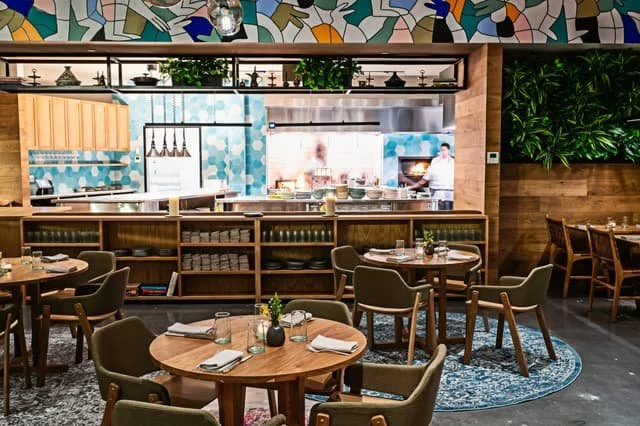
The room has the temper of a small Georgetown lunch counter: close, conversational, and set in an alley space where the kitchen feels present without turning itself into theater. Simple decor leaves the food with the greater share of attention. The counter service keeps the pass direct, and the market-style menu gives the place its pantry sense, part prepared-food station, part neighborhood kitchen, part place to stand near the work before carrying it away. This is not a room built around distance. It is built around reach: the hand to the bread, the bowl to the counter, the guest to the bag or plate. At Green Almond Pantry, the relaxed atmosphere suits daytime meals and the small adjustments of a changing seasonal menu.
Questions
Frequently asked
Who cooks at Green Almond Pantry?
Cagla Onal Urel is the chef at Green Almond Pantry in Georgetown.
What kind of place is Green Almond Pantry?
It is a Turkish-Mediterranean cafe counter and market with a la carte, counter-driven service in a modest room on Grace Street NW.
What is it known for?
The menu centers on focaccia, salads and dips, roasted fish, braised lamb, and the 7 Minute Egg Sandwich.
Has Green Almond Pantry received recognition?
Green Almond Pantry is listed as a James Beard winner.
The field
How it compares
| Place | Awards | Cuisine | Notes |
|---|---|---|---|
| Green Almond Pantry | James Beard | Turkish-Mediterranean cafe counter & market | Georgetown, $$ |
| Albi | Michelin 1 Star, World's 50 Best | Modern Levantine Fine Dining | Washington DC |
| Dōgon | World's 50 Best | Modern Afro-Caribbean | Washington DC |
| Jônt | Michelin 2 Stars | Modern Japanese Fine Dining | Washington DC |
| minibar | Michelin 2 Stars | Avant-Garde Molecular Gastronomy | Washington DC |
| Moon Rabbit | World's 50 Best | Creative Vietnamese-Cajun Fusion | Washington DC |
| Oyster Oyster | Michelin 1 Star | Modern Vegetable-Focused Tasting Menu | Washington DC |
In residence
Similar places
Modern Levantine Fine Dining
Albi
Washington DC, United States
★ · 50 Best
Modern Afro-Caribbean
Dōgon
Washington DC, United States
50 Best
Modern Japanese Fine Dining
Jônt
Washington DC, United States
★★
Avant-Garde Molecular Gastronomy
minibar
Washington DC, United States
★★
Creative Vietnamese-Cajun Fusion
Moon Rabbit
Washington DC, United States
50 Best
Modern Vegetable-Focused Tasting Menu
Oyster Oyster
Washington DC, United States
★
The Sunday letter
Get the next Made By story in your inbox.
We send one email every Sunday morning with the places and people we covered that week.
See a sample of the Sunday emailOne email a week. Unsubscribe from any issue.