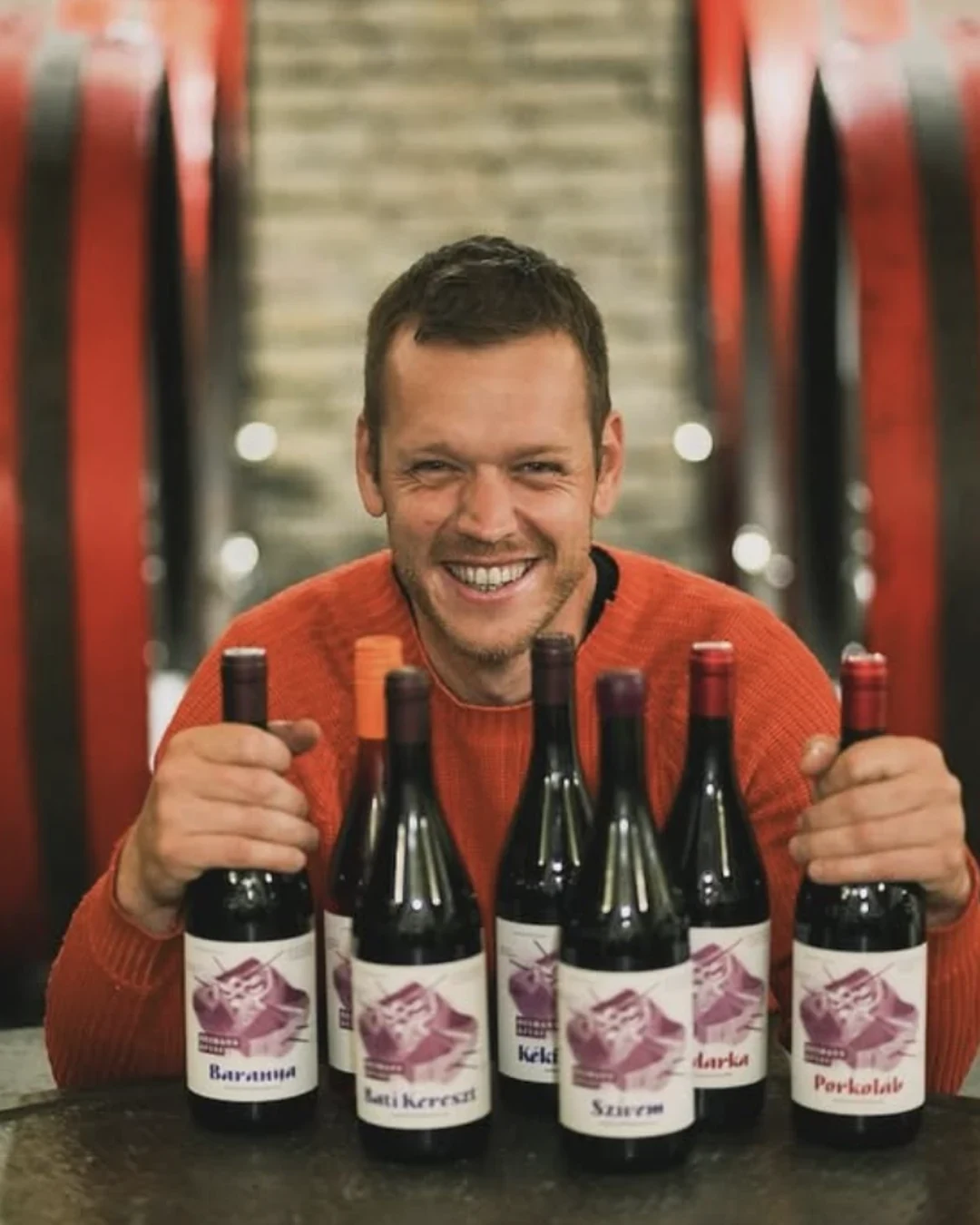
Zoltán Heimann Jr, winemaker at Heimann & Fiai in Sechshard, works Kadarka and Kékfrankos through small open-top vessels.
Whole bunches go into small open-top vessels when Zoltán Heimann Jr, winemaker at Heimann & Fiai in Sechshard, wants Kadarka to keep its nerve. In the cellar at the family estate in the Iván Valley of Szekszárd, Zoltán Heimann Jr works with Kadarka and Kékfrankos as the central conversation, not as nostalgic markers but as the materials from which a regional language can still be built. His training at Geisenheim, Montpellier, and Udine widened the frame, then brought him back to the question closest to the bench: what Szekszárd wine can say when its own grapes are given the lead.
The estate carries a long family date, 1758, and the present work belongs to a younger hand inside that inheritance. Zoltán also works as winemaker at Heimann Winery, keeping both current roles anchored in Szekszárd. At Heimann & Fiai, the discipline is less about declaring a finished style than about reading the fermentations closely, especially where Kadarka’s fragility demands restraint. He has said, “For me, Szekszárd wine… is not finished yet. That is my main statement.” The line matters because it names the work as ongoing, with the cellar used as an instrument of inquiry rather than a place for fixed answers.
Zoltán’s Kadarka method is exacting in its proportions and modest in its posture. He treats the variety more like Pinot Noir, using around 20 to 30 percent whole bunches and semi-carbonic fermentation in small open-top vessels. Those choices keep the fruit close to the hand and eye of the winemaker: whole bunches hold structure in the frame; semi-carbonic fermentation shifts the aromatic register before extraction takes over; the vessel size keeps each lot legible while it moves through its first decisions.
Kékfrankos gives the other side of the conversation. Together with Kadarka, it sets the estate’s focus on Szekszárd rather than on a generic international style, even though the vineyard list also includes Merlot, Cabernet Franc, Sagrantino, and Tannat. The estate works around 21 hectares under vine and describes its direction as sustainable, with quality and terroir placed ahead of scale. The house makes still red wines, rosé, orange wine, pét-nat, amphora wines, and skin-contact bottlings, but the center of gravity remains clear: the local red grapes and the cellar choices that let them speak without being overdrawn.
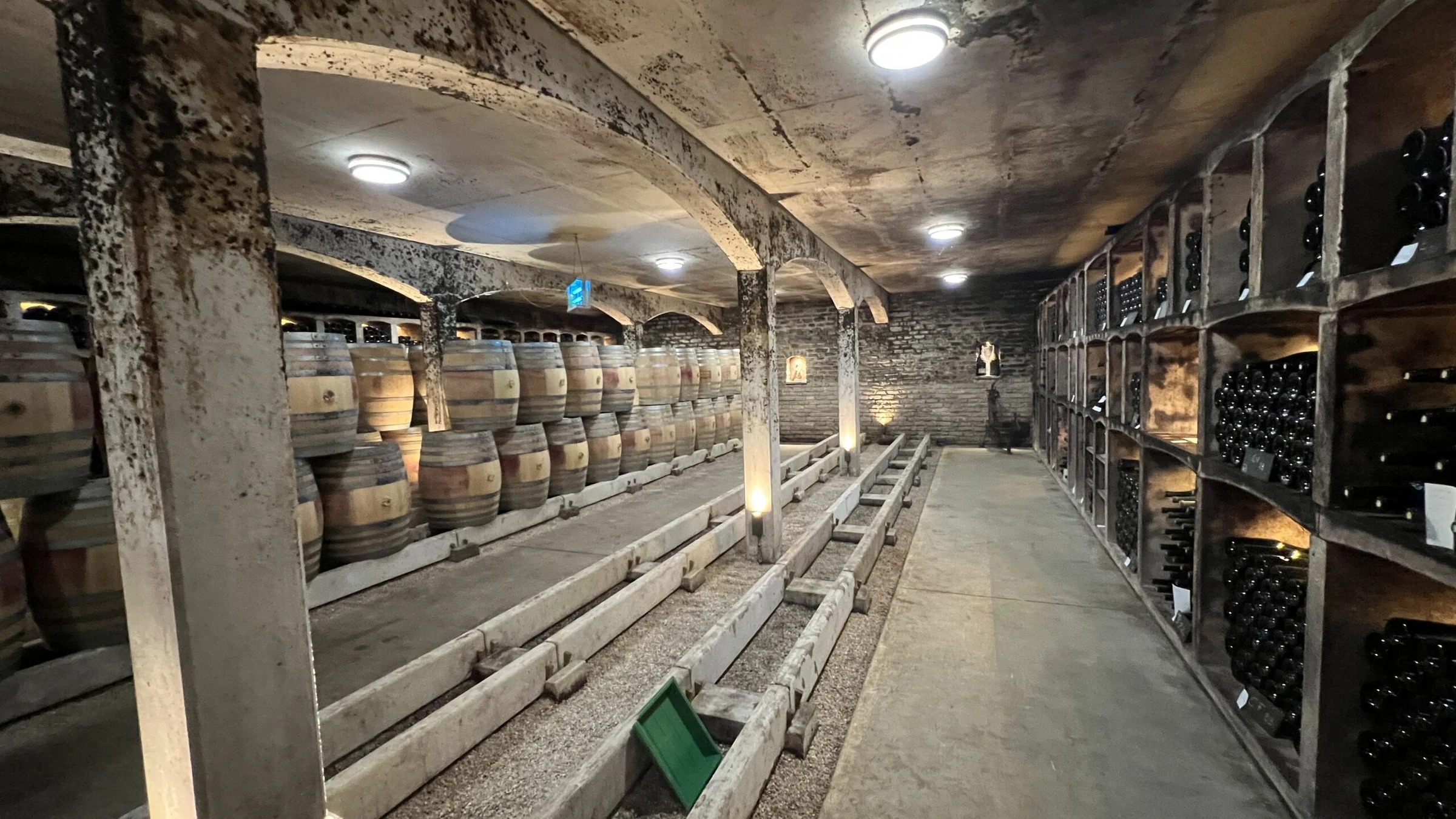
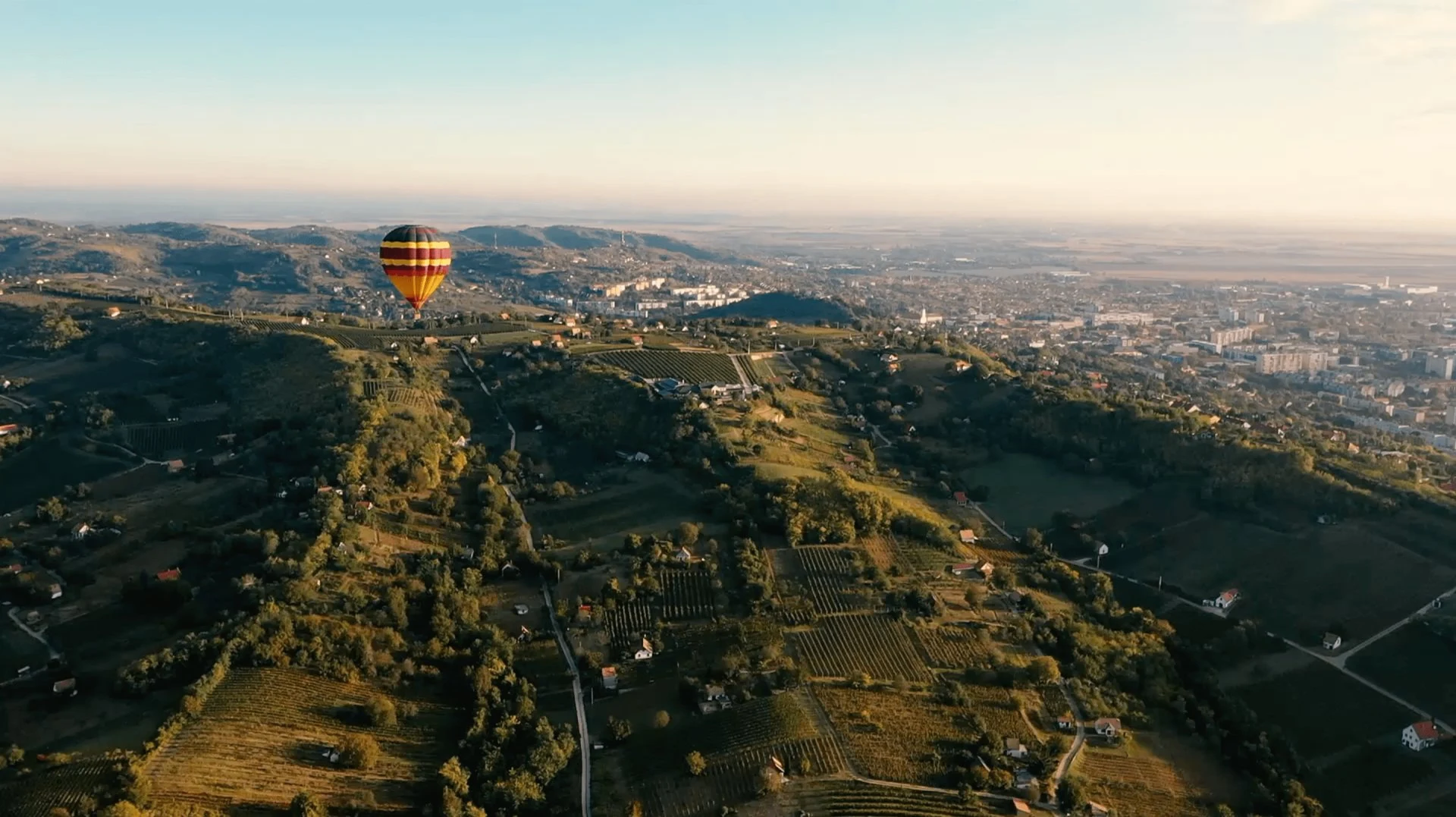
The place sits among vineyards in the Iván Valley, where Szekszárd’s Transdanubian hills give the estate its rural quiet before the work narrows inside the cellar. This is a family-run address rather than a theatrical one, with a conversational pace around tastings and a down-to-earth atmosphere that fits the wines Zoltán is trying to make. The tasting room and cellar do not need distance from one another; the same questions move through both, carried in glasses of Kadarka and Kékfrankos.
What gives Heimann & Fiai its charge is the tension between an old estate date and a present-tense method. The inheritance is visible, but the winemaking does not treat inheritance as a museum piece. Zoltán’s stated aim is to express Szekszárd in an authentic way by highlighting its strengths, and that aim stays practical: bunches, vessels, fermentations, varieties, decisions. The close thing to follow is not a slogan but the next reading of Kadarka from the Iván Valley cellar.
Sechshard, Tolna, Ungarn
Iván Valley (Ivánvölgy), Szekszárd