- 1 Michelin Key · Michelin Guide
- Relais Chateaux Award · 2026
- Virtuoso Luxury Hotel Partner · 2026
- La Liste Top Hotels: 91.5pts · 2026
- Relais Chateaux Award · 2025
- Michelin 1 Key · 2025
Architecture Rooted in the Alentejo Grain
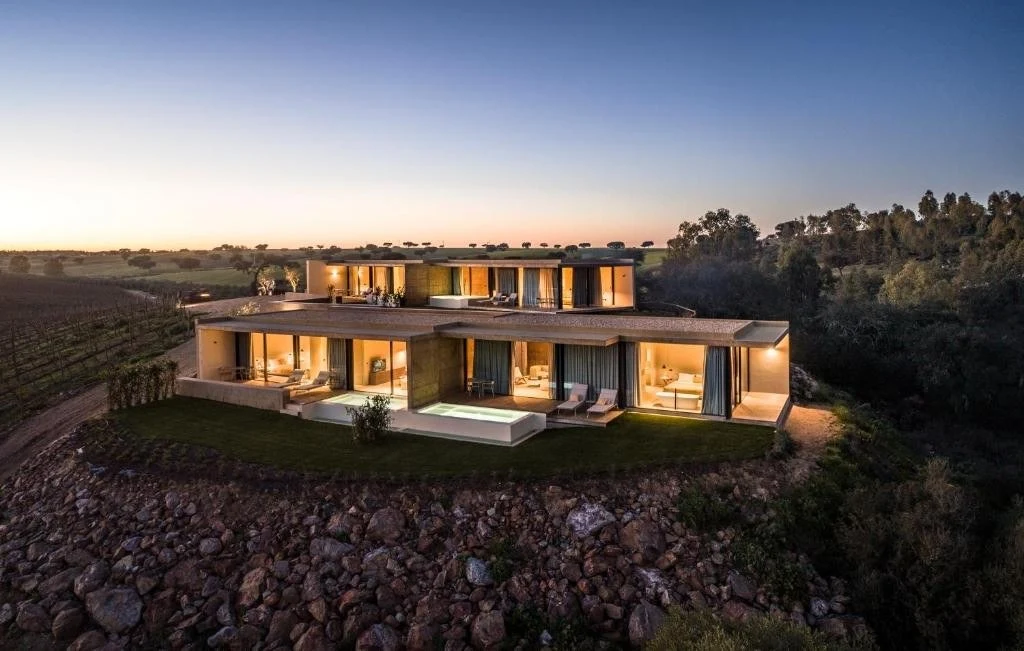
The inland plains of Baixo Alentejo impose a particular discipline on anyone building within them. The light is harsh and unmediated, the horizon wide, the silence measurable. Properties that fight these conditions tend to look incongruous; those that accept them can arrive at something coherent and austere in the leading sense. Herdade da Malhadinha Nova belongs to the second category. Spread across 744 hectares of vineyards, olive groves, and open farmland near Albernoa, the property uses a dispersed villa model rather than a central hotel block, which means its built footprint reads less as architecture imposed on the land and more as a loose constellation of farm structures embedded in it.
The design language draws directly from traditional Alentejo building: terracotta floors, high wood-beamed ceilings, and whitewashed walls that manage heat and light in ways that no contemporary material quite replicates. These are not decorative quotations from a regional past but functional choices that happen to carry aesthetic weight. For travellers familiar with similar estates in the Douro or the Algarve, the contrast is notable. Properties like Ventozelo Hotel & Quinta in Ervedosa do Douro operate in a more dramatic, terraced landscape, while coastal properties such as Villa Epicurea in Sesimbra trade on proximity to the sea. Malhadinha's proposition is flatland solitude, and the architecture makes that argument honestly.
Twenty-Three Rooms Across a Working Farm
23 rooms and suites are distributed across several villas, which means the property functions as a series of smaller residential clusters rather than a single hotel organism. The variation in room configuration is substantial. Some units include fully equipped kitchens and private pools; others feature fireplaces and grand pianos alongside wide terraces that open onto vineyard views. This range means a four-night stay at Malhadinha can feel qualitatively different depending on which accommodation type you select, which makes pre-booking research more consequential than at properties with a standardised room inventory.
Aesthetic register stays consistent regardless of room type: the terracotta and timber palette runs through all accommodation, and the scale is generous in proportion to a 23-room property that sits on this much land. The infinity pool, tiled in a blue that reads sharply against the ochre and green of the Alentejo, functions as the primary communal space. Complimentary bicycles allow guests to circulate through the vineyards at will, which at this scale is a practical provision rather than a lifestyle gesture. For context within the Portuguese estate category, Craveiral Farmhouse in São Teotônio and Hospedaria da Pensão Agrícola in Conceição e Cabanas de Tavira operate in a comparable working-land model, though each sits in a different ecological and geographical context.
The Michelin Green Star and What It Signals
Michelin's Green Star, introduced in 2020, has become the most legible international credential for sustainable gastronomy, and Malhadinha's 2024 recognition places it in a still-selective tier within Portugal. The estate's restaurant qualifies partly because the supply chain is short to the point of being internal: free-range eggs, olive oil, and much of the produce come directly from the farm. This level of integration between hospitality operation and agricultural production is less common in Alentejo than the region's agrarian identity might suggest, and it shifts the restaurant from a hotel amenity into something with its own editorial standing.
The broader Alentejo food tradition is built on slow-cooked pork, game, bread-thickened soups known as açordas, and cheeses from Serpa and Évora. A kitchen working with estate-grown ingredients within that tradition has genuine raw material to work with. The Green Star does not in itself signal fine dining at the molecular level; it signals traceable sourcing and environmental commitment, which at Malhadinha is structural rather than programmatic. Guests arriving with expectations calibrated to urban tasting-menu restaurants may find the register different: this is a property where the cuisine reflects the land outside the window, not one oriented toward international fine-dining conventions. For travellers seeking the latter in Portugal, properties in Lisbon or Porto, including M Maison Particulière Porto, sit in a different competitive set.
Access, Timing, and Planning
Malhadinha's location in Albernoa, in the municipality of Beja, positions it between two international airports rather than close to either. Lisbon's Humberto Delgado Airport lies approximately 188 km to the north; Faro International in the Algarve sits around 136 km to the south; Seville's San Pablo Airport is 223 km east. All three routes are drivable, and the A2 motorway is the primary approach. Beja Railway Station, around 33 km from the property, connects to Lisbon by train, though onward transfers require additional logistics. GPS coordinates 37.8307, -7.9884 are reliable for navigation on the final approach through unmarked rural roads.
The Alentejo's climate divides sharply by season. Summer temperatures regularly exceed 40°C in July and August, which concentrates outdoor activity in the early morning and evening. Autumn brings the harvest period for both grapes and olives, and the estate's winery and farm operations are most visible and active during October and November. Spring, from March through May, offers moderate temperatures and the landscape at its greenest. For travellers considering similar estate stays elsewhere in Portugal, Casa Vale do Douro in Cambres and Q.ta da Corte in Valença do Douro offer comparable harvest-season programming in the north, while Casa Mãe Hotel in Lagos and Masana Algarve in Albufeira anchor the southern coastal alternative. Rates at Malhadinha begin from USD 360 per night. Reservations for the restaurant, particularly during harvest months, warrant advance planning; the estate's small capacity across 23 rooms means the dining room does not operate at urban-hotel scale.
Where Malhadinha Sits in the Wider Estate Category
Portugal's premium rural estate category has grown considerably over the past decade, drawing properties across the Douro, Alentejo, and Algarve into a recognisable format: a working agricultural operation combined with boutique accommodation and dining that reflects the produce on hand. Within that format, Malhadinha's position is defined by scale, integration, and credentials. At 744 hectares with an operational winery, olive groves, and a stud farm in addition to the hotel, it is larger in land footprint than most comparators, though the accommodation remains deliberately limited at 23 rooms. The Green Star credential distinguishes it from estate hotels that treat local sourcing as marketing copy rather than operational reality.
For travellers calibrating this choice against other Portuguese properties with architectural character, Bussaco Palace Hotel in Luso, Casa da Calçada in Amarante, and Hotel Britania Art Deco in Lisbon each represent a different architectural inheritance. Malhadinha's vernacular farm aesthetic is the least ornate of these, and that restraint is the point. The property is not competing on decorative elaboration; it is competing on the coherence of the total experience: land, food, wine, and accommodation as a single integrated proposition rather than a hotel that happens to have a view of a vineyard.
Questions
Frequently asked
What recognition does Herdade da Malhadinha Nova hold?
Herdade da Malhadinha Nova holds 1 Michelin key.
Who works at Herdade da Malhadinha Nova?
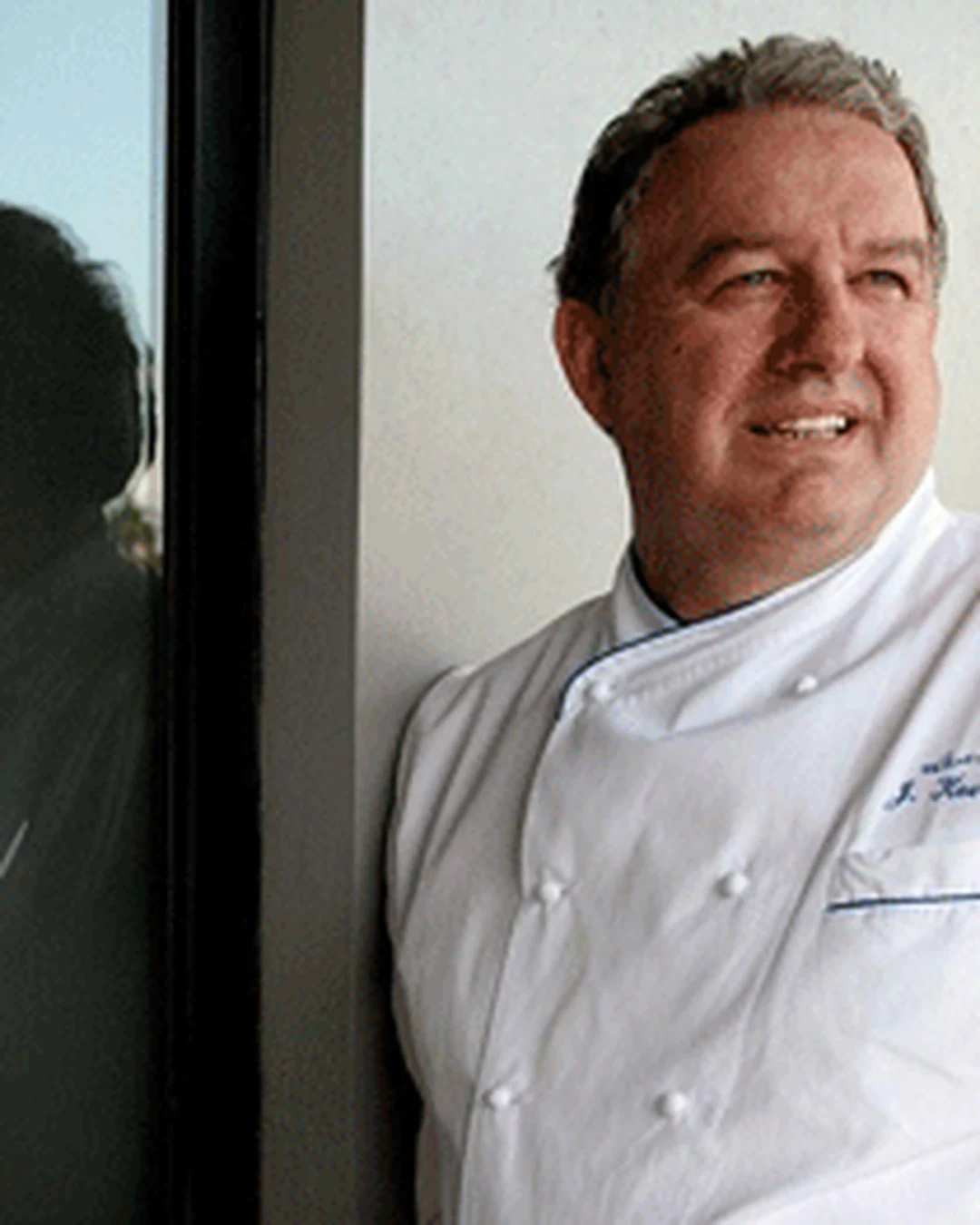
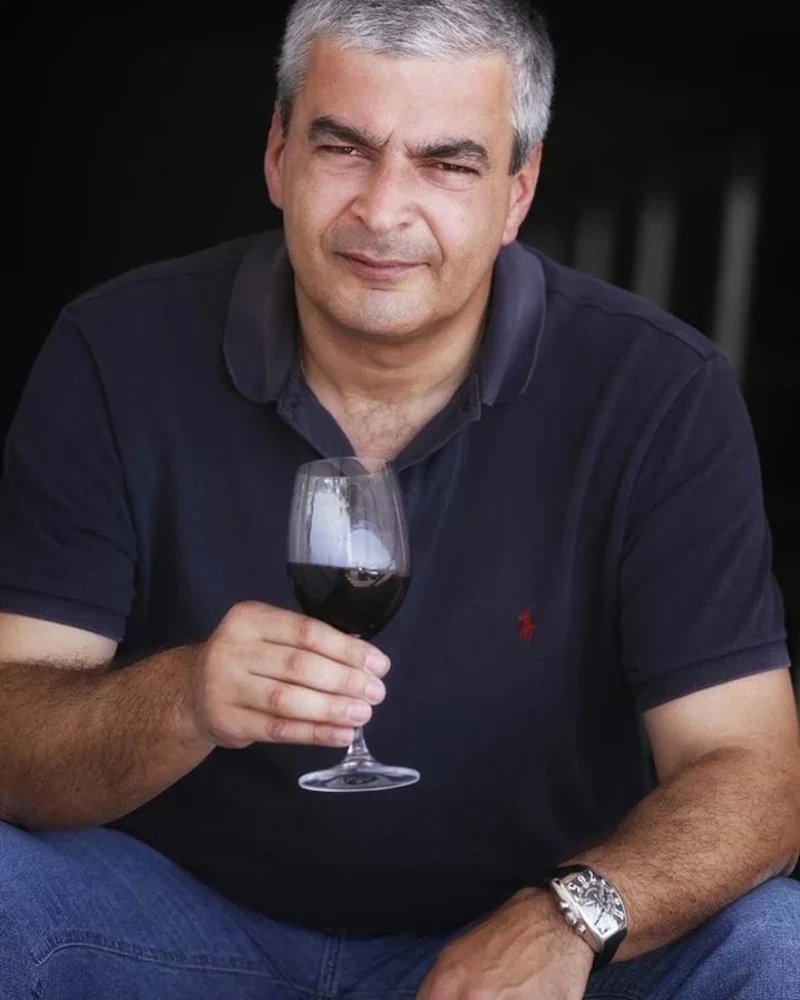
Made By profiles Luis Duarte (Winemaker) and Joachim Koerper (Chef) at Herdade da Malhadinha Nova.
How expensive is Herdade da Malhadinha Nova?
Herdade da Malhadinha Nova is listed at a price level of $$$$.
The field
How it compares
| Place | Awards | Notes |
|---|---|---|
| Herdade da Malhadinha Nova | Michelin 1 Key | Albernoa, $$$$ |
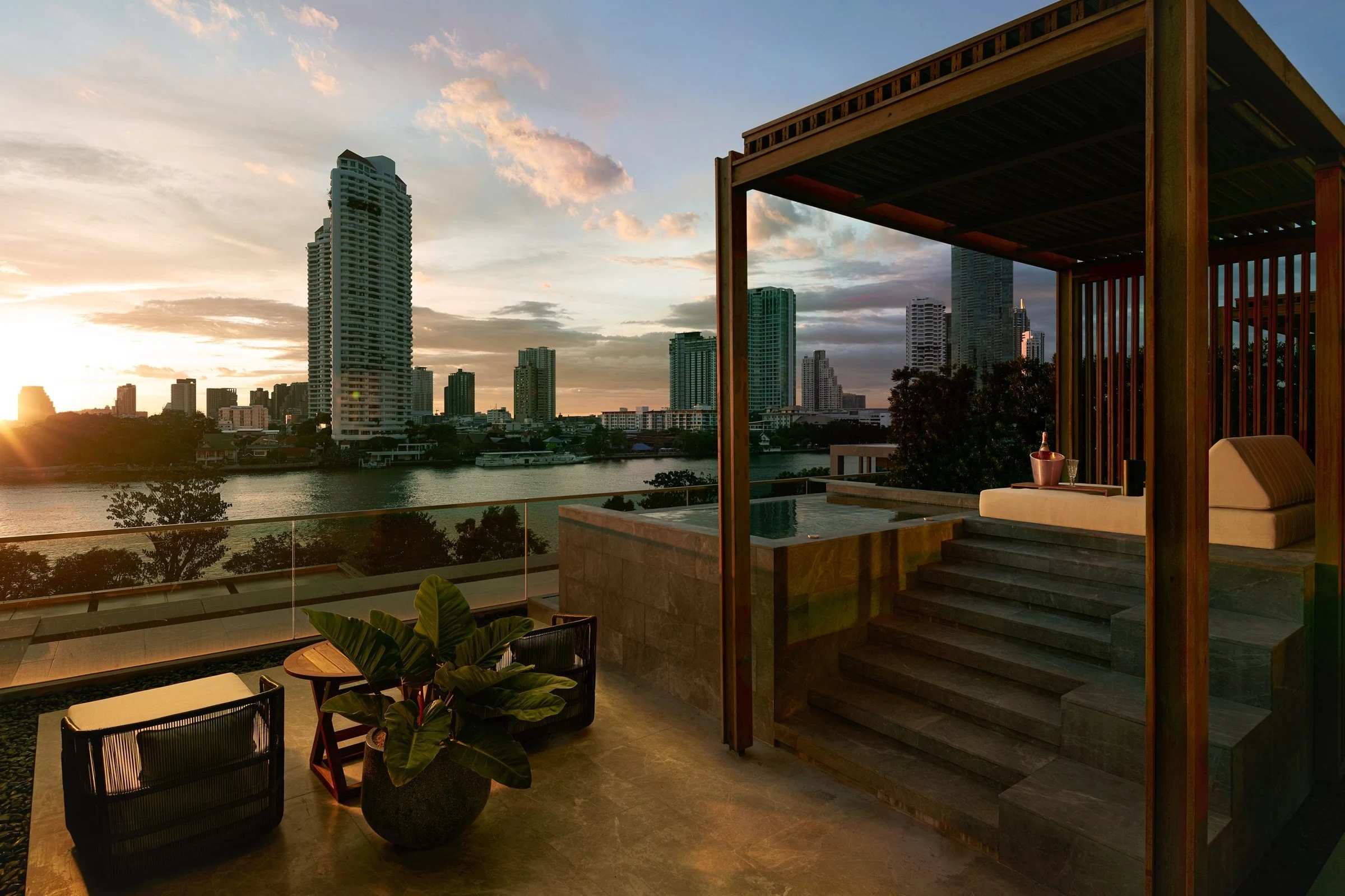
| Capella Bangkok | Michelin 2 Keys, World's 50 Best | Bangkok |
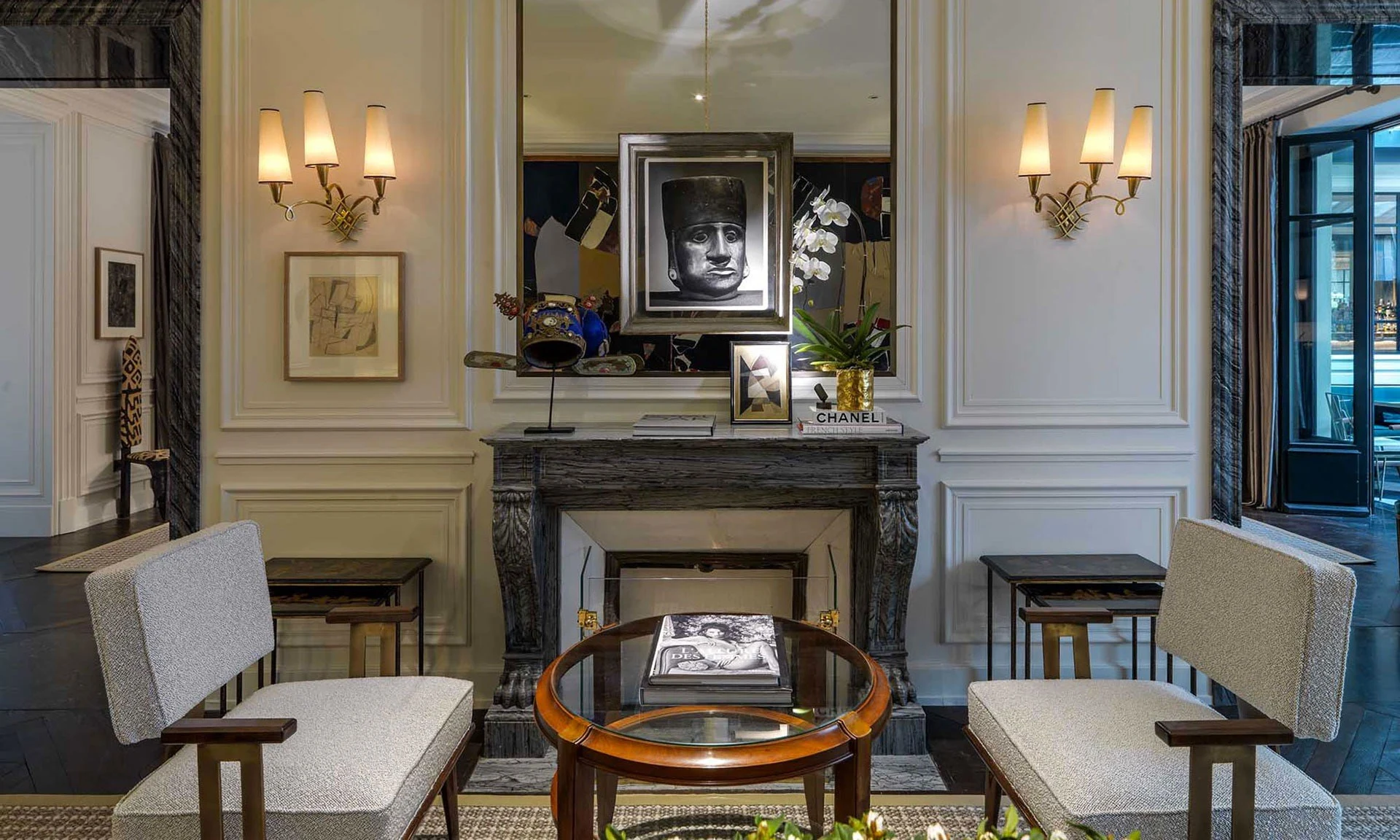
| J.K. Place Paris | Michelin 2 Keys | Paris |
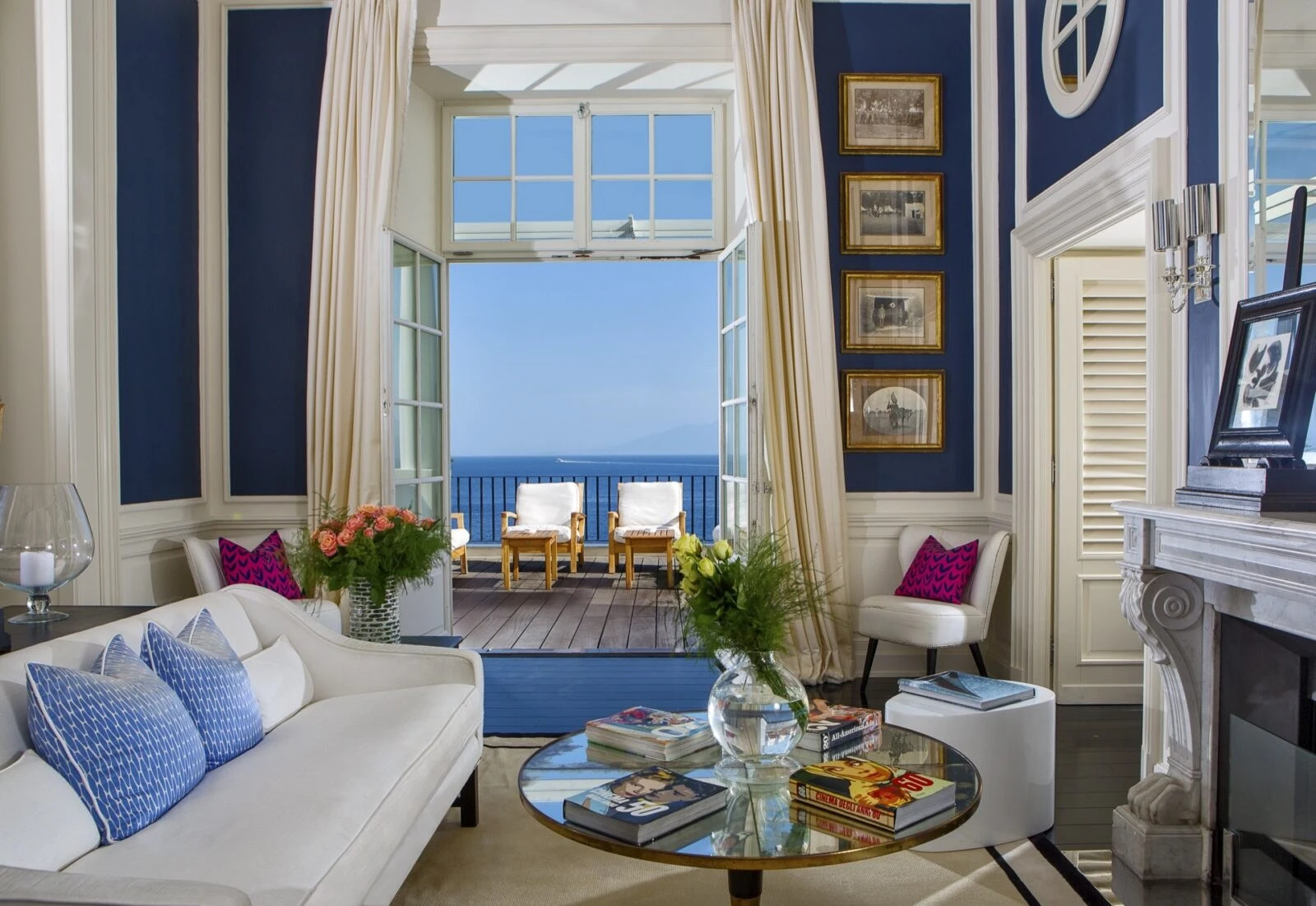
| JK Place Capri | Michelin 3 Keys | Capri |
| La Réserve Paris | Michelin 3 Keys, World's 50 Best | Paris |
| Montage Palmetto Bluff | Michelin 2 Keys | Bluffton |
| Ritz Paris | Michelin 3 Keys | Paris |