Old vines, homestead cellar discipline
- Falstaff Winery - Listed · 2026
The estate decision, kept in hand
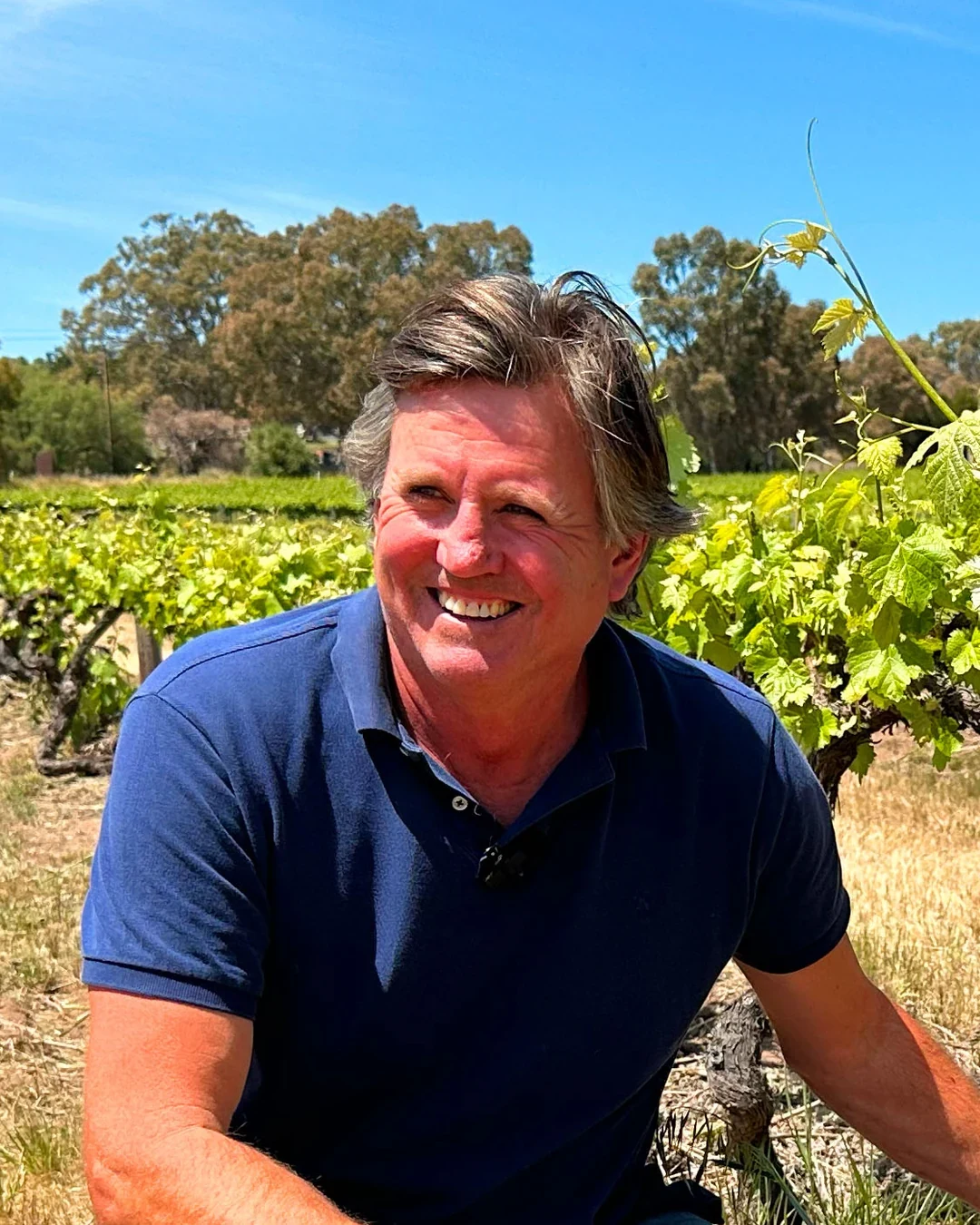
Old-vine fruit sets the first decision for Dean Hewitson, owner and winemaker at Hewitson in Barossa Valley, Nuriootpa. He works from a family-owned winery established in 1998, after a decade as winemaker at Petaluma Winery in South Australia from 1987-1997. Roseworthy College gave him one part of the discipline; the University of California, Davis, where he studied from 1990-1992, gave him another. The throughline is practical rather than decorative: vineyard, cellar, label, repeat.
At Hewitson, Dean and Lou Hewitson restored the original 160-year-old homestead that now holds the cellar door, guest rooms and suite. The building matters because it keeps the work close to the land that feeds it. This is not a visitor room separated from production by polish. The house sits on historic Seppeltsfield Road, overlooking vines, and the estate works at small scale with 12 hectares of vineyards and a stated preference for sustainable practice. Dean’s role reaches across the identity of the wines and the decisions that shape them, with Barossa Valley at the center and South Australian site expression as the frame.
Dry-grown fruit and South Australian sites
The method begins with provenance. Hewitson speaks of great wine as an expression of soil and season, and its sourcing follows that belief: historic, dry-grown vineyards in Barossa Valley, with single-site fruit also drawn from Eden Valley, McLaren Vale and the Adelaide Hills. The house names balance, structure, concentration, power and breeding as targets, language that belongs to fruit selection and cellar restraint as much as to finished wine.
What it does state is more useful at the bench: solar energy, water recycling and encouragement of natural biodiversity sit inside the production philosophy. The varietal field is broad, with Shiraz, Mourvedre, Grenache, Cinsault, Riesling, Cabernet Sauvignon, Sauvignon Blanc and Muscat Blanc à Petits Grains among the grapes associated with the house. Dean’s named signatures, including Old Garden Vineyard Mourvèdre, Miss Harry GSM, Monopole Shiraz Mother Vine and The Mad Hatter, keep the emphasis on repetition, vineyard character and a style refined over time.
The homestead, the cellar door, the vineyard line
The room moves at cellar-door pace. Conversation carries across the bar, then out to the decks and terraces, where the vineyard line does more than decorate the tasting. Local cheeses come to the table with estate-grown olives and figs, a small pairing program that keeps the produce close to the glass. The restored homestead gives the place its register: old stone, garden, lawn, tasting room, and the sense that hospitality has been fitted around an existing house rather than dropped onto a site.
That texture suits the wines. A tasting here can hold still reds, still whites, rosé, sparkling, fortified and dessert styles without turning the estate into a catalogue. The cellar door remains the pass between Dean’s vineyard decisions and the person holding the glass. Old Garden Vineyard Mourvèdre, not the view, carries the Hewitson argument most directly.
Questions
Frequently asked
Who is behind Hewitson?
Dean Hewitson is the owner and winemaker. The family-owned winery was established in 1998, and Dean had previously spent a decade as winemaker at Petaluma Winery in South Australia from 1987 to 1997.
What is the cellar door like?
The cellar door is in a restored 160-year-old homestead on historic Seppeltsfield Road, overlooking the vines. It also holds guest rooms and a suite, so the building stays close to the working estate rather than feeling separate from it.
What kind of wines does Hewitson make?
The range includes still reds, still whites, rosé, sparkling, fortified and dessert styles. Grapes associated with the house include Shiraz, Mourvèdre, Grenache, Cinsault, Riesling, Cabernet Sauvignon, Sauvignon Blanc and Muscat Blanc à Petits Grains.
Is booking recommended?
Booking is recommended. There is on-site parking.
The field
How it compares
| Place | Notes | Awards |
|---|---|---|
| Hewitson | Barossa Valley, $$$ | · |
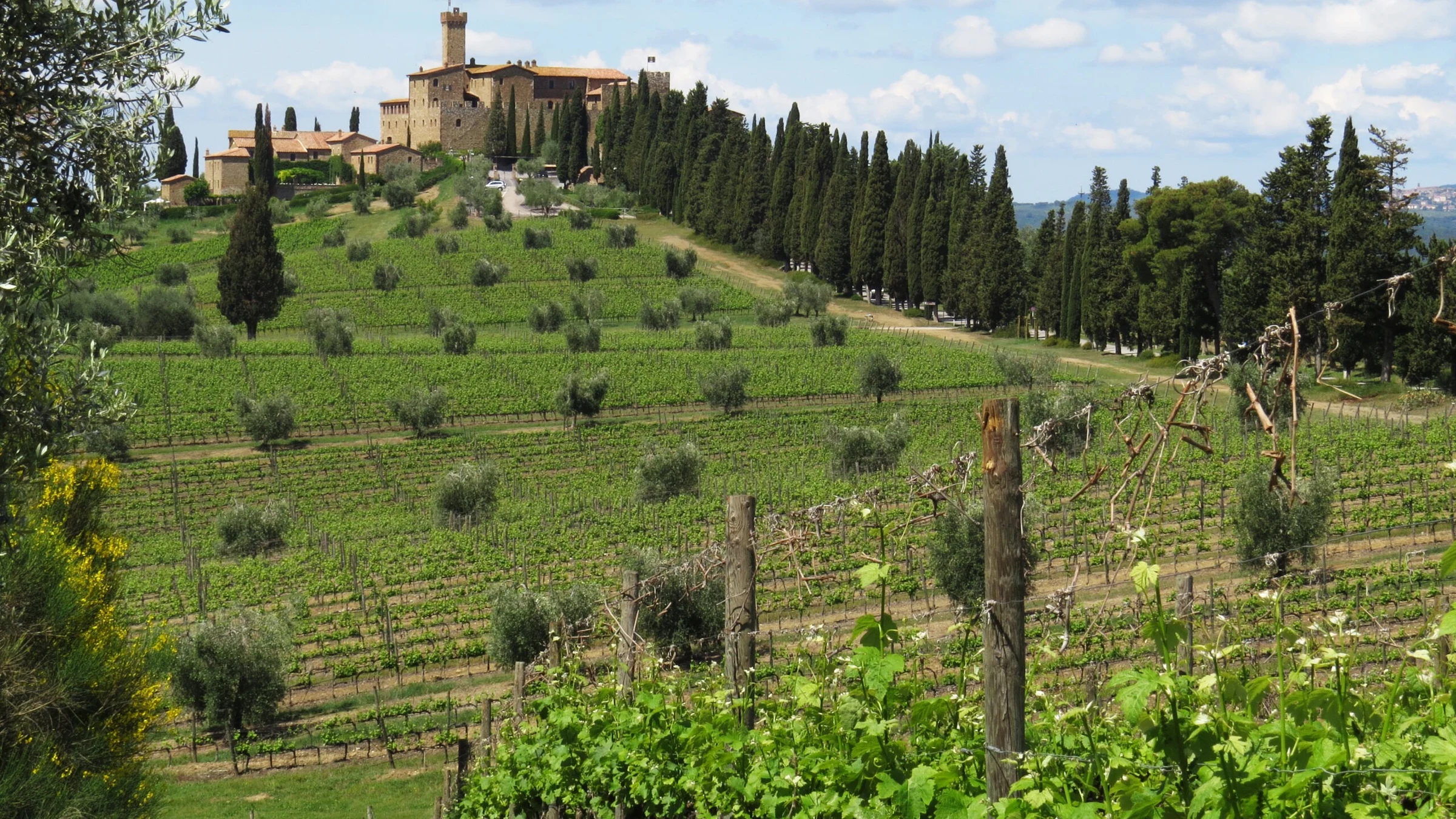
| Castello Banfi | Montalcino | World's 50 Best |
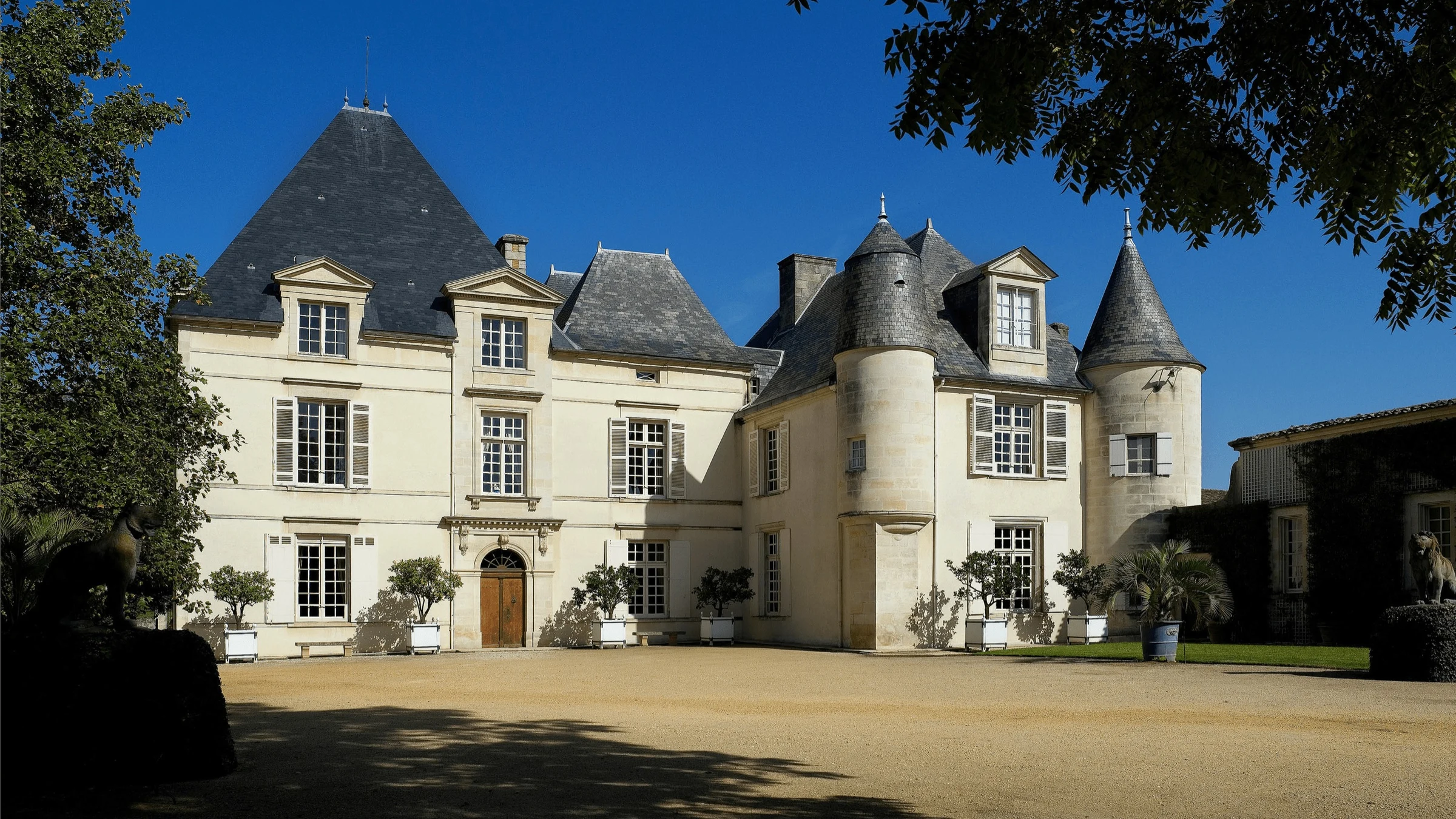
| Chateau Haut-Brion | Pessac | World's 50 Best |
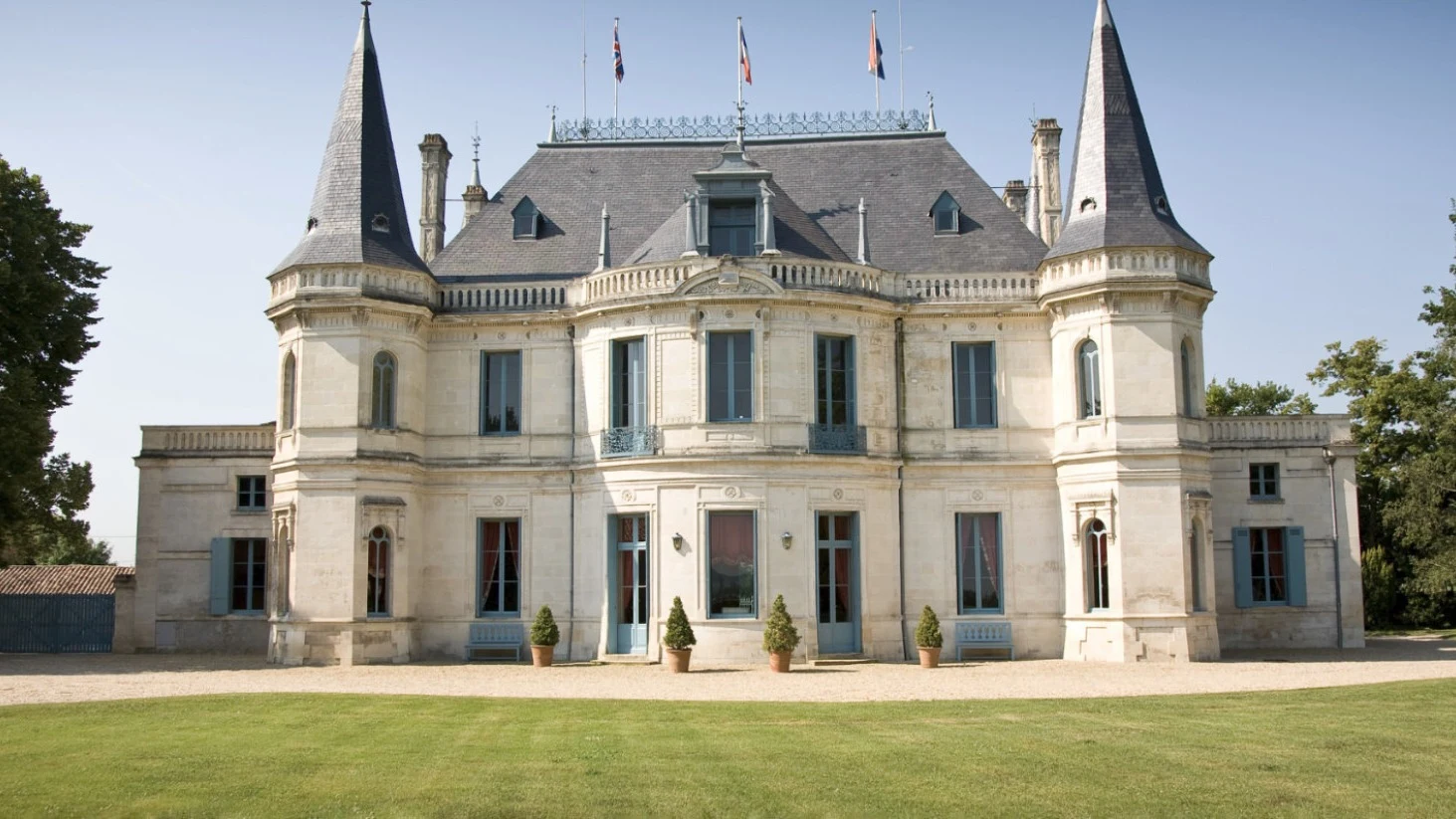
| Château Palmer | Margaux | · |
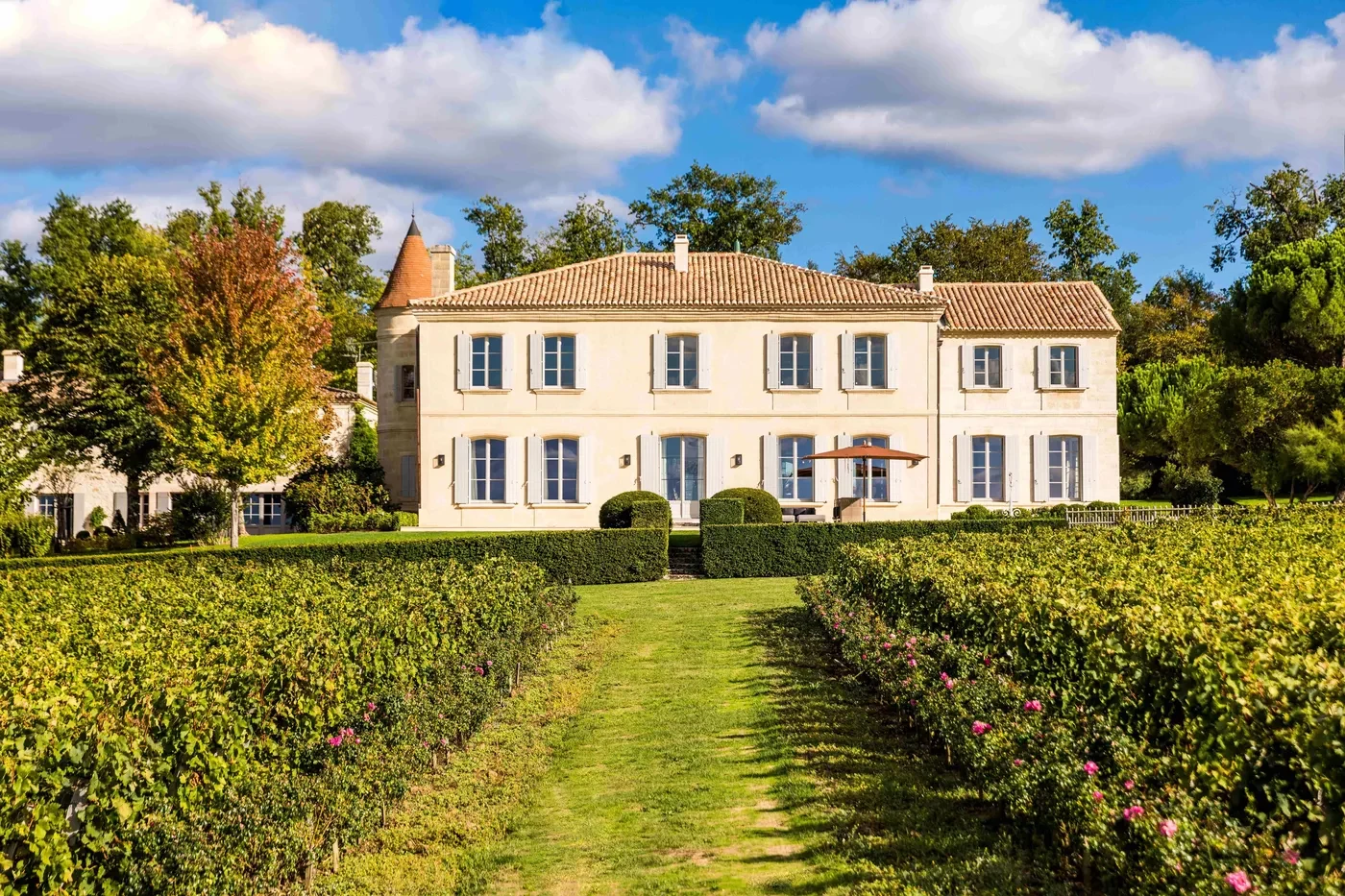
| Château Troplong Mondot | Saint-Laurent-des-Combes | · |
| Dom Pérignon | Hautvillers | · |
| Domaine Clarence Dillon | Pessac | · |