Hof Ter Hulst
- 01CuisineClassic French Fine Dining
- 02CityHulshout, Belgium
- 03RecognitionOne Michelin Star
Classical sauce work, farmhouse pace
- 1 Michelin Star · Michelin Guide
- Michelin 1 Star · 2026
- Michelin 1 Star · 2025
- Michelin 1 Star · 2024
Classical discipline in a farmhouse kitchen
The decision to let a jus, a confit note or a cleanly cooked fish carry the plate belongs to Johan Schroven at Hof Ter Hulst in Hulshout, Belgium, who has led the kitchen since the house opened in 2000. He is autodidactic, though shaped by what he calls the school of perseverance: a strict apprenticeship at Scholteshof under Roger Souvereyns, then a stage at Alain Ducasse's Louis XV in Monaco, then two years each with Michel Guérard at Eugénie les Bains and Philippe Rochat at Crissier. That training informs a reliable, high-quality register built on seasonal ingredients, bold seasoning and constructions without excess. The house is built on French-Belgian cooking, rural ingredients, and the discipline of a room that has chosen steadiness over novelty.
The restaurant began in 2000 in a renovated farmhouse on Kerkstraat, in the Zuiderkempen area of Belgium's Antwerpen region. Its kitchen has stayed close to classical method: sauces reduced for clarity, proteins treated as the center of the plate, vegetables used for season and depth rather than decoration. The house holds one Michelin star, retained in the 2025 Guide, and its reputation rests less on spectacle than on dependable work at the pass. The lineage here is not theatrical. It is the long way, the station repeated until timing becomes part of the hand.
Seasonal courses without ornament
The program turns on tasting menu and à la carte formats, with the seasonal menu introduced in 2015. The known dishes show the kitchen's grammar clearly: scallops with pumpkin, Coco de Paimpol beans, and pork belly; lobster salad; minestrone; veal sweetbreads; langoustines with artichokes; sole with celeriac; roe deer with parsnip, salsify, and black tripe. Dessert stays in the same register, with apple French toast and vanilla, quince, cheese, or a tarte tatin when the shorter market menu is in play.
The method is classical without being museum-bound. Confit lemon sharpens hoevekip from Landes; carcass jus gives it depth; smoked bacon adds salinity against carrots and mushrooms. Beef tartare sits on potato puree with celeriac and stracciatella. A baked fig tart comes with basil leaves and pistachio ice. These are not plates built to announce technique. They are plates where technique has already done its work before the dish reaches the pass.
The room keeps the pace low
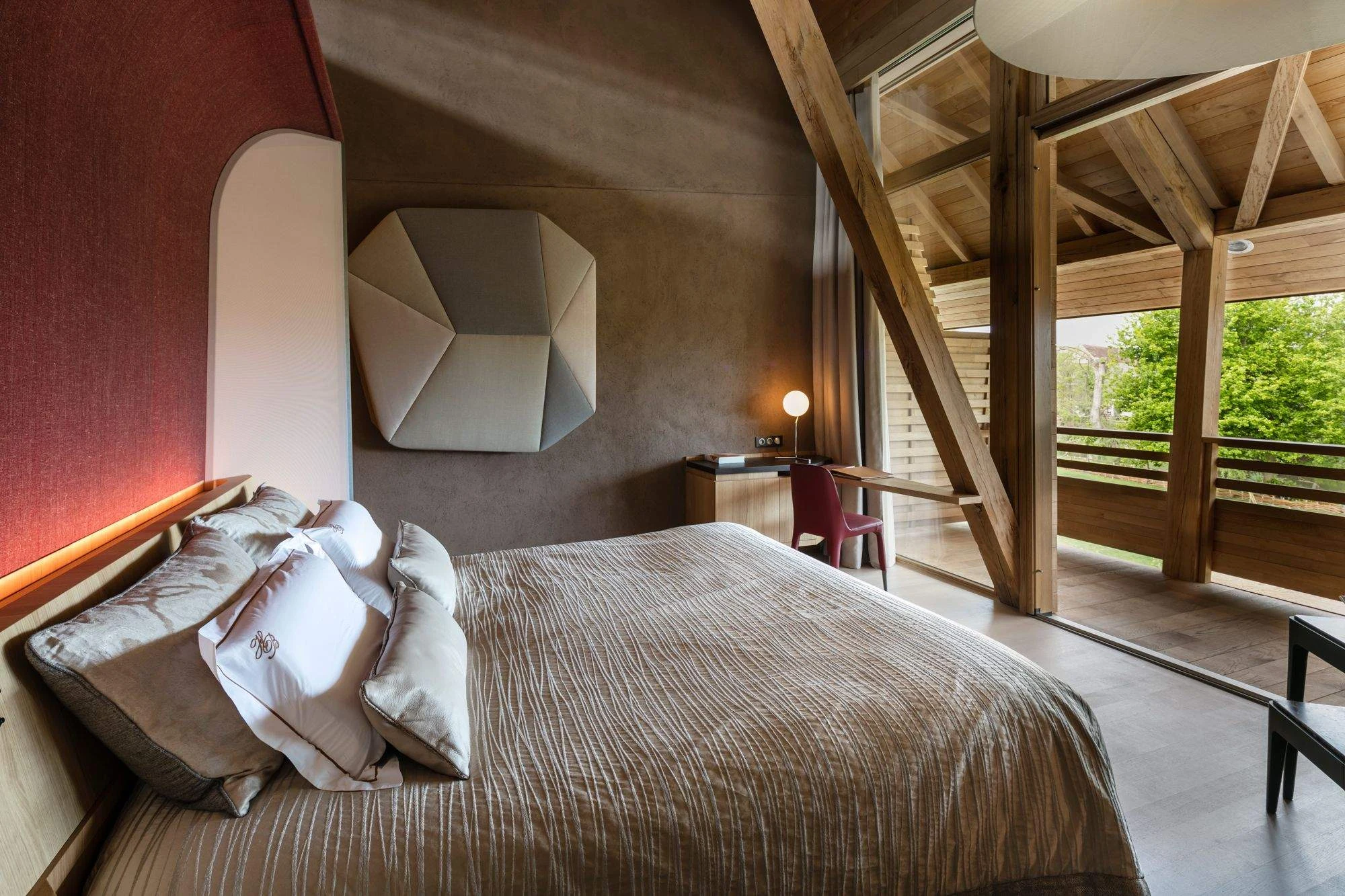
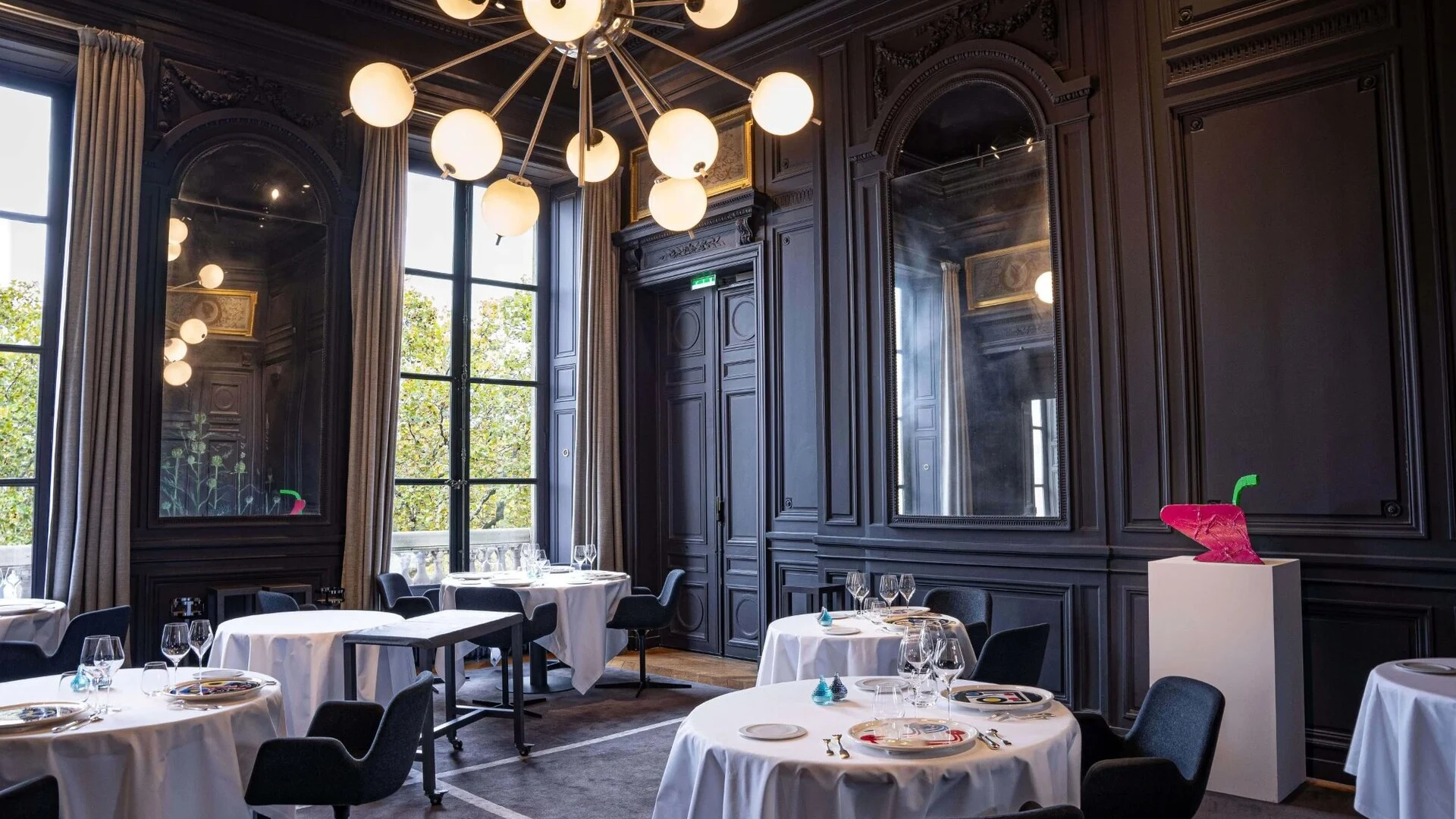
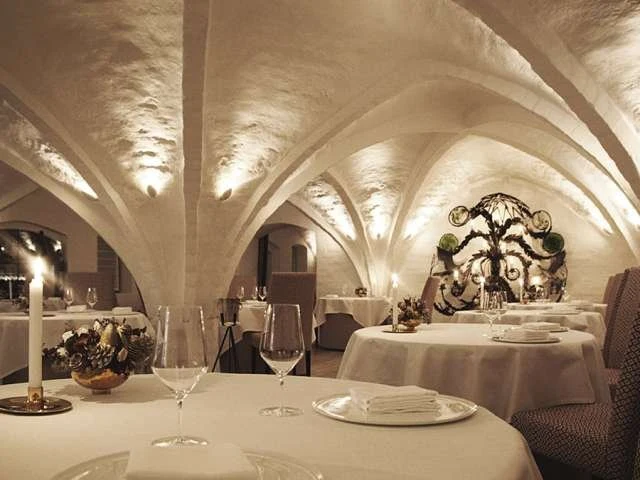
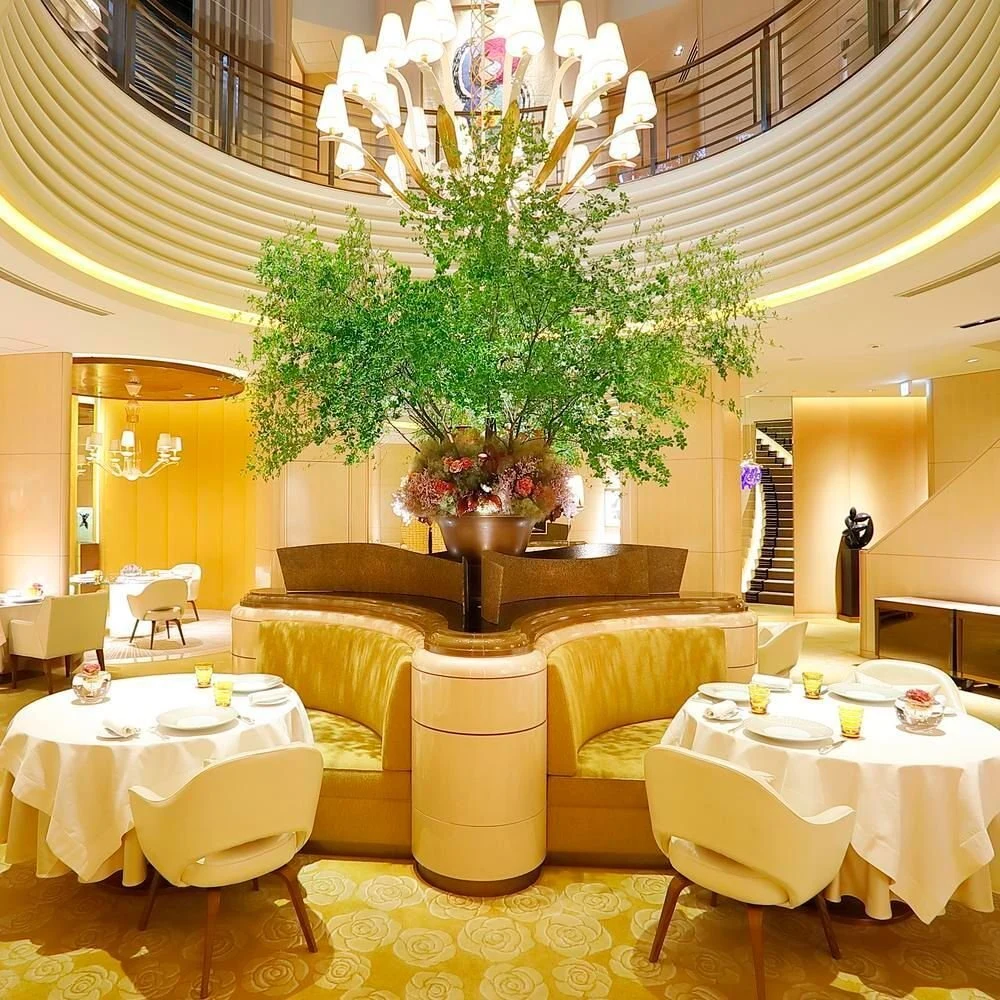
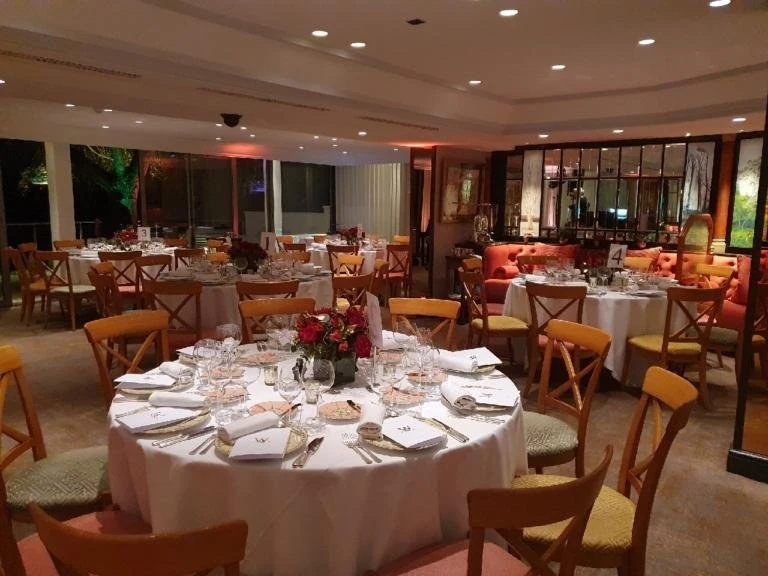
The farmhouse matters because it slows the meal before the first course lands. Hof Ter Hulst occupies an old rural structure made light and classical inside, with a homely warmth rather than a grand dining-room posture. The scale is intimate, and the quiet lets the service read the table without forcing itself into the foreground. In that kind of room, a sauce boat, a carved protein, or a cheese assortment can hold attention without being staged.
The counterpoint is professional polish. Guests come for a Michelin-starred kitchen, but the place has kept the feeling of a farmhouse in Hulshout, not an urban room transplanted into the countryside. The garden terrace extends that mood when the season allows. Inside, the craft remains anchored to the pass, to the plate, and to the old hoeve on Kerkstraat.
A house held to its own line
Hof Ter Hulst has changed less in spirit than in menu rhythm. Since the tasting format arrived in 2015, the kitchen has had a clearer way to follow the seasons while staying inside its French-Belgian discipline. The next course to understand here is not a reinvention, but the recurring return of game, root vegetables, jus, and pastry to the same farmhouse grammar in Hulshout.
Questions
Frequently asked
Who is behind the kitchen at Hof Ter Hulst?
Johan Schroven has led the kitchen since the restaurant opened in 2000. His cooking is shaped by a long classical apprenticeship, including time at Scholteshof under Roger Souvereyns, Louis XV in Monaco, and later with Michel Guérard and Philippe Rochat.
What kind of cooking does Hof Ter Hulst serve?
The restaurant is built on classical French-Belgian cooking, with seasonal ingredients, bold seasoning, and restrained plates. Sauces, jus, and carefully cooked proteins are central to the style.
What is the format of the menu?
Hof Ter Hulst offers both tasting menu and à la carte formats. A seasonal menu was introduced in 2015.
What recognition does Hof Ter Hulst hold?
It holds one Michelin star, retained in the 2025 Guide.
What should a visit feel like?
The restaurant is set in a renovated farmhouse on Kerkstraat in Hulshout, and the room is described as intimate and quietly polished. It has a garden terrace, and the dress code is smart casual.
The field
How it compares
| Place | Awards | Cuisine | Notes |
|---|---|---|---|
| Hof Ter Hulst | Michelin 1 Star | Classic French Fine Dining | Hulshout, $$$ |
| Auberge de l'Ill | Michelin 2 Stars, World's 50 Best | Classic French Fine Dining | Illhaeusern |
| Guy Savoy | Michelin 2 Stars, World's 50 Best | Classic French Fine Dining | Paris |
| Kong Hans Kælder | Michelin 2 Stars | Classic French Fine Dining | Copenhagen |
| L'OSIER | Michelin 3 Stars | Classic French Fine Dining | Tokyo |
| Tour d'Argent | Michelin 1 Star, World's 50 Best | Classic French Fine Dining | Paris |
| Waterside Inn | Michelin 3 Stars, World's 50 Best | Classic French Fine Dining | Bray |
Similar places
Classic French Fine Dining
Auberge de l'Ill
Illhaeusern, France
★★ · 50 Best
Classic French Fine Dining
Guy Savoy
Paris, France
★★ · 50 Best
Classic French Fine Dining
Kong Hans Kælder
Copenhagen, Denmark
★★
Classic French Fine Dining
L'OSIER
Tokyo, Japan
★★★
Classic French Fine Dining
Tour d'Argent
Paris, France
★ · 50 Best
Classic French Fine Dining
Waterside Inn
Bray, United Kingdom
★★★ · 50 Best