Hôtel Amour
- 01CityParis, France
From the people index
Recommended by
One trusted voice points here.
South Pigalle Before South Pigalle Had a Name
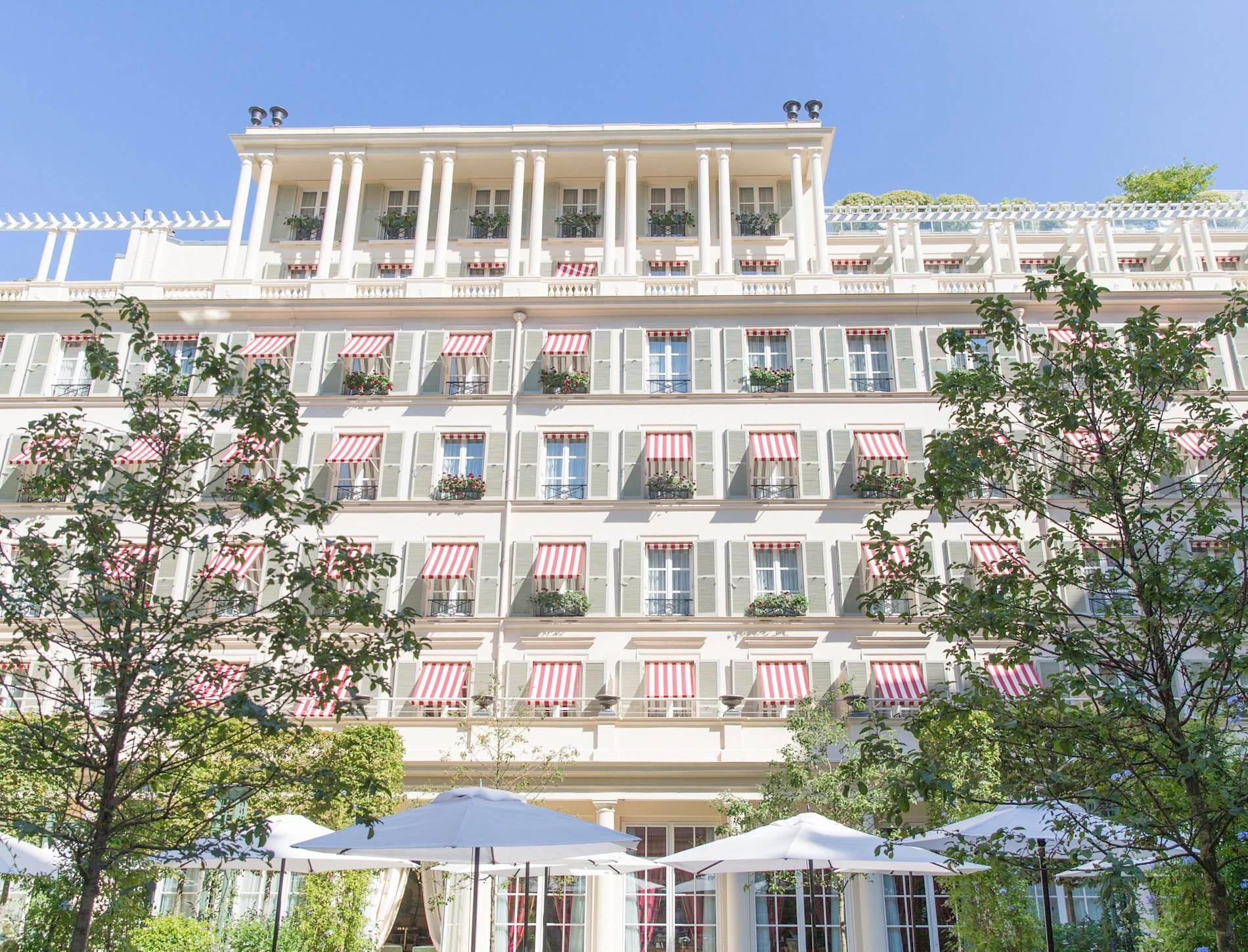
Hôtel Amour is a 28-room boutique hotel at 8 Rue de Navarin, 75009 Paris, France, with artist-designed rooms and a garden restaurant open to non-guests. The neighbourhood was working-class, slightly frayed at the edges, and largely ignored by the hotel industry, which was busy consolidating around the grand boulevards and the palace properties of the 8th. The decision to open a small, art-forward hotel here was less a calculated real-estate bet than a cultural statement, and it has aged considerably better than most cultural statements from that era.
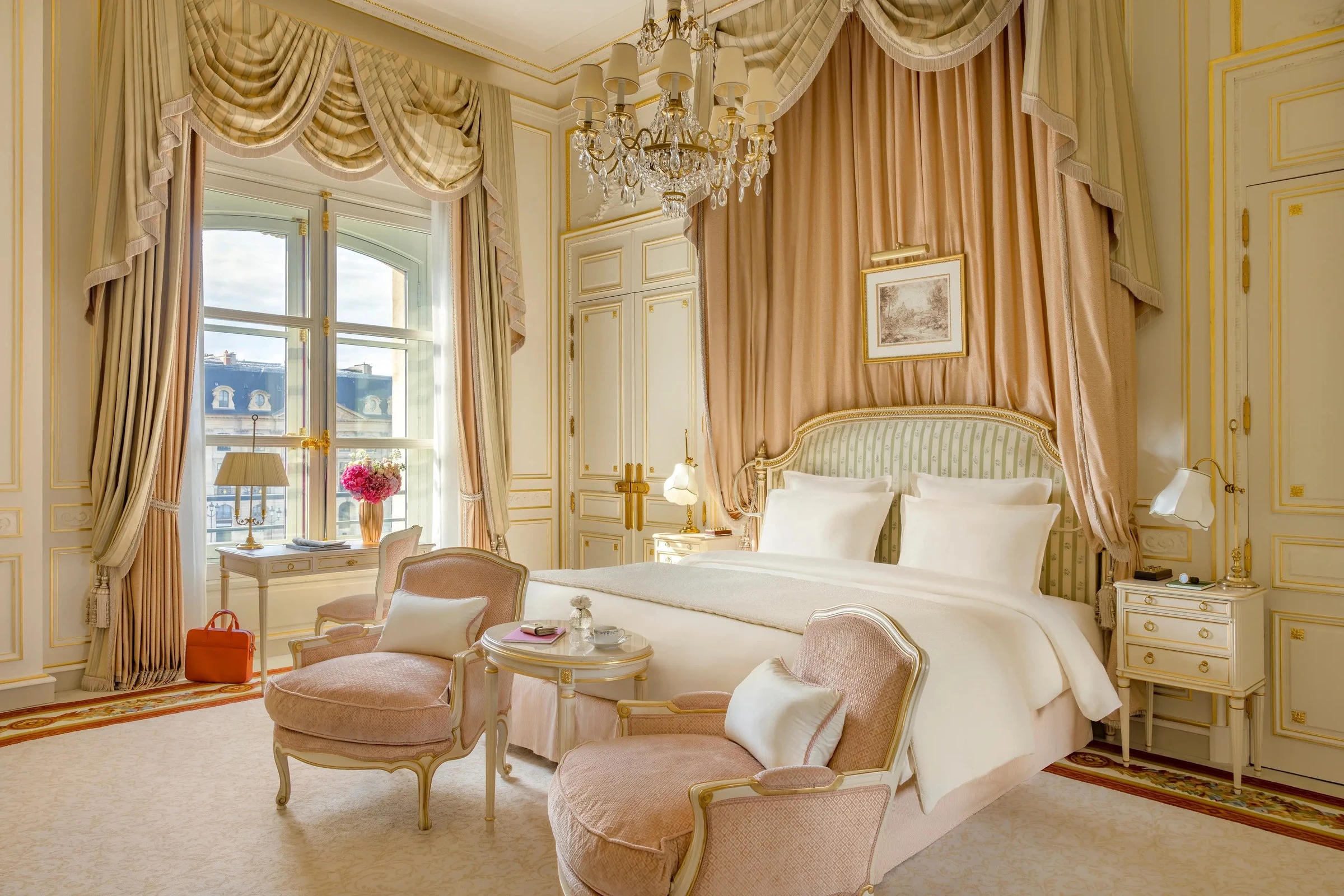
Paris has a long tradition of the hôtel de charme: the family-run property with twelve rooms, mismatched furniture, and a courtyard that earns its keep on atmosphere rather than amenity. What Hôtel Amour did differently was apply that template with genuine creative deliberation. Each room was handed to a different artist or designer to interpret, which meant no two rooms arrived at the same aesthetic conclusion. That approach was not new in theory, boutique hotels had been commissioning artists since the 1990s, but in a neighbourhood with no luxury footprint to borrow credibility from, it read as conviction rather than marketing.
The Garden as Anchor
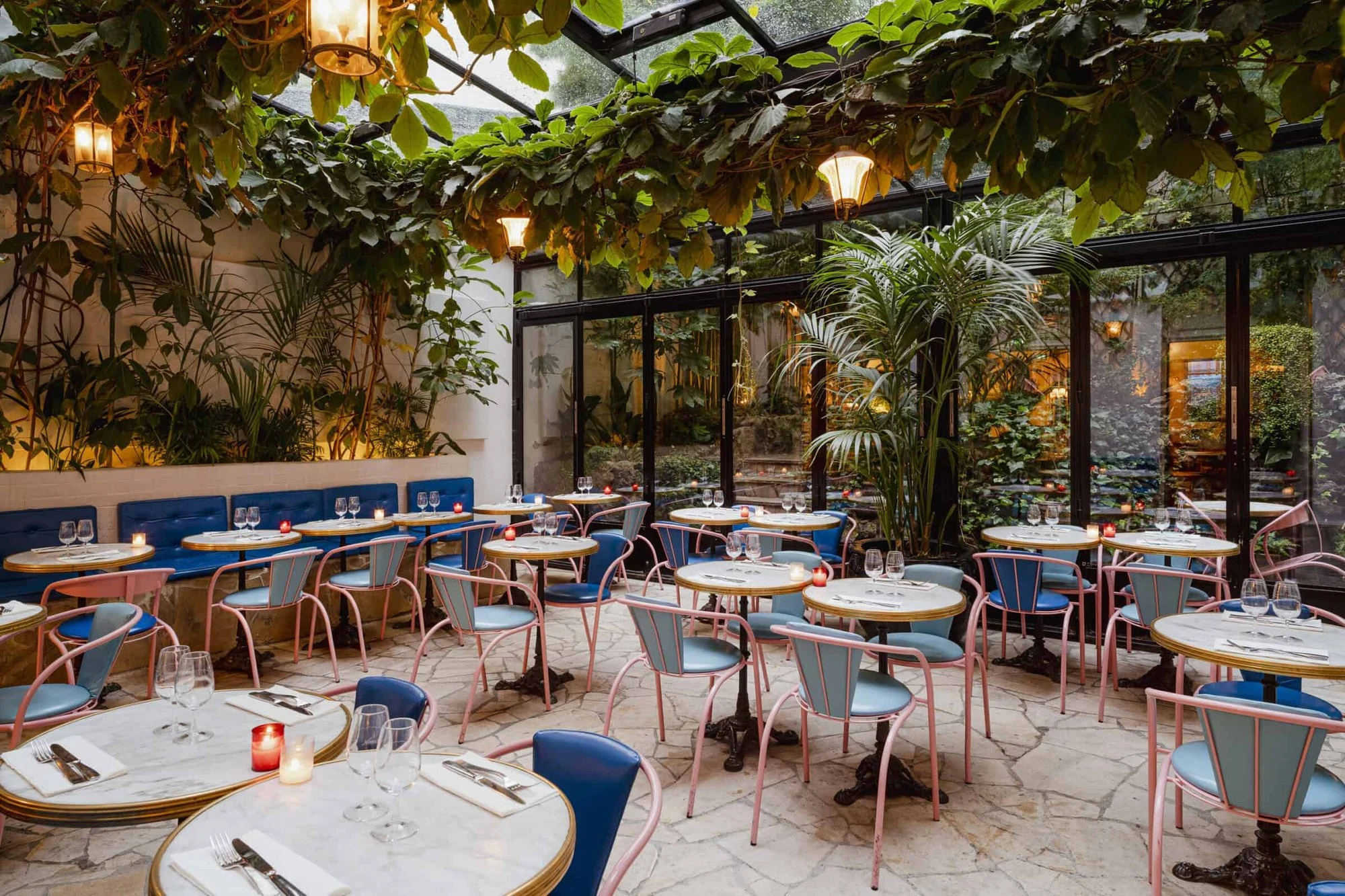
The feature that has done the most to secure Hôtel Amour's position in the Parisian social calendar is not the rooms but the restaurant garden. In a city where outdoor dining space is chronically scarce and typically monopolised by the grand brasseries, a tucked-away garden operating as an open-to-all restaurant created a different kind of draw. Non-staying guests discovered it early, and the restaurant developed its own reputation largely independent of the hotel's room offering.
That separation of restaurant identity from hotel identity is more common in London and New York than in Paris, where the palace tradition has always kept hotel dining firmly attached to the property's overall prestige hierarchy. The Hôtel Amour model, in which the restaurant and bar function as neighbourhood anchors that happen to have rooms above them, anticipated a format that has since been adopted by properties across Europe. Hôtel Amour inverted that logic from the start.
Reinvention in Place
The evolution question with Hôtel Amour is an interesting one, because the property's reinvention has been largely internal rather than structural. The building has not expanded. The format has not changed. What has shifted is the neighbourhood around it. The arrival of wine bars, natural-wine producers, small-plates restaurants, record shops, and creative studios in the 9th during the 2010s transformed SoPi from a background condition into an active destination. Hôtel Amour went from being an outlier in its street to being read as the original iteration of a scene that subsequently arrived in force.
That positional shift, from eccentric pioneer to scene anchor, is something that properties like La Réserve Paris or Le Bristol Paris have never needed to navigate, because their neighbourhoods and competitive sets were established long before they opened. For a small independent hotel, maintaining relevance as the neighbourhood matures around you is a different kind of editorial problem. Hôtel Amour has handled it by staying consistent rather than chasing the next iteration of cool, which has the effect of making it feel authoritative rather than nostalgic.
What remains is a property that has earned its position through duration and consistency, a different and arguably more durable credential than novelty.
Where It Sits in the Paris Hotel Market
Paris's hotel market has sharpened considerably over the past decade into two dominant narratives: the palace tier, where properties like Hôtel de Crillon, Four Seasons George V, and Airelles Château de Versailles compete on grandeur, heritage, and Michelin-rated dining; and the design-led independent tier, where the value proposition rests on curation, neighbourhood positioning, and a less transactional guest relationship.
Hôtel Amour operates firmly in the second category, and its closest competitive reference points are not other Paris hotels so much as the broader European movement of artist-commissioned, neighbourhood-embedded boutique properties. In that sense it has more in common with design-forward properties in other French cities, the kind of small-scale deliberate hotels found in wine country and Provence, such as La Bastide de Gordes or Villa La Coste, than with the large-format Paris institutions.
It competes on atmosphere and integration with its neighbourhood.
Know Before You Go
| Address | 8 Rue de Navarin, 75009 Paris, France |
|---|---|
| Neighbourhood | South Pigalle (SoPi), 9th arrondissement |
| Format | Boutique hotel with artist-commissioned rooms and a garden restaurant open to non-guests |
| Leading For | Travellers prioritising neighbourhood character and creative atmosphere over conventional hotel amenities |
| Booking | Booking is recommended. |
Questions
Frequently asked
How expensive is Hôtel Amour?
Hôtel Amour is listed at a price level of $$$.
The field
How it compares
| Place | Notes | Awards |
|---|---|---|
| Hôtel Amour | Pigalle, $$$ | · |
| Airelles Château de Versailles - Le Grand Contrôle | Paris | Michelin 3 Keys |
| Cheval Blanc Paris | Paris | Michelin 3 Keys, World's 50 Best |
| J.K. Place Paris | Paris | Michelin 2 Keys |
| La Réserve Paris | Paris | Michelin 3 Keys, World's 50 Best |
| Le Bristol Paris | Paris | Michelin 3 Keys, World's 50 Best |
| Ritz Paris | Paris | Michelin 3 Keys |