Hutong New York
- 01CuisineModern Northern Chinese
- 02CityNew York City, United States
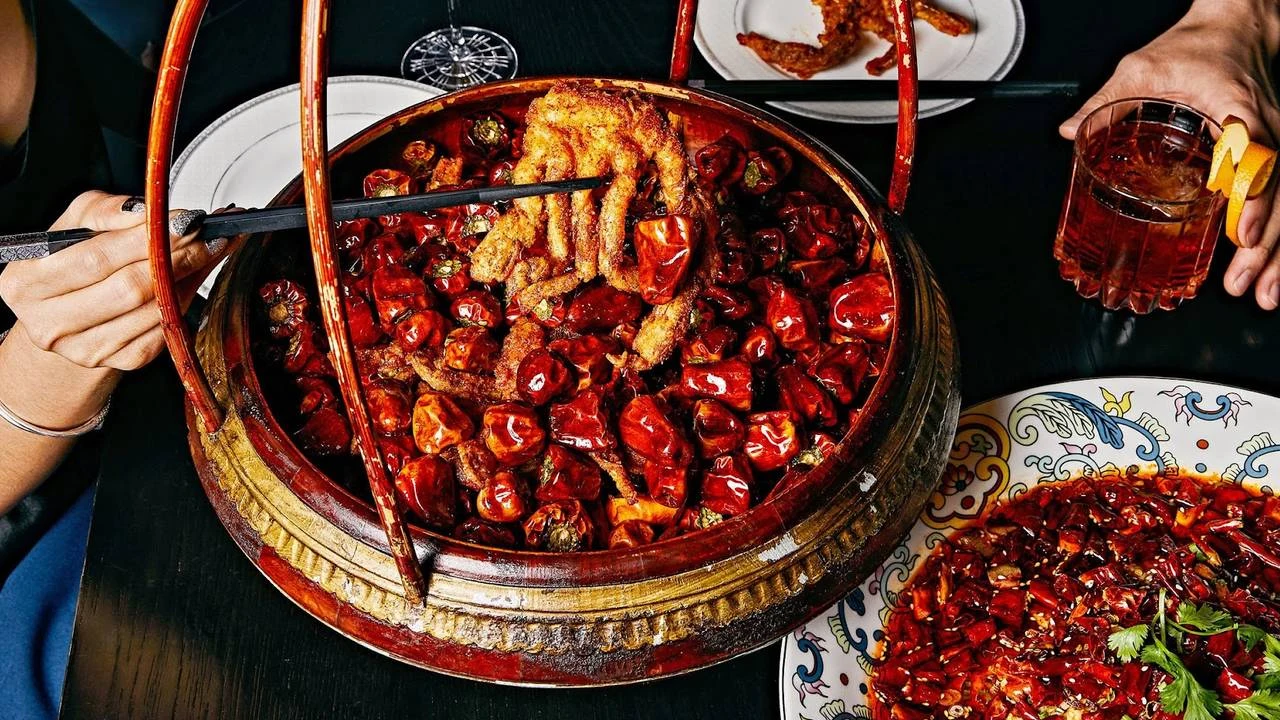
Duck skin finished tableside
- Opinionated About Dining Top Restaurants in North America Ranked #135 · 2026
- Pearl Recommended Restaurant · 2025
A Northern Chinese kitchen in Midtown
The duck arrives to the table in flame while Executive Chef Ken Lin works inside a room built for appetite and theatre at Hutong New York. His stated philosophy is to honour time-honoured recipes with modern technique, holding quality ingredients, seasonality and bold flavour in the same frame, and his hand shows most clearly in the dishes the house leads with.
That register matters here. Hutong occupies the Midtown East address at 731 Lexington Avenue as part of the group behind sister rooms in Hong Kong and London, and the New York kitchen has to make a modern Northern Chinese program legible to a room that arrives expecting glamour. Lin’s guidance is what keeps the signature plates, the Peking duck and the crispy soft-shell crab, carrying aromatic spice and regional depth rather than only spectacle.
The duck skin sets the pace
The signature dish is Flaming Peking Duck, served tableside for maximally crisp skin and visible heat. The method is part cookery, part service station: lacquered duck, pancakes, garnishes, flame, carve, pass to the guest while the skin still carries its point. Hutong keeps that dish beside a Dim Sum Platter and Soft Shell Crab, anchoring the menu in sharing, texture, and heat rather than a single linear tasting. The dining format moves between à la carte, prix fixe, and small plates, with an Emperor Dinner that runs one appetiser, main, side and dessert, so the kitchen can change the rhythm of a table without changing the identity of the room.
The broader program is modern Northern Chinese, with cocktails given real weight beside the food and a curated wine program held in the architecture of the room. Dan dan noodles arrive fiery in a creamy pork emulsion; the dim sum platter reaches for Iberico pork dumplings and truffle. The food still has to survive the practical test of the plate: crisp crab against chile, dim sum that reads cleanly in the hand, duck skin that reaches the table before it softens. The strongest details here are tactile. Skin, shell, wrapper, glass.
Mirrors, chandeliers, and the pass
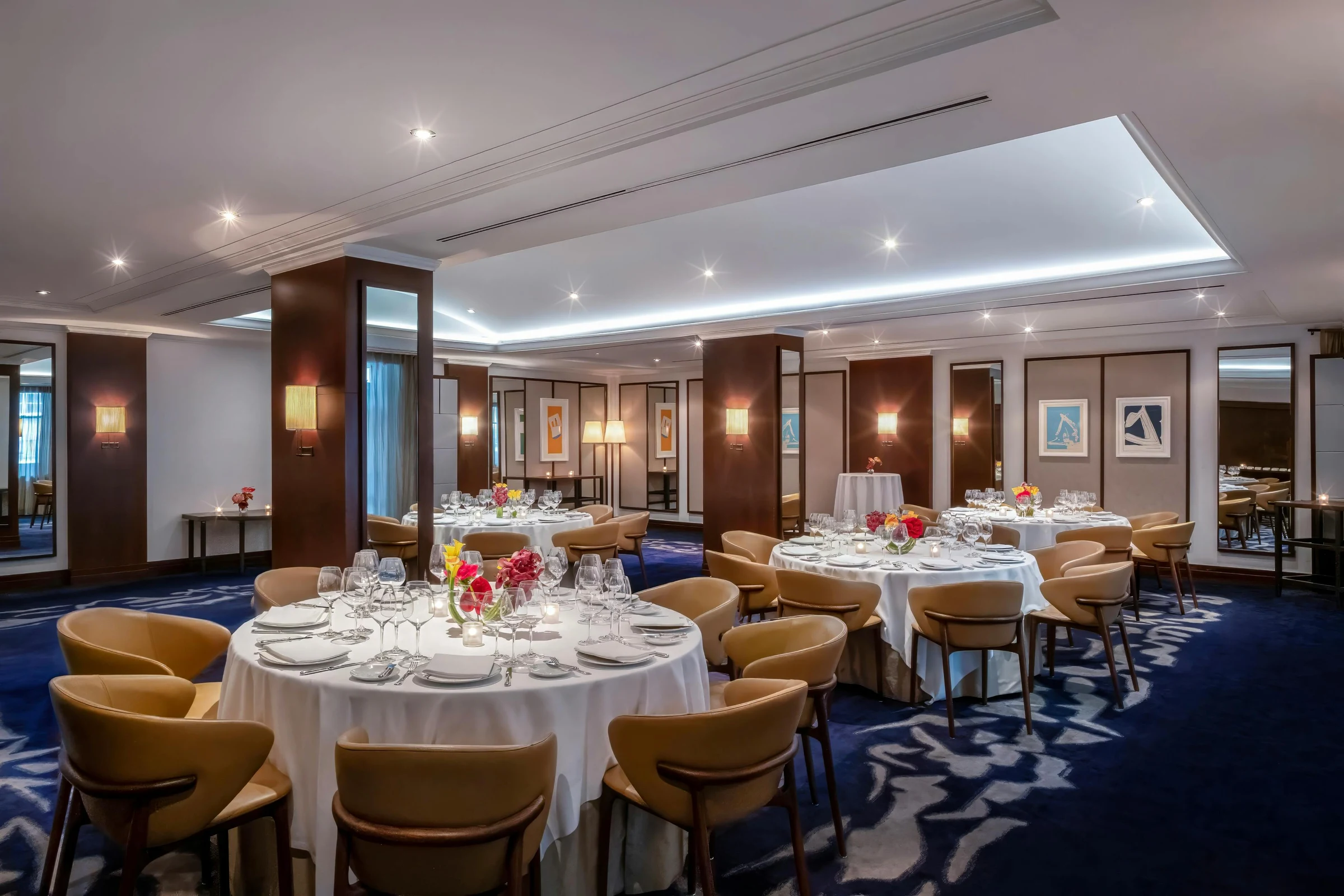
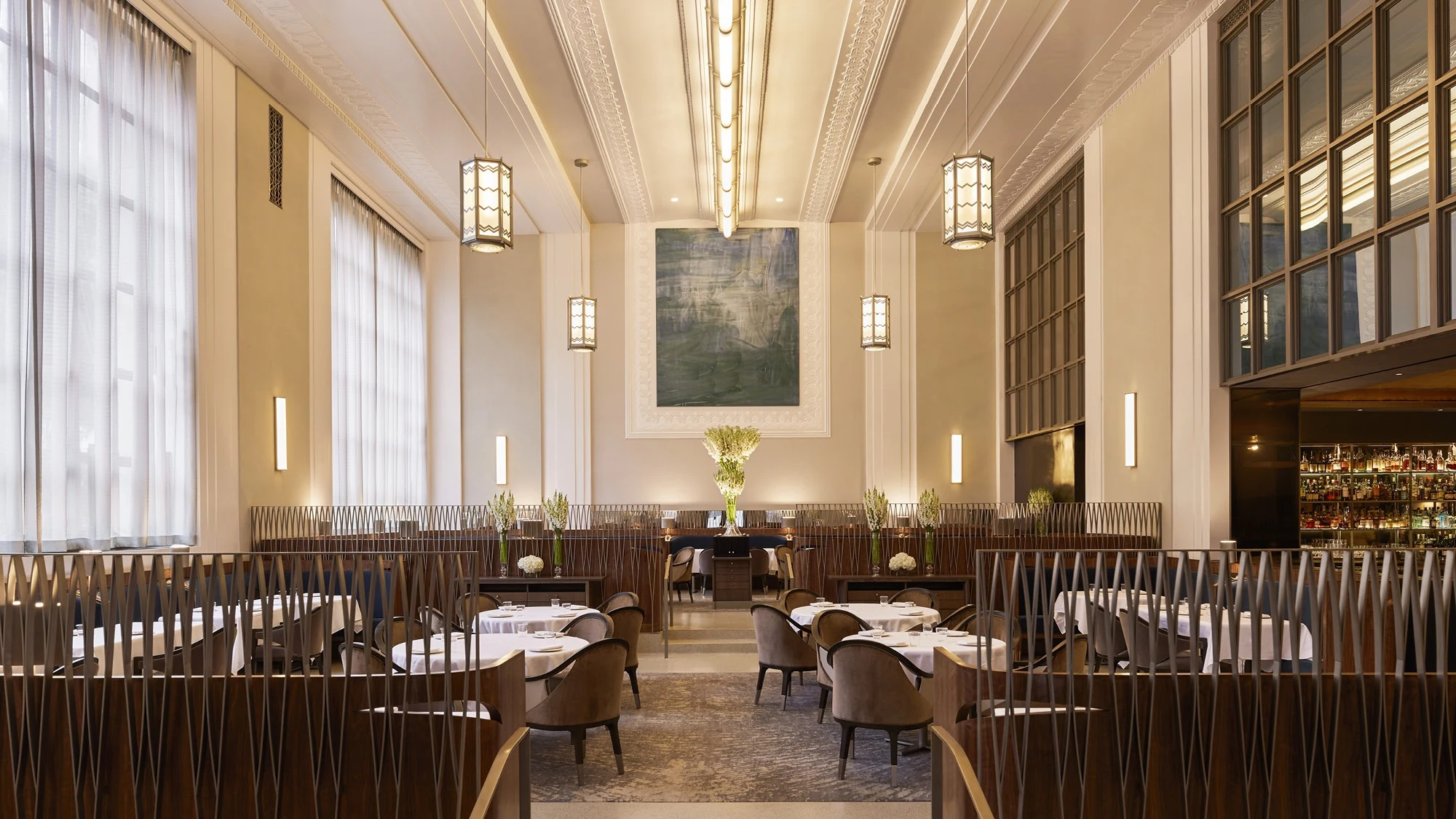
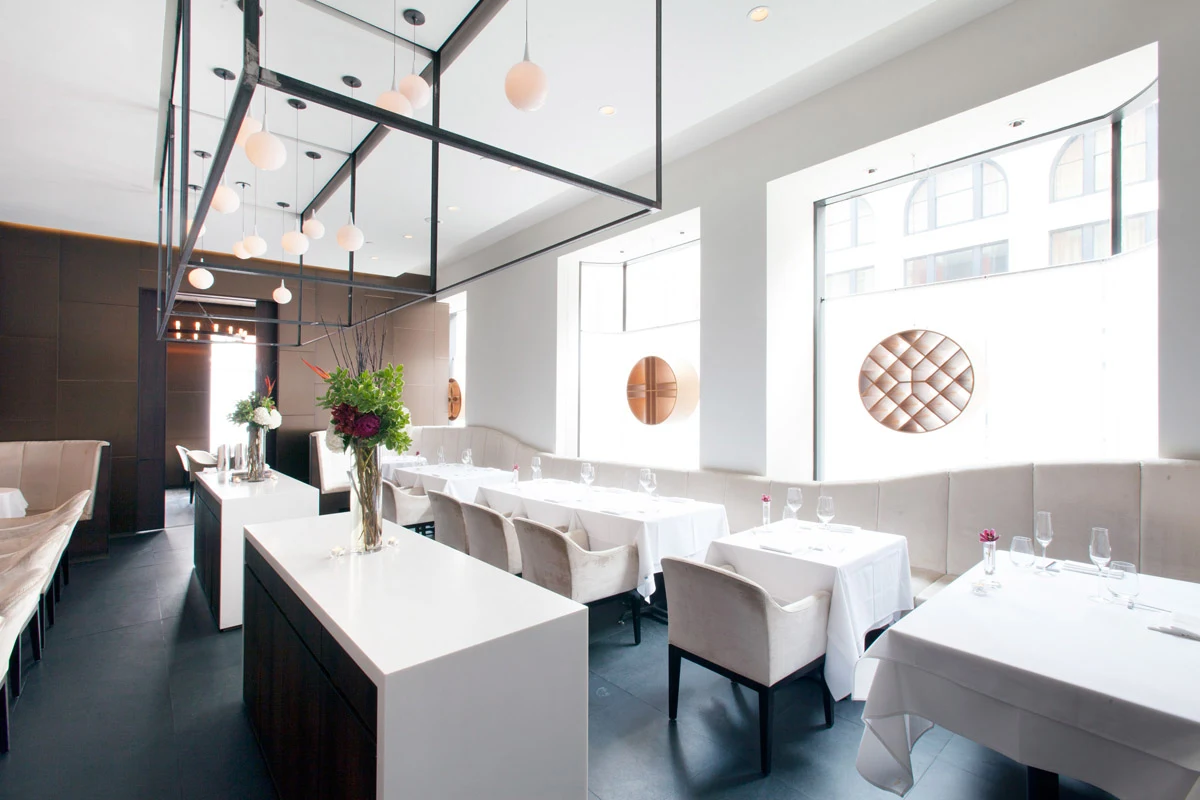
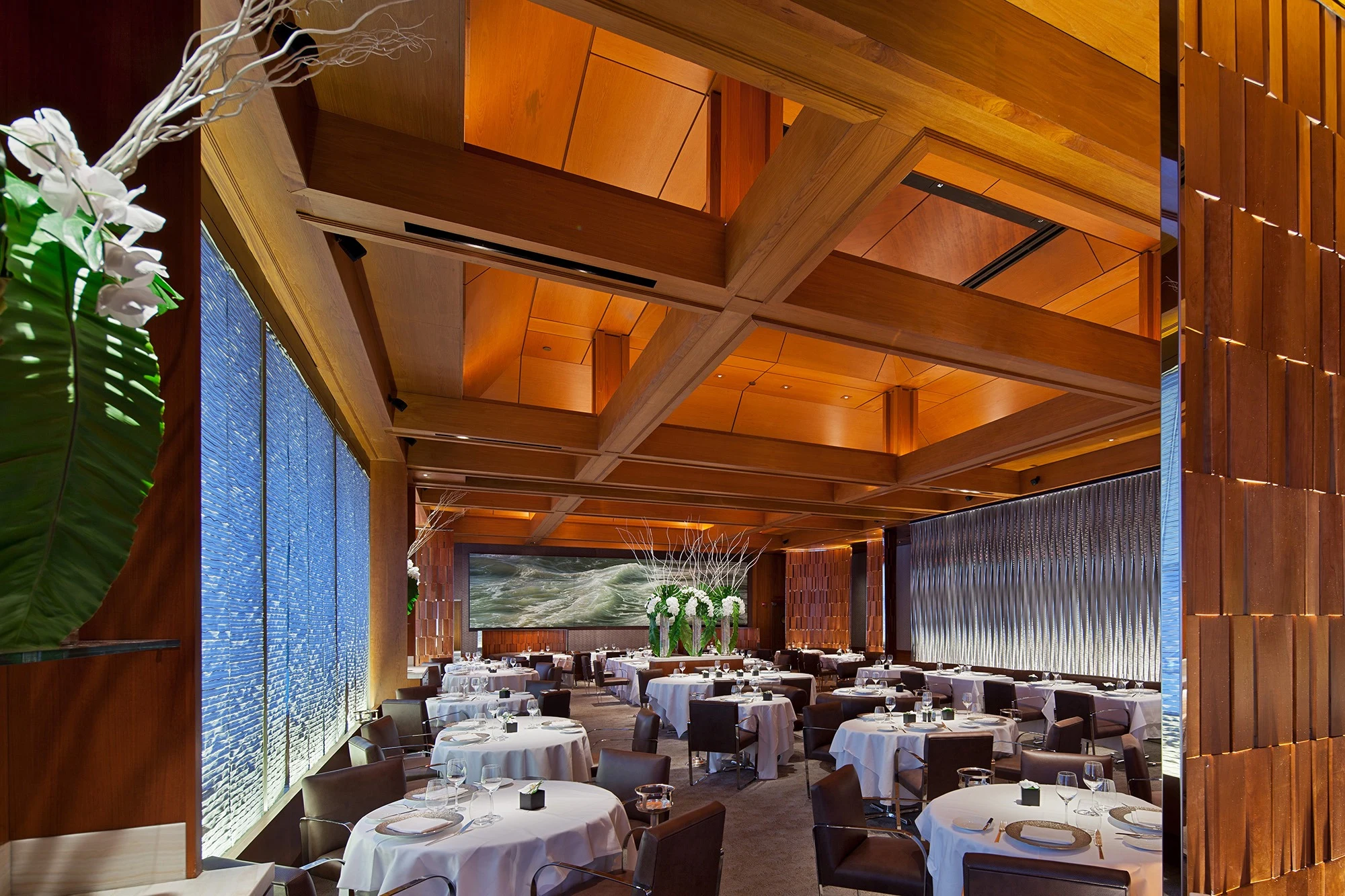
The room holds its own pressure. Hutong New York occupies the former Le Cirque space in the Bloomberg Tower courtyard, and the dining room leans into Art Deco polish: mirrors, chandeliers, moody light, a calm surface over a busy service. It is not a bare bench sort of restaurant. The craft happens with an audience, and the audience is close enough to watch the tableside work become part of the meal.
That setting asks the kitchen for control. Conversation can stay conversational while the room still feels dressed; the counterpoint is the pass, where timing has less patience for drama than the dining room does. A platter waits only so long. A duck skin gives its best window once. The close attention belongs to the Flaming Peking Duck, because at Hutong New York the dish is both signal and test: fire, knife, pancake, skin.
Questions
Frequently asked
What kind of restaurant is Hutong New York?
Hutong New York is a Modern Northern Chinese restaurant in Midtown East. It sits inside Beacon Courtyard at 731 Lexington Ave and is part of the group behind sister rooms in Hong Kong and London.
Who cooks at Hutong New York?
Ken Lin is the Executive Chef at Hutong New York. His approach is to honour time-honoured recipes with modern technique, with attention to quality ingredients, seasonality and bold flavour.
What is the dish the restaurant is known for?
The signature dish is Flaming Peking Duck, served tableside for crisp skin and visible heat. The menu also includes a Dim Sum Platter and Soft Shell Crab.
What is the dining format like?
The restaurant moves between à la carte, prix fixe and small plates, and it also offers an Emperor Dinner with one appetiser, main, side and dessert. Cocktails and wine are part of the program as well.
Do I need to book, and is there a dress code?
Reservations are essential, and bookings are taken through SevenRooms. The dress code is smart casual.
The field
How it compares
| Place | Cuisine | Notes | Awards |
|---|---|---|---|
| Hutong New York | Modern Northern Chinese | East Midtown-Turtle Bay, $$$$ | · |
| Atomix | Modern Korean Tasting Menu | New York City | Michelin 2 Stars, World's 50 Best |
| Daniel | Modern French Fine Dining | New York City | Michelin 1 Star, World's 50 Best |
| Eleven Madison Park | Contemporary Plant-Based Fine Dining | New York City | Michelin 3 Stars, World's 50 Best |
| Jungsik New York | Modern Korean Fine Dining | New York City | Michelin 3 Stars, World's 50 Best |
| Kabawa | Modern Caribbean Prix Fixe | New York City | World's 50 Best |
| Le Bernardin | French Seafood Fine Dining | New York City | Michelin 3 Stars, World's 50 Best |
Similar places
Modern Korean Tasting Menu
Atomix
New York City, United States
★★ · 50 Best
Modern French Fine Dining
Daniel
New York City, United States
★ · 50 Best
Contemporary Plant-Based Fine Dining
Eleven Madison Park
New York City, United States
★★★ · 50 Best
Modern Korean Fine Dining
Jungsik New York
New York City, United States
★★★ · 50 Best
Modern Caribbean Prix Fixe
Kabawa
New York City, United States
50 Best
French Seafood Fine Dining
Le Bernardin
New York City, United States
★★★ · 50 Best