- Opinionated About Dining Casual in North America Recommended · 2026
- Opinionated About Dining Casual in North America Ranked #149 · 2025
- Opinionated About Dining Casual in North America Ranked #278 · 2024
- Opinionated About Dining Casual in North America Recommended · 2023
East Broadway and the Szechuan Ingredient Argument
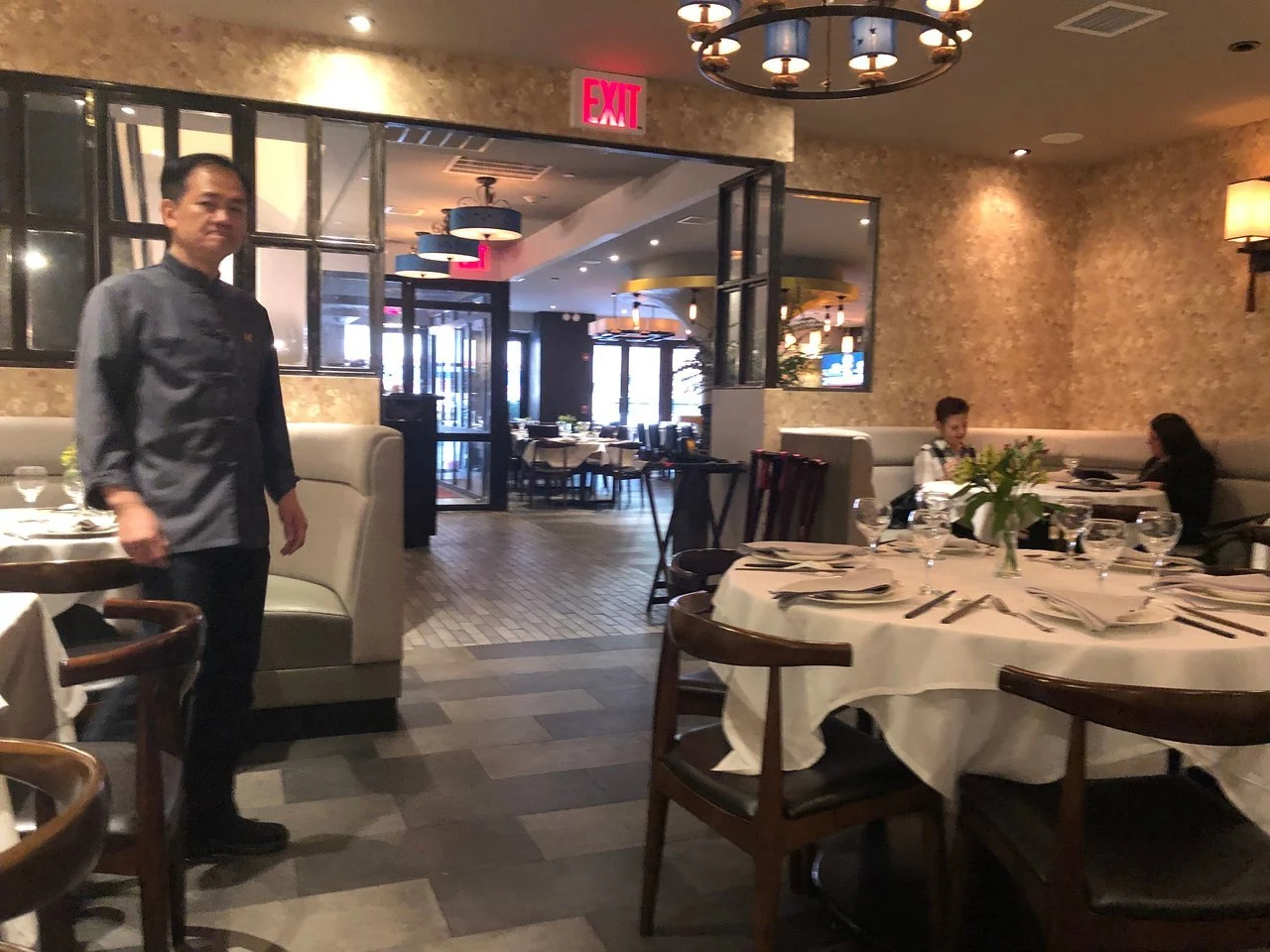
Chinatown's restaurant blocks operate on a different commercial logic than the rest of Lower Manhattan. Turnover is high, reputation travels by word of mouth rather than press release, and the restaurants that survive a decade or more tend to do so because the cooking earns repeat visits, not because the room earns Instagram posts. East Broadway sits at the less-trafficked southern edge of the neighborhood, a few blocks from the denser tourist corridor on Mott and Canal, which means the clientele at Hwa Yuan skews toward regulars and the kind of informed eater.
Szechuan cooking, at its structural core, is a cuisine built on preserved and fermented ingredients: doubanjiang, the fermented broad-bean-and-chili paste that acts as the backbone of countless braises and stir-fries; dried facing-heaven chilies, whose heat profile is bright and direct rather than slow-burning; and Sichuan peppercorn, which delivers the numbing ma sensation that distinguishes the cuisine from any other Chinese regional tradition. These are not garnishes applied at the end of a dish. They are the flavor base, built into oil at the start of cooking and layered across the entire plate. Kitchens that treat them as decoration produce food that tastes approximately Szechuan. Kitchens that treat them as architecture produce something else.
Where Hwa Yuan Sits in the New York Szechuan Tier
New York's Szechuan options have expanded considerably since the early 2000s, when the cuisine was largely confined to a handful of Flushing addresses and a few Chinatown spots operating without much critical attention. The current field includes mid-range neighborhood restaurants, regional specialists in Flushing and Sunset Park, and a smaller group of Chinatown addresses that have attracted sustained critical recognition. Hwa Yuan falls into that last category. The restaurant earned an Opinionated About Dining recommendation in 2023, climbed to a North America Casual ranking of #278 in 2024, and reached #149 in 2025, a trajectory that places it in accelerating company on that list. Compared with the stratospheric price tier represented by venues like Le Bernardin or Atomix, Hwa Yuan operates in a register where value and ingredient integrity do the persuasion, not ceremony or tasting-menu choreography.
For a broader view of where this style of cooking sits relative to other serious New York addresses, see our guides to New York City bars, New York City hotels, and New York City wineries. Further afield, the ingredient-driven seriousness at Hwa Yuan has a different register than the fine-dining precision at The French Laundry in Napa or Alinea in Chicago, but the underlying commitment to sourcing decisions driving flavor is the same argument made in a different key. The same could be said for Single Thread Farm in Healdsburg, where the sourcing chain is explicit and public, and Providence in Los Angeles, where ingredient provenance anchors the seafood program. At Hwa Yuan, that conversation happens without a tasting menu or a prix-fixe structure around it.
The Szechuan Pantry as Editorial Argument
The editorial angle that OAD voters appear to be responding to is ingredient fidelity. Szechuan cooking is one of the most pantry-dependent regional cuisines in China: the flavor outcomes of a dish are almost entirely determined by the quality and provenance of the fermented and dried components used in its base. Doubanjiang from Pixian, the county in Sichuan province where the paste has been produced for several hundred years, has a depth and complexity that mass-produced equivalents cannot replicate. Sichuan peppercorn grown at higher altitudes carries a cleaner, more citrus-forward numbing compound. Restaurants that source these components with intention cook differently from those that source for cost. The distinction shows up immediately in dishes where these pastes and spices are doing the heavy lifting, which in Szechuan cooking is most of the menu.
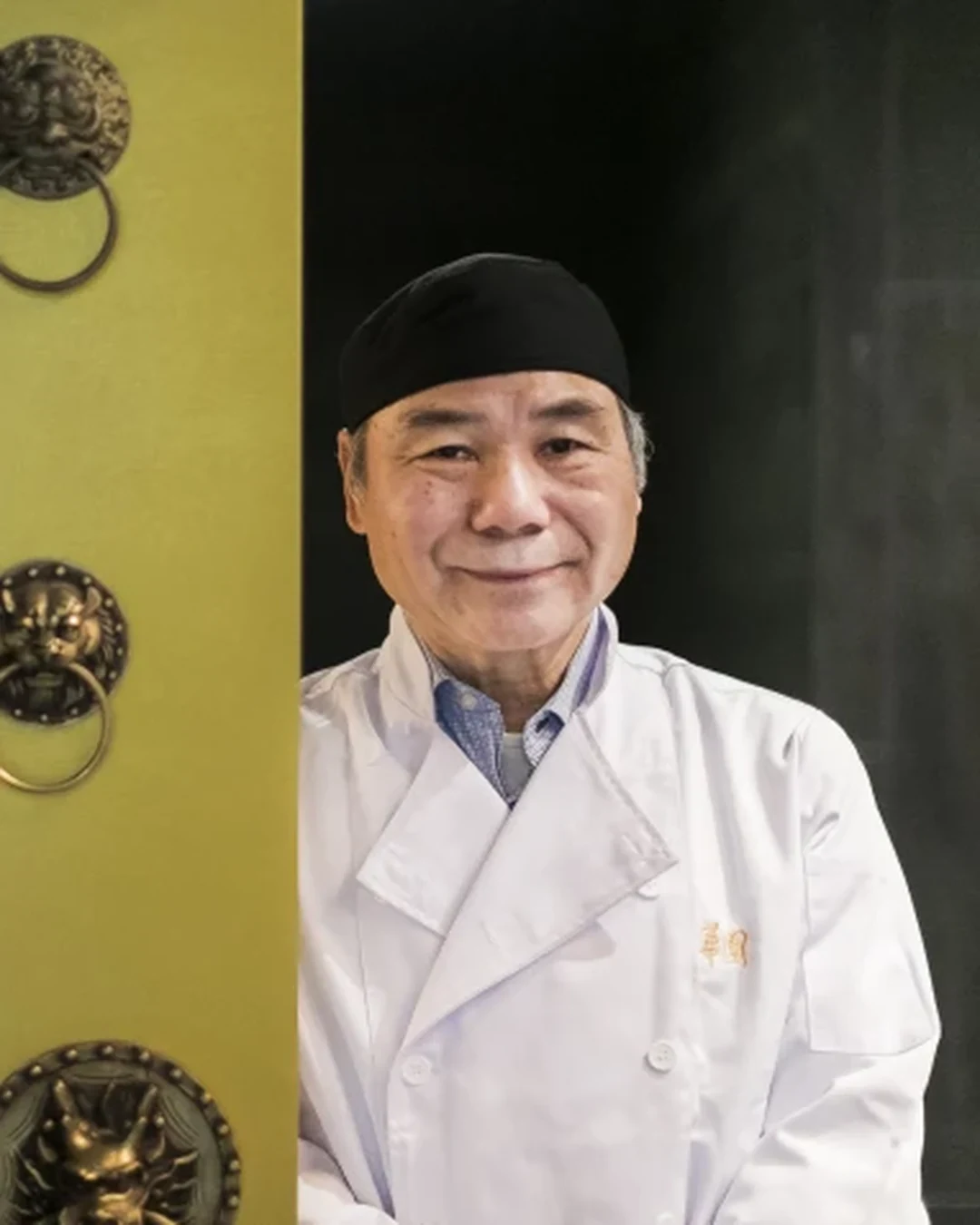
Chef Chen Lieh Tang runs the kitchen at 42 E Broadway, operating a room open seven days a week from noon through the evening, with Friday and Saturday service extending to 10:30 pm. That schedule reflects the neighborhood's operational norms, where lunch trade from nearby offices and community members is as significant as dinner. The Google rating of 4.2 across 1,122 reviews signals consistent execution at volume.
Nearby, China Cafe and Uluh Tea House represent different entry points into the Chinatown dining ecosystem, while Wu Liang Ye offers a comparison point for Szechuan cooking in a different Manhattan context. For visitors arriving from further afield, the comparison set internationally might include 8 1/2 Otto e Mezzo Bombana in Hong Kong or Alain Ducasse Louis XV in Monte Carlo for the principle of ingredient sourcing driving kitchen identity, though the price register and formality are entirely different. Closer in spirit to the Hwa Yuan approach would be something like Emeril's in New Orleans or Lazy Bear in San Francisco, where a strong regional ingredient identity shapes the cooking's character. The New York City experiences guide has more context on how Chinatown fits into the broader Lower Manhattan cultural picture.
Planning Your Visit
Address: 42 E Broadway, New York, NY 10002. Hours: Monday through Thursday and Sunday, noon to 10 pm; Friday and Saturday, noon to 10:30 pm. Reservations are recommended. Budget: about $50 per person.
Questions
Frequently asked
Who works at Hwa Yuan?
Made By profiles Chen Lieh Tang (Chef) at Hwa Yuan.
How expensive is Hwa Yuan?
Hwa Yuan is listed at a price level of $$$.
Where is Hwa Yuan and what does it serve?
Hwa Yuan is in Chinatown-Two Bridges, New York City, serving Szechuan.
The field
How it compares
| Place | Cuisine | Notes | Awards |
|---|---|---|---|
| Hwa Yuan | Szechuan | Chinatown-Two Bridges, $$$ | · |
| Atomix | Modern Korean Tasting Menu | New York City | Michelin 2 Stars, World's 50 Best |
| Daniel | Modern French Fine Dining | New York City | Michelin 1 Star, World's 50 Best |
| Eleven Madison Park | Contemporary Plant-Based Fine Dining | New York City | Michelin 3 Stars, World's 50 Best |
| Jungsik New York | Modern Korean Fine Dining | New York City | Michelin 3 Stars, World's 50 Best |
| Kabawa | Modern Caribbean Prix Fixe | New York City | World's 50 Best |
| Le Bernardin | French Seafood Fine Dining | New York City | Michelin 3 Stars, World's 50 Best |
In residence
Similar places
Modern Korean Tasting Menu
Atomix
New York City, United States
★★ · 50 Best
Modern French Fine Dining
Daniel
New York City, United States
★ · 50 Best
Contemporary Plant-Based Fine Dining
Eleven Madison Park
New York City, United States
★★★ · 50 Best
Modern Korean Fine Dining
Jungsik New York
New York City, United States
★★★ · 50 Best
Modern Caribbean Prix Fixe
Kabawa
New York City, United States
50 Best
French Seafood Fine Dining
Le Bernardin
New York City, United States
★★★ · 50 Best