Udon boiled sixteen minutes twenty seconds
- Michelin Bib Gourmand · Michelin Guide
- Michelin Bib Gourmand · 2025
- Michelin Bib Gourmand · 2024
Noodles measured at the bench
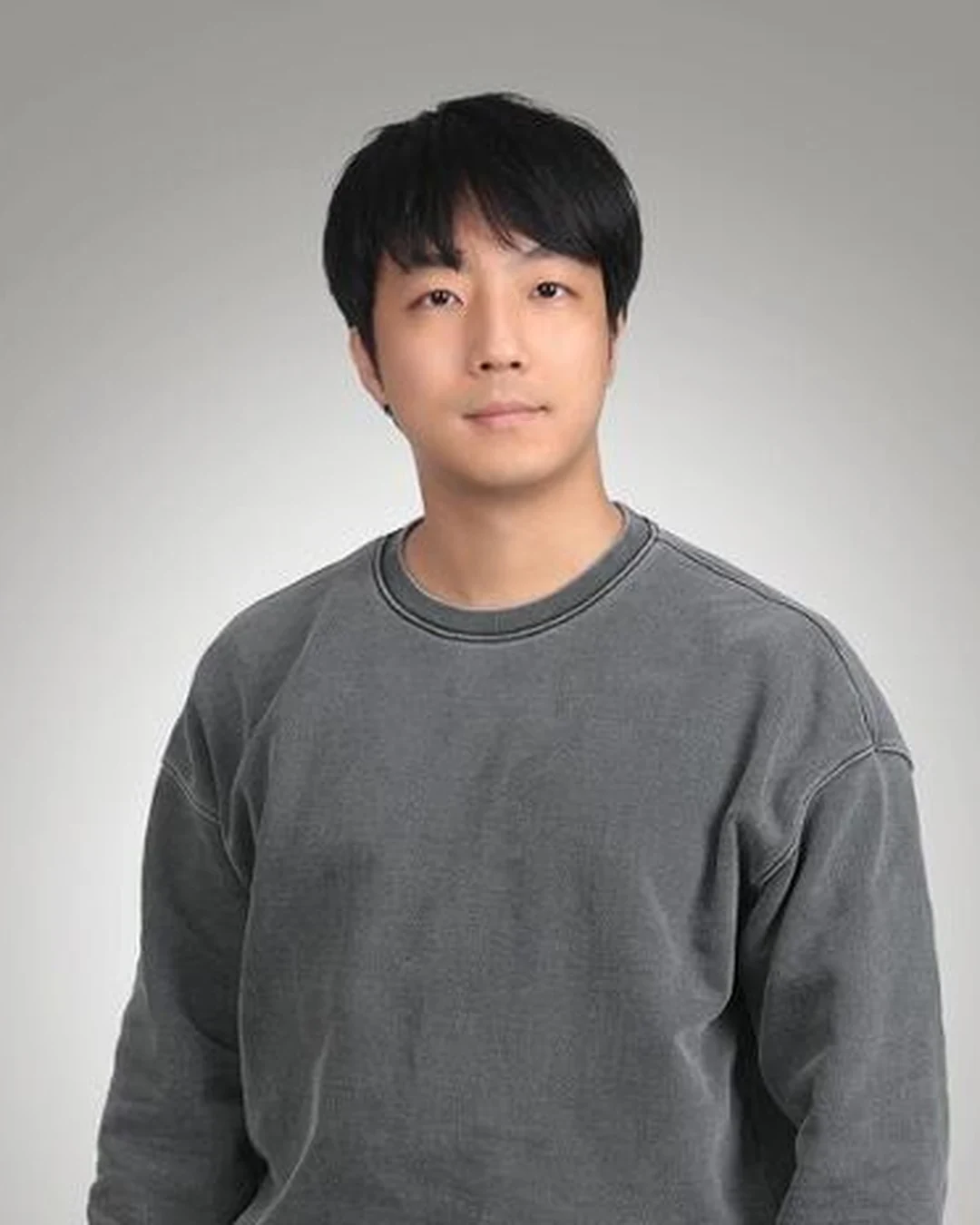
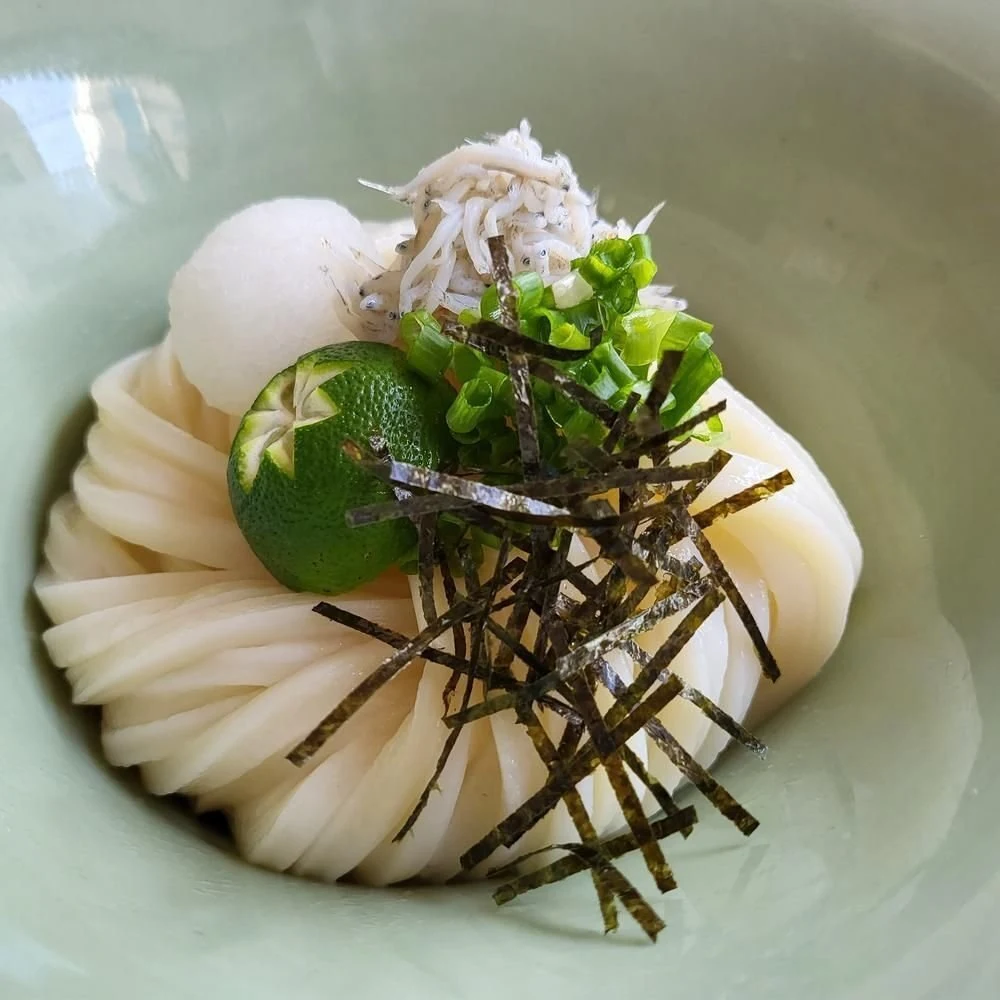
Dough moves across the bench twice daily as Park Sang-hyeon, chef at Hyun Udon in Seoul, sets the texture before service begins. His station is the udon itself: flour worked toward elasticity, noodles cut to 6.4mm x 4mm, then boiled for 16 minutes 20 seconds before they meet cold water twice. The measure is not decoration. At Hyun Udon in Nonhyeon-dong, near Sinsa Station, Park reads the bowl by small margins, firmness without stiffness, bounce without gumminess, sauce deep enough to season the noodle without taking it over.
Park’s path into this discipline passed through Japan, where udon changed scale for him, then through Udon Kaden in Seogyo-dong from 2014. The restaurant does not name a formal mentor, but it does make clear the line of apprenticeship that matters here: time on the tools, the repeated correction of dough, boil, shock, sauce, fry. Hyun Udon carries Michelin Bib Gourmand recognition in 2024 and 2025, attached to this house and to the value of a bowl judged by texture, frying, broth, and consistency rather than ceremony.
Sixteen minutes and twenty seconds
The kitchen’s program is narrow by conviction. Tempura bukkake udon sets the working standard: plump noodles, light fried work, and tsuyu with enough umami to hold its place beside cold chew. Curry Udon with Tonkatsu and Mentaiko Ankake Tamagotoji Udon widen the register without moving the restaurant away from the noodle. Park keeps the craft centered on alignment, not ornament.
The broth work draws beyond anchovies and katsuobushi, adding mackerel flakes and smoked or dried horse mackerel for a layered dashi. The restaurant avoids kimchi in the bowl so those quieter edges are not flattened. Fried work matters just as much. Tempura that turns heavy will pull the dish out of balance, so Park’s kitchen treats batter, oil, and timing as part of the noodle program rather than as garnish. There are 17 topping options, but the measure remains the same: sauce, chew, heat, and crunch arriving together.
The counter in Nonhyeon-dong
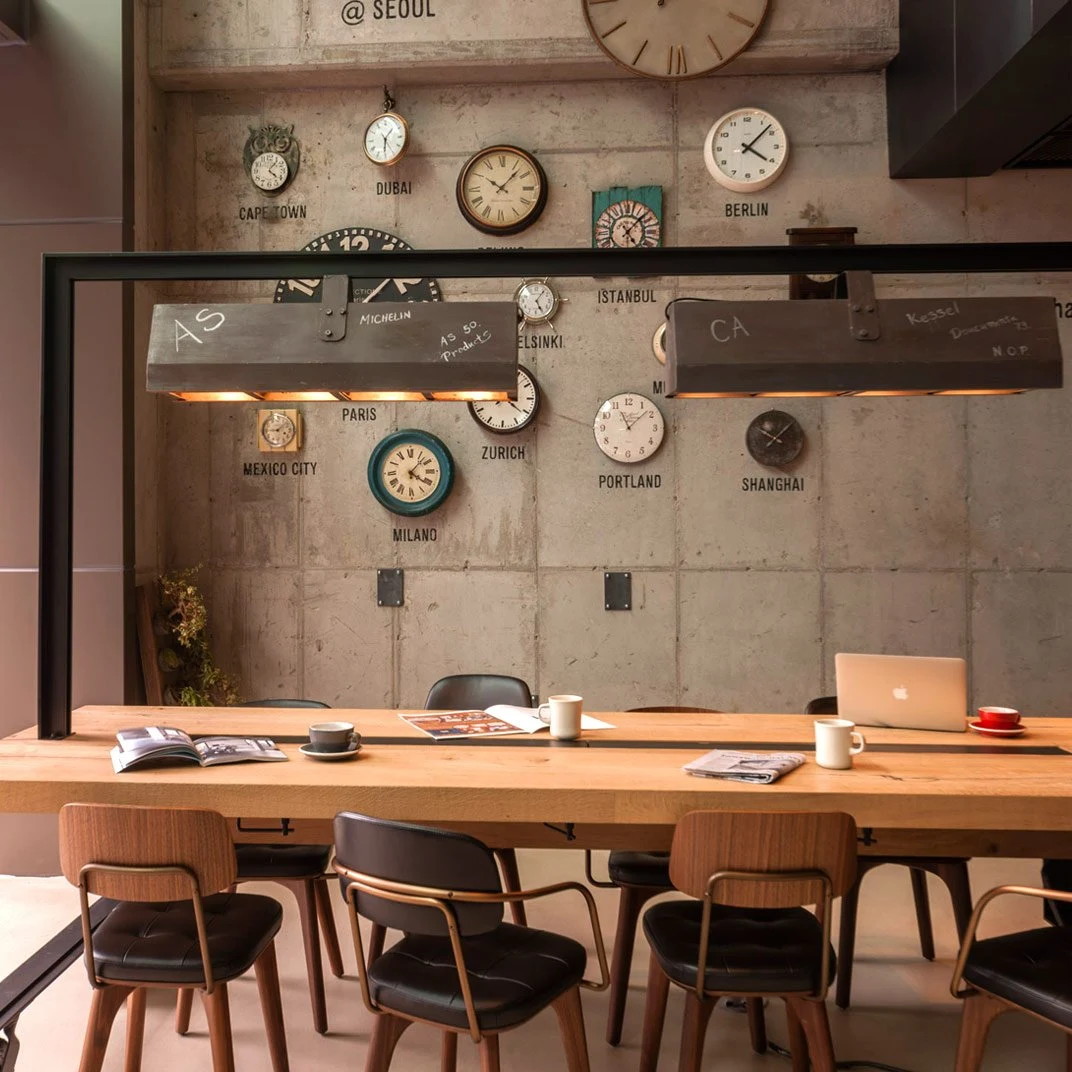
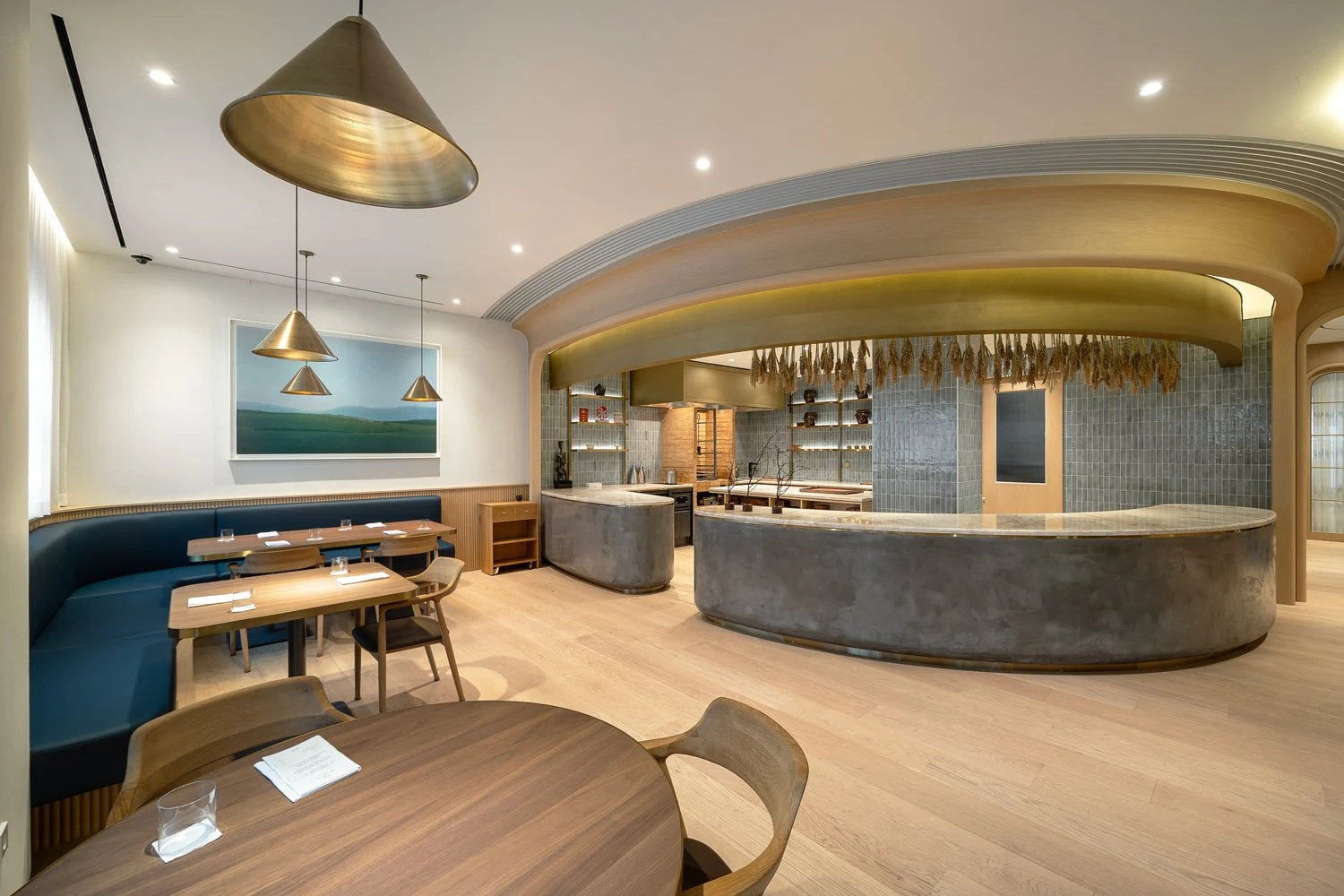
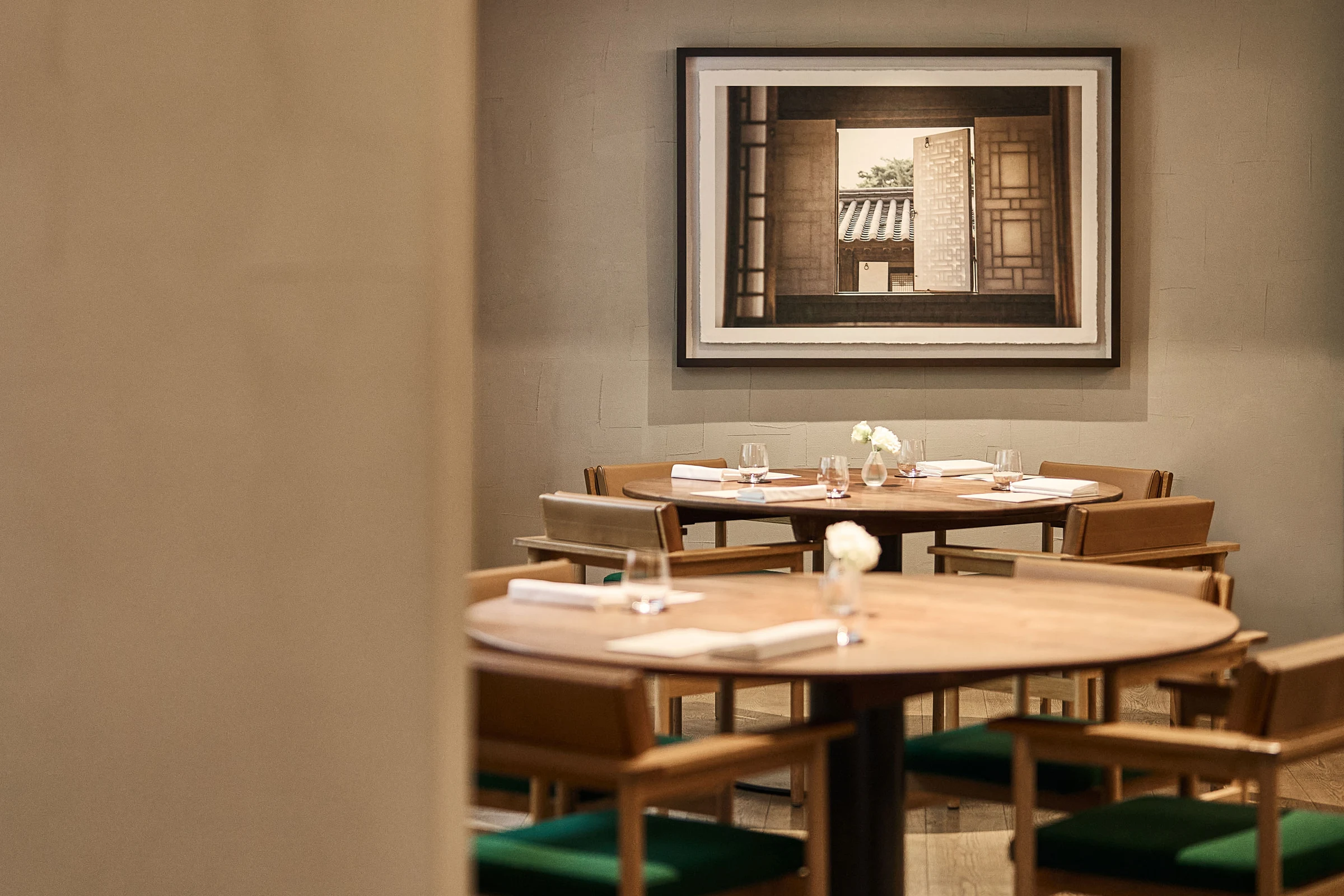
The room is small, warm, and close to the work. Wooden tables sit near counter seating; customers settle in tightly, with trays, bowls, steam, and fried batter moving through the same compressed rhythm. The atmosphere is lively rather than hushed, the kind of room where the pass has to stay clear because the next bowl is never far behind.
Autographs on the wall mark some of the attention Hyun Udon has drawn, including Lee Min-ho and Ok Taec-yeon, but the room does not lean on spectacle. It leans on repetition. A bowl lands, the noodles are lifted, the tempura softens at the edge of the sauce, and the kitchen returns to the next measure of dough. If the house points anywhere next, it is toward Park’s stated plan for soupy udon with large scallions inspired by Kyoto, another test of broth, cut noodle, and scallion.
Questions
Frequently asked
What kind of place is Hyun Udon?
Hyun Udon is a restaurant in Gangnam-gu that serves traditional Japanese udon. It holds Michelin Bib Gourmand recognition in 2024 and 2025.
Who is the chef at Hyun Udon?
Park Sang-hyeon is the chef at Hyun Udon in Seoul. The Made By copy describes his approach as working the noodles by measured cut, boil, shock, and sauce.
What is Hyun Udon known for?
The kitchen is built around udon and keeps the program narrow by conviction. Tempura Bukkake Udon, Curry Udon with Tonkatsu, and Mentaiko Ankake Tamagotoji Udon are named as signature dishes.
Is Hyun Udon easy to visit without a booking?
Hyun Udon is walk-in friendly and bookings are made direct. It is open Monday to Saturday, with a lunch service from 11:30 AM to 2:30 PM and an evening service from 5:30 PM to 9 PM, and it is closed on Sundays.
What should visitors expect from the room and practical details?
The restaurant is small, warm, and close to the work, with wooden tables and counter seating. It is in Nonhyeon-dong near Sinsa Station, has on-site parking, and the dress code is casual.
The field
How it compares
| Place | Cuisine | Notes | Awards |
|---|---|---|---|
| Hyun Udon | Traditional Japanese Udon | 잠원동, $$ | · |
| alla prima | Modern Fusion Fine Dining | Seoul | Michelin 2 Stars, World's 50 Best |
| Eatanic Garden | Modern Korean Contemporary | Seoul | Michelin 1 Star, World's 50 Best |
| Evett | Modern Innovative Korean | Seoul | Michelin 2 Stars |
| Jungsik | Modern Korean Fine Dining | Seoul | Michelin 2 Stars, World's 50 Best |
| Mingles | Modern Korean Fine Dining | Seoul | Michelin 3 Stars, World's 50 Best |
| Onjium | Modern Korean Royal Court Cuisine | Seoul | Michelin 1 Star, World's 50 Best |
In residence
Similar places
Modern Fusion Fine Dining
alla prima
Seoul, South Korea
★★ · 50 Best
Modern Korean Contemporary
Eatanic Garden
Seoul, South Korea
★ · 50 Best
Modern Innovative Korean
Evett
Seoul, South Korea
★★
Modern Korean Fine Dining
Jungsik
Seoul, South Korea
★★ · 50 Best
Modern Korean Fine Dining
Mingles
Seoul, South Korea
★★★ · 50 Best
Modern Korean Royal Court Cuisine
Onjium
Seoul, South Korea
★ · 50 Best