Icaro
- 01CuisineNorthern Italian Trattoria
- 02CityTokyo, Japan
- Opinionated About Dining Top Restaurants in Japan Recommended · 2026
- Opinionated About Dining Top Restaurants in Japan Ranked #579 · 2025
- Tabelog 100 #1: 3.8pts · 2025
- Opinionated About Dining Top Restaurants in Japan Recommended · 2023
French Dining in the Margins: Kamimeguro and the Case for Off-Centre Restaurants
Tokyo's French restaurants tend to cluster in Minami-Aoyama, Ginza, and Roppongi, where premium rents and high-visibility addresses reinforce a particular idea of what serious French cooking looks like in this city. The counterargument to that geography has been building for years: a number of chefs have moved their operations to residential neighbourhoods where lower overhead permits tighter menus, longer kitchen focus, and a regulars-first service model. Kamimeguro, the quieter northern stretch of Meguro along the Meguro River, sits in that category. Its restaurant density has grown steadily, and it now hosts several serious kitchens that operate without the floor-to-ceiling glass and uniformed door staff of the Minami-Aoyama set.
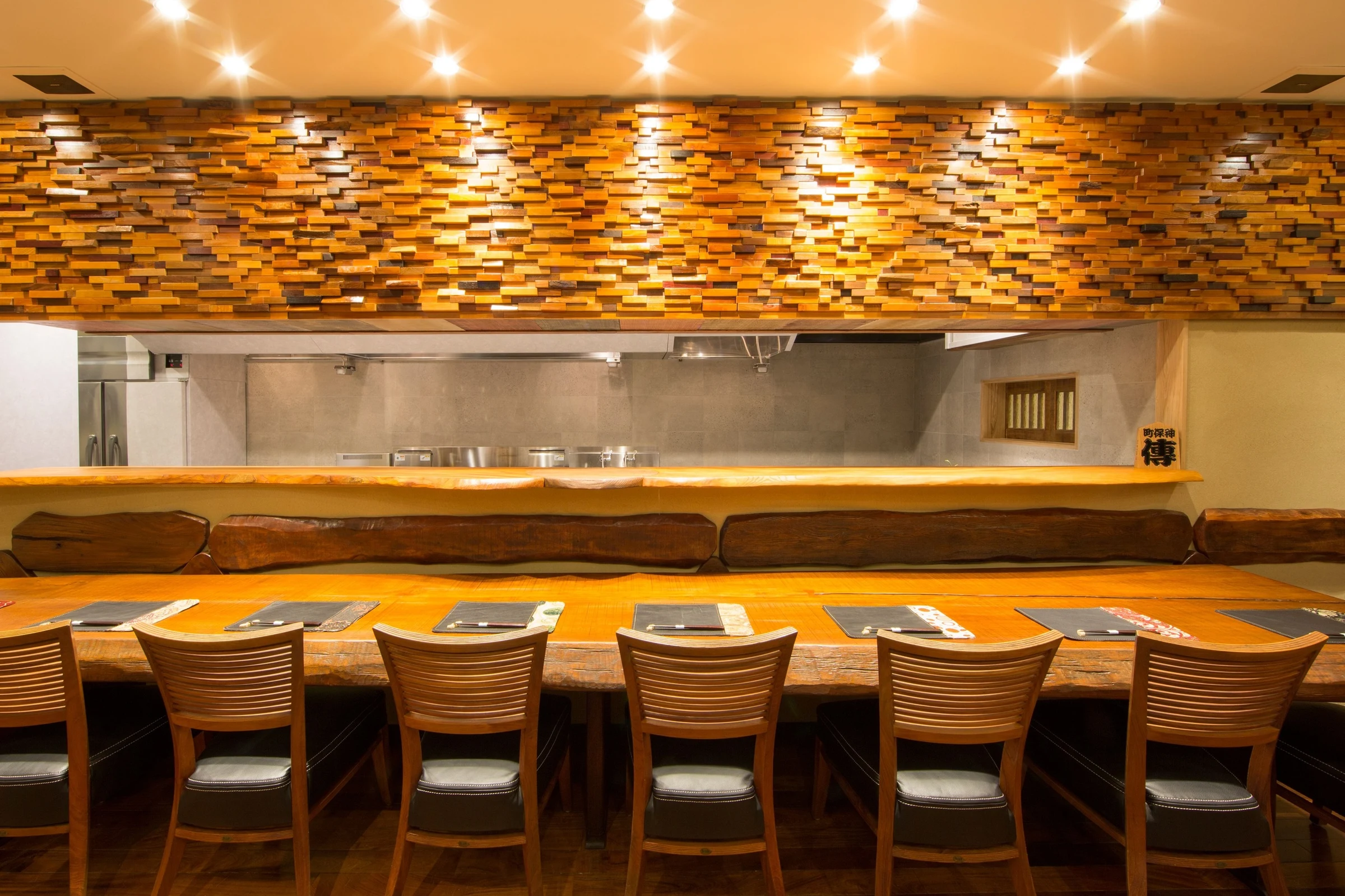
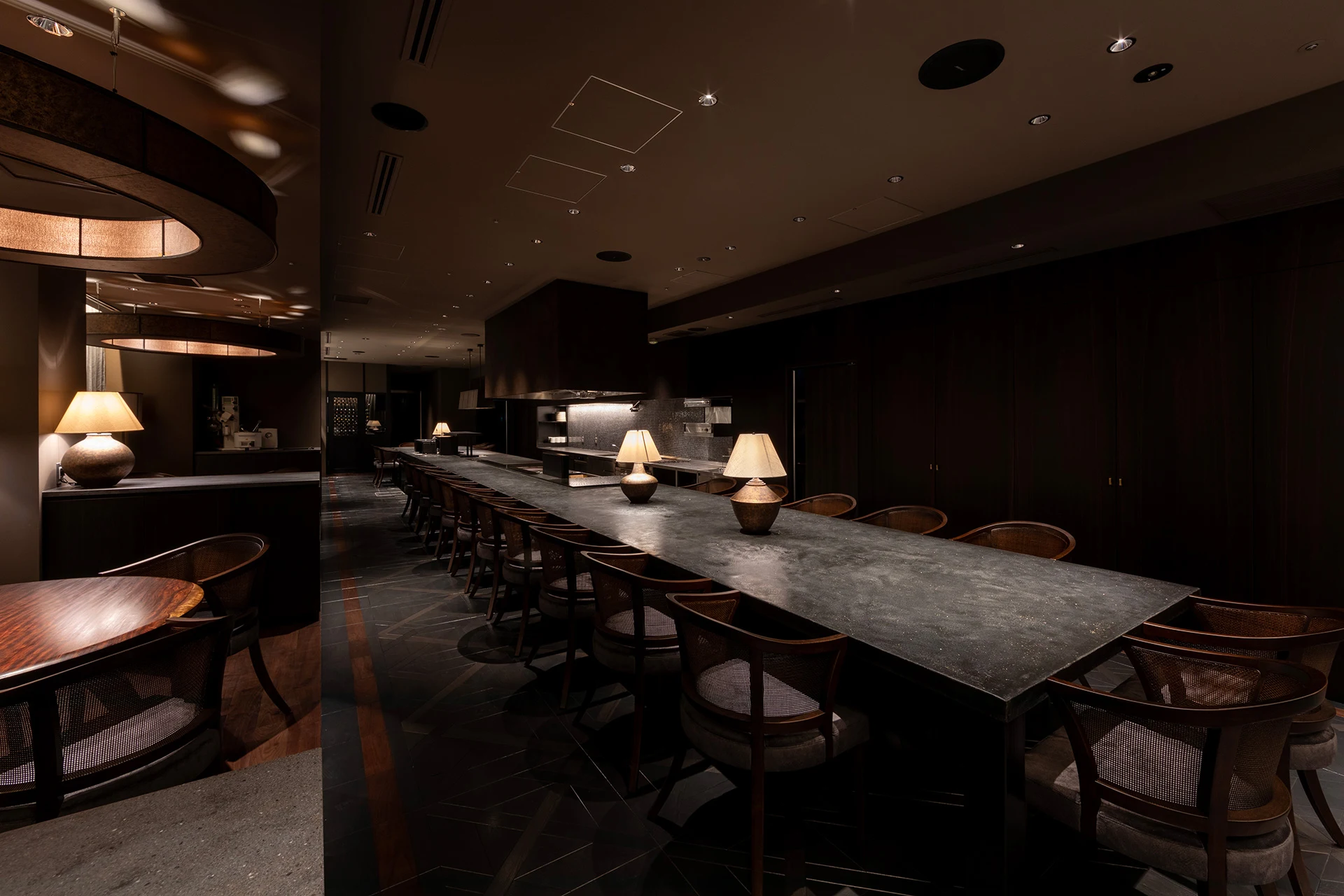
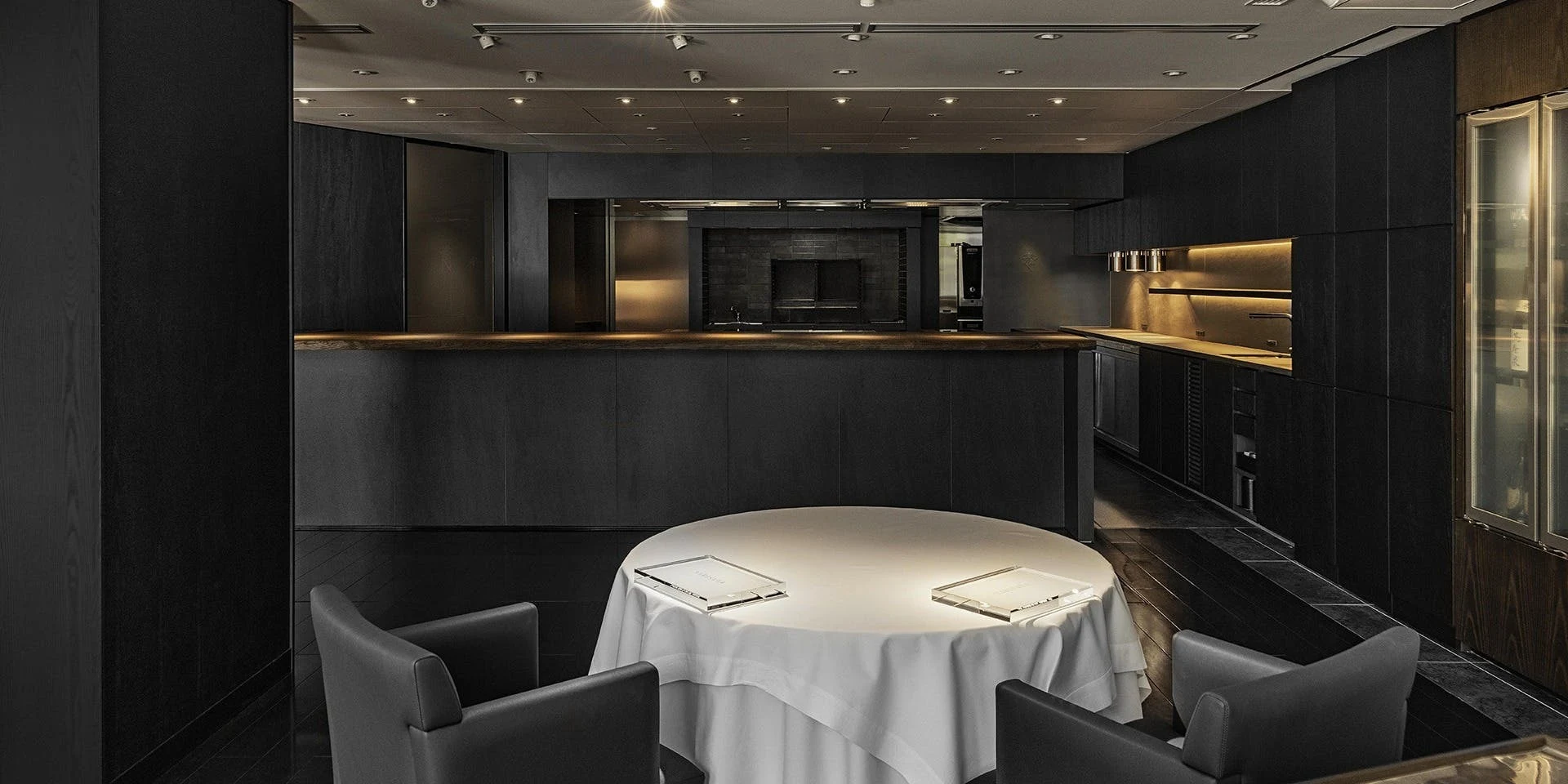
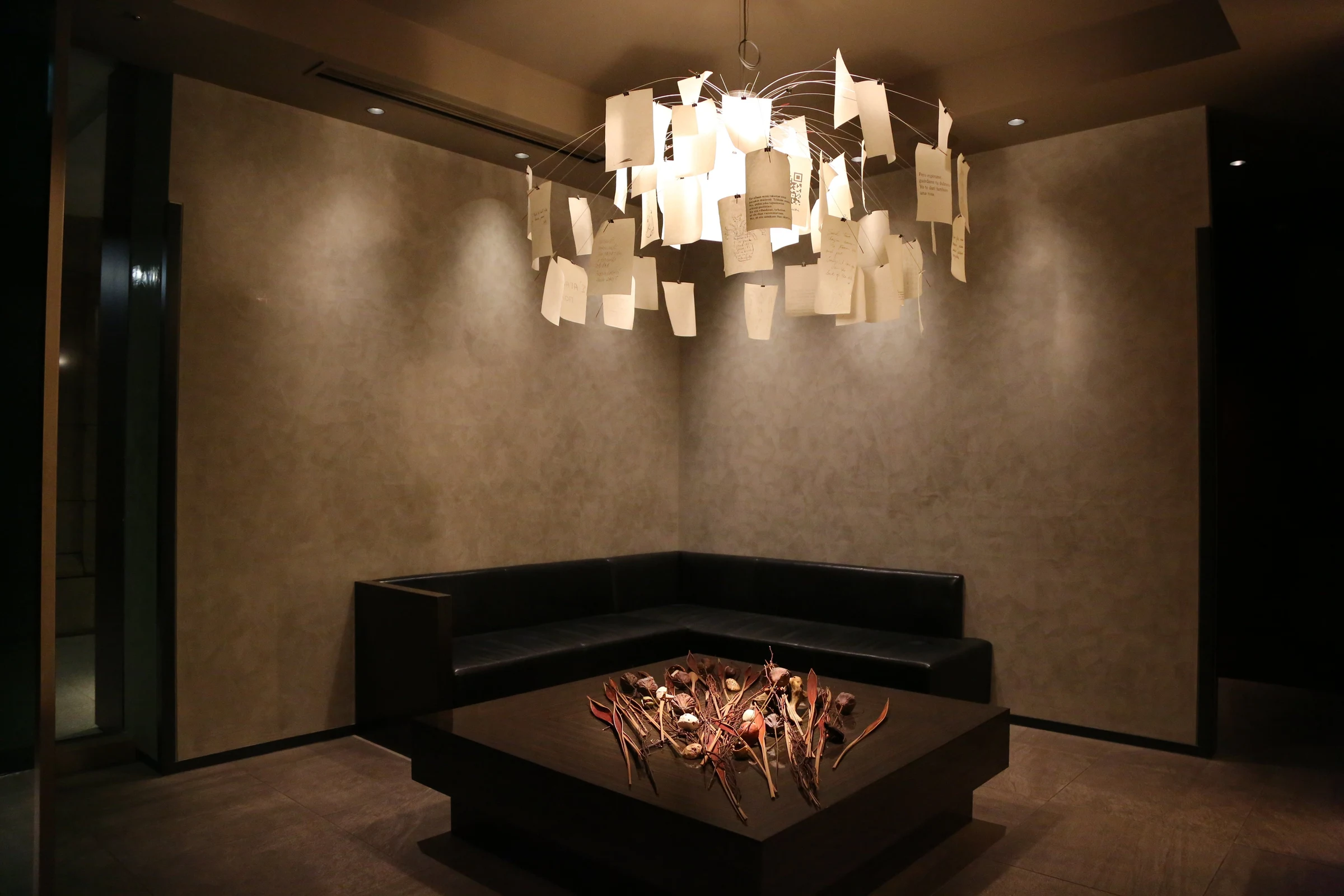
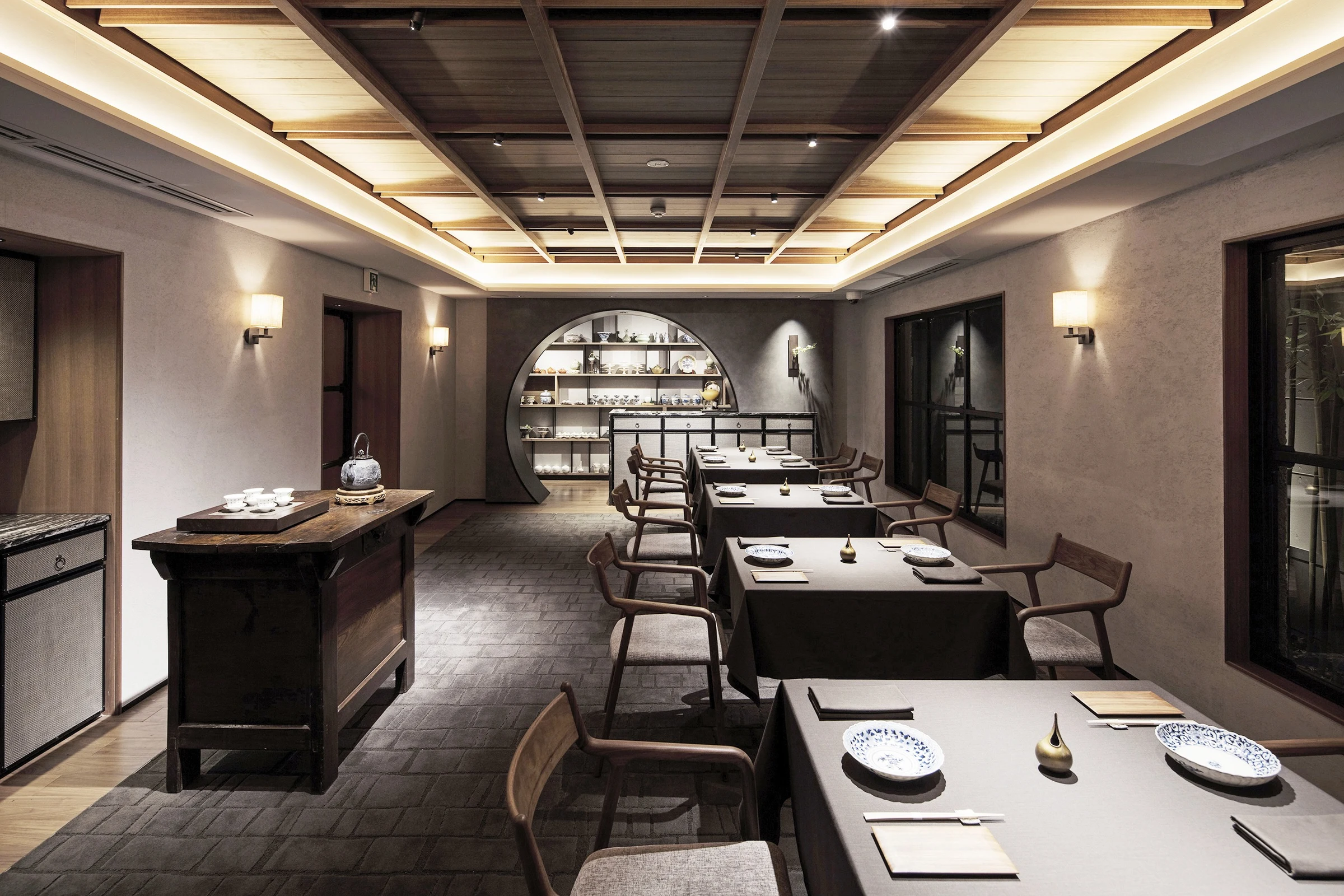
Icaro occupies the fourth floor of COMS Nakameguro, a low-rise building on Kamimeguro 2-chome. The building is unannounced in the way residential Tokyo often is: no marquee, no ground-floor signage configured for passing trade. Reaching the fourth floor is the beginning of the experience. The surrounding streets are narrow, low-lit after dark, and mostly residential, which means that by the time you're seated, the city's ambient noise has already fallen away. That kind of spatial approach, where environment begins working before the meal does, is more common in kaiseki and intimate omakase formats than in French restaurants anywhere in Tokyo.
From Recommended to Ranked: What OAD Recognition Signals
Tokyo's French dining tier is densely contested. L'Effervescence, Sézanne, ESqUISSE, Florilège, and Château Restaurant Joël Robuchon each hold Michelin recognition and consistently appear in the broader critical conversation. For a smaller neighbourhood restaurant to register with Opinionated About Dining, a critic-driven survey that weights repeat visits and knowledgeable diner feedback heavily, it must be sustaining quality consistently enough to penetrate a community that eats at this tier regularly.
Icaro received an OAD Recommended designation in 2023, which functions as an entry signal in that survey's architecture. By 2025, the restaurant had moved to a ranked position at number 579 on OAD's Leading Restaurants in Japan list. In a survey that covers thousands of restaurants across a country with one of the world's highest concentrations of serious kitchens, moving from Recommended to ranked within two years indicates that the trajectory, not just the baseline, was being noted. The direction of travel matters as much as the position, and Icaro's movement suggests a kitchen that has been refining rather than maintaining.
The Evolution of French Cooking Under a Tokyo Lens
The broader evolution in Tokyo's French dining conversation over the past decade has run in a consistent direction: away from the full formal reproduction of Parisian or Lyonnais templates, toward French technique applied to Japanese ingredients, seasonal logic, and service rhythms. This is not a new observation, but the rate at which it has become the default expectation rather than a noteworthy departure has accelerated. Chefs who once distinguished themselves by their French training lineage now distinguish themselves by what they do with it.
Chef Satoshi Kakegawa works within that evolved context. The evening-only format, running Sunday-closed with service from 5:30 pm through midnight across six nights, positions the kitchen as a serious dinner operation rather than a casual neighbourhood bistro. The late closing time of midnight also signals a particular rhythm: this is a kitchen designed for extended meals and a guest pace that is not hurried. In Tokyo's French dining segment, that kind of temporal generosity tends to correlate with tasting-format cooking where the kitchen controls the pace, not the guest's appetite for turnover.
The absence of a weekend Sunday closure and the symmetrical Monday-to-Saturday schedule is a structural choice. Many Tokyo restaurants close mid-week to manage kitchen fatigue. Running a full six-day schedule, entirely in evenings, suggests a clear operational philosophy about how the kitchen wants to engage with its audience and pace its output.
Where Icaro Sits in the Tokyo French comparable set
Positioning Icaro within Tokyo's French dining ecosystem requires distinguishing between Michelin-tracked restaurants and the OAD-tracked layer. The two systems often overlap but do not always agree. Michelin's Japan guide has historically rewarded execution consistency, service formality, and, in the French context, fidelity to technique. OAD's list rewards frequency of informed critic visits and depth of opinion among that community. A restaurant can accumulate OAD recognition while remaining below Michelin's line of sight, particularly if it operates in a residential neighbourhood with a small room and limited reservation availability.
Icaro's comparable set in the OAD France-influenced tier in Tokyo includes restaurants that operate at a similar scale and with a similar residential-neighbourhood orientation. They are not in direct competition with the larger Michelin three-star French houses in the central districts. The competitive logic is different: proximity matters less than repeat-visitor loyalty, and the ability to build a kitchen narrative over years of quiet refinement matters more than high-traffic visibility.
For comparison outside Tokyo, the model of neighbourhood-embedded, chef-driven French cooking that builds slowly through critic recognition is also visible at venues like Les Amis in Singapore and Hotel de Ville Crissier in Crissier, where longevity and consistency produce a specific kind of authority. Japan's equivalent depth of French dining is matched in the region only by Tokyo itself, though cities like Osaka have produced their own serious kitchens, including HAJIME, and other regional cities have developed restaurant cultures worth tracking, from Gion Sasaki in Kyoto to akordu in Nara, Goh in Fukuoka, 1000 in Yokohama, and 6 in Okinawa.
Planning Your Visit
Icaro is a dinner-only operation. Hours: Monday through Saturday, 5:30 pm to midnight; closed Sunday. Address: COMS Nakameguro 4F, 2-44-24 Kamimeguro, Meguro City, Tokyo. The Nakameguro station on the Tokyu Toyoko and Tokyo Metro Hibiya lines is the closest access point. Google rating: 4.3 from 122 reviews.
Questions
Frequently asked
How expensive is Icaro?
Icaro is listed at a price level of $$$.
Where is Icaro and what does it serve?
Icaro is in Meguro, Tokyo, serving Northern Italian Trattoria.
The field
How it compares
| Place | Cuisine | Notes | Awards |
|---|---|---|---|
| Icaro | Northern Italian Trattoria | Meguro, $$$ | · |
| Den | Modern Japanese Kaiseki | Tokyo | Michelin 2 Stars, World's 50 Best |
| Florilège | Modern French-Japanese Plant-Based Fine Dining | Tokyo | Michelin 2 Stars, World's 50 Best |
| Narisawa | Modern Japanese Satoyama Fine Dining | Tokyo | Michelin 2 Stars, World's 50 Best |
| Quintessence | Modern French Fine Dining | Tokyo | Michelin 3 Stars |
| Sazenka | Modern Chinese Fine Dining | Tokyo | Michelin 3 Stars, World's 50 Best |
| Sézanne | Modern French Fine Dining | Tokyo | Michelin 3 Stars, World's 50 Best |
Similar places
Modern Japanese Kaiseki
Den
Tokyo, Japan
★★ · 50 Best
Modern French-Japanese Plant-Based Fine Dining
Florilège
Tokyo, Japan
★★ · 50 Best
Modern Japanese Satoyama Fine Dining
Narisawa
Tokyo, Japan
★★ · 50 Best
Modern French Fine Dining
Quintessence
Tokyo, Japan
★★★
Modern Chinese Fine Dining
Sazenka
Tokyo, Japan
★★★ · 50 Best
Modern French Fine Dining
Sézanne
Tokyo, Japan
★★★ · 50 Best