Indigo

In Residence
Candice Jae
Bar Director
- 01CuisineModern Californian American
- 02CitySan Francisco, United States
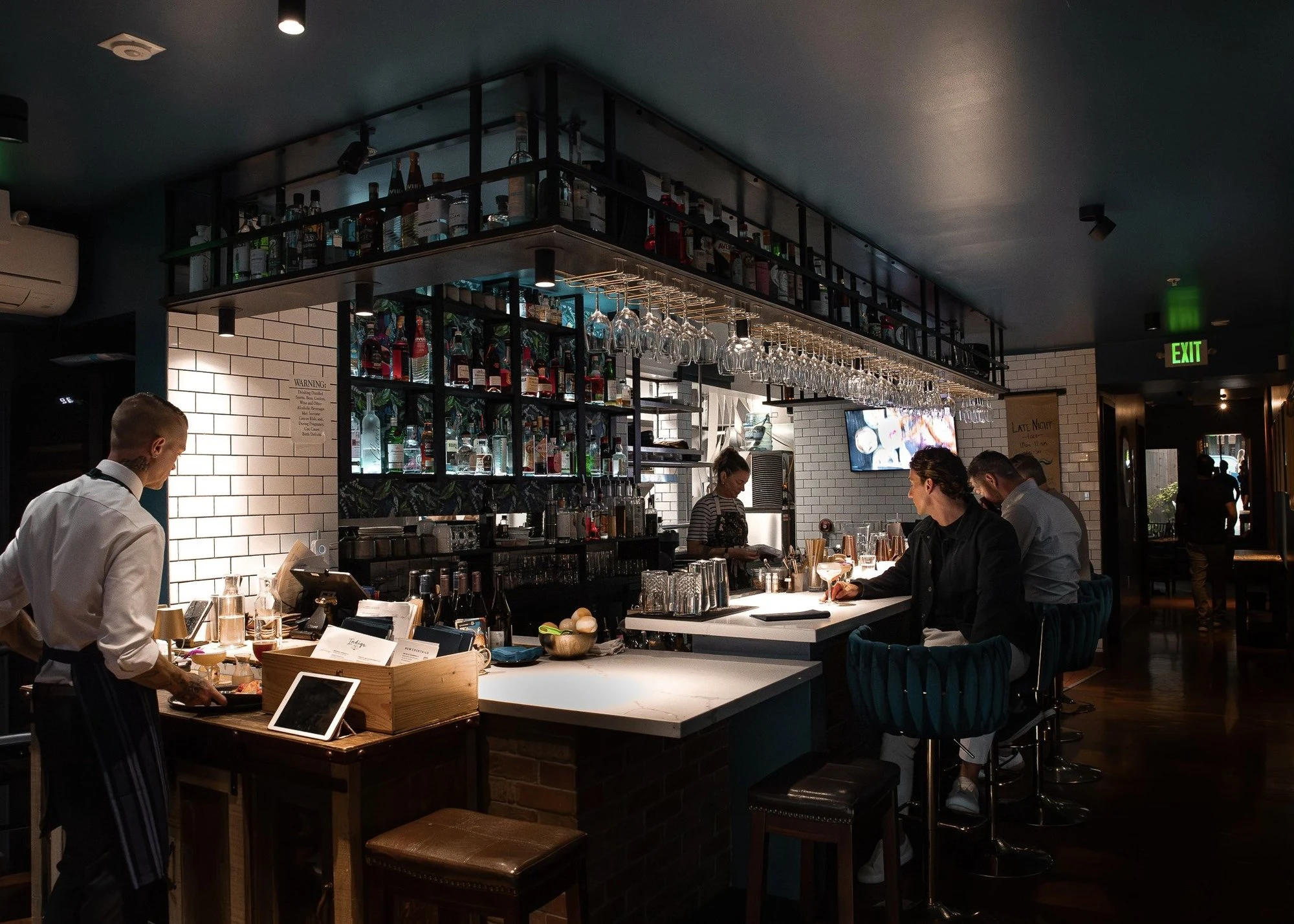
A Street-Level Read on Cow Hollow's Dining Character
San Francisco's dining conversation tends to cluster around a handful of marquee addresses: the tasting-menu fortresses of SoMa and the Financial District, the chef-driven rooms that rotate through award cycles and earn coverage in national food press. Cow Hollow operates differently. The stretch of Steiner Street where Indigo sits is residential in character, bounded by the Marina to the north and Pacific Heights to the south, and the restaurants that endure here tend to do so because the neighborhood depends on them rather than because critics descend seasonally to take notes. That context matters when you're deciding how to spend an evening in San Francisco.
The broader Marina and Cow Hollow corridor has long held a middle position in the city's dining hierarchy: approachable enough for Tuesday nights, considered enough that local regulars bring visiting family. It sits apart from the concentrated fine-dining intensity of places like Benu or Atelier Crenn, and equally apart from the stripped-back, fire-and-ferment progressivism of Saison or Lazy Bear. What the neighborhood offers instead is a certain texture of regular dining life that the destination circuit, by design, cannot provide.
The Sunday email
Read about the people behind restaurants like Indigo in the Sunday email.
Every Sunday we send a lead story and up to four more about the chefs, winemakers, sommeliers and hoteliers behind the restaurants, bars, wineries and hotels we cover.
Recent stories


Free. One email a week, and you can unsubscribe from any issue.
What the Room Communicates
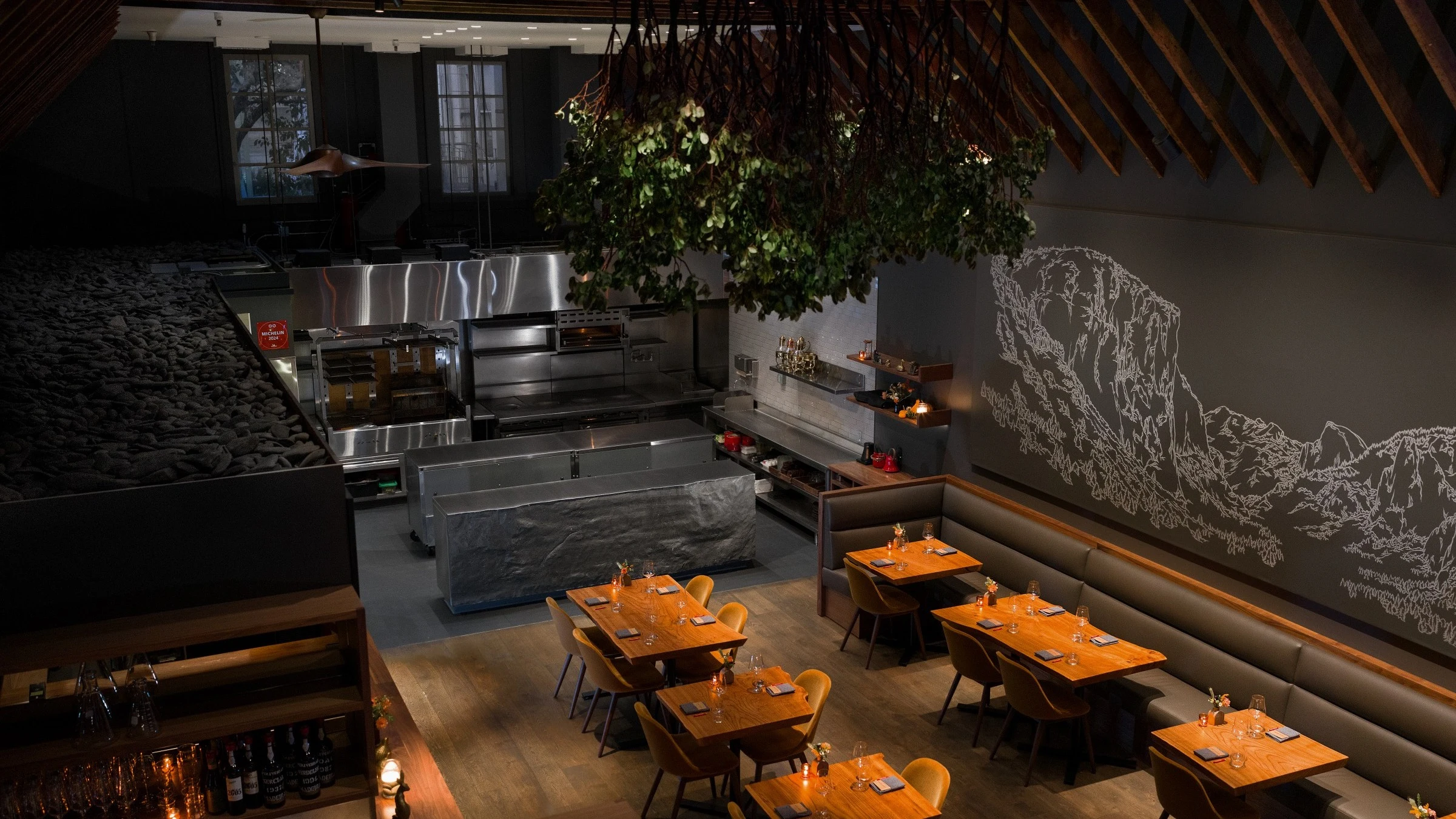
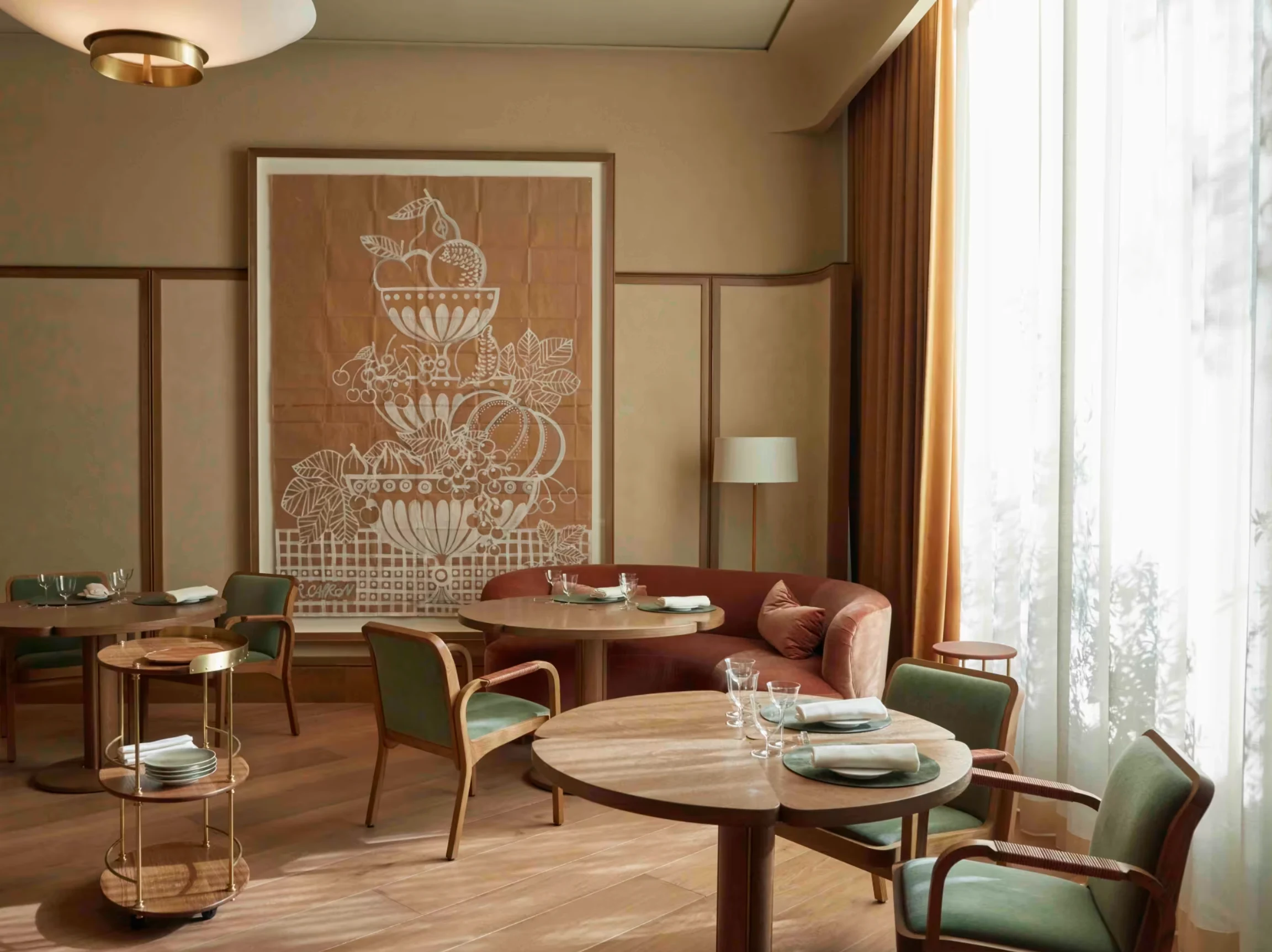
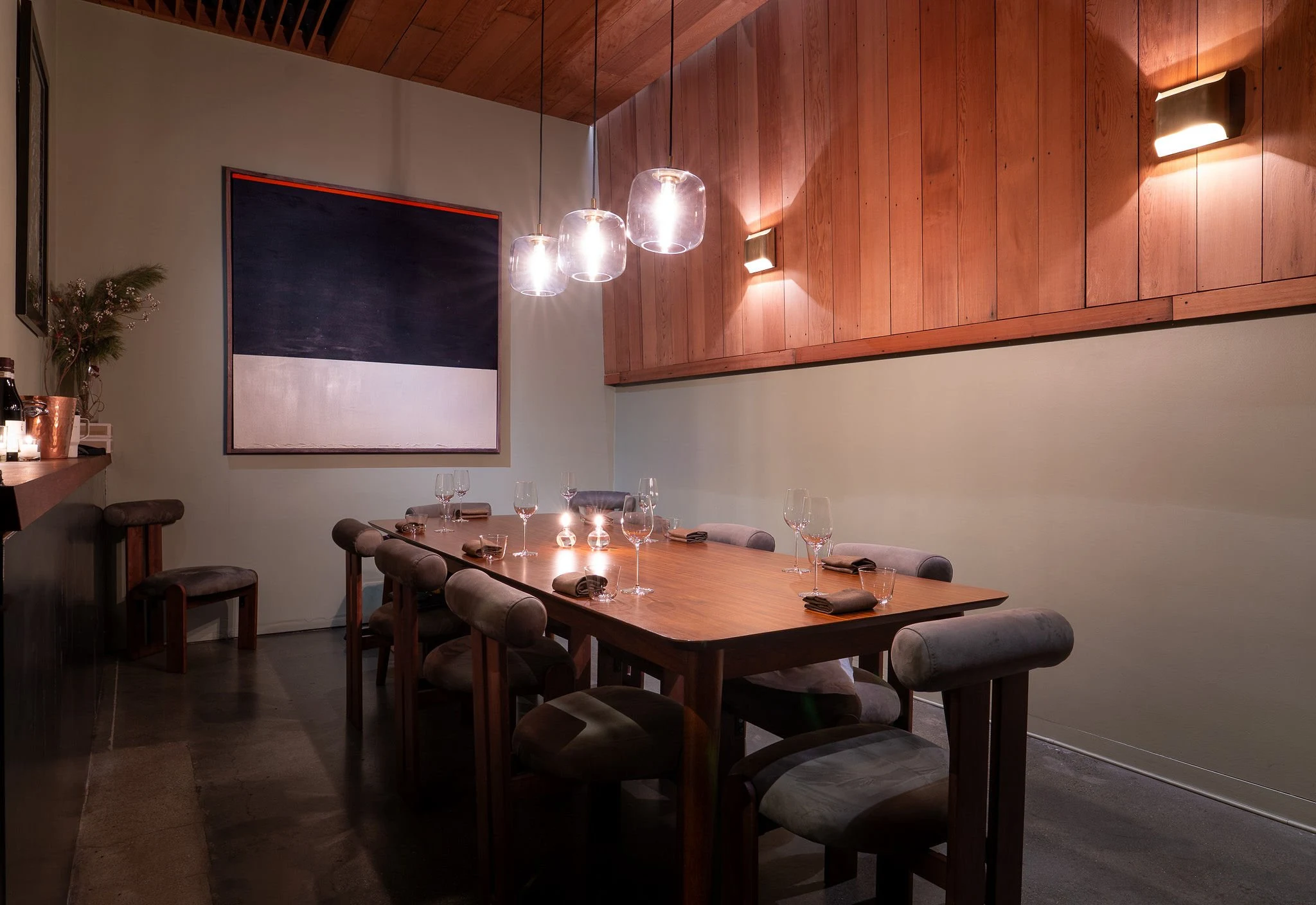
In a city where dining rooms frequently signal their ambitions through deliberate austerity or theatrical design, Steiner Street's scale reads as a counterpoint. The physical address, 3321 Steiner, sits in a low-rise residential corridor where the streetscape itself dampens expectation in a productive way. The approach is on foot or by rideshare through tree-lined blocks; there is no valet procession or doorman moment. What that absence of ceremony does, architecturally and atmospherically, is shift attention toward what happens inside rather than the performance of arrival.
Across American cities, the restaurants that sustain neighborhood loyalty over years tend to share certain atmospheric signatures: a sense that the room was designed around return visits rather than first impressions, lighting calibrated for conversation rather than documentation, a noise level that permits a full sentence without leaning in. Its Cow Hollow address places it squarely within the type of room where those priorities typically govern. Compare this to the deliberate grandeur of Quince in the Financial District, where the room is part of the proposition, or the salon intensity of Le Bernardin in New York, different registers entirely, and useful benchmarks for understanding what Indigo is probably not trying to be.
San Francisco's Neighborhood Restaurant in National Context
The neighborhood restaurant as a category has had a complicated decade in American dining. Economic pressure, staffing cycles, and the gravitational pull of the Michelin economy have made it harder for mid-register independent rooms to hold their ground against both the tasting-menu upper tier and the fast-casual expansion at the lower end. The restaurants that have survived in neighborhoods like Cow Hollow have generally done so by serving a function: reliable quality, a wine list with range but not ostentation, cooking that rewards repetition rather than demanding it be decoded.
That positioning sits at a meaningful distance from San Francisco's most decorated addresses. The French Laundry in Napa and Single Thread Farm in Healdsburg represent the region's formal apex; Providence in Los Angeles and Addison in San Diego anchor their respective cities at the same register. Indigo operates nowhere near that tier in scale or in the expectations it sets for the evening. That is not a criticism. Across the country, from Bacchanalia in Atlanta to Blue Hill at Stone Barns outside New York, the most enduring rooms are often those that resist the pressure to become something other than what the neighborhood needs them to be.
For the full picture of where Indigo fits within San Francisco's wider dining geography,
Questions
Frequently asked
Who works at Indigo?
Made By profiles Candice Jae (Bar Director) at Indigo.
How expensive is Indigo?
Indigo is listed at a price level of $$$.
Where is Indigo and what does it serve?
Indigo is in Marina, San Francisco, serving Modern Californian American.
The field
How it compares
| Place | Cuisine | Notes | Awards |
|---|---|---|---|
| Indigo | Modern Californian American | Marina, $$$ | · |
| Atelier Crenn | Contemporary French Fine Dining | San Francisco | Michelin 3 Stars, 50 Best |
| Benu | Modern Asian Fusion Fine Dining | San Francisco | Michelin 3 Stars, 50 Best |
| Lazy Bear | Modern American Tasting Menu | San Francisco | Michelin 2 Stars, 50 Best |
| Quince | Contemporary Californian | San Francisco | Michelin 3 Stars |
| Saison | Modern Fire-Forward Fine Dining | San Francisco | Michelin 2 Stars, 50 Best |
| Sons & Daughters | New Nordic Fine Dining | San Francisco | Michelin 2 Stars, 50 Best |
Similar places
Contemporary French Fine Dining
Atelier Crenn
San Francisco, United States
★★★ · 50 Best
Modern Asian Fusion Fine Dining
Benu
San Francisco, United States
★★★ · 50 Best
Modern American Tasting Menu
Lazy Bear
San Francisco, United States
★★ · 50 Best
Contemporary Californian
Quince
San Francisco, United States
★★★
Modern Fire-Forward Fine Dining
Saison
San Francisco, United States
★★ · 50 Best
New Nordic Fine Dining
Sons & Daughters
San Francisco, United States
★★ · 50 Best

The Sunday email
Read about the people behind restaurants like Indigo in the Sunday email.
Every Sunday we send a lead story and up to four more about the chefs, winemakers, sommeliers and hoteliers behind the restaurants, bars, wineries and hotels we cover.
Recent stories
Free. One email a week, and you can unsubscribe from any issue.