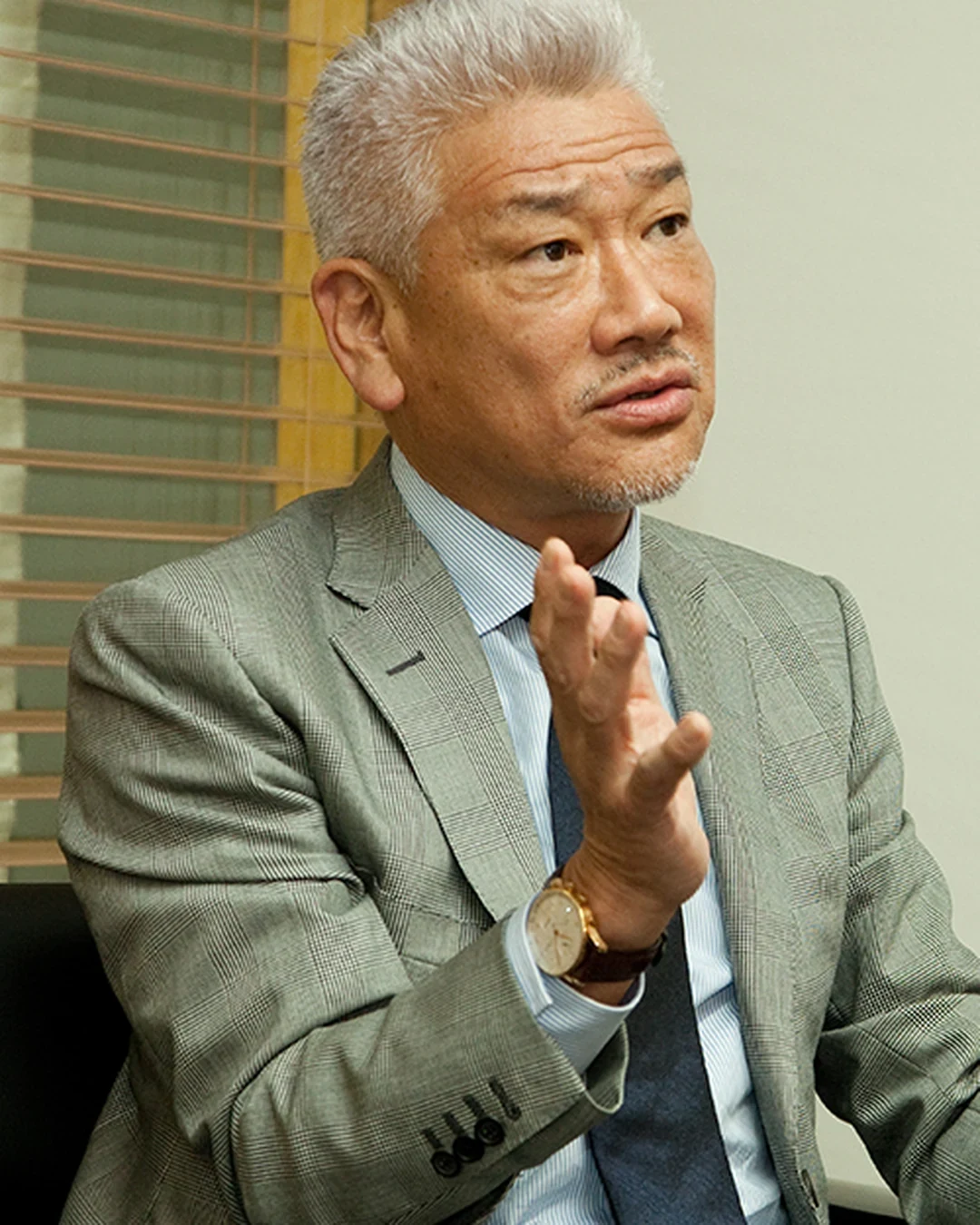
Chef Shigemi Kawahara keeps Hakata tonkotsu going at Ippudo in Manhattan with broth, noodles, chashu, and service daily.
- Opinionated About Dining Cheap Eats in North America Recommended · 2026
Broth first, then the room
Pork bones set the tempo before service; Chef Shigemi Kawahara keeps Ippudo in Manhattan tied to Hakata-style tonkotsu. The work begins with broth, not decoration: concentrated pork savor, a surface sheen that tells the cook where the stock has landed, and fresh noodles chosen for spring against that weight. Kawahara was born in Fukuoka prefecture, where the grammar of the bowl was already local knowledge before it became an export. His first IPPUDO shop opened in Fukuoka, Japan, in 1985, and the working frame has stayed narrow by design: broth, noodles, and welcome treated as one operating system.
At the Manhattan address, that lineage does not arrive as nostalgia. It arrives as repetition at the pass. A bowl of Shiromaru Motoaji asks for clarity in the base, while Akamaru Shinaji brings miso paste and fragrant garlic oil into the same tonkotsu structure. The chef’s wider role as founder of Ippudo and CEO of Chikaranomoto Company sits behind the room, but the station still judges the idea by smaller things: noodle texture, heat, chashu tenderness, and the speed at which a bowl can be handed over without losing its center.
Hakata grammar on Fourth Avenue
The East Village restaurant at 65 4th Ave works from a ramen vocabulary that Kawahara made portable without loosening its discipline. Hakata-style tonkotsu depends on patience and a narrow tolerance for drift; the broth must carry depth without turning dull, and the noodle has to meet it with lift rather than softness. The kae-dama system, a refill of noodles into remaining broth, makes that relationship plain. The second portion only works if the first bowl held enough structure to receive it.
The menu gives the craft several tests. Shiromaru Motoaji keeps close to the classic frame, with pork-bone broth as the main register. Akamaru Shinaji adds Ippudo’s Umami Dama miso paste and garlic oil, bringing another layer without moving the bowl out of tonkotsu. Chashu asks for time and fire; the slice has to read tender inside hot broth, not merely soft. Pork buns, gyoza, kara-age rice, cucumber with sesame dressing, and other side dishes move around the same counter rhythm, but the broth remains the measure.
A counter built for velocity
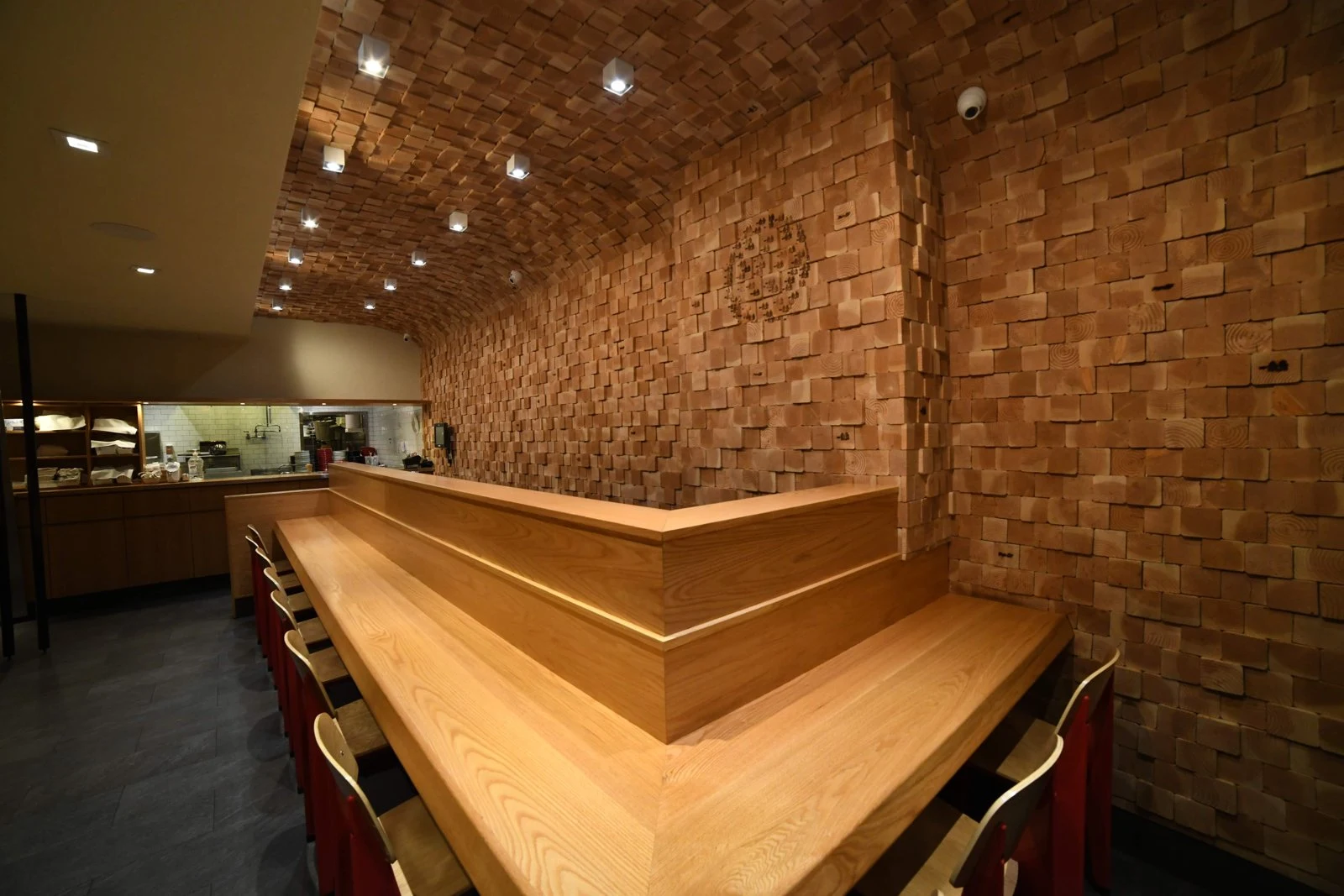
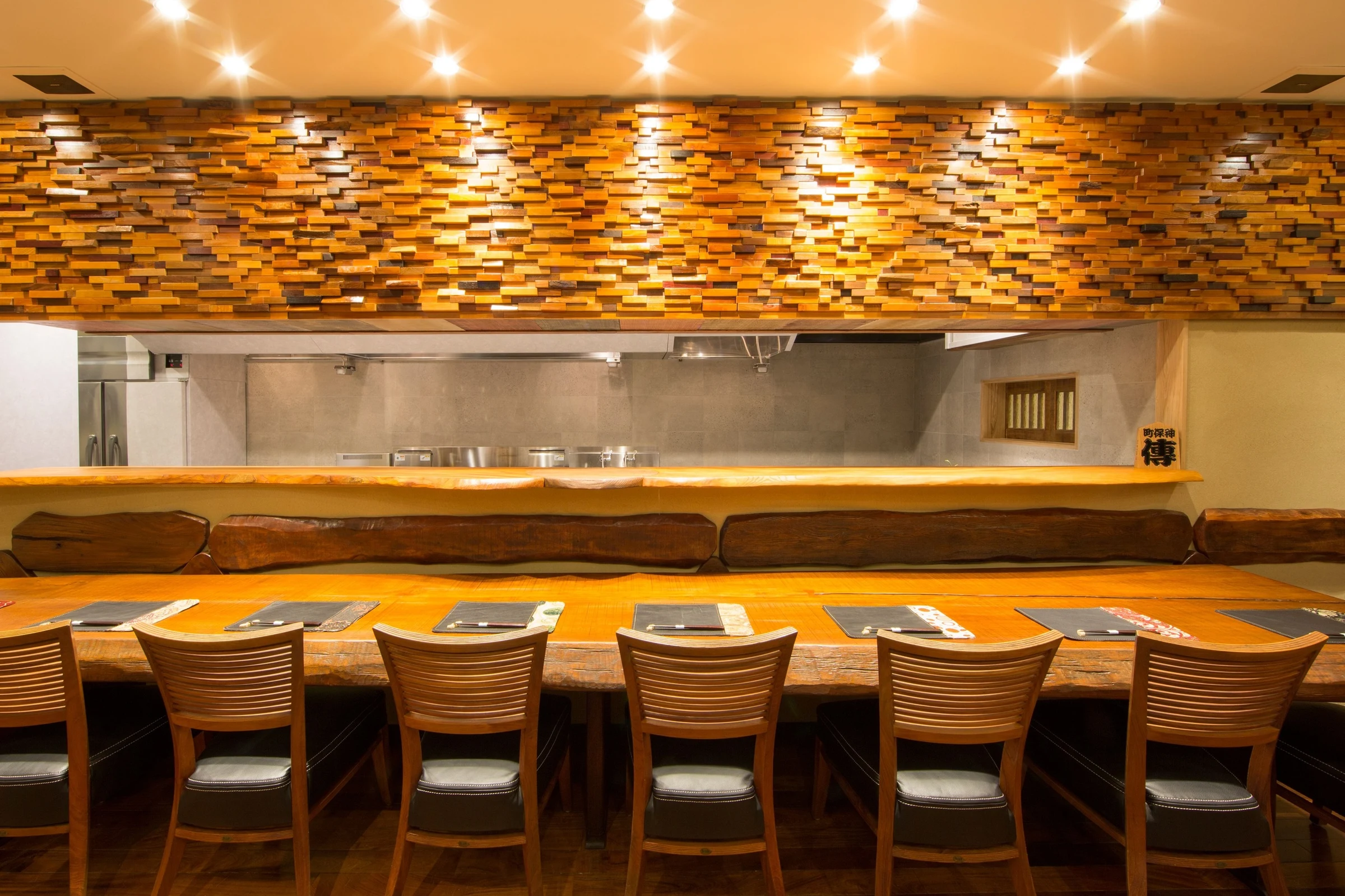
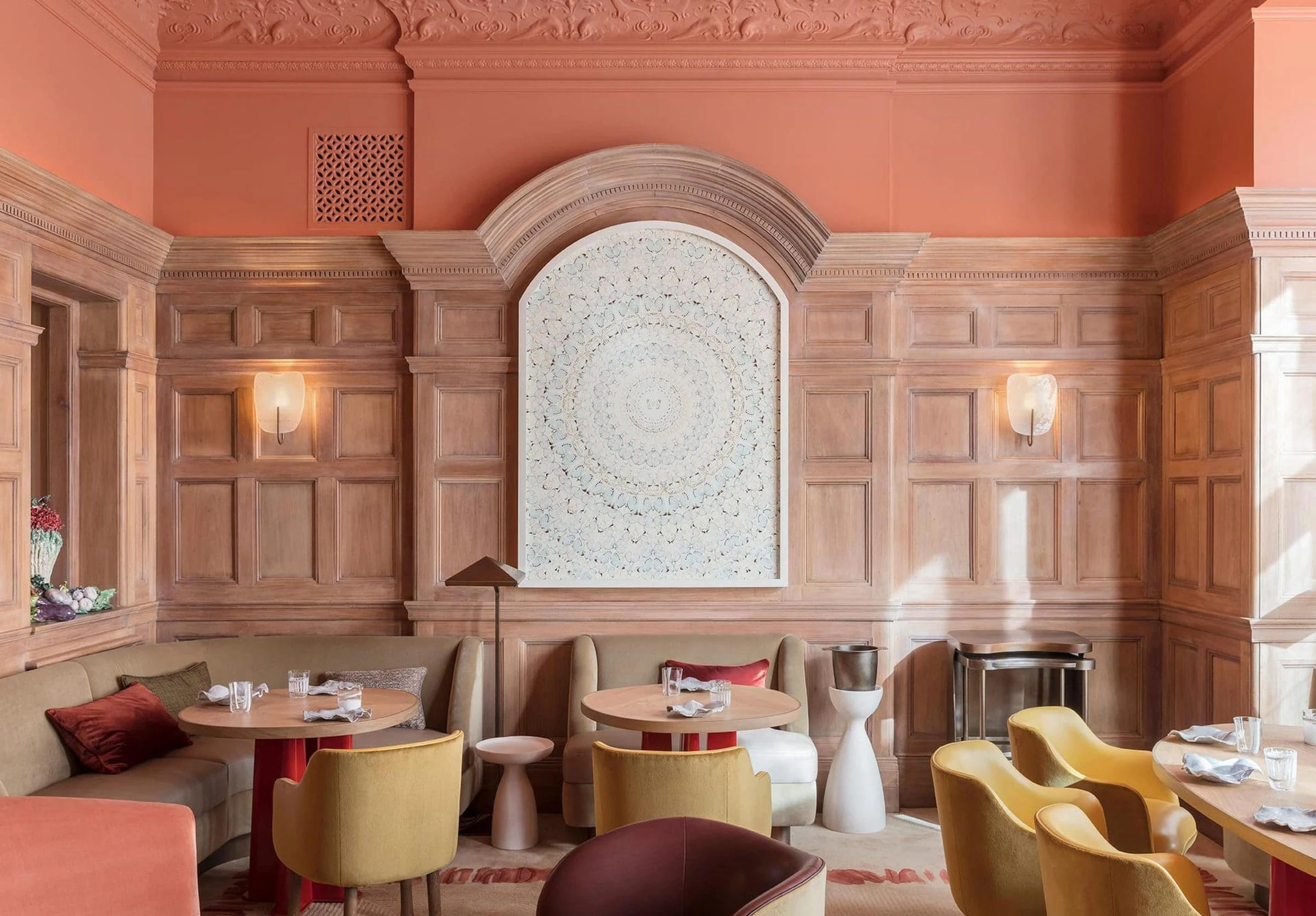
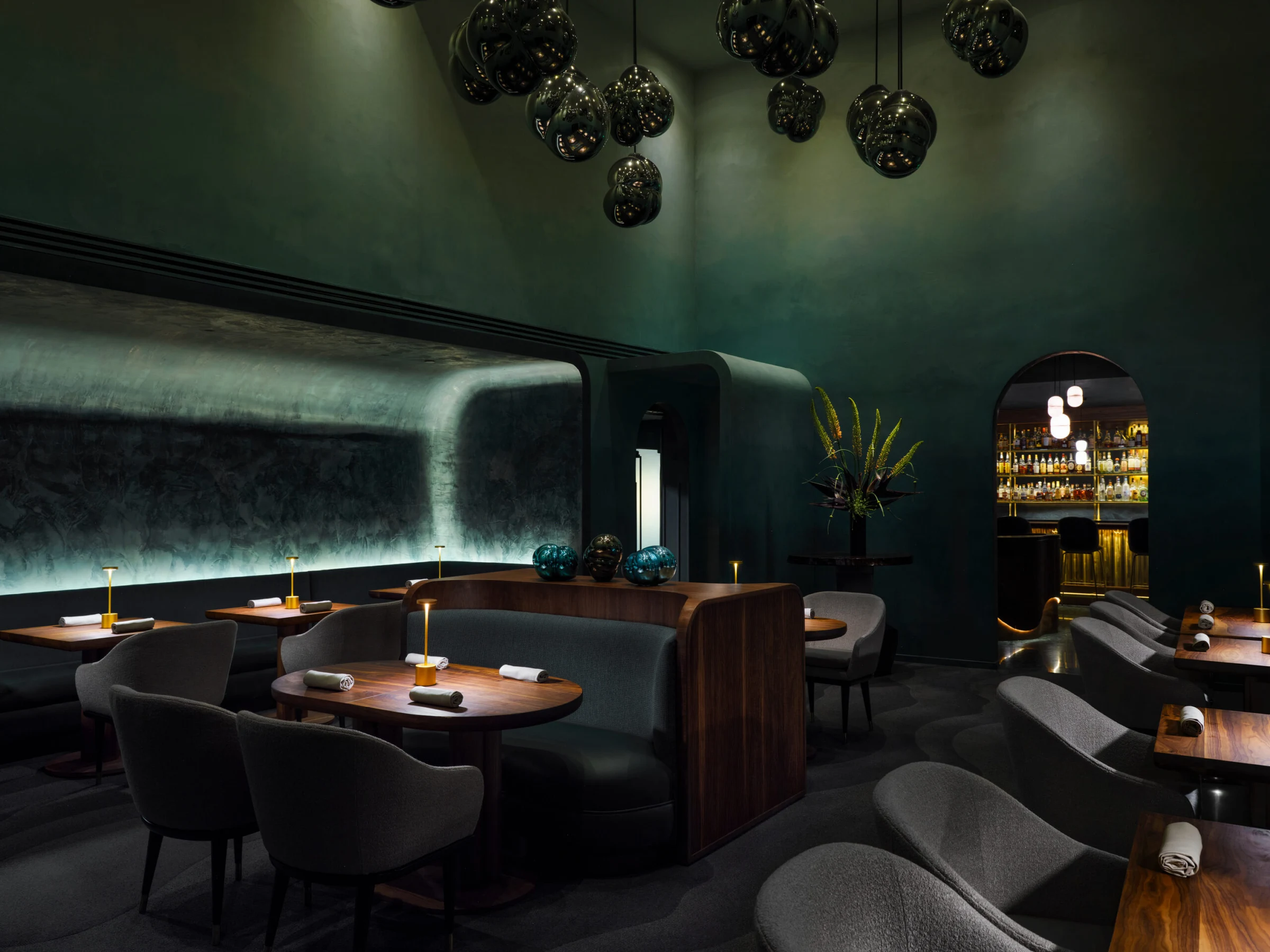
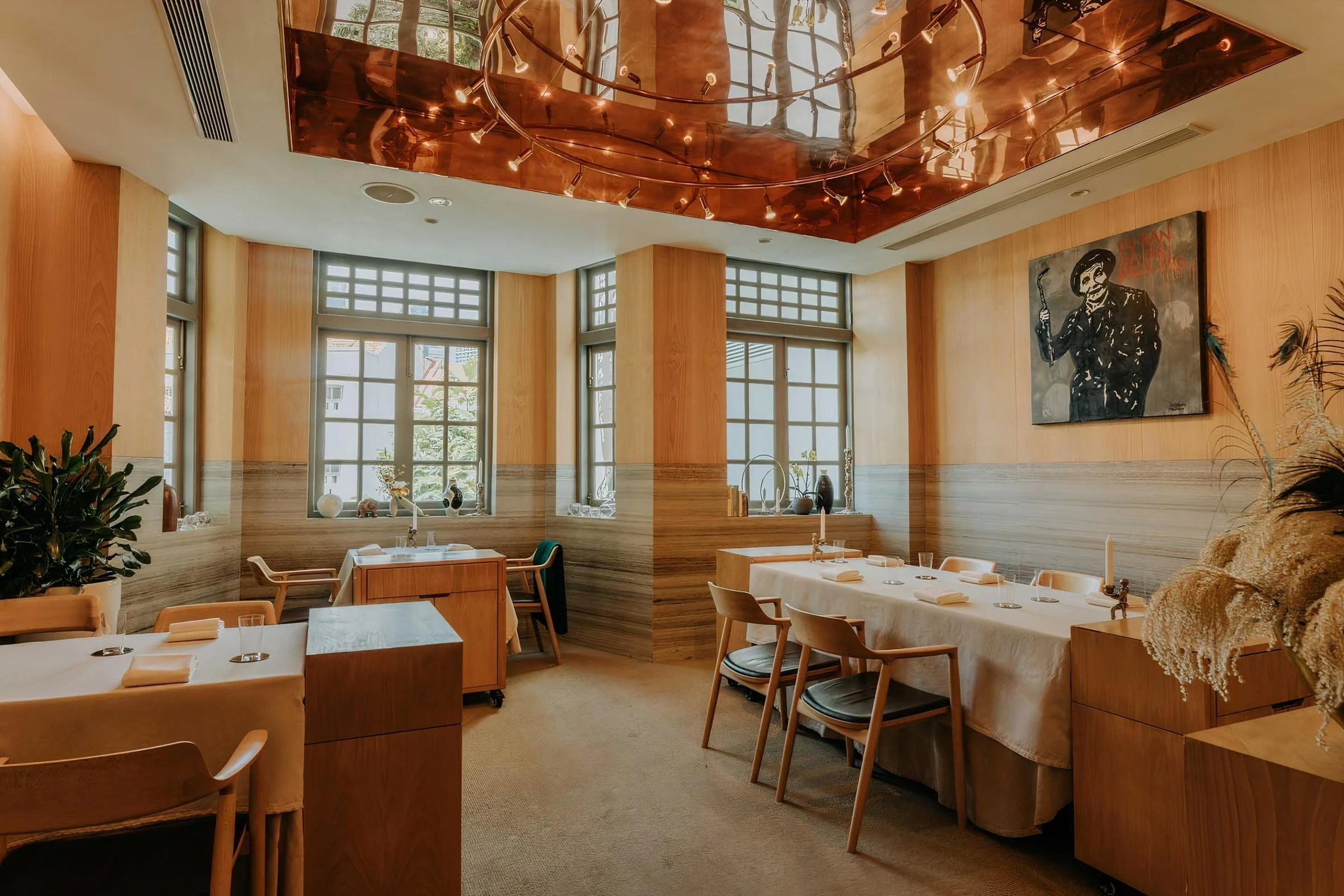
The room is built to hold movement. In the East Village, Ippudo is spacious and lively, with an open kitchen, darker wall colors, wood, shared tables, and counter seating that make the pass visible without turning it into theater. Staff call out irasshaimase as guests enter, a welcome that belongs to the service choreography as much as to the sound of the place. Steam rises, bowls land, seats turn, and the kitchen keeps the ramen line tight.
That energy matters because ramen loses authority when the room slows the bowl down. Noodles continue to change after they leave the water. Broth cools. Chashu releases fat into the surface. The Manhattan restaurant’s work is to keep those intervals short enough that the bowl reaches the counter as a finished gesture, not a delayed one. How long Kawahara has held the Manhattan station is not something the restaurant states; what it does state is a continuing attachment to Hakata tonkotsu, carried from Fukuoka through New York service.
The daily food stays exact
Kawahara has spoken about spreading ramen from Japan to audiences abroad, and Ippudo’s Manhattan work makes that ambition practical rather than abstract. The craft model is consistency: a daily food held to repeatable detail, in a room calibrated for energy, comfort, and speed. The next bowl does not need a new thesis. It needs the same hand on broth, noodle, chashu, and Shiromaru Motoaji.
Questions
Frequently asked
What is Ippudo in Manhattan known for?
Ippudo in Manhattan is known for Hakata-style tonkotsu ramen, built around pork bone broth, fresh noodles, and chashu.
Who is behind Ippudo?
Chef Shigemi Kawahara is the founder of Ippudo and the CEO of Chikaranomoto Company.
What are the main ramen bowls mentioned here?
The menu highlights Shiromaru Motoaji, which stays close to the classic tonkotsu frame, and Akamaru Shinaji, which adds Ippudo’s Umami Dama miso paste and garlic oil.
What is the room like at the East Village restaurant?
The East Village restaurant at 65 4th Ave is spacious and lively, with an open kitchen, darker wall colors, wood, shared tables, and counter seating.
Does Ippudo offer refills of noodles?
The kae-dama system allows a refill of noodles into the remaining broth, which keeps the relationship between broth and noodles clear.
The field
How it compares
| Place | Cuisine | Awards | Notes |
|---|---|---|---|
| Ippudo | Ramen | · | · |
| Den | Modern Japanese Kaiseki | Michelin 2 Stars, World's 50 Best | Tokyo |
| DSTAgE | Avant-Garde Spanish Tasting Menus | Michelin 2 Stars | Madrid |
| Hélène Darroze at The Connaught | Three Michelin-Star Modern French Fine Dining | Michelin 3 Stars | London |
| Miramar | Modern Mediterranean Seafood | Michelin 2 Stars | Llançà |
| Providence | Modern Seafood Fine Dining | Michelin 3 Stars, World's 50 Best | Los Angeles |
| Zén | Neo-Nordic with Japanese Influences | Michelin 3 Stars, World's 50 Best | Singapore |
In residence
Similar places
Modern Japanese Kaiseki
Den
Tokyo, Japan
★★ · 50 Best
Avant-Garde Spanish Tasting Menus
DSTAgE
Madrid, Spain
★★
Three Michelin-Star Modern French Fine Dining
Hélène Darroze at The Connaught
London, United Kingdom
★★★
Modern Mediterranean Seafood
Miramar
Llançà, Spain
★★
Modern Seafood Fine Dining
Providence
Los Angeles, United States
★★★ · 50 Best
Neo-Nordic with Japanese Influences
Zén
Singapore, Singapore
★★★ · 50 Best