irori
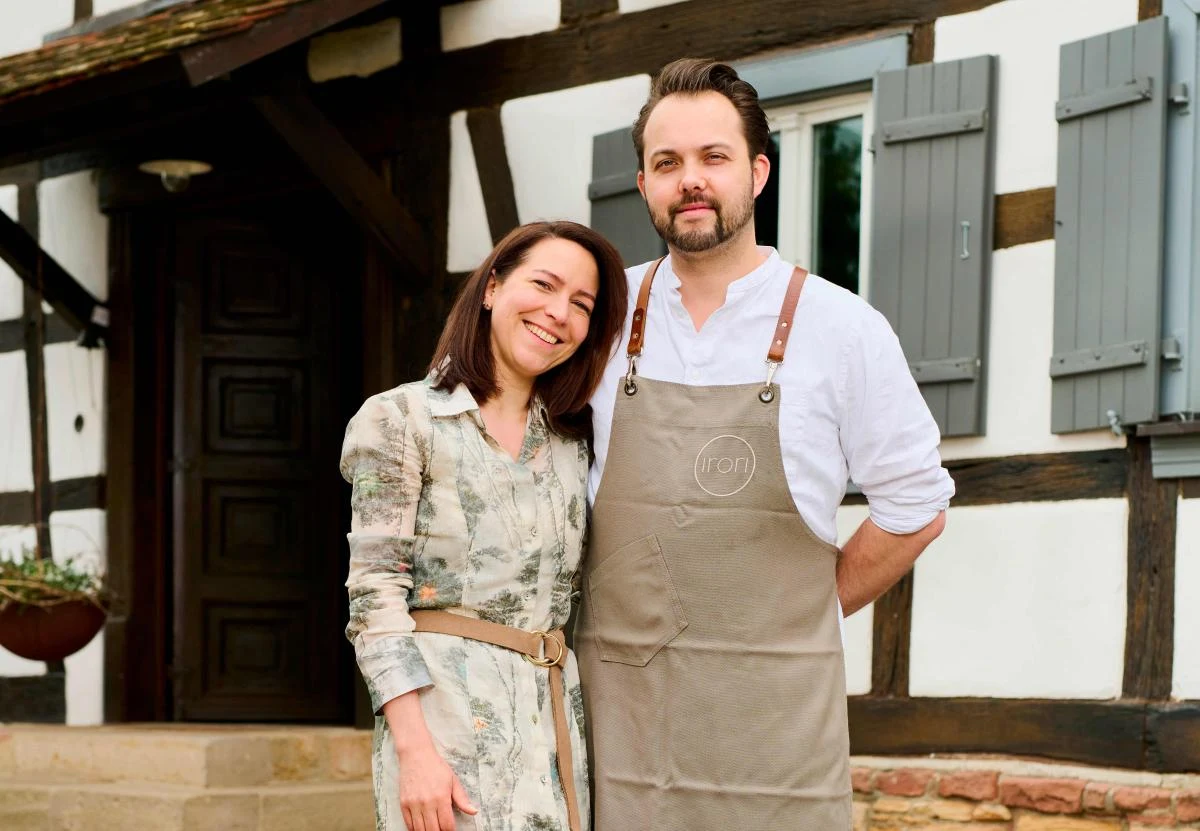
In Residence
Kerstin Bauer
Co Founder
- 01CuisineJapanese Contemporary with Regional Palatinate Influences
- 02CityKnittelsheim, Germany
- 03RecognitionOne Michelin Star
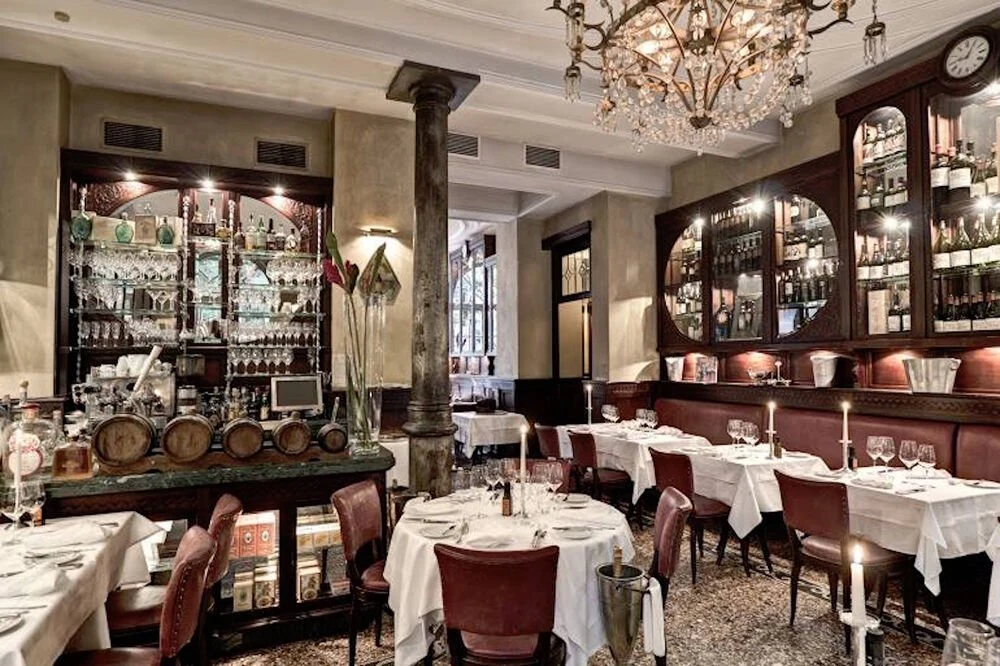
A Village Address With a Starred Kitchen
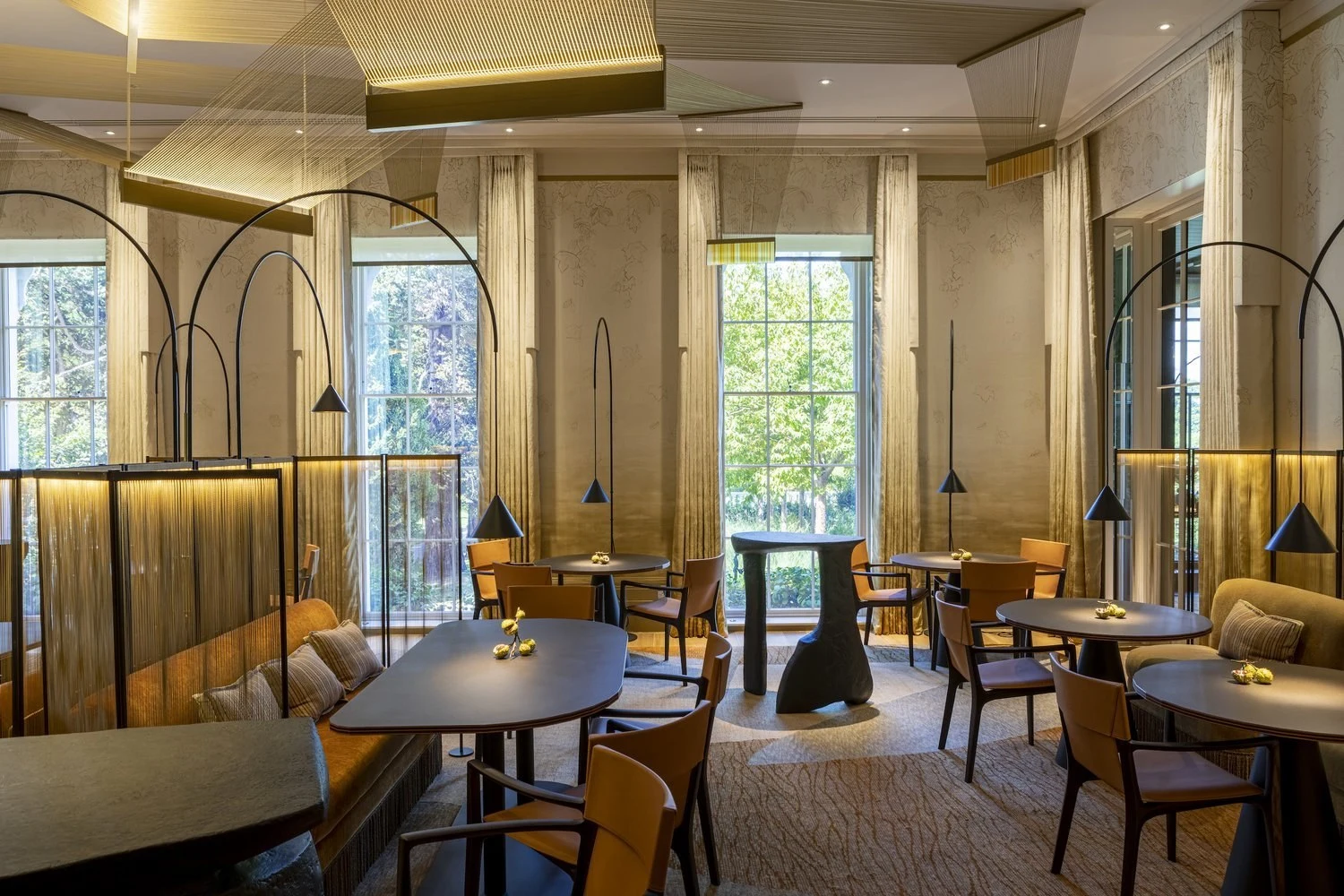
The Palatinate region of Rhineland-Palatinate has long been known more for its Riesling producers and hiking trails than for fine-dining destinations. That picture has been shifting in recent years, and irori, at Hauptstraße 15A in the small village of Knittelsheim, represents one of the more pointed examples of that shift. Fine-dining ambition has been moving out of German city centres for some time, irori fits that pattern of serious kitchens choosing rural or semi-rural settings where rent economics and a quieter pace support a different kind of hospitality. Arriving in Knittelsheim, the setting is unhurried in the way that only small German wine villages can be: flat agricultural land, rows of vines at the edges of town, the particular stillness of a place where the most significant thing happening is happening behind a restaurant door.
Creative Cuisine in the Palatinate Tradition of Doing Things Quietly
The creative cuisine category in Germany now spans a wide range, from avant-garde concept restaurants in Berlin to produce-led kitchens in the countryside that use the creative label to signal freedom from French or German classical structures. irori operates in that second mode. The cuisine type is Japanese Contemporary with Regional Palatinate Influences, and at the €€€€ price tier it implies a kitchen operating with significant technique and a coherent editorial point of view about what goes on the plate. At this price point in Germany, diners are in the same financial territory as CODA Dessert Dining in Berlin and Vendôme in Bergisch Gladbach, both multi-starred operations with international recognition. The fact that irori holds its own in that price tier, with a Michelin star to anchor the value proposition, tells you the kitchen is not hedging.
The Sunday email
Read about the people behind restaurants like irori in the Sunday email.
Every Sunday we send a lead story and up to four more about the chefs, winemakers, sommeliers and hoteliers behind the restaurants, bars, wineries and hotels we cover.
Recent stories

Free. One email a week, and you can unsubscribe from any issue.
Name itself is worth noting: irori is the Japanese term for a traditional sunken hearth, a central feature in rural Japanese homes used for cooking and gathering. That reference suggests a kitchen philosophy oriented around fire, warmth, and something more elemental than plated precision for its own sake. It is a cue rather than a guarantee, but it signals an intent that aligns with a broader European movement toward cooking that references heat, smoke, and craft tradition rather than laboratory technique. The name alone places the restaurant in a specific conversation about what contemporary creative cooking is supposed to feel like.
The Michelin Recognition and What It Places in Context
irori received its first Michelin star in the 2025 guide, a milestone that moves it into a comparable set with Germany's most closely watched tables. The German Michelin scene at the one-star level is competitive and fairly densely populated, but earning that recognition from a Knittelsheim address, not Neustadt an der Weinstraße proper, not Mannheim, not Frankfurt, is a statement. The Michelin inspectors have demonstrated a consistent willingness in recent years to follow serious cooking into non-urban addresses, as the guide's coverage of kitchens in the Eifel, the Mosel valley, and the Schwarzwald confirms. irori's 2025 star follows that pattern and puts it on the map for the kind of traveller who plans a trip specifically around a table rather than around a city.
The White Star from Star Wine List adds a second layer of credibility that matters specifically to wine-focused diners. The Palatinate, or Pfalz, is one of Germany's most productive wine regions, with a significant output of Riesling, Spätburgunder, and increasingly ambitious natural and low-intervention producers. A wine recognition in this context is not incidental. It suggests the list is being curated with the regional wine culture in mind and that the beverage program is treated as integral rather than supplementary. Comparable wine ambition at this level of dining can be found further north at Restaurant Haerlin in Hamburg, though Haerlin operates at greater scale and in a very different urban context.
Where irori Sits Among Germany's Creative Kitchens
To understand irori's position, it helps to map the broader field. At the three-star level, Germany has Aqua in Wolfsburg and Schwarzwaldstube in Baiersbronn, both operating in the rarefied tier where each meal is a significant financial and logistical commitment. The two-star cohort includes operations like JAN in Munich and ES:SENZ in Grassau, both of which have built reputations that extend well beyond their immediate cities. irori at one star sits at the entry point to that serious tier, which is often where the most interesting cooking is found: kitchens with a point to prove, without yet the institutional weight that can sometimes sand the edges off ambition.
The Google rating of 5.0 from 73 reviews suggests that the experience lands without significant complaint. At €€€€ pricing, a high rating on a small review base usually means a loyal, self-selecting audience of diners who came specifically for the kitchen and were not disappointed. This is different from the 4.6 on 3,000 reviews that a popular bistro might carry; it reflects a different kind of diner and a different kind of expectation.
For context on the creative fine-dining form at its Parisian heights, the frame extends to Alléno Paris au Pavillon Ledoyen and Arpège, both operating at the multi-star level in the French capital. The comparison is not one of equivalence but of lineage: creative fine dining across the German and French border regions shares a conversation about produce, technique, and the relationship between the plate and the land around the kitchen. irori, in the Palatinate, is positioned geographically and philosophically within that broader cross-border dialogue.
Questions
Frequently asked
What recognition does irori hold?
irori holds 1 Michelin star.
Who works at irori?
Made By profiles Kerstin Bauer (Co-Founder & Host) at irori.
How expensive is irori?
irori is listed at a price level of $$$$.
Where is irori and what does it serve?
irori is in Knittelsheim, Knittelsheim, serving Japanese Contemporary with Regional Palatinate Influences.
The field
How it compares
| Place | Awards | Cuisine | Notes |
|---|---|---|---|
| irori | Michelin 1 Star | Japanese Contemporary with Regional Palatinate Influences | Knittelsheim, $$$$ |
| Daniel | Michelin 1 Star, 50 Best | Modern French Fine Dining | New York City |
| Miramar | Michelin 2 Stars | Modern Mediterranean Seafood | Llançà |
| Narisawa | Michelin 2 Stars, 50 Best | Modern Japanese Satoyama Fine Dining | Tokyo |
| Paco Roncero | Michelin 2 Stars | Avant-Garde Spanish Fine Dining | Madrid |
| The Modern | Michelin 2 Stars | Contemporary American Fine Dining | New York City |
| Woven by Adam Smith | Michelin 1 Star | Modern British Fine Dining | Ascot |
Similar places
Modern French Fine Dining
Daniel
New York City, United States
★ · 50 Best
Modern Mediterranean Seafood
Miramar
Llançà, Spain
★★
Modern Japanese Satoyama Fine Dining
Narisawa
Tokyo, Japan
★★ · 50 Best
Avant-Garde Spanish Fine Dining
Paco Roncero
Madrid, Spain
★★
Contemporary American Fine Dining
The Modern
New York City, United States
★★
Modern British Fine Dining
Woven by Adam Smith
Ascot, United Kingdom
★

The Sunday email
Read about the people behind restaurants like irori in the Sunday email.
Every Sunday we send a lead story and up to four more about the chefs, winemakers, sommeliers and hoteliers behind the restaurants, bars, wineries and hotels we cover.
Recent stories
Free. One email a week, and you can unsubscribe from any issue.