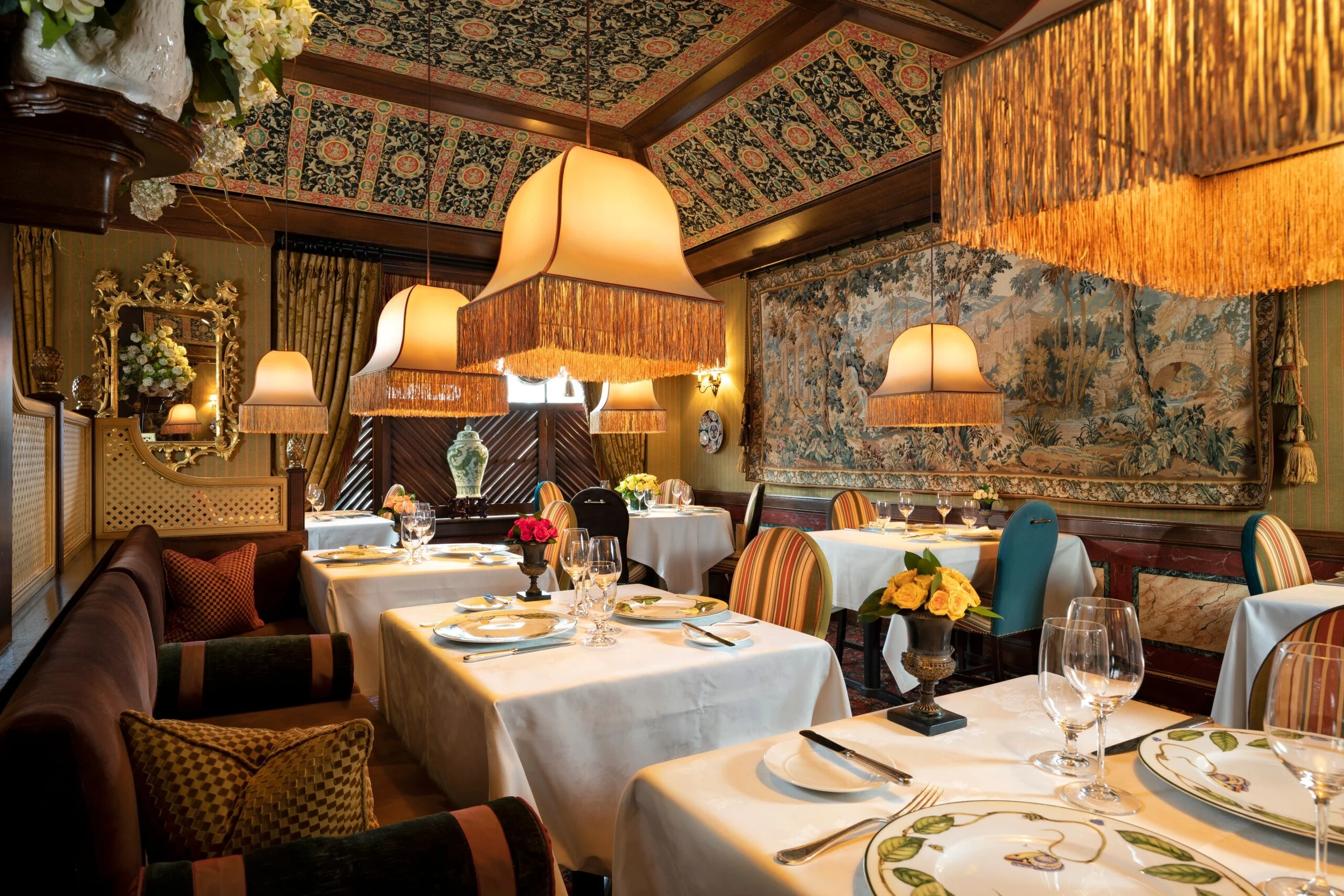
Izakaya Hachi
- 01CuisineTraditional Japanese Yakitori Izakaya
- 02CityTorrance, United States
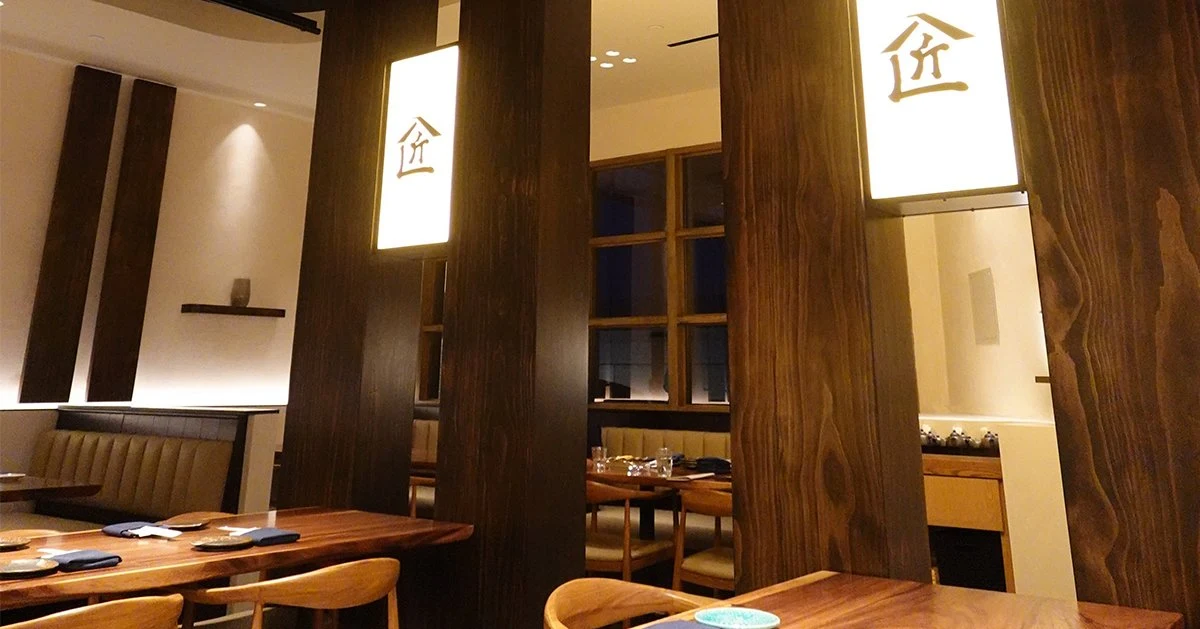
From the people index
Recommended by
One trusted voice points here.
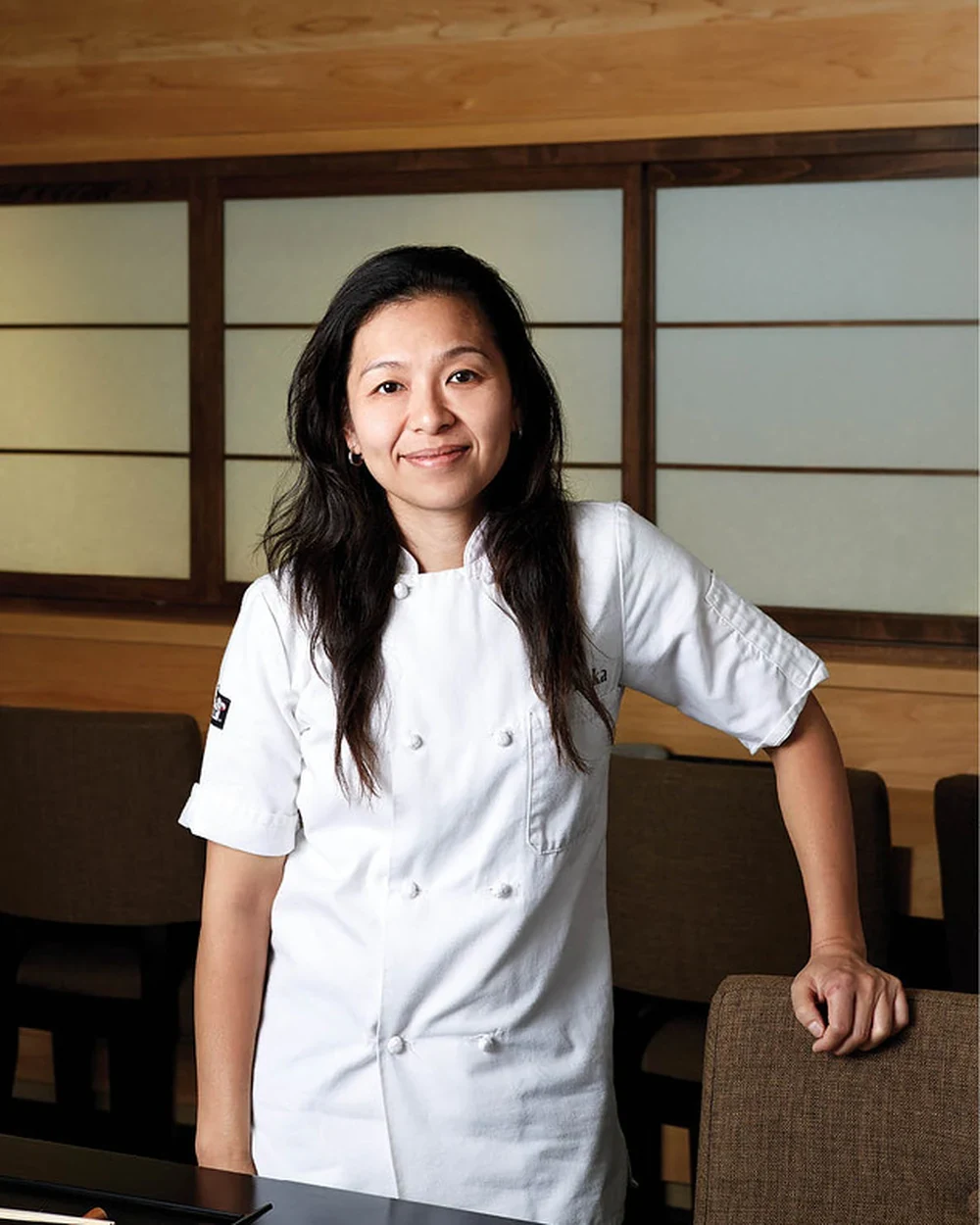
The South Bay's Izakaya Register
Torrance has developed one of the more cohesive Japanese dining corridors in the greater Los Angeles area, and it has done so without much fanfare. The city's large Japanese-American population, including significant communities with roots in Japan's Kansai and Kanto regions, has produced a dining culture that answers to residents rather than to food media. The izakaya format, Japan's closest equivalent to a neighborhood gastropub, has thrived here precisely because of that accountability. Venues like Hasu Izakaya & Grill and Izakaya Hachi anchor a scene that values repetition, familiarity, and seasonal rotation over novelty.
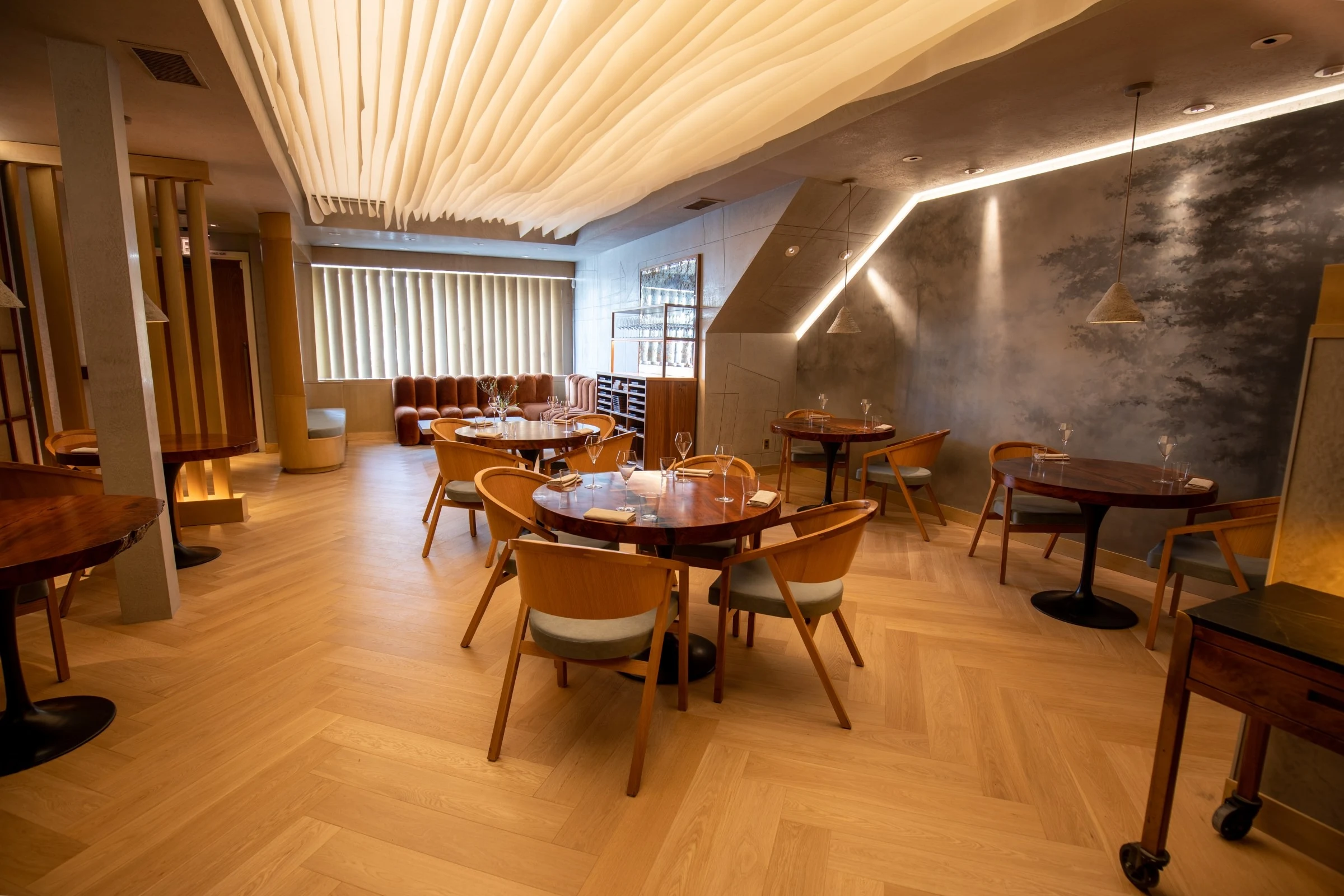
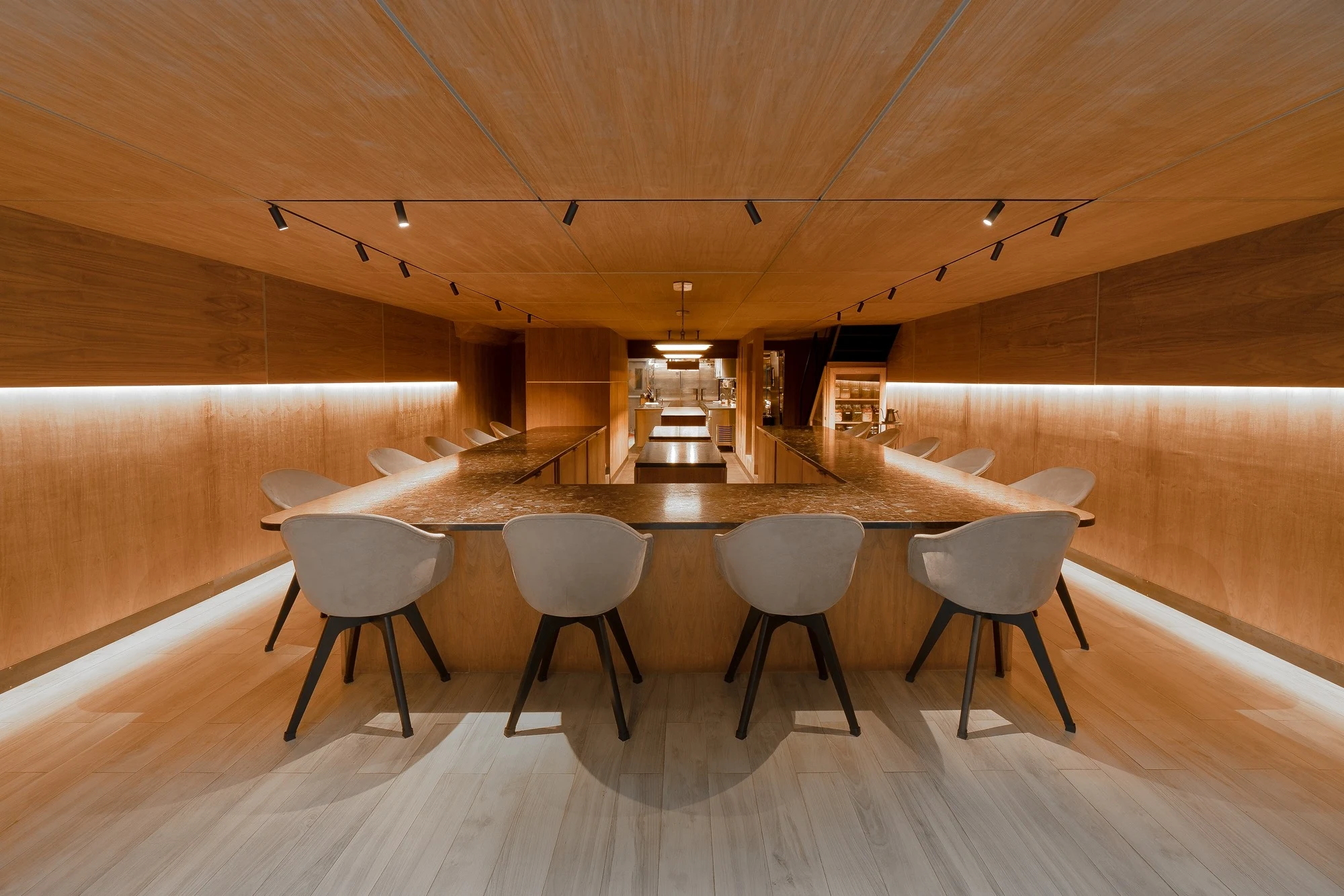
Izakaya Hachi is a Traditional Japanese Yakitori Izakaya in Torrance, California, with a 4.5 Google rating and an accessible price point of about $45 per person. It sits at 1880 W Carson Street, a stretch of Torrance that rewards those who look past strip-mall exteriors. The physical approach tells you something about the dining register before you walk through the door: modest signage, a parking lot shared with other businesses, no valet queue. Inside the format, the room is built for the rhythm of the izakaya evening, where the pace moves from lighter drinking snacks to more substantial plates over the course of a few hours. This is not a format designed for a single course and an exit.
What Izakaya Culture Actually Requires
The izakaya format lives or dies by ingredient quality, and not in the abstract way that term gets deployed in restaurant marketing. In a kitchen where dishes are small and often grilled, fried, or served with minimal sauce intervention, sourcing decisions are visible in a way they are not in heavily manipulated Western preparations. The quality of a chicken skewer, a grilled fish collar, or a plate of housemade tofu is determined almost entirely by what came through the back door that morning. This is why the strongest izakaya operators tend to have direct supplier relationships or work within tightly defined seasonal windows.
Within the Los Angeles Japanese dining ecosystem, this sourcing discipline places the leading izakaya operations in a different category from the city's high-end omakase counters, though the underlying commitment to ingredient integrity overlaps. Operations like Providence in Los Angeles have demonstrated what ingredient-led sourcing can produce at the fine dining tier; the izakaya form achieves something related at a more accessible price point and in a communal setting. The comparison matters because it clarifies what a serious izakaya is actually doing: making sourcing decisions that would earn respect at higher price tiers, then presenting them in a format that democratizes the result.
The Torrance Japanese Dining Context
Placing Izakaya Hachi accurately within Torrance requires understanding what the local Japanese dining scene has built over several decades. The South Bay corridor running through Torrance and into Gardena represents one of the oldest and most self-contained Japanese restaurant ecosystems in California. Unlike the high-visibility clusters in West Hollywood or Santa Monica, this corridor developed its character through community use rather than critical attention. That history has produced a peer group where authenticity is tested not by press coverage but by whether Japanese-speaking regulars return.
Nearby, Chado Tea Room represents one strand of that culture, focused on precision and ceremony around a beverage tradition. Gaetano's Restaurant and Depot represent different vectors of the broader Torrance dining picture. What Izakaya Hachi contributes is the convivial, multi-hour evening structure that the izakaya format uniquely provides, something the city's other dining options do not fully replicate. For a broader view of where the format fits, our full Torrance restaurants guide maps the range of options across the city.
Ingredient-Led Small Plates: The Format's Logic
The izakaya menu structure is not arbitrary. The sequence of drinking snacks, vegetable preparations, grilled proteins, rice or noodle closer, and sake or beer pairings reflects a philosophy of progressive eating that is older than most Western tasting menu formats. It also places significant pressure on the kitchen to source well across a wide range of categories simultaneously, from seafood to poultry to vegetables to fermented accompaniments.
At the tier where Izakaya Hachi operates, within a community-accountable, neighborhood-focused South Bay market, the expectation is that this range will be handled with competence and consistency. The most respected American restaurants working in adjacent territory have shown what dedicated sourcing looks like at higher price points: Blue Hill at Stone Barns in Tarrytown and Single Thread Farm in Healdsburg have built their reputations on supply chain transparency and seasonal discipline. The izakaya form does not require that level of vertical integration, but the underlying logic, that what you source determines what you can serve, runs through both approaches.
Operations like Lazy Bear in San Francisco, Alinea in Chicago, and Atomix in New York City have each approached ingredient sourcing through the lens of their own format; the izakaya simply applies the same principle to a communal, lower-barrier format. That accessibility is part of the point. The evening at an izakaya like Hachi is meant to feel like a long conversation around food that tastes of where it came from, not a performance.
Planning Your Visit
Izakaya Hachi is located at 1880 W Carson Street in Torrance, accessible by car from the 405 and positioned in the western part of the city near the Del Amo Fashion Center corridor. The neighborhood is primarily residential and commercial, and the venue fits the low-key physical register of most serious Japanese neighborhood dining in this part of the South Bay. Hours run Monday through Sunday from 5:00 to 10:30 PM, and reservations are recommended. Pricing is about $45 per person.
Questions
Frequently asked
How expensive is Izakaya Hachi?
Izakaya Hachi is listed at a price level of $$$.
Where is Izakaya Hachi and what does it serve?
Izakaya Hachi is in Torrance, Torrance, serving Traditional Japanese Yakitori Izakaya.
The field
How it compares
| Place | Cuisine | Notes | Awards |
|---|---|---|---|
| Izakaya Hachi | Traditional Japanese Yakitori Izakaya | Torrance, $$$ | · |
| Atelier Crenn | Contemporary French Fine Dining | San Francisco | Michelin 3 Stars, World's 50 Best |
| Atomix | Modern Korean Tasting Menu | New York City | Michelin 2 Stars, World's 50 Best |
| Disfrutar | Avant-Garde Catalan Fine Dining | Barcelona | Michelin 3 Stars, World's 50 Best |
| ESqUISSE | Modern French with Japanese Influences | Tokyo | Michelin 2 Stars, World's 50 Best |
| Martin Berasategui | Modern Basque Fine Dining | Lasarte - Oria | Michelin 3 Stars, World's 50 Best |
| The Inn at Little Washington | Contemporary American Fine Dining with French Influence | Washington | Michelin 3 Stars |
Similar places
Contemporary French Fine Dining
Atelier Crenn
San Francisco, United States
★★★ · 50 Best
Modern Korean Tasting Menu
Atomix
New York City, United States
★★ · 50 Best
Avant-Garde Catalan Fine Dining
Disfrutar
Barcelona, Spain
★★★ · 50 Best
Modern French with Japanese Influences
ESqUISSE
Tokyo, Japan
★★ · 50 Best
Modern Basque Fine Dining
Martin Berasategui
Lasarte - Oria, Spain
★★★ · 50 Best
Contemporary American Fine Dining with French Influence
The Inn at Little Washington
Washington, United States
★★★