Jin Jin
- 01CuisineTraditional Chinese
- 02CitySeoul, South Korea
Ten dishes under one discipline
- Michelin Bib Gourmand · Michelin Guide
- Michelin Bib Gourmand · 2026
- Michelin Bib Gourmand · 2025
- Michelin Bib Gourmand · 2024
Seasoning worked into the beef
The beef is seasoned until the wet mixture smears thoroughly into the meat, not merely coats it. Hwang Jin-seon, Chef at Jin Jin in Mapo-gu, Seoul, South Korea, describes that gesture plainly, and it suits the restaurant: control first, then heat. His public work sits in Korean-style Chinese cuisine, with Jin Jin as its clearest address since 2014. Before this station, he cooked at Koreana Hotel Daesanghae from 2006 to 2013, a stretch that set pressure, timing, and repeatability into the hand. At Jin Jin, that discipline meets a room built for direct pleasure rather than ceremony. The menu does not lean on the familiar comfort of jjajangmyeon, jjamppong, or tangsuyuk. It keeps to a narrow traditional Chinese register, shaped for Seoul palates without losing the method. Hwang’s cooking is associated with restraint, the kind that lets broth choice, texture, and seasoning carry the plate. In his stir-fried mala beef, he has spoken of using gomtang broth where Chinese kitchens often use chicken broth. The decision is small only from a distance. At the bench, it changes body, savor, and the way heat lands.
Ten dishes, no room to hide
Jin Jin’s program turns on a limited menu of 10 dishes, a number that matters because it gives the kitchen fewer places to blur. Shrimp toast, menbosha, mapo tofu, stir-fried beef with gai lan, and stir-fried crab meat with egg white sit among the signatures. The work is not breadth. It is repetition under service. Deep-frying has to leave the menbosha crisp at the edge while keeping the shrimp center bouncy. Stir-frying has to hold sweetness in crab meat and keep beef and gai lan moving long enough to take heat without surrendering texture. Mapo tofu needs spice, salt, and softness to meet in the same spoonful. The house is often described through value, but the craft argument is tighter than that. A short menu asks more of the station, not less. Every plate returns to the same pass, the same timing, the same margin between enough and too much.
A simple room around a moving pass
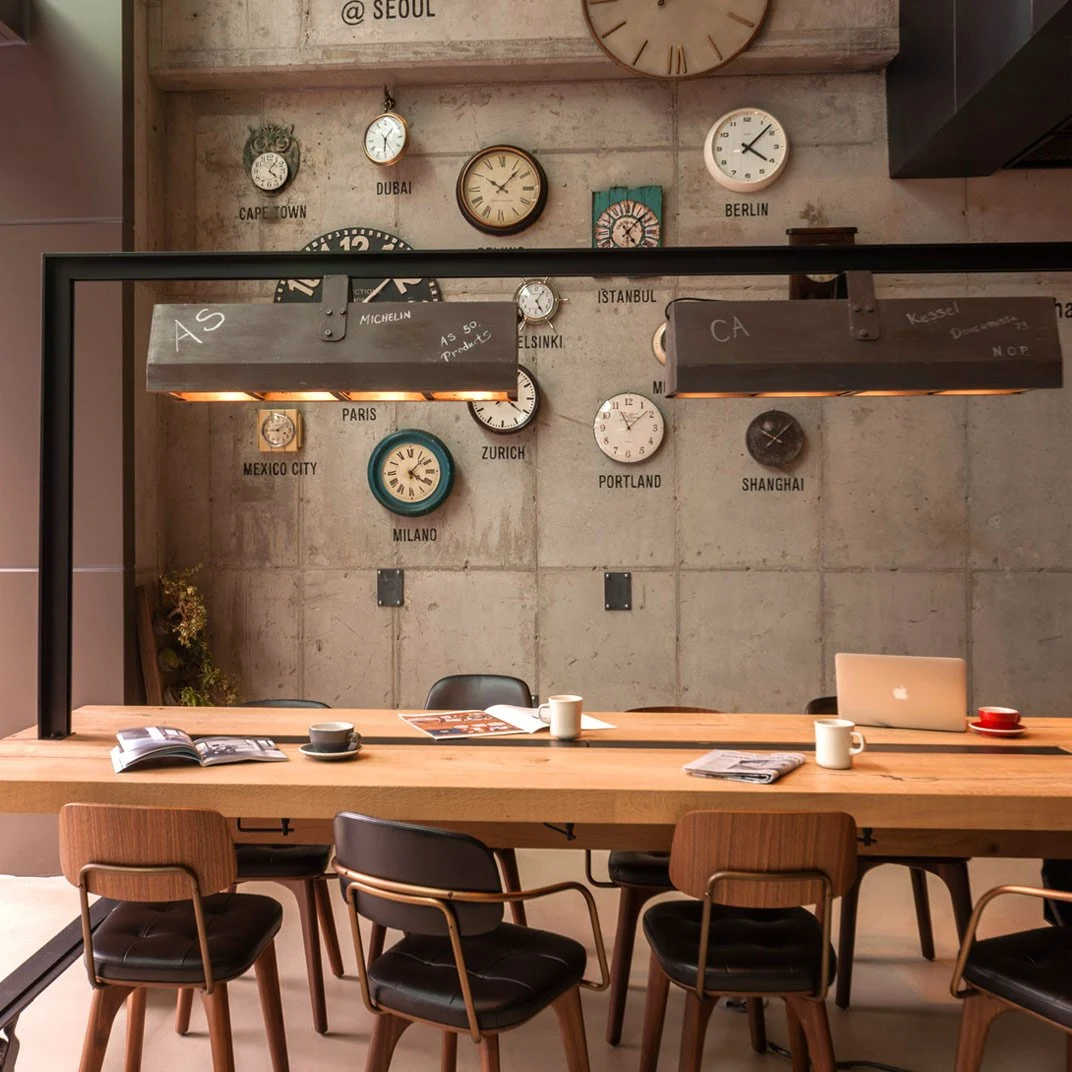
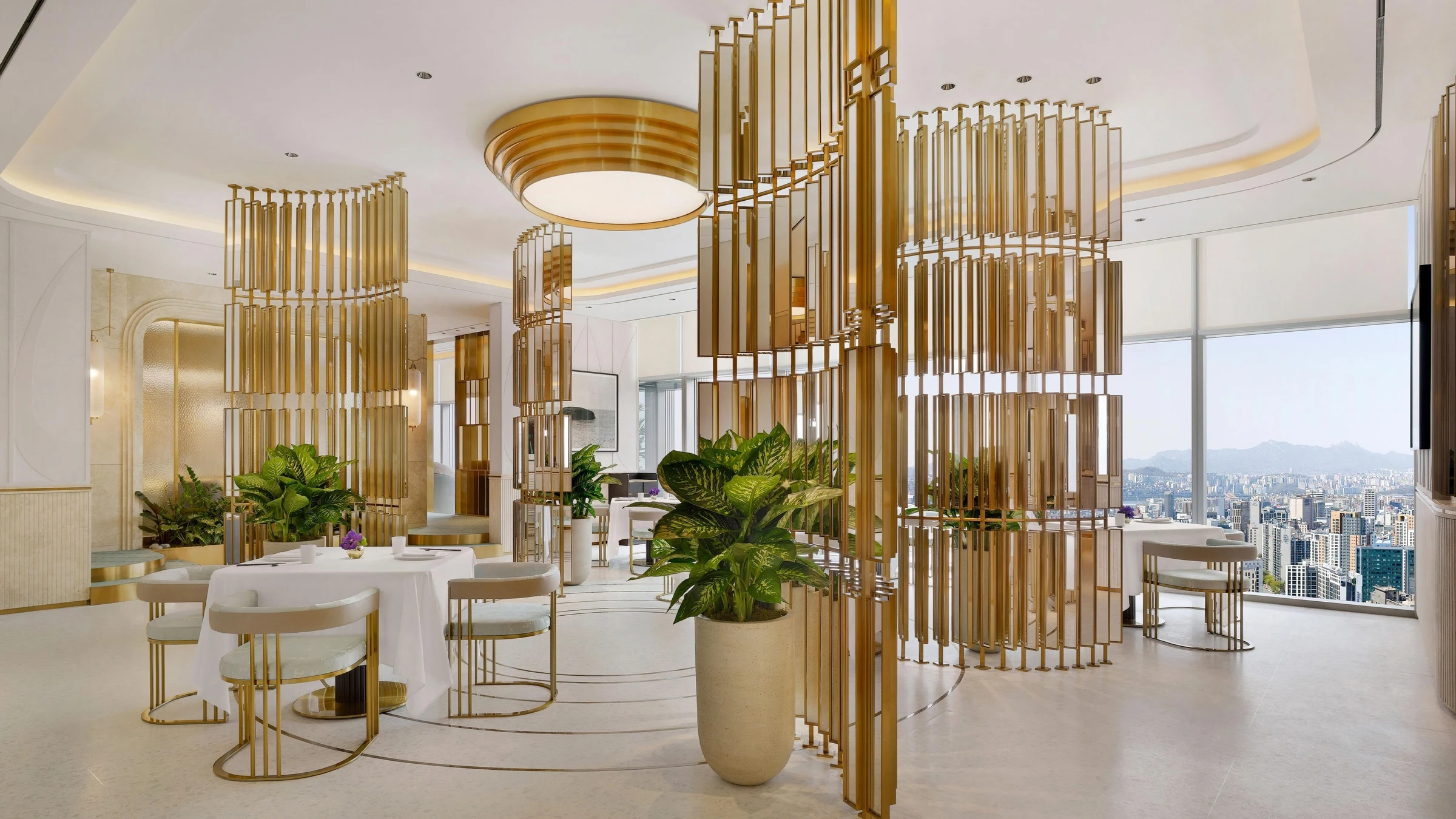
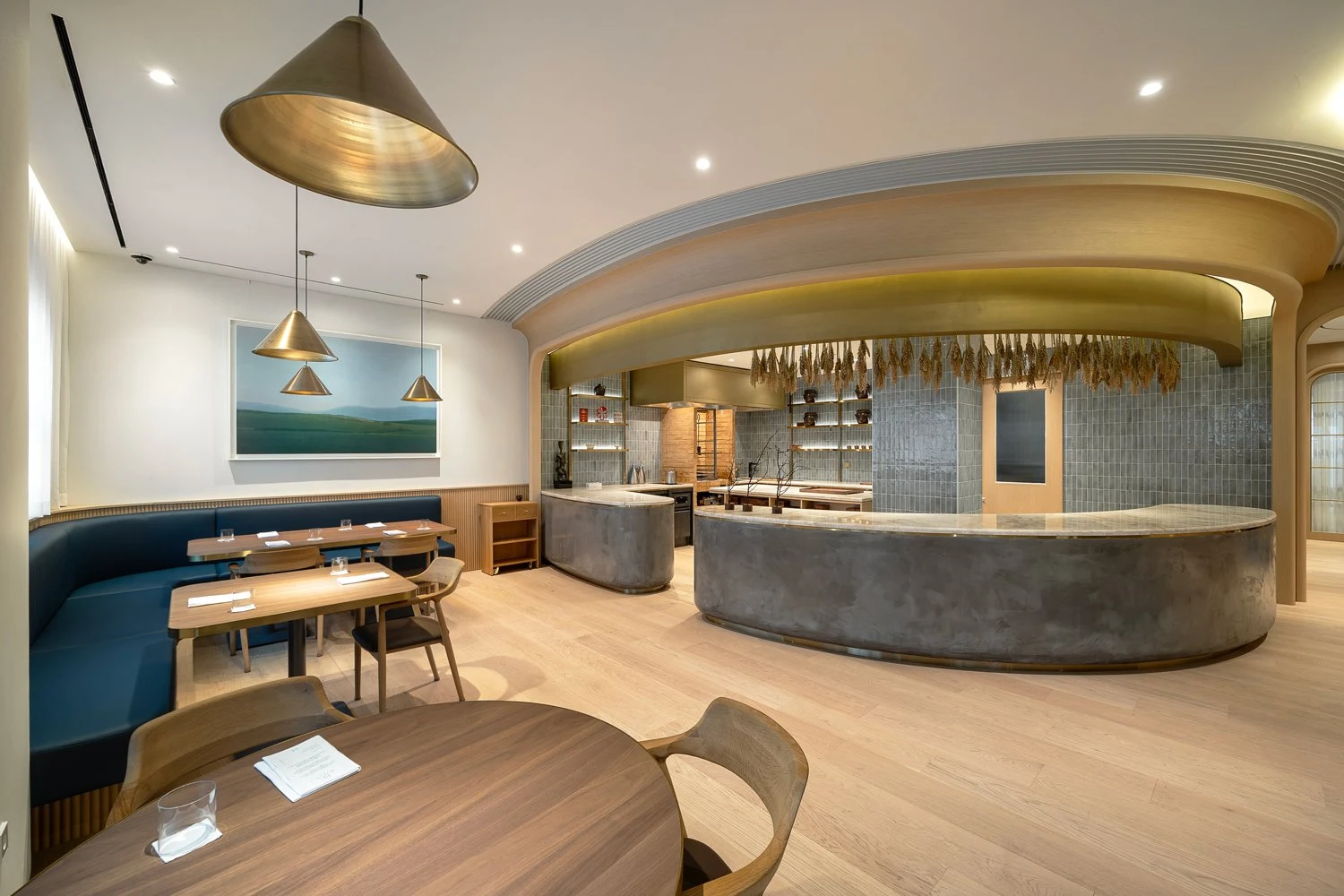
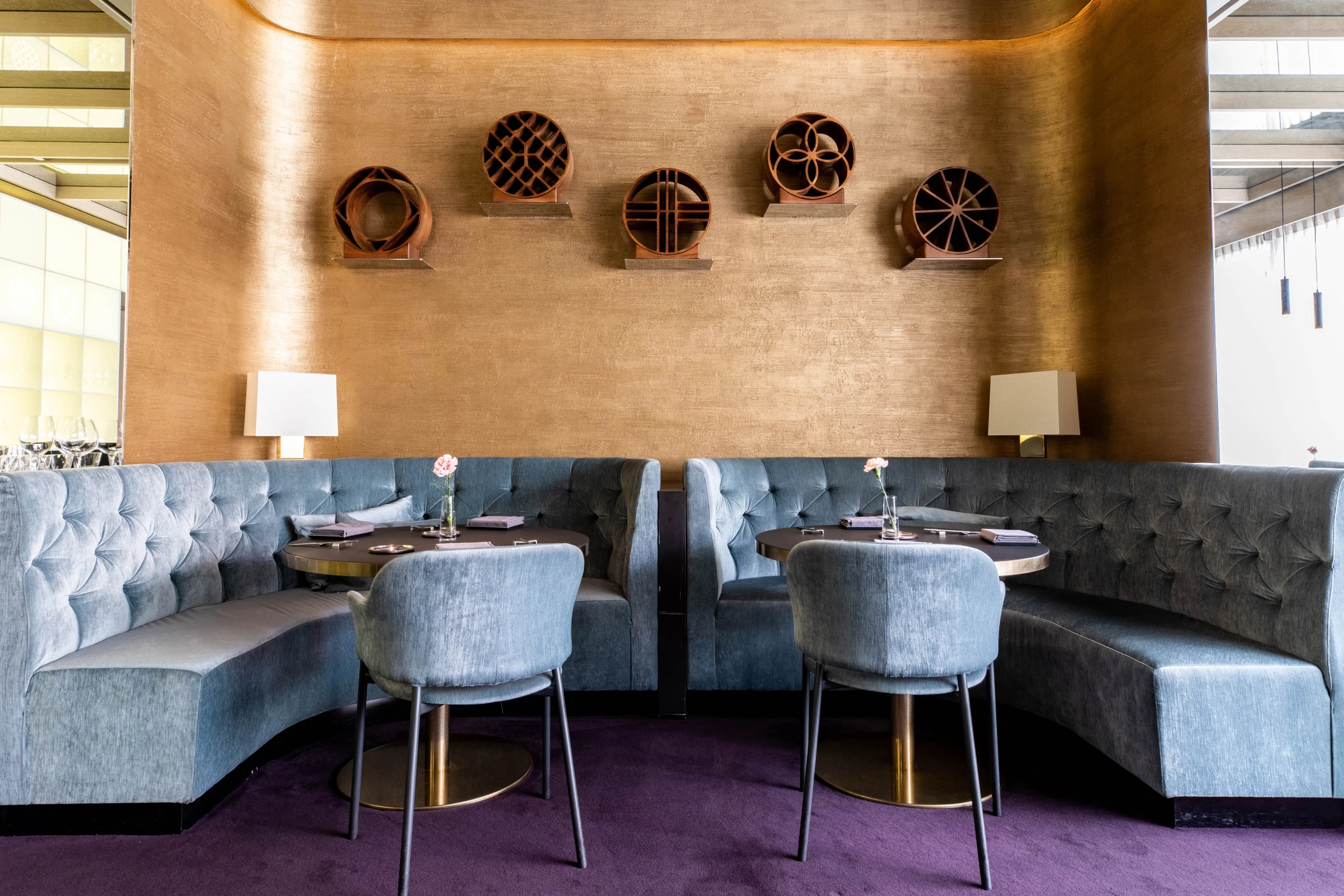
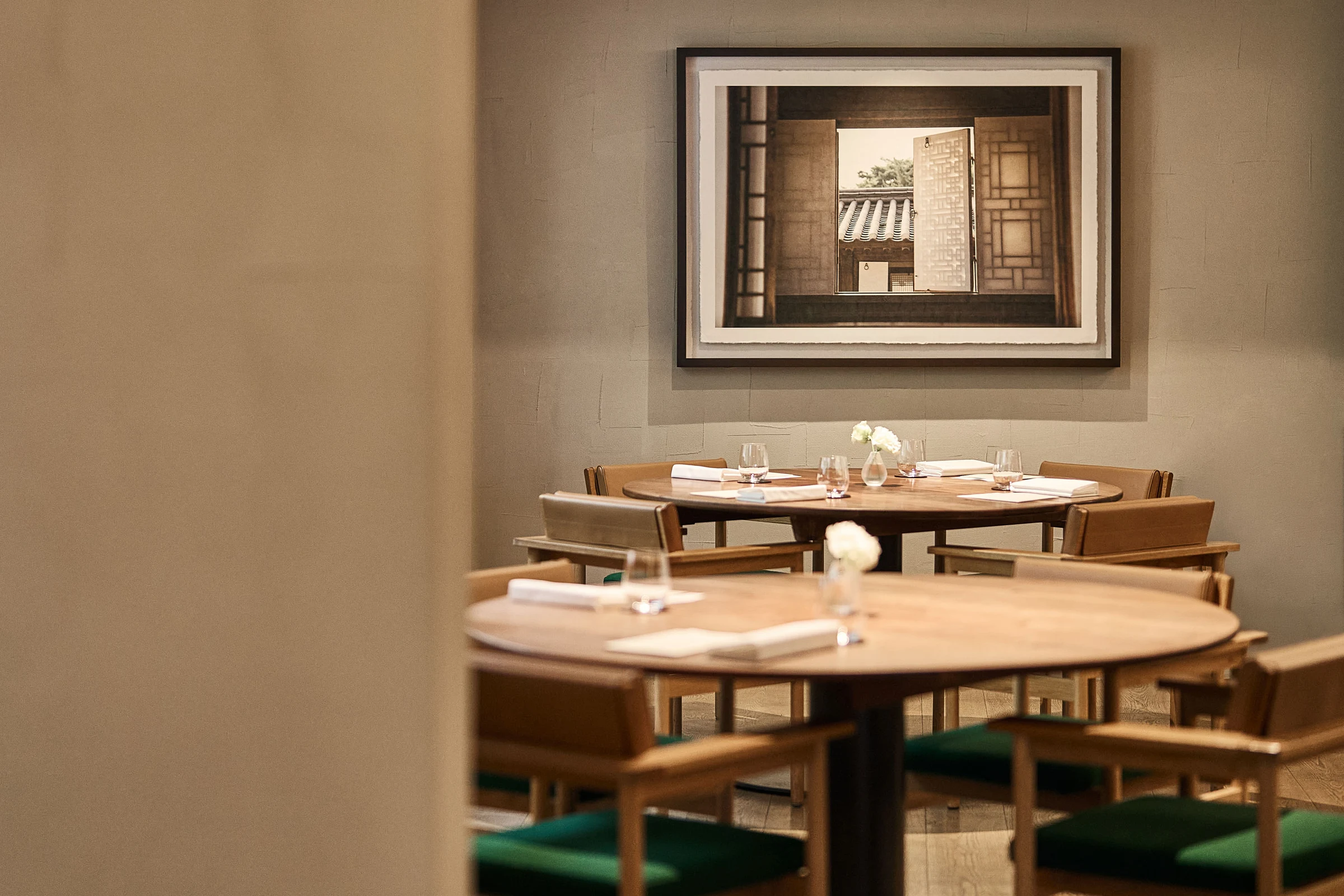
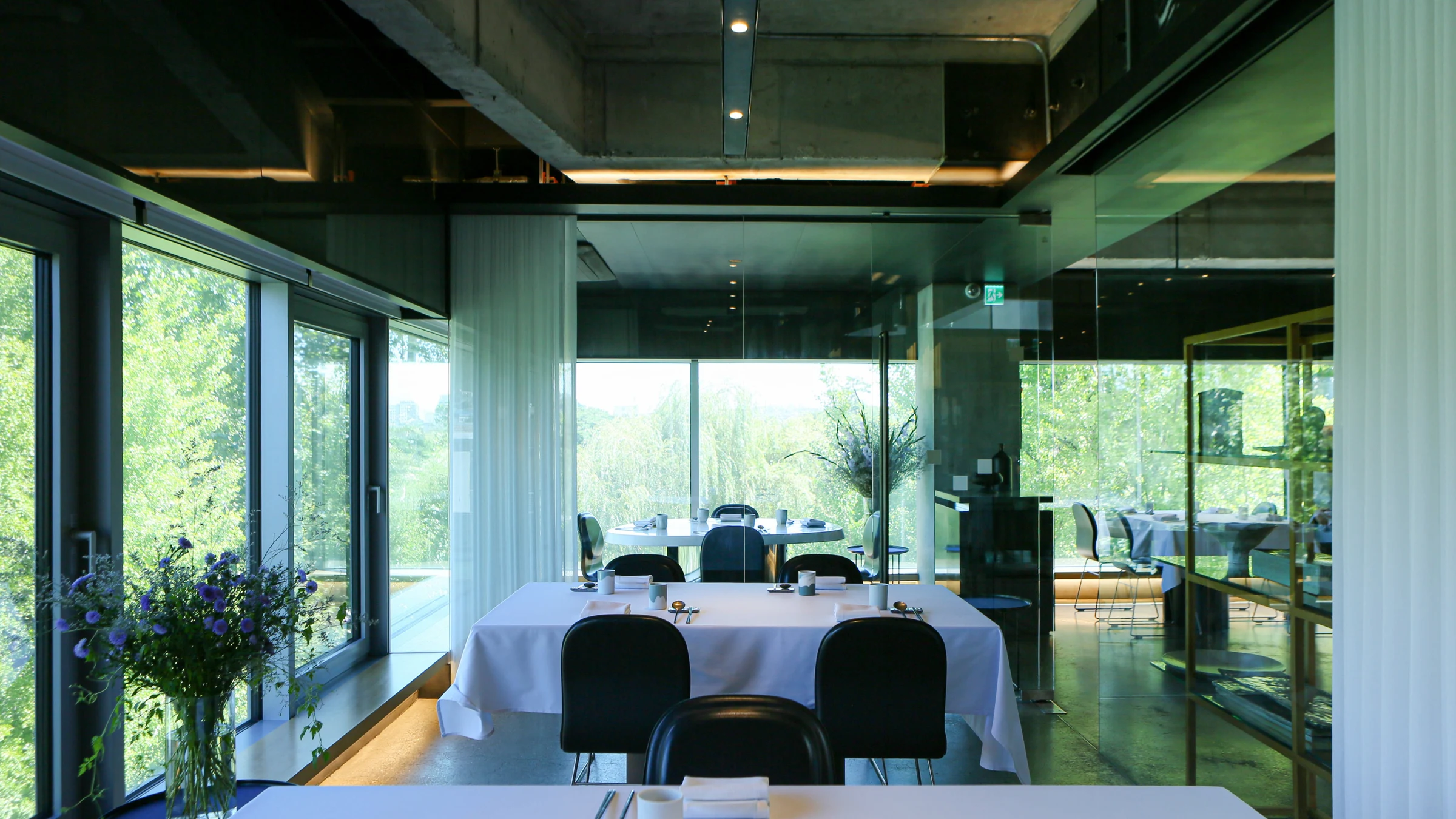
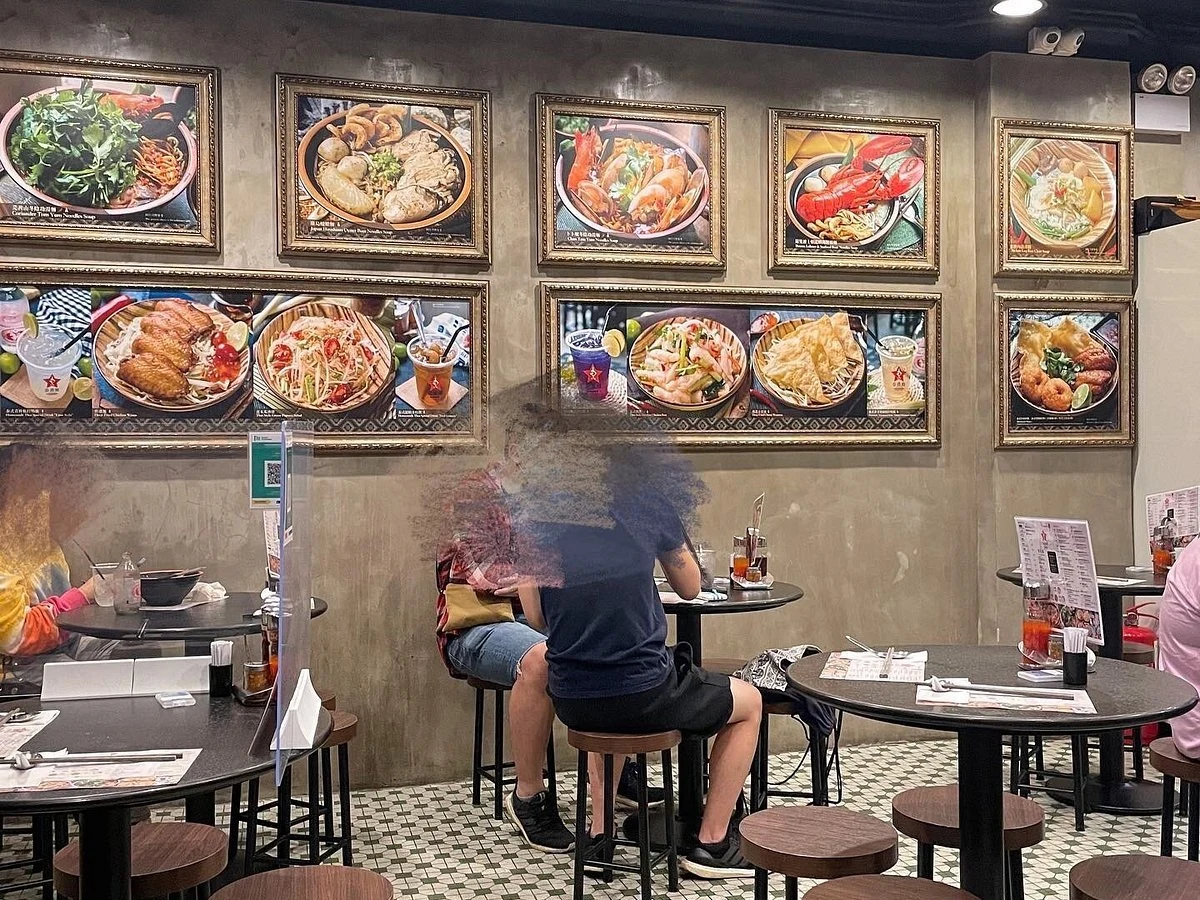
The room is spacious and plain, with conversation carrying over shared plates and the pass doing most of the persuasion. Jin Jin is not dressed to distract from the kitchen. It leaves the attention on the counter rhythm: fried pieces leaving hot oil, crab and egg white arriving soft, tofu settling into its sauce, beer and kaoliang set beside dishes built for the table rather than the individual. The menu’s restraint gives the space its pace. Guests do not read through pages of possibility; they return to the dishes the kitchen has chosen to keep in rotation. Hwang’s current work remains centered here, in the heat and timing behind Jin Jin’s stir-fried mala beef.
Questions
Frequently asked
What kind of restaurant is Jin Jin?
Jin Jin is a Traditional Chinese restaurant in Mapo-gu, Seoul, shaped by Chef Hwang Jin-seon through controlled Korean-style Chinese cooking and a lean traditional menu.
What is the menu like at Jin Jin?
The menu is limited to 10 dishes and stays away from familiar staples such as jjajangmyeon, jjamppong, and tangsuyuk. Signatures include shrimp toast, menbosha, mapo tofu, stir-fried beef with gai lan, and stir-fried crab meat with egg white.
Is Jin Jin recognised by Michelin?
Jin Jin holds a Michelin Bib Gourmand recognition.
What are the booking and visit details?
Reservations are recommended, and bookings are made directly. The restaurant is at 60 World Cup buk-ro 1-gil, Mapo-gu, Seoul, South Korea, with street parking and a smart casual dress code.
The field
How it compares
| Place | Cuisine | Notes | Awards |
|---|---|---|---|
| Jin Jin | Traditional Chinese | Seongsan-dong, $$ | · |
| alla prima | Modern Fusion Fine Dining | Seoul | Michelin 2 Stars, World's 50 Best |
| Eatanic Garden | Modern Korean Contemporary | Seoul | Michelin 1 Star, World's 50 Best |
| Evett | Modern Innovative Korean | Seoul | Michelin 2 Stars |
| Jungsik | Modern Korean Fine Dining | Seoul | Michelin 2 Stars, World's 50 Best |
| Mingles | Modern Korean Fine Dining | Seoul | Michelin 3 Stars, World's 50 Best |
| Onjium | Modern Korean Royal Court Cuisine | Seoul | Michelin 1 Star, World's 50 Best |
Similar places
Modern Fusion Fine Dining
alla prima
Seoul, South Korea
★★ · 50 Best
Modern Korean Contemporary
Eatanic Garden
Seoul, South Korea
★ · 50 Best
Modern Innovative Korean
Evett
Seoul, South Korea
★★
Modern Korean Fine Dining
Jungsik
Seoul, South Korea
★★ · 50 Best
Modern Korean Fine Dining
Mingles
Seoul, South Korea
★★★ · 50 Best
Modern Korean Royal Court Cuisine
Onjium
Seoul, South Korea
★ · 50 Best