Junoon
In Residence
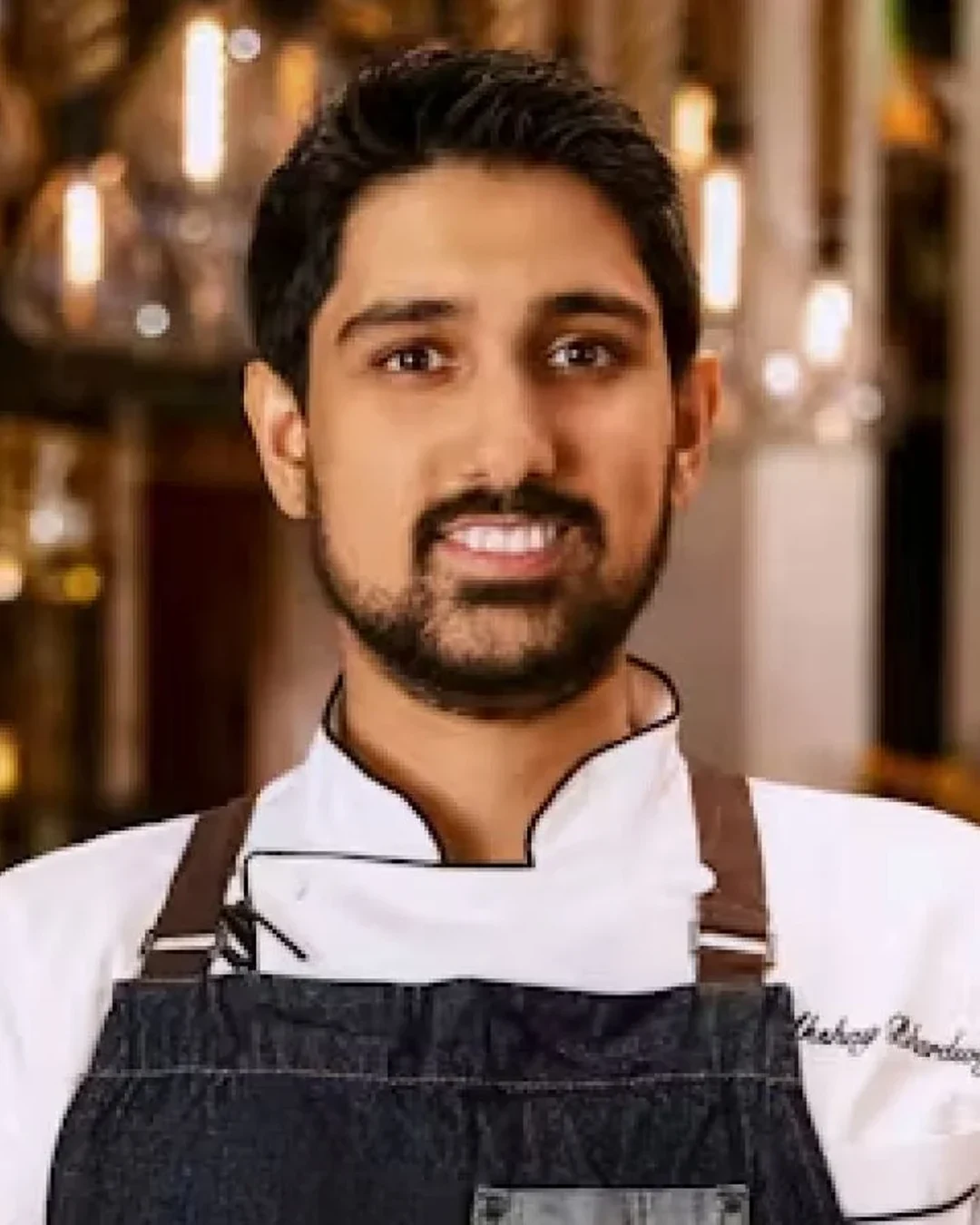
Akshay Bhardwaj
Chef
- 01CuisineModern Indian Fine Dining
- 02CityNew York City, United States
- Wine Spectator · Tier 2
- Star Wine List · 2026
- Wine Spectator Best of Award of Excellence · 2026
- Opinionated About Dining Casual in North America Recommended · 2026
- Michelin Plate · 2025
- Opinionated About Dining Casual in North America Ranked #335 · 2025
- Wine Spectator Best of Award of Excellence · 2025
- Opinionated About Dining Casual in North America Ranked #406 · 2024
- Opinionated About Dining Casual in North America Recommended · 2023
- World's Best Wine Lists Awards WBWL 3-Star · 2022
Spice as Structure: How Junoon Reads Indian Cuisine in a Flatiron Room
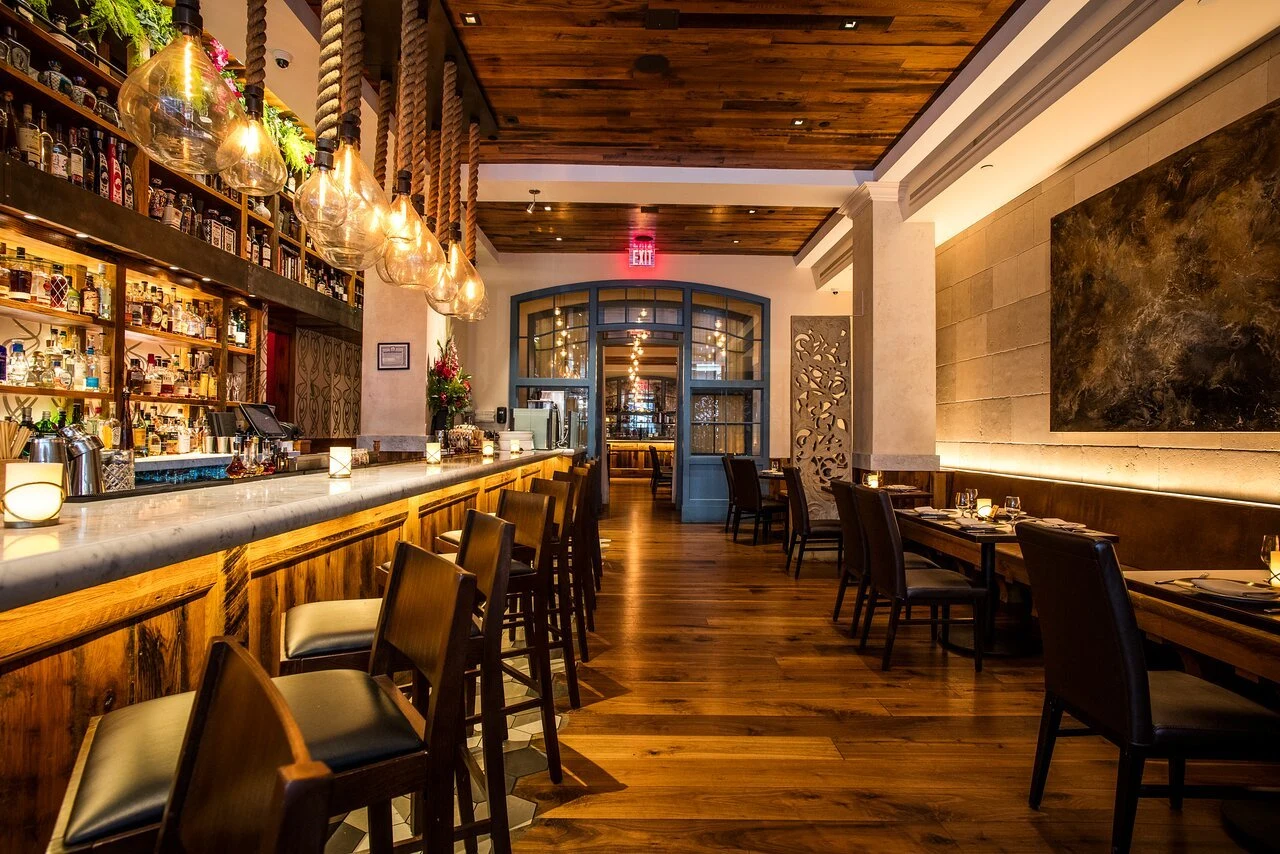
Walk into 19 W 24th Street on any weekday evening and the room gives you its thesis before the menu arrives. Pendant lights strung with thick grass ropes hang above a gleaming white marble bar; vintage mirrors line the walls. The aesthetic is deliberate without being labored, a design language that positions Junoon inside the tier of New York Indian dining that treats the dining room as seriously as the spice cabinet. That tier is small, and the competition is specific.
New York's upper bracket of Indian restaurants has thinned and sharpened over the past decade. A generation of midrange curry houses has given way to a cleaner split: neighborhood spots with regional specificity at one end, and technically ambitious, wine-forward rooms at the other. Junoon sits firmly in the second group, alongside addresses like aRoqa and Bungalow, where the premise is that Indian cooking can hold a cellar of Burgundy and California without apology.
The Sunday letter
Find new places through the people who run them.
Our Sunday email brings you the chefs, winemakers and hoteliers behind our newest stories. See a sample before you subscribe.
See a sample of the Sunday emailOne email a week. Unsubscribe from any issue.
The Architecture of Spice
What separates serious Indian kitchens from competent ones is rarely heat. It is sequence: when a spice enters the cooking process, in what form, and what it is meant to do structurally rather than decoratively. Whole spices bloomed in fat at the beginning of a dish create a flavor base that ground spices added mid-cook cannot replicate. Tempered mustard seeds and curry leaves dropped into a finished dal behave differently from the same ingredients cooked into the base. French cooking has codified mother sauces; Indian cooking has codified spice technique, and the two traditions require comparable technical rigor to execute correctly.
Junoon's menu, under Chef Akshay Bhardwaj, operates within that framework. The tuna puchka, three bite-sized semolina puffs filled with finely diced raw tuna and finished with caviar, is not a fusion gesture but a structural one: the puchka shell provides crunch and neutral starch, the raw tuna supplies clean protein, and the caviar adds brine where a more traditional version might use tamarind water. The Assamese tile fish curry arrives in a tomato base with gentle heat and cilantro, which places it in a tradition where the acid of tomato and the brightness of fresh herb do the work that a heavier cream sauce might do elsewhere. The dal makhani, a dish whose quality is entirely a function of how long it has cooked and how the spice layering was built, comes with house-spiced naan, an indication that the kitchen treats its bread as part of the spice delivery system, not an afterthought.
The dessert move is worth noting specifically: a Madras curry-scented whipped cream infused with condensed milk. Using curry as a dessert seasoning requires calibration at the level of a pastry chef working with salt or acid, too much and the dish becomes savory, too little and the point is lost. That it reads as a proper finish rather than a concept exercise says something about where the kitchen's spice literacy sits.
The Wine Program as Peer Signal
A White Star from Star Wine List, published August 2022, places Junoon inside a small cohort of non-European restaurants that have built cellars with genuine depth and curation. The program runs to 300 selections and approximately 1,500 bottles of inventory, with declared strengths in Burgundy, France broadly, California, and Germany. Wine Director Michael Dolinski and Sommelier Young Kim oversee a list priced at the $$$ tier, meaning the cellar carries significant $100-plus bottle representation.
The pairing logic here is more considered than it might appear. Burgundy's acid-driven Pinot Noir and Chardonnay work with spiced food in ways that big tannic reds do not; Germany's Riesling spectrum, from bone-dry Mosel to off-dry Spätlese, is arguably the most spice-compatible wine category in the world. That Junoon's list concentrates there rather than in the prestige Cabernet tier, the default flex position for expensive New York restaurants, reads as an informed decision rather than an inventory gap. For comparison, globally ambitious Indian addresses like Trèsind Studio in Dubai and Opheem in Birmingham have built their wine programs around similar logic: the cellar should work with the cuisine, not run parallel to it.
The corkage fee is set at $55, relevant information for guests who want to bring a specific bottle from their own cellar to pair with a particular course.
Where Junoon Sits in the New York Context
Flatiron location places Junoon in a dining corridor that has supported ambitious mid-to-high price point restaurants for two decades. The $$$+ cuisine pricing (meals above $66 for a two-course baseline, excluding beverages) aligns it with technically serious kitchens in the neighborhood rather than with the broader Indian restaurant ecosystem in the outer boroughs, where addresses like Hyderabadi Zaiqa operate at a completely different price and format register.
Within New York's Indian dining specifically, the comparable set includes Cardamom and Chola, though Junoon's wine program depth distinguishes it from both. Among the wider New York fine dining population, a category that includes technically demanding rooms like Alinea in Chicago, Lazy Bear in San Francisco, and The French Laundry in Napa, Junoon occupies a distinct niche: a cuisine tradition with its own technical architecture, served in a room and with a wine list that places it in conversation with European-rooted fine dining rather than simply adjacent to it. American restaurants operating at comparable technical levels, from Emeril's in New Orleans to Providence in Los Angeles and Single Thread Farm in Healdsburg, each operate within their own regional and ingredient frameworks. Junoon's framework happens to be one of the world's oldest and most codified spice traditions, applied inside a room that expects both the cellar and the kitchen to justify the price.
The Google rating of 4.4 across 4,354 reviews is, for this category and price point in New York, a sign of consistent execution.
Planning Your Visit
Quick reference: Junoon, 19 W 24th St, New York, NY 10010. Lunch Fri–Sun, dinner Mon–Thu. Cuisine pricing at $$$$. Corkage $55.
Questions
Frequently asked
Who works at Junoon?
Made By profiles Akshay Bhardwaj (Chef) and Hemant Pathak (Other) at Junoon.
How expensive is Junoon?
Junoon is listed at a price level of $$$$.
Where is Junoon and what does it serve?
Junoon is in Midtown South-Flatiron-Union Square, New York City, serving Modern Indian Fine Dining.
The field
How it compares
| Place | Cuisine | Notes | Awards |
|---|---|---|---|
| Junoon | Modern Indian Fine Dining | Midtown South-Flatiron-Union Square, $$$$ | · |
| Atomix | Modern Korean Tasting Menu | New York City | Michelin 2 Stars, World's 50 Best |
| Daniel | Modern French Fine Dining | New York City | Michelin 1 Star, World's 50 Best |
| Eleven Madison Park | Contemporary Plant-Based Fine Dining | New York City | Michelin 3 Stars, World's 50 Best |
| Jungsik New York | Modern Korean Fine Dining | New York City | Michelin 3 Stars, World's 50 Best |
| Kabawa | Modern Caribbean Prix Fixe | New York City | World's 50 Best |
| Le Bernardin | French Seafood Fine Dining | New York City | Michelin 3 Stars, World's 50 Best |
In residence

Similar places
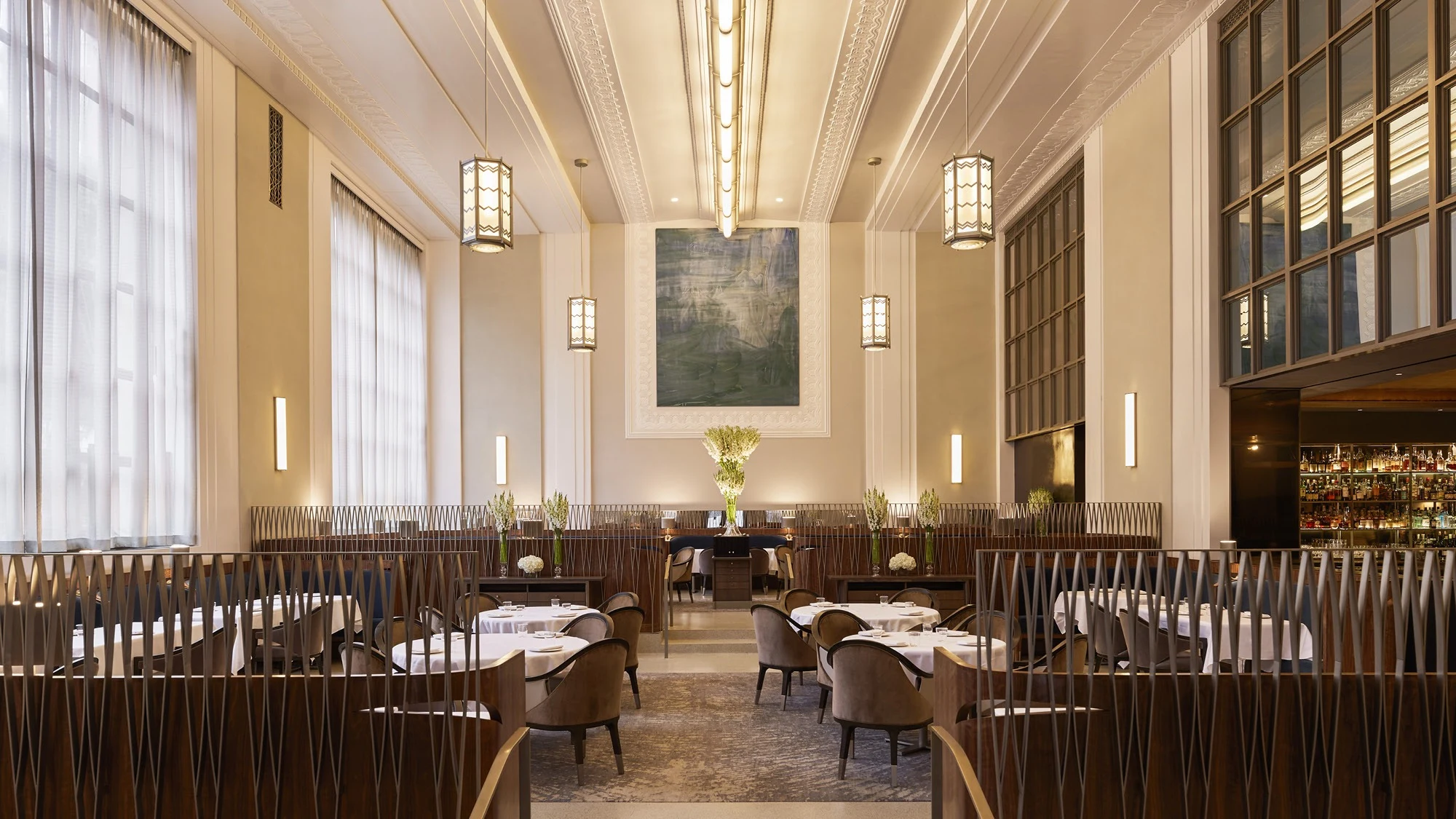
Modern Korean Tasting Menu
Atomix
New York City, United States
★★ · 50 Best
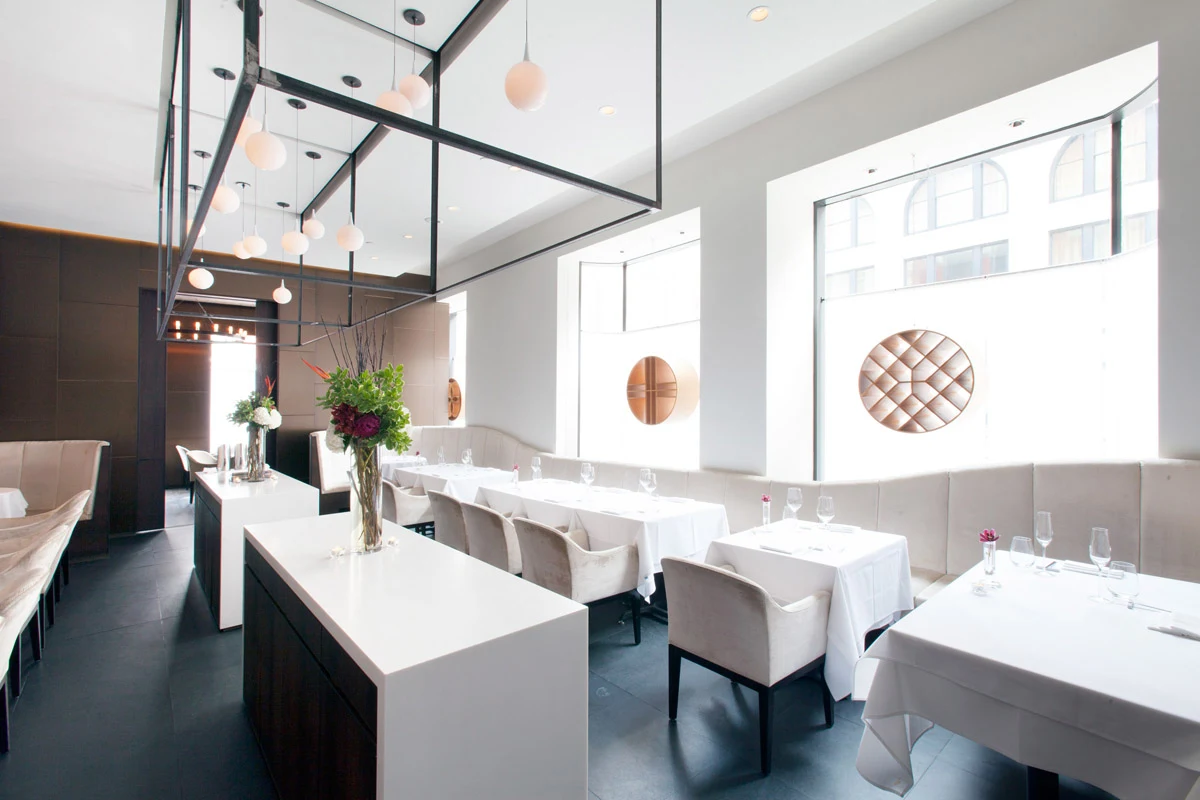
Modern French Fine Dining
Daniel
New York City, United States
★ · 50 Best
Contemporary Plant-Based Fine Dining
Eleven Madison Park
New York City, United States
★★★ · 50 Best
Modern Korean Fine Dining
Jungsik New York
New York City, United States
★★★ · 50 Best
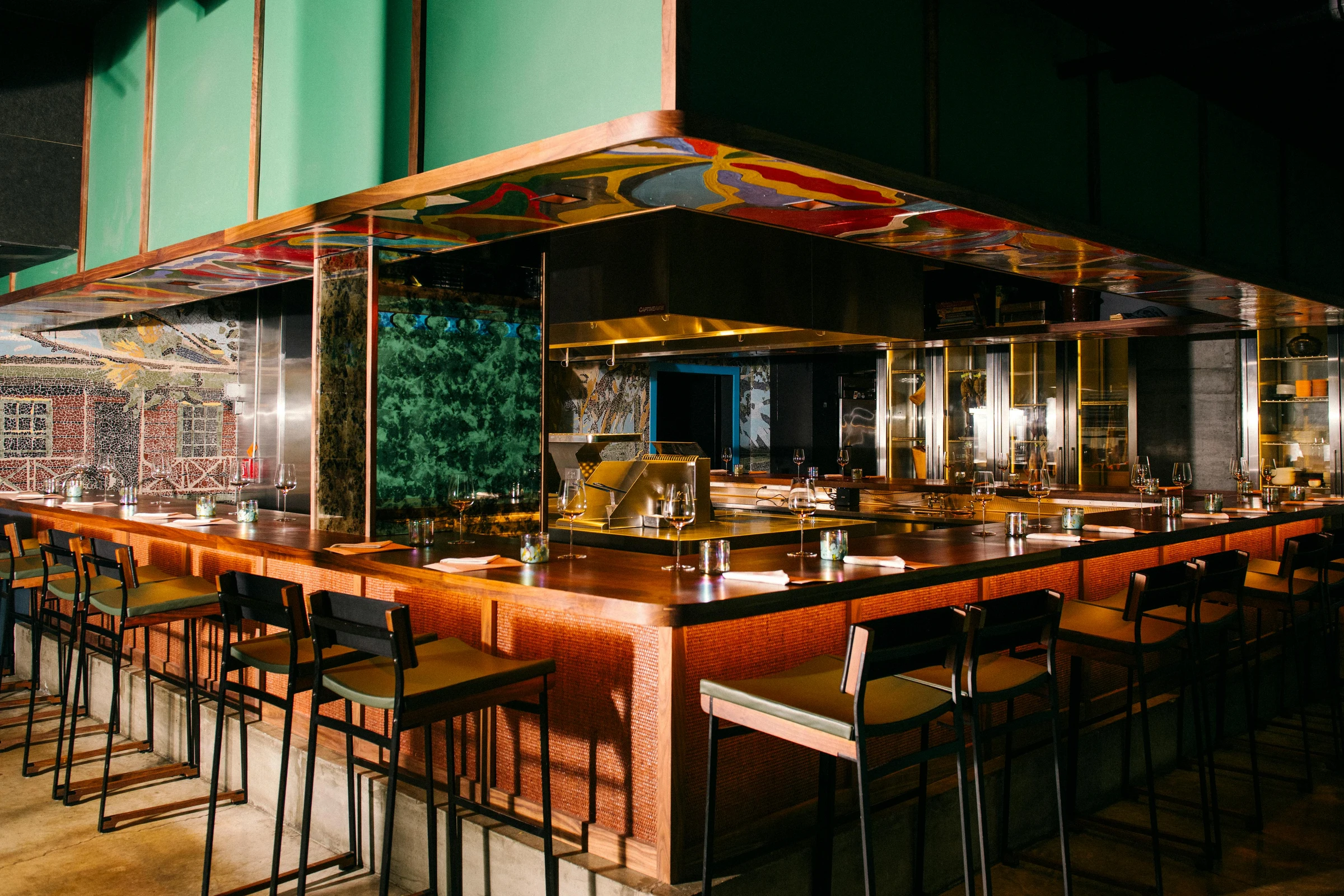
Modern Caribbean Prix Fixe
Kabawa
New York City, United States
50 Best
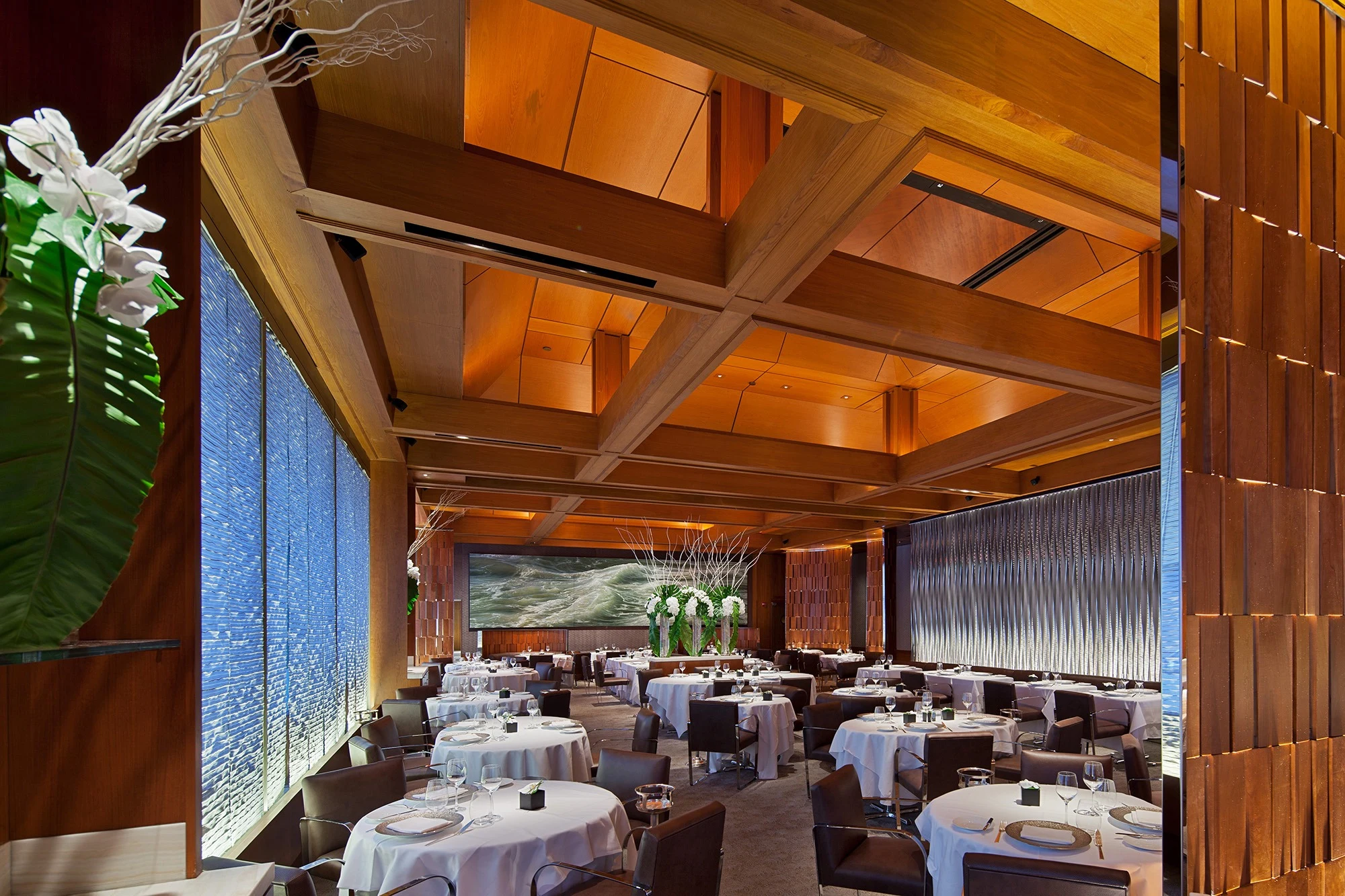
French Seafood Fine Dining
Le Bernardin
New York City, United States
★★★ · 50 Best
The Sunday letter
Get the next Made By story in your inbox.
We send one email every Sunday morning with the places and people we covered that week.
See a sample of the Sunday emailOne email a week. Unsubscribe from any issue.