Kaiseki Furukawa
In Residence
Shigeyuki Furukawa
Chef
- 01CuisineTraditional Japanese Kaiseki Tasting Menu
- 02CityMinneapolis, United States
Ten courses at the counter
A counter held to the season
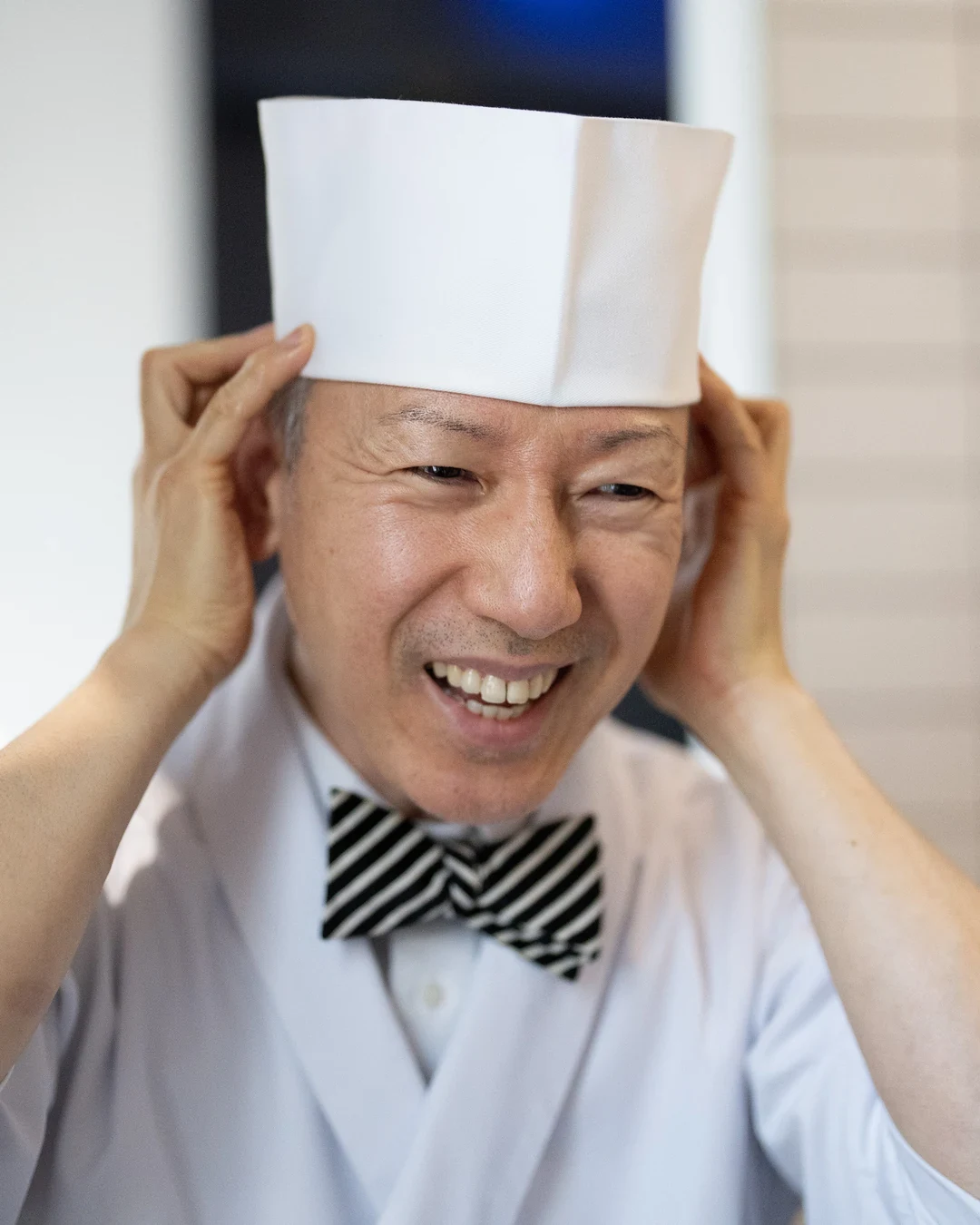
Chilled nagaimo somen arrives with okra and corn in tomato dashi before Shigeyuki Furukawa, Chef at Kaiseki Furukawa in Minneapolis, lets the meal move into its next register. His station is the second-floor chef’s counter at Kado no Mise, where the kaiseki program carries his name and his founding chef and co-owner title. Furukawa was born in Japan, became a kaiseki chef in Tokyo, then moved to Kyoto to work directly with master kaiseki chefs and deepen his command of the cuisine. The house does not name those teachers, but it does place his training inside the Tokyo and Kyoto lineages closest to the form. Kaiseki Furukawa opened in 2017 after five years in development, a long preparation for a room built around sequence rather than choice. Furukawa’s work here is not an extension of a broad Japanese menu. It is a formal progression, rooted in tea ceremony traditions from 16th-century Kyoto, with the chef’s counter as the place where timing, temperature, and season meet the guest directly.
Ten courses, each with its own task
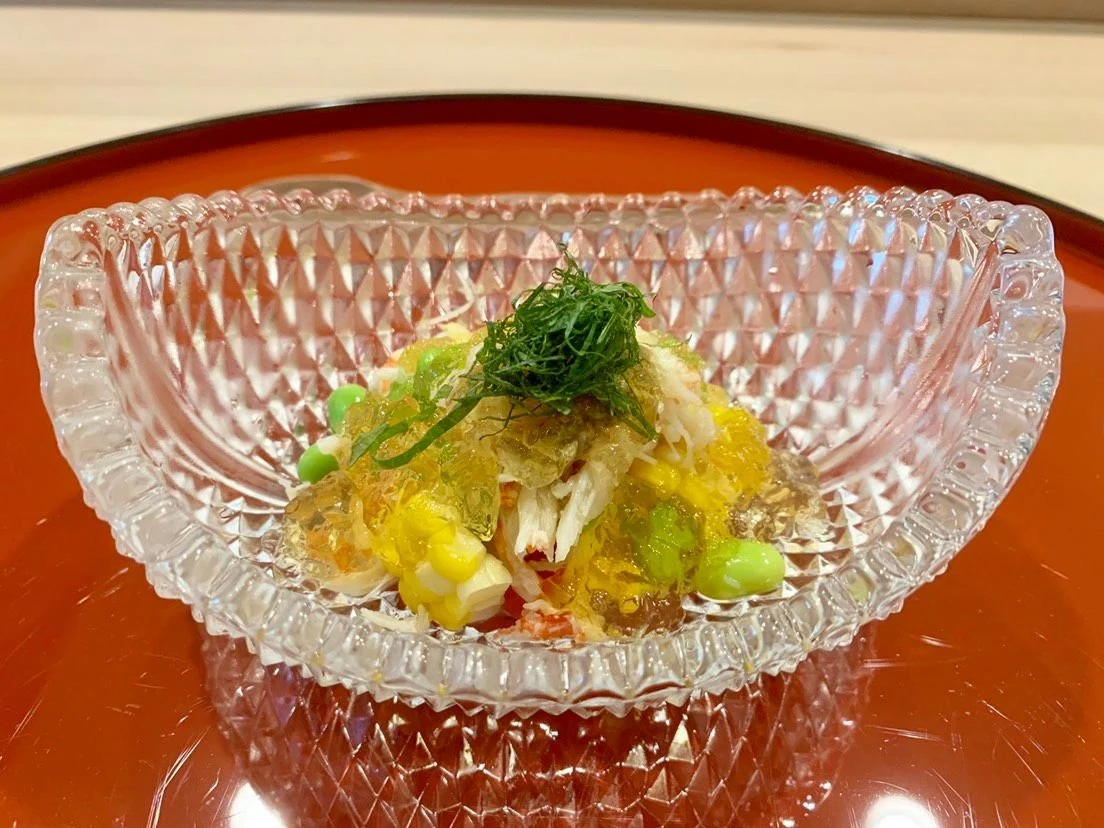
The structure is a 10-course seasonal kaiseki tasting menu, and the course names matter: Sakizuke, Hassun, Wanmono, Tsukuri, Yakimono, Hiyashibachi, Sunomono, Shokuji, Mizugashi, and Okashi. They give the kitchen a grammar. One course opens the appetite, another gathers the season on a platter, another turns to clear broth, sashimi, the grill, a chilled vegetable preparation, vinegar, rice, fruit, and confection. In a July 2026 menu, the summer festival platter brought sawagani, chimaki sushi, and hamo pike eel; the clear dashi broth held hamo pike eel, lotus bud, zucchini, and yuzu. Salt-grilled whole ayu came with hajikami ginger. Later, hagama-cooked Yumepirika carried summer sweet corn beside tsukemono and hatcho miso soup. The method leaves little room for casual substitution because dashi, soy, fish, rice, and seasonal produce are not accessories here. They are the frame. Ingredient availability changes the expression, but the progression keeps its discipline.
The second-floor counter
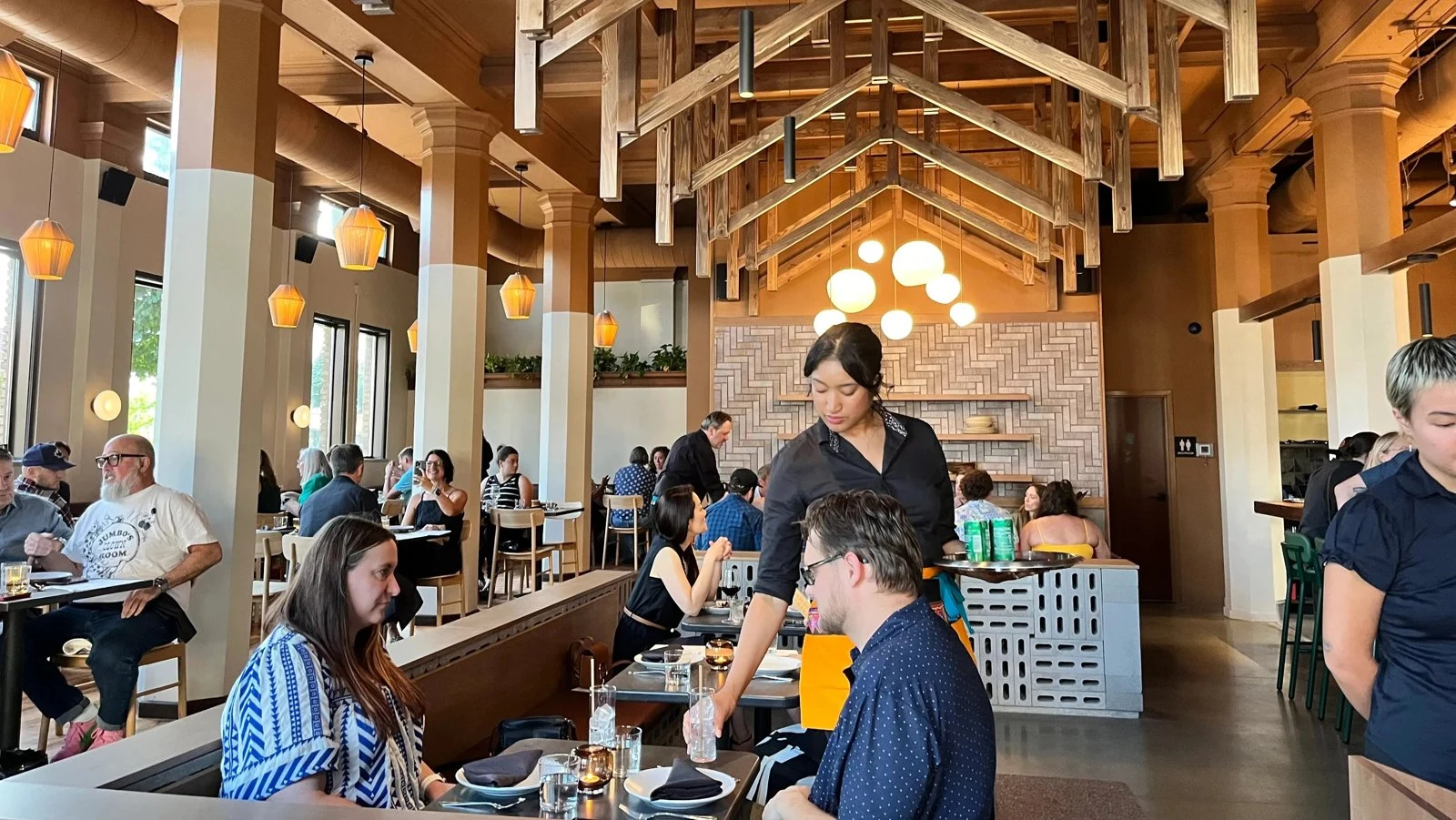
The room sits above the street, separated from the lower level by more than stairs. At the second-floor chef’s counter, the meal asks for quiet attention. The format narrows the distance between the hands and the plate; each course reaches the guest after a short pass, not after a long procession through a dining room. The atmosphere follows the cuisine: restrained lighting, formal pacing, a counter built for watching the sequence rather than surveying a crowd. Minneapolis can feel far from Kyoto in weather and latitude, but the room makes the distance less important than the gesture. A chilled vegetable course with Kamo Nasu, blue prawn, manganji pepper, and kabocha squash can carry the season without explaining it. So can Japanese muskmelon and mizu yokan at the close. Furukawa’s next course is still measured by the counter at Kaiseki Furukawa.
Questions
Frequently asked
What kind of restaurant is Kaiseki Furukawa?
Kaiseki Furukawa is a Japanese kaiseki restaurant in Minneapolis’s North Loop. It serves a seasonal 10-course tasting menu at a chef’s counter.
Who leads the kitchen at Kaiseki Furukawa?
Chef Shigeyuki Furukawa leads the kaiseki program. The page describes him as the founding chef and co-owner, and says he was born in Japan, trained as a kaiseki chef in Tokyo, and later worked in Kyoto with master kaiseki chefs.
What is the dining format there?
The meal follows a fixed 10-course progression with named sections such as Sakizuke, Hassun, Wanmono, Tsukuri, Yakimono, Hiyashibachi, Sunomono, Shokuji, Mizugashi, and Okashi. The kitchen works with the season, so the menu changes with ingredient availability.
How should I plan a visit?
Reservations are essential. The dress code is smart casual, and there is nearby garage parking.
What should I expect to pay?
Kaiseki Furukawa is in the highest price tier, with an approximate cost of $213 per person.
The field
How it compares
| Place | Cuisine | Notes | Awards |
|---|---|---|---|
| Kaiseki Furukawa | Traditional Japanese Kaiseki Tasting Menu | North Loop, $$$$ | · |
| Atomix | Modern Korean Tasting Menu | New York City | Michelin 2 Stars, World's 50 Best |
| Belcanto | Contemporary Portuguese Fine Dining | Lisbon | Michelin 2 Stars, World's 50 Best |
| Diane’s Place | Hmong American | Minneapolis | World's 50 Best |
| Gabriel Kreuther | Modern Alsatian-French Fine Dining | New York City | Michelin 2 Stars |
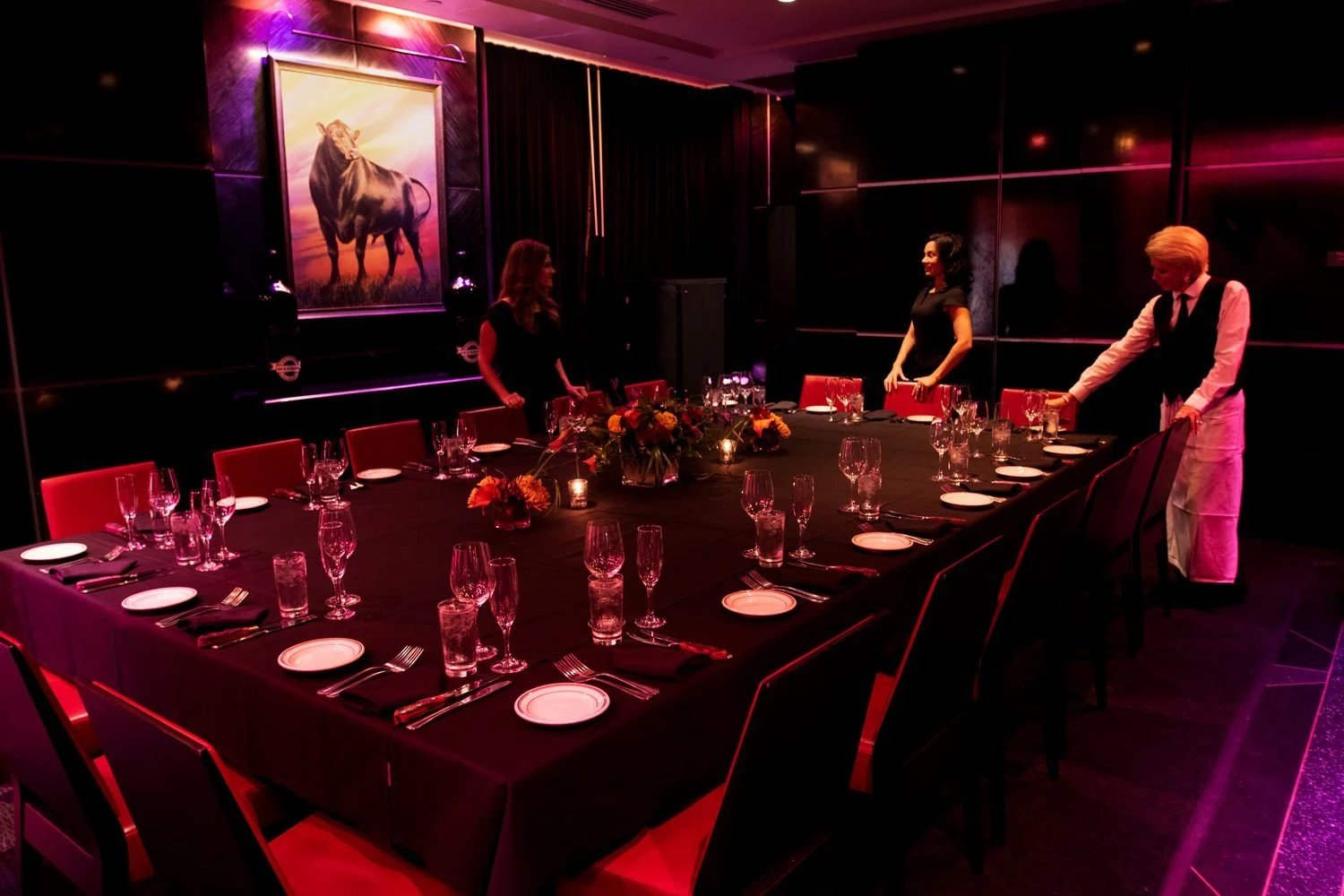
| Manny’s Steakhouse | Classic American Steakhouse | Minneapolis | · |
| Vinai | Modern Hmong Fine Dining | Minneapolis | · |
In residence
Similar places
Modern Korean Tasting Menu
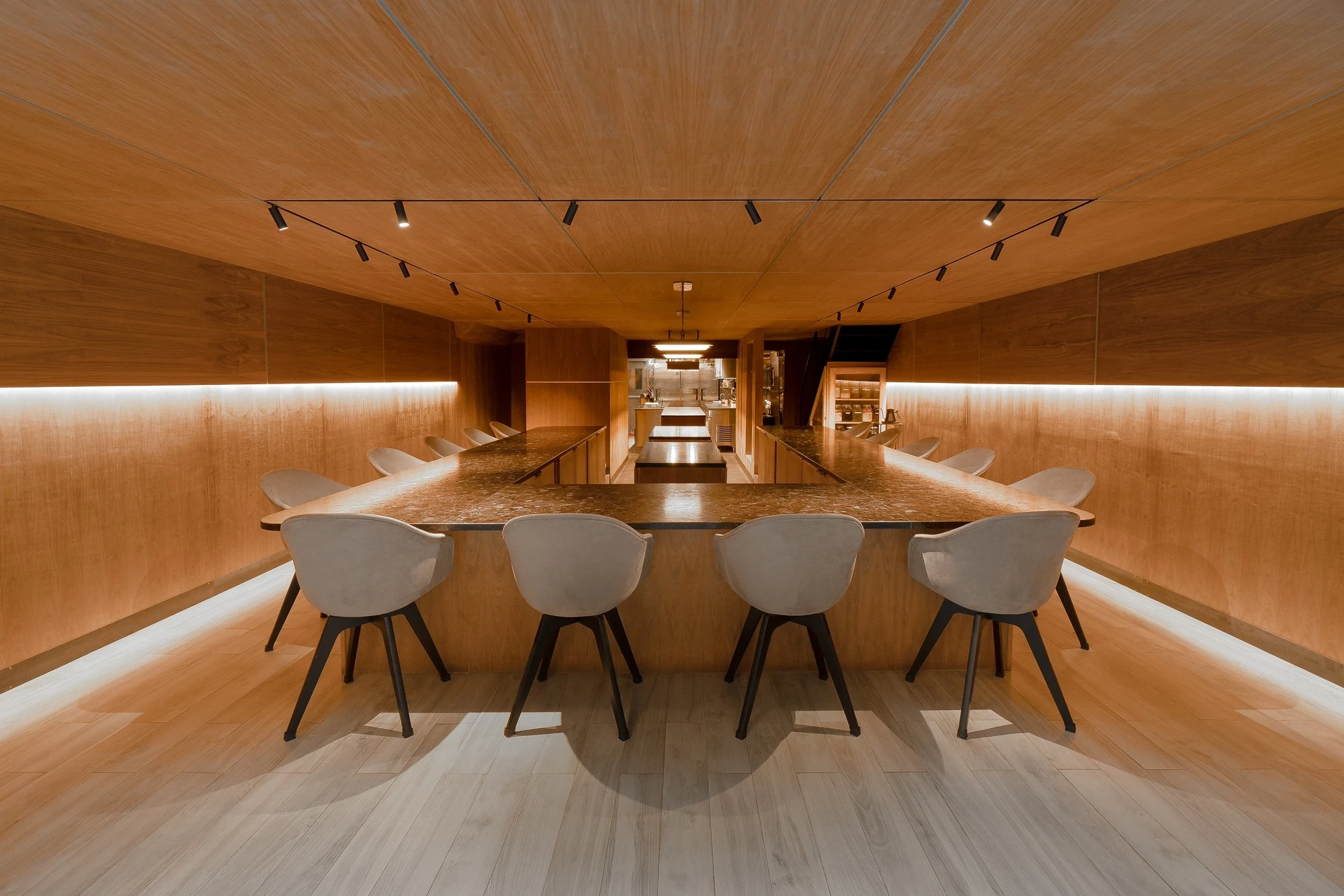
Atomix
New York City, United States
★★ · 50 Best
Contemporary Portuguese Fine Dining
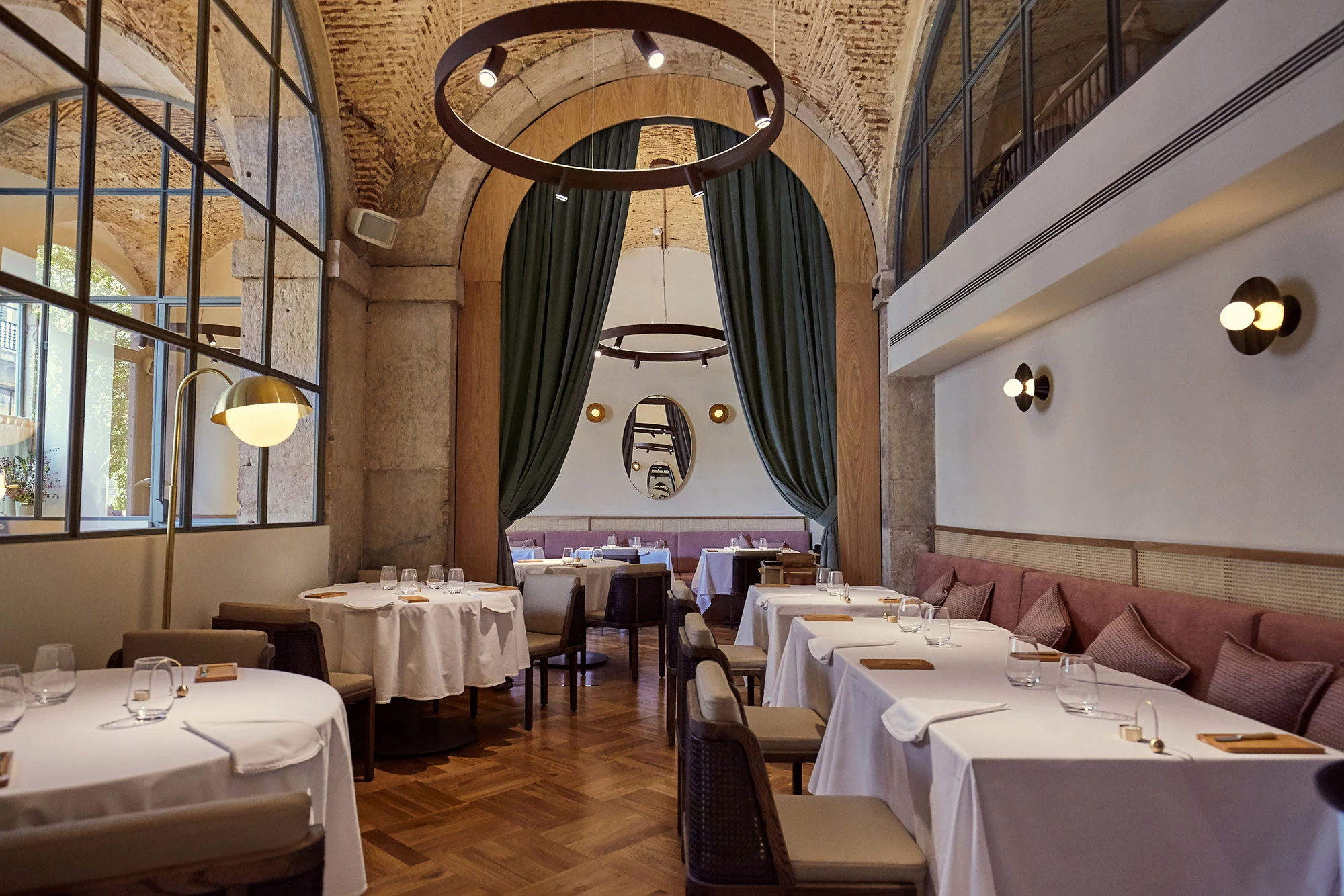
Belcanto
Lisbon, Portugal
★★ · 50 Best
Hmong American
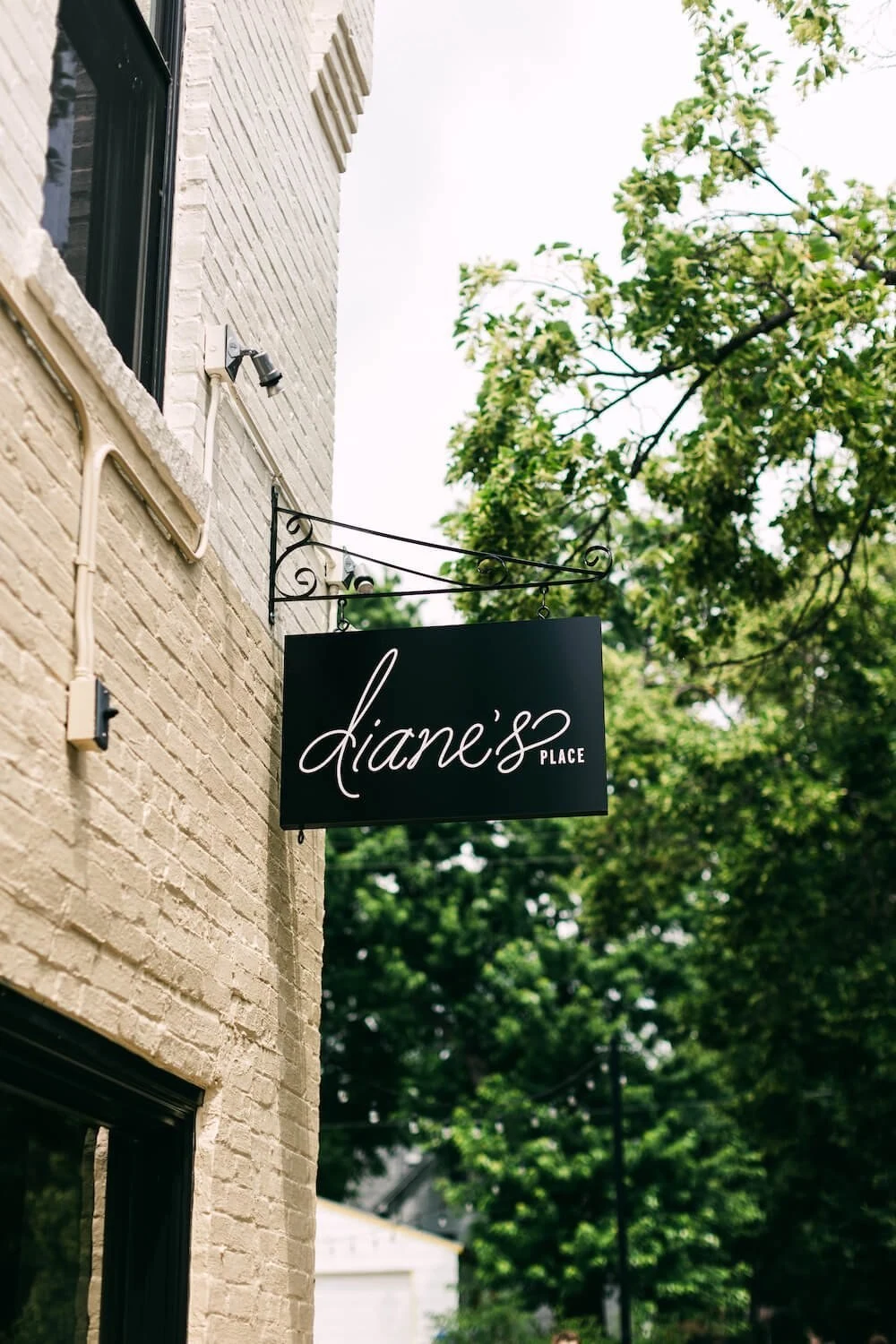
Diane’s Place
Minneapolis, United States
50 Best
Modern Alsatian-French Fine Dining
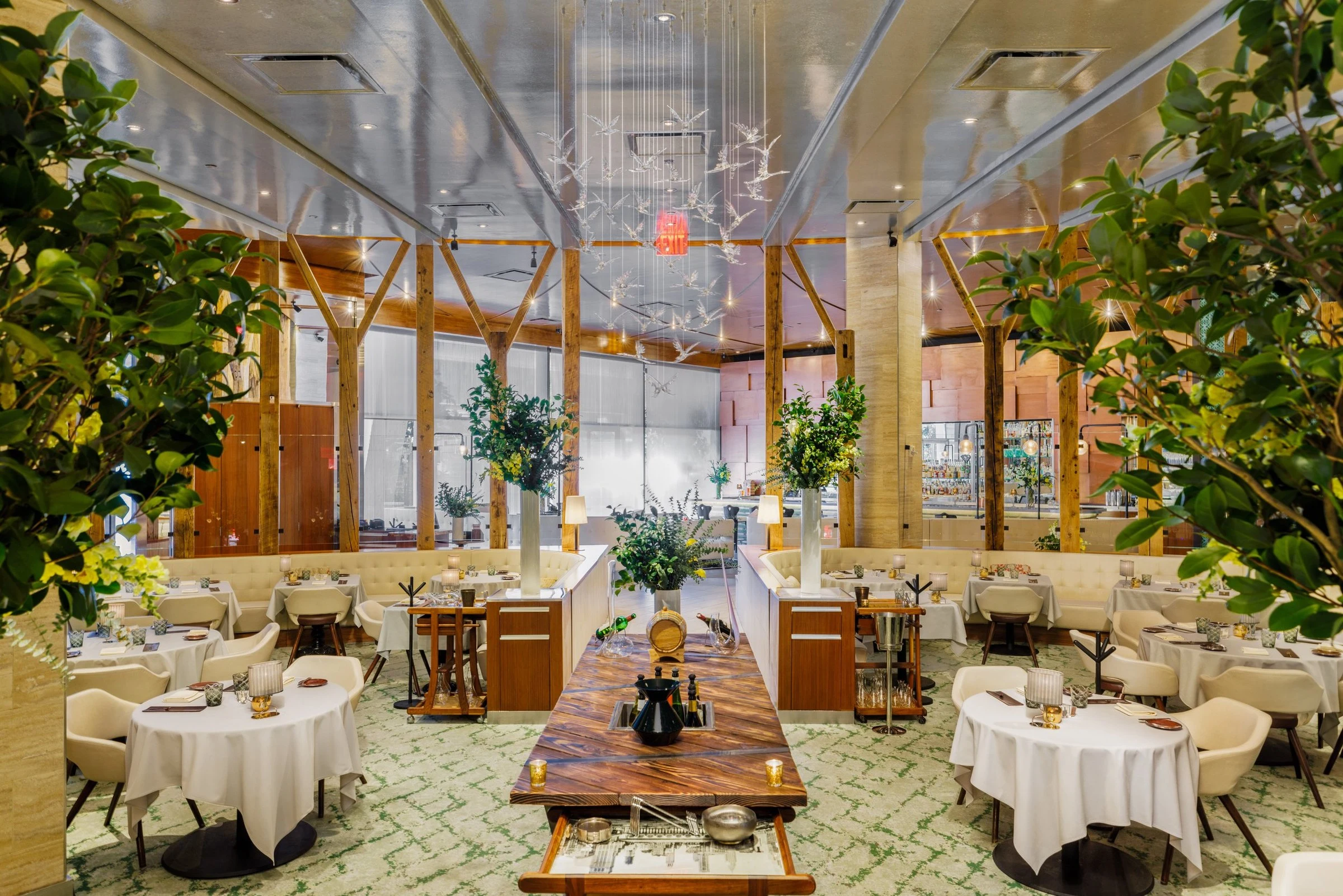
Gabriel Kreuther
New York City, United States
★★
Classic American Steakhouse
Manny’s Steakhouse
Minneapolis, United States
Modern Hmong Fine Dining
Vinai
Minneapolis, United States