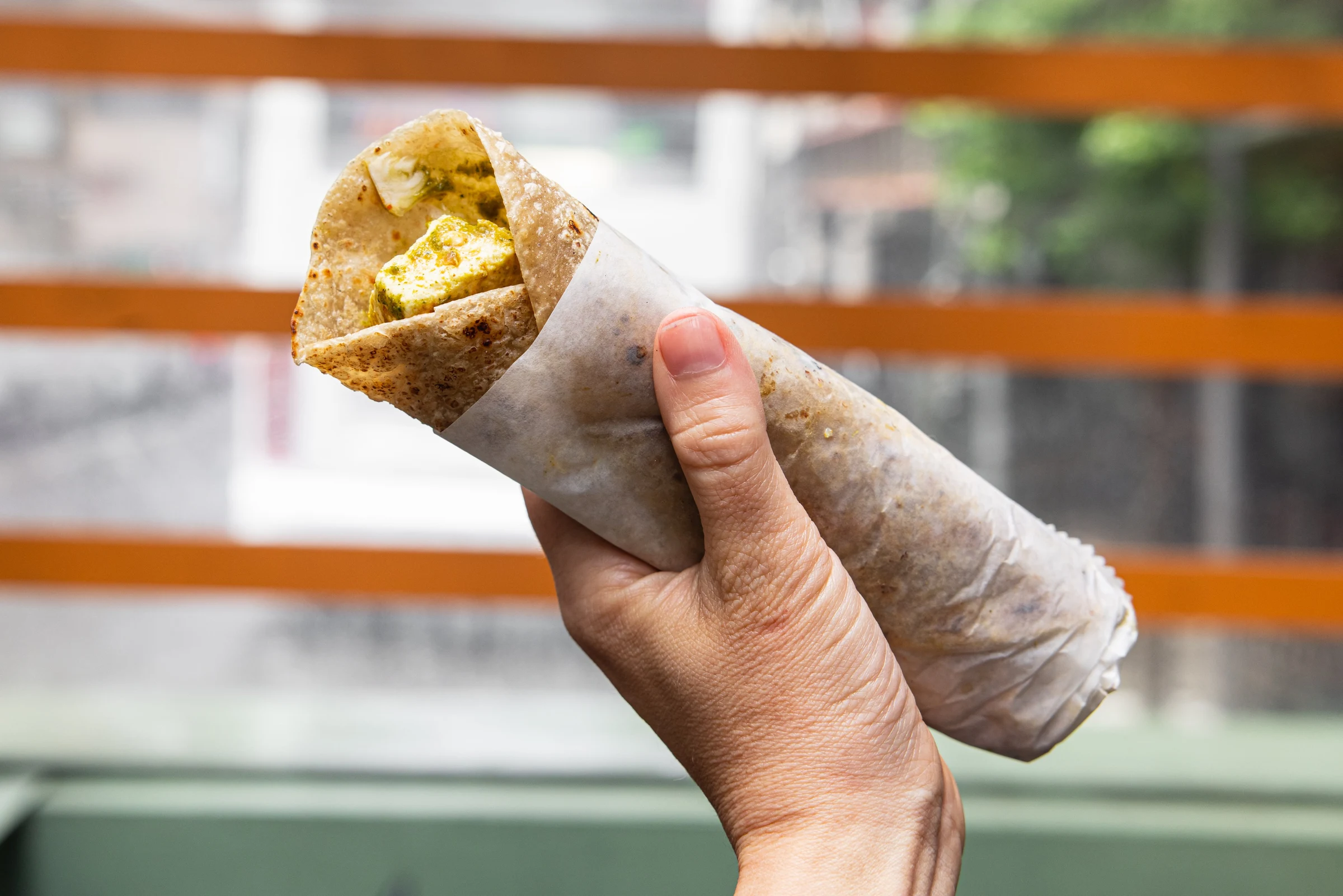
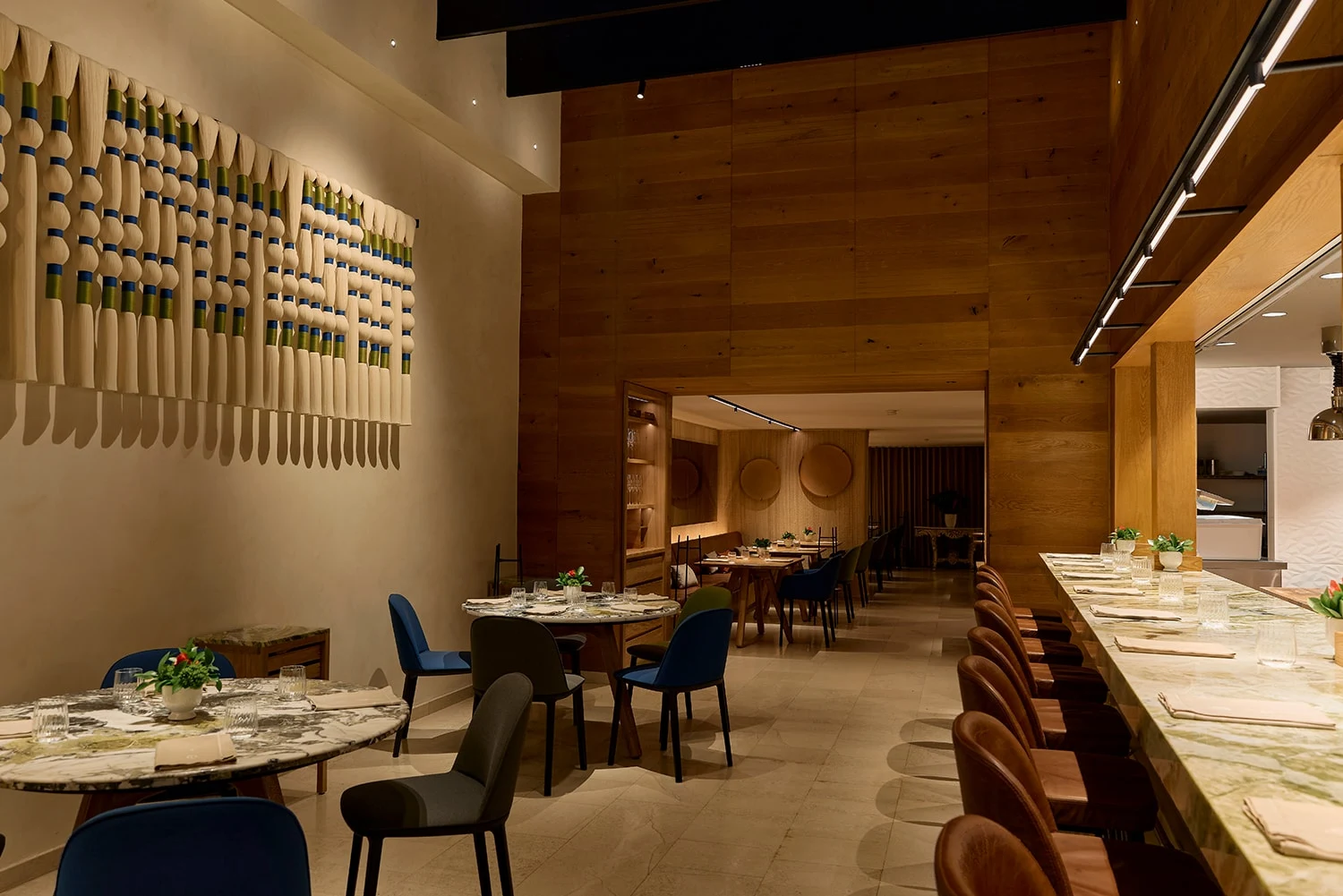
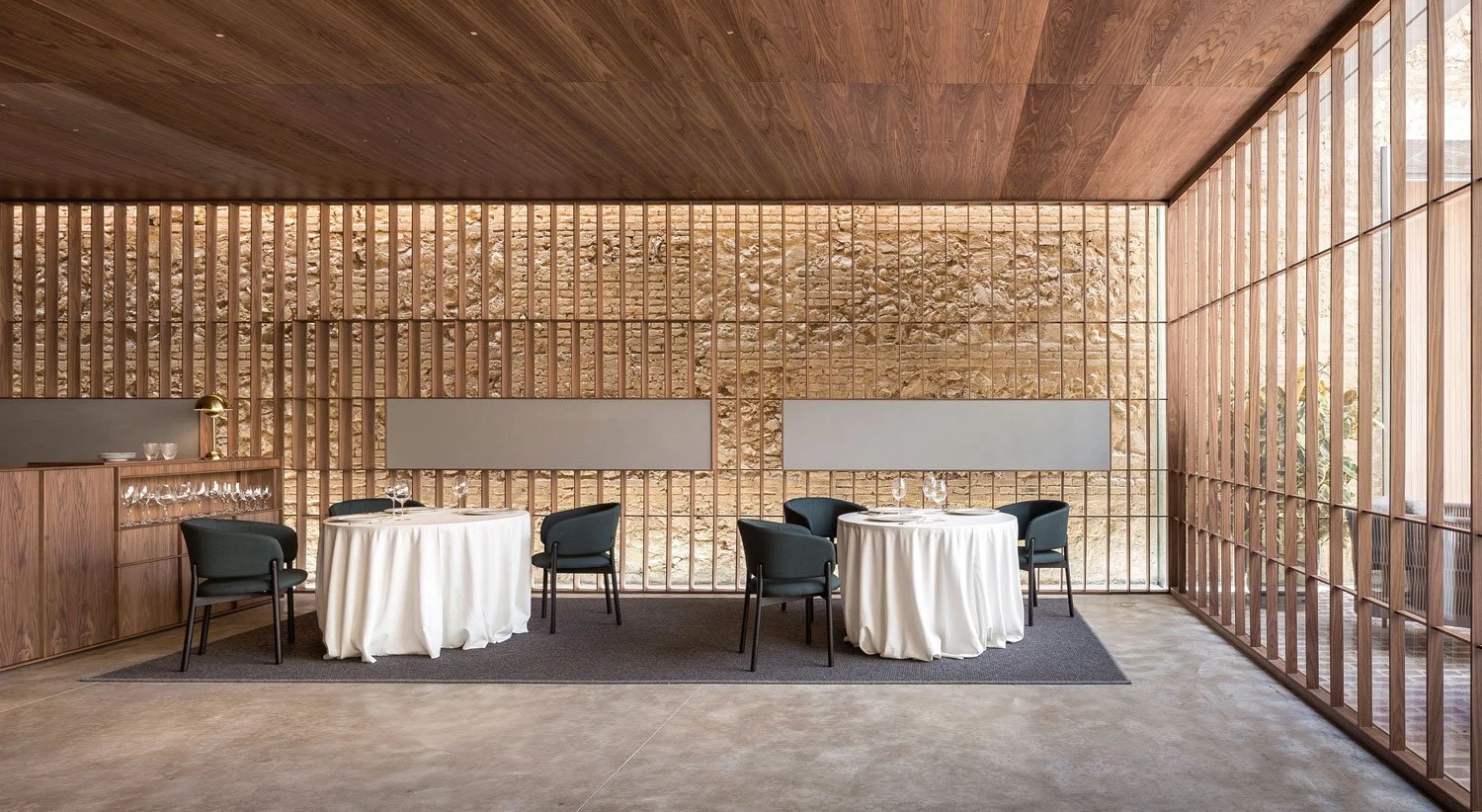
Anil Bathwal, Chef at Kati Roll Co. in Manhattan, shapes Indian kati rolls through spice mixing, testing, and staff training.
- Opinionated About Dining Cheap Eats in North America Recommended · 2026
Seasoning held inside a wrap
The spice mix comes before the wrap. Anil Bathwal, Chef at Kati Roll Co. in Manhattan, works a format that gives little cover to imprecision: Indian kati rolls, folded for the hand, built for speed, and judged in the first bite. His station is not a tasting-menu pass with room for ceremony. It is a counter-serve kitchen where repetition has to carry the craft.
Bathwal’s route to that counter did not begin in restaurant school. He trained at Lafayette College, then worked in Mumbai as a graphic artist at Ogilvy & Mather until 2000. He later held a Creative Director role at one of the world’s biggest advertising agencies until 2002. The shift from layout to kitchen is not as wide as it sounds. A roll needs proportion, negative space, edge control, and a center that does not collapse under its own seasoning.
At The Kati Roll Company, Bathwal’s titles reach beyond the stove. He is Executive Chef and Managing Director, responsible for the food and for the working system that keeps it coherent. Recipe development, spice mixing, testing, and staff training sit close together here. The bench is managerial and tactile at once: a decision about heat becomes a training note; a change in spice balance becomes a question of service rhythm.
A narrow form with little room to hide
The kati roll is a compact discipline. Bread, filling, seasoning, acid, and wrap all have to land in a small structure, and the structure has to hold while someone eats it on a sidewalk, at a desk, or after a long day in the city. Bathwal’s work sits in that constraint. He develops and tests recipes, mixes spices, and trains the hands that repeat the method through service.
The technical question is not novelty for its own sake. It is calibration. Heat has to be managed so the filling carries flavor without flattening the bread. Spice has to be layered enough to read through the wrap, but not so heavily that the roll loses its shape as food rather than heat. Seasoning, wrapping, and balance are the craft questions Bathwal returns to, because the format gives them nowhere to disappear.
His visual training still feels relevant in the work. Composition matters when a roll is assembled quickly. So does sequence. The kitchen has to teach muscle memory without letting it become careless, and Bathwal’s staff training belongs to that same discipline: repeat the gesture, test the result, adjust the standard, then repeat again.
The counter and the city pace
At 49 W 39th St, the room belongs to Manhattan’s middle hours and late edges: lunch traffic, after-work hunger, chai in hand, the compressed appetite of people who want food with shape and heat. The counter is the point of contact. Orders move forward, rolls leave wrapped, and the kitchen keeps the pace without turning the food into a loose assembly line.
The room carries signs of the restaurant’s Indian street-food reference, with old Hindi film imagery part of the atmosphere people remember. That texture matters because the food is intimate in scale. A kati roll is held, not plated for distance. The guest meets the work at the seam of the bread, where Bathwal’s recipe development and the staff’s repetition either hold together or show their weakness.
There is no need to enlarge the claim. The work at Kati Roll Co. is a narrow field pursued with control: spice mixed, heat watched, filling set, bread wrapped. Bathwal’s next move is the same one the format asks for each service, keeping the Indian kati roll clear in the hands at 49 W 39th St.
Questions
Frequently asked
Who cooks at Kati Roll Co. in Manhattan?
Anil Bathwal is the chef there. He is also Executive Chef and Managing Director at The Kati Roll Company, and his work includes recipe development, spice mixing, testing, and staff training.
What is Kati Roll Co. known for?
It is known for Indian kati rolls, folded for the hand and built for speed. The kitchen focuses on seasoning, wrapping, and balance within a compact format.
What kind of service does the restaurant use?
Kati Roll Co. Is a counter-serve kitchen. Orders move forward from the counter, and the food is prepared to keep pace with service without losing its shape.
What is the atmosphere like at the Manhattan location?
The room reflects its Indian street-food reference, and old Hindi film imagery is part of the atmosphere people remember. The setting fits lunch traffic, after-work hunger, and other busy city hours.
The field
How it compares
| Place | Cuisine | Awards | Notes |
|---|---|---|---|
| Kati Roll Co. | Indian | · | · |
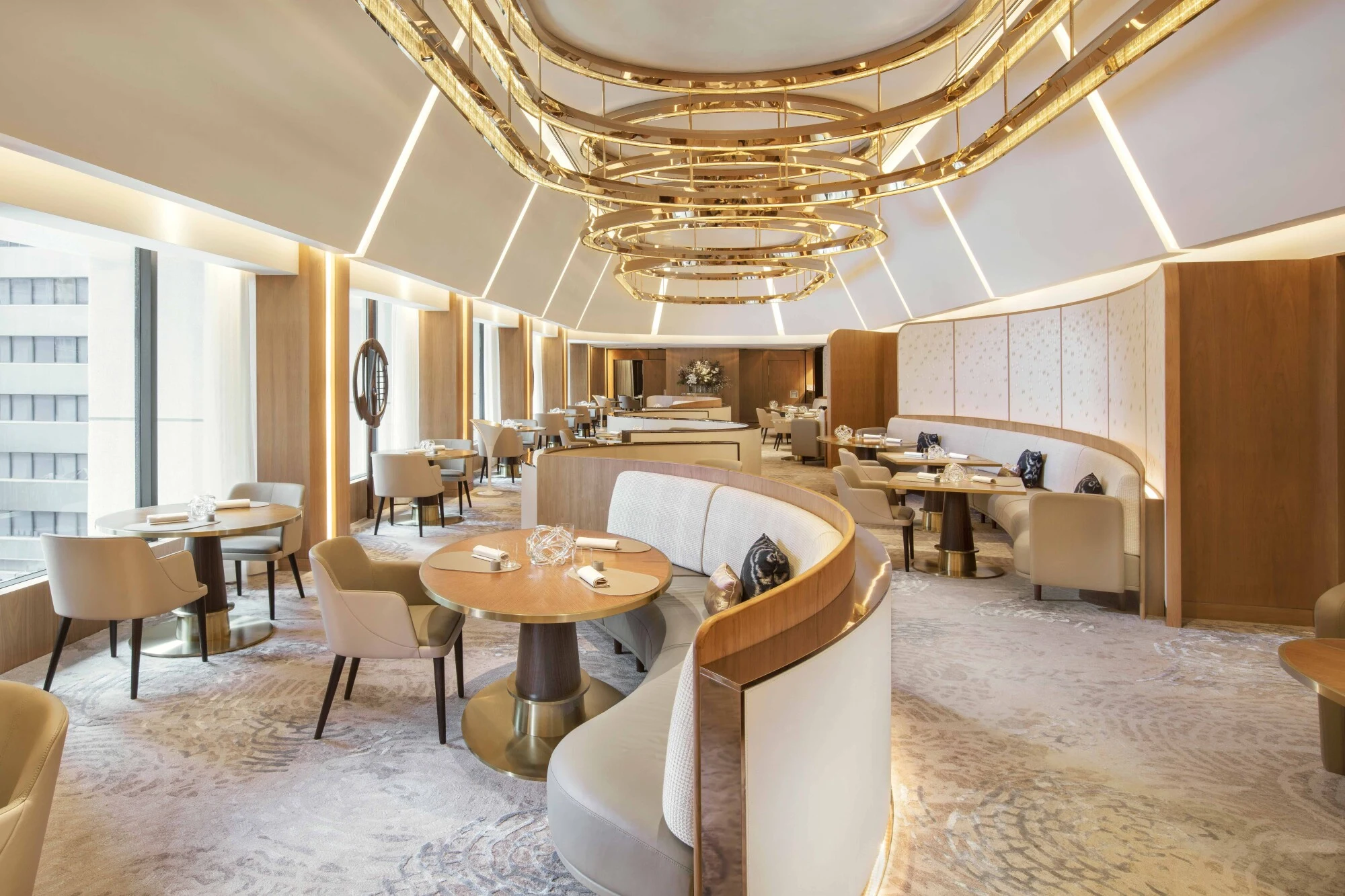
| Amber | Contemporary French Fine Dining | Michelin 3 Stars, World's 50 Best | Hong Kong |
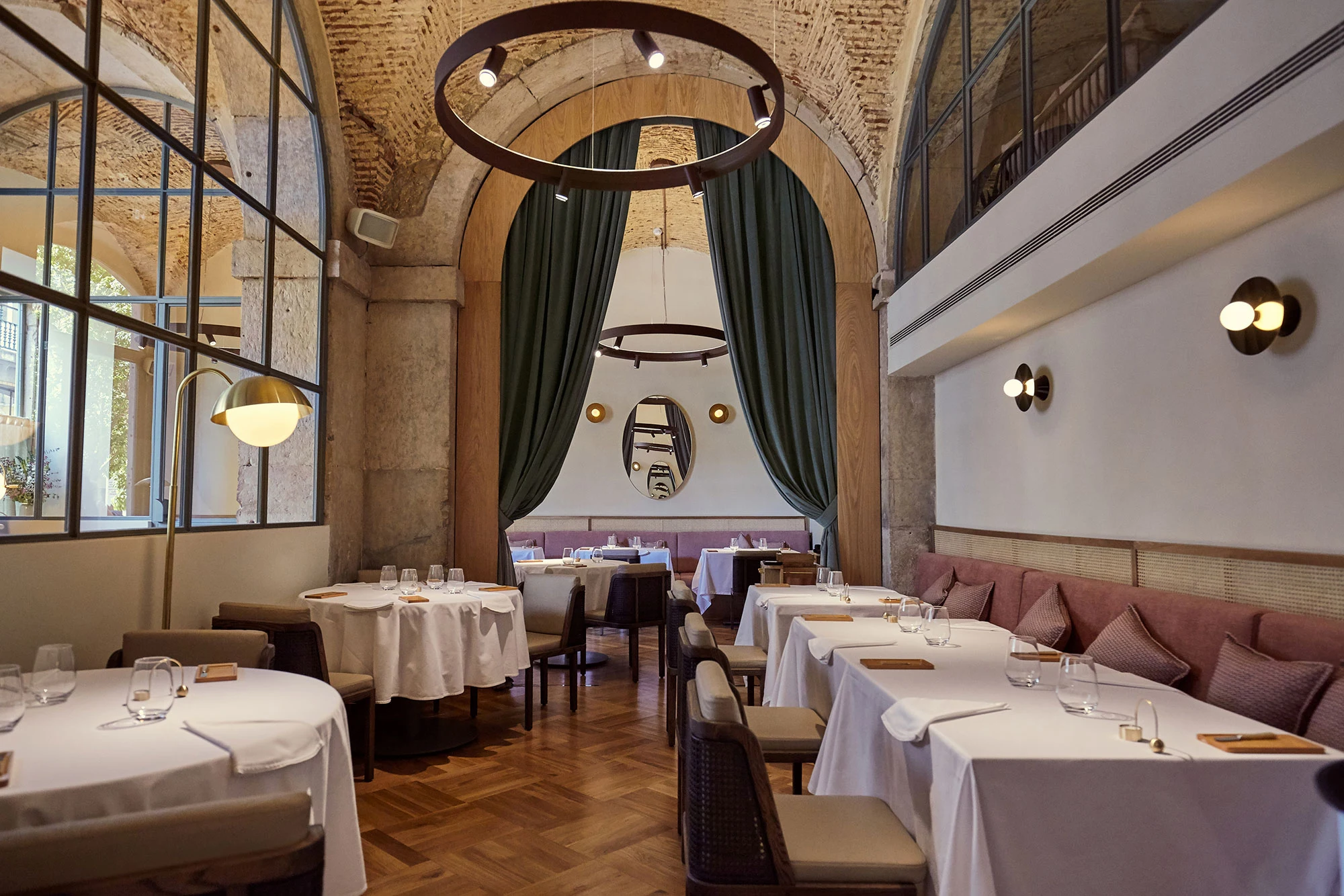
| Belcanto | Contemporary Portuguese Fine Dining | Michelin 2 Stars, World's 50 Best | Lisbon |
| Casa Marcial | Modern Asturian Fine Dining | Michelin 3 Stars | Arriondas |
| Quintonil | Modern Mexican Fine Dining | Michelin 2 Stars, World's 50 Best | Mexico City |
| Restaurant Sat Bains | Modern British Fine Dining | Michelin 2 Stars | Nottingham |
| Ricard Camarena | Modern Vegetable-Focused Mediterranean Fine Dining | Michelin 2 Stars, World's 50 Best | València |
In residence
Similar places
Contemporary French Fine Dining
Amber
Hong Kong, Hong Kong
★★★ · 50 Best
Contemporary Portuguese Fine Dining
Belcanto
Lisbon, Portugal
★★ · 50 Best
Modern Asturian Fine Dining
Casa Marcial
Arriondas, Spain
★★★
Modern Mexican Fine Dining
Quintonil
Mexico City, Mexico
★★ · 50 Best
Modern British Fine Dining
Restaurant Sat Bains
Nottingham, United Kingdom
★★
Modern Vegetable-Focused Mediterranean Fine Dining
Ricard Camarena
València, Spain
★★ · 50 Best