La Encina
- 01CityVillena, Spain
- Falstaff Winery - Listed · 2026
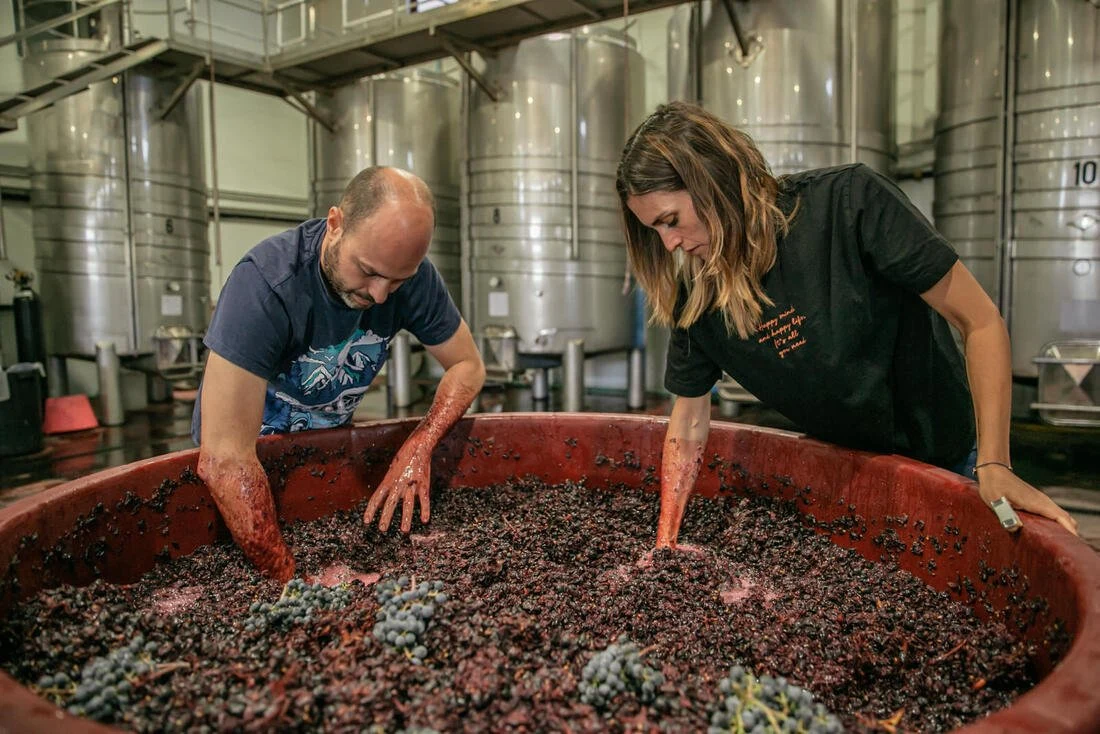
La Encina in Villena is best understood as a small artisan winery with a rustic, traditional feel. Its appeal is not based on polished tourism infrastructure, but on a quieter identity shaped by a natural-wine, no-additives philosophy and a setting described as a tiny railway village. That combination gives the venue a more intimate profile: less about a staged circuit and more about the character of a modest wine place rooted in its surroundings.
For planning purposes, the picture is simple: La Encina is a scenic, hidden-gem style stop in Villena with a classic rural character and a $$ price level. Specific public-facing details beyond that should be treated cautiously unless confirmed directly with the venue, especially if a visit depends on a particular tasting format, bottle availability, or practical arrangement.
Natural wine in a railway village, not a polished tasting-room circuit
La Encina’s defining frame is its small-scale, artisan character. The venue is associated with natural wine and a no-additives philosophy, which gives the place a more traditional and rustic identity than a highly designed visitor complex. In that sense, the strongest description is not one of luxury polish, but of a low-key winery whose appeal comes from simplicity, craft, and a certain rural directness.
The railway-village setting is part of the appeal. Rather than presenting La Encina as a broad hospitality destination, it is more accurate to describe it as a place in Villena where the atmosphere is quiet, rural, and shaped by place. The idea of a tiny railway village matters because it frames expectations: this is the kind of setting where the surrounding character is part of the experience, not just a backdrop to a formal tasting room.
That makes the strongest case for La Encina an atmospheric one: a small winery, a scenic Villena setting, and a classic, unpolished feel. Details such as visit format, specific wines, production methods, or services should be checked directly before planning around them. The no-additives language can guide expectations, but it should not be stretched into claims about exact methods, styles, or bottles.
What is about the setting
The information supports a general reading of La Encina as a small artisan winery with a rustic sensibility. Its character is tied to Villena and to the sense of a tiny railway village rather than to a resort-style or luxury tasting-room model. That distinction is important: the appeal be in the understated rural setting and artisan identity, not in a catalogue of visitor amenities.
Because detailed technical information is not confirmed here, it is better not to overstate terroir, farming practices, grape varieties, cellar methods, or any specific bottle list. The grounded takeaway is the venue’s artisan identity and no-additives philosophy. Those points are enough to place La Encina within a natural-wine-minded conversation, while still leaving room for direct confirmation before making assumptions about what will be available on the day.
For travelers, that means La Encina is best approached as a quiet, scenic Villena winery with a traditional feel. Anyone needing exact opening arrangements, accessibility, bottle availability, or tasting details should verify those directly with the venue. This is especially true because the same qualities that make a small rural winery appealing can also mean that public information is less standardized than it would be for a larger tourism operation.
How to place La Encina in a Villena wine itinerary
La Encina fits naturally into a slower Villena plan, especially for visitors interested in small-scale wine settings rather than large, polished tourism infrastructure. Its price level is listed as $$, and its appeal is rooted in atmosphere, place, and natural-wine identity. It makes the most sense for travelers who value a scenic, rustic stop and are comfortable with a less scripted experience.
Because the confirmed details are limited, build flexibility into any itinerary. Treat La Encina as a rustic, scenic stop in Villena and confirm practical arrangements before arrival. That approach keeps expectations aligned with what is known: a small artisan winery, a natural-wine and no-additives philosophy, and a setting whose quiet railway-village character is central to the draw.
For broader context, compare La Encina with other dining or wine-related options in Villena only in a general sense. The specific case for La Encina rests on its small artisan profile, its no-additives philosophy, and its railway-village atmosphere. Framed that way, it is not a venue to oversell with unsupported detail, but one to understand as a simple, scenic, traditional-feeling stop within the Villena area.
Questions
Frequently asked
How expensive is La Encina?
La Encina is listed at a price level of $$.
The field
How it compares
| Place | Notes | Awards |
|---|---|---|
| La Encina | La Encina (pedanía de Villena), $$ | · |
| Bodegas Bernabé Navarro | Villena | · |
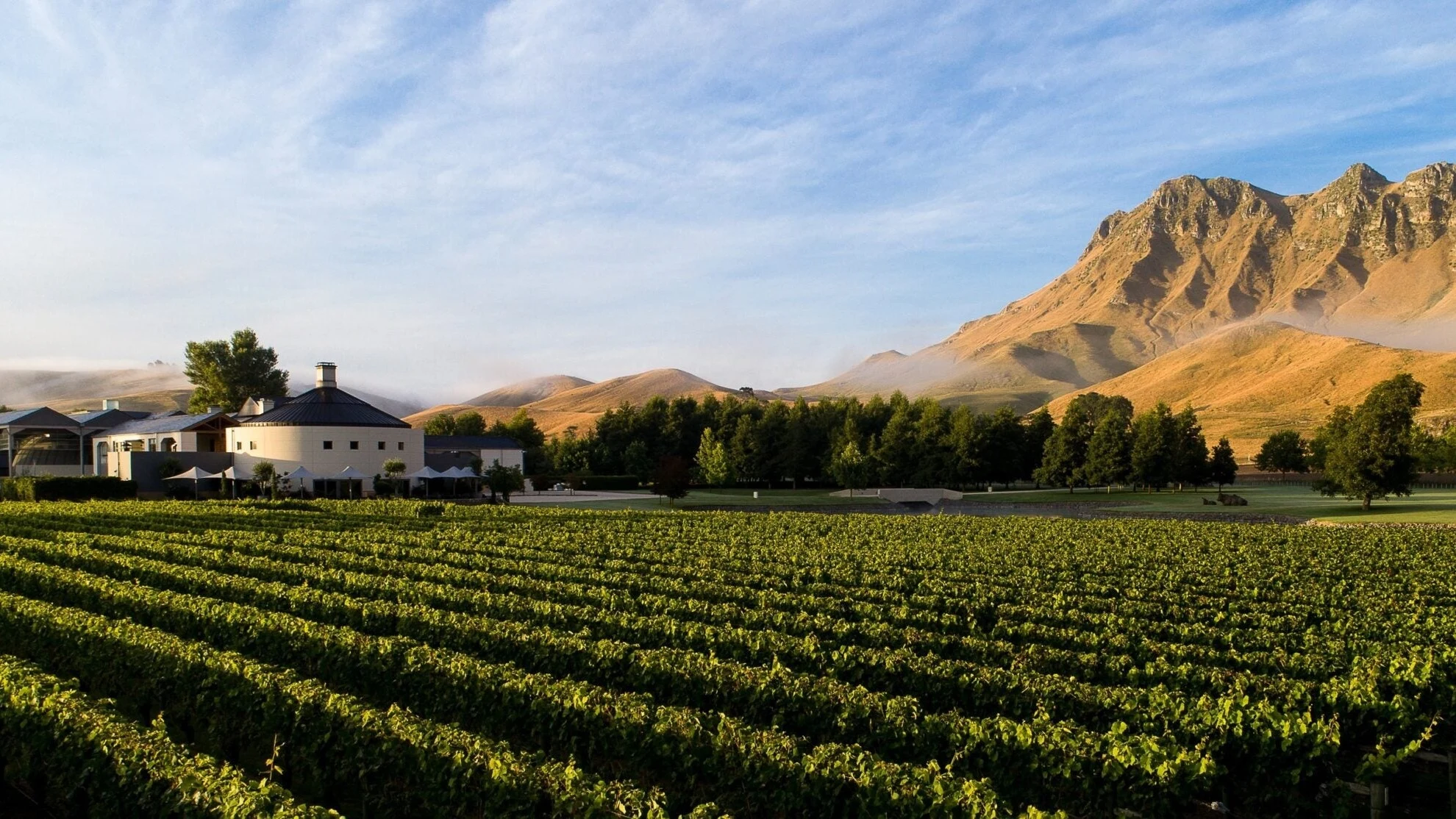
| Craggy Range | Hastings | World's 50 Best |
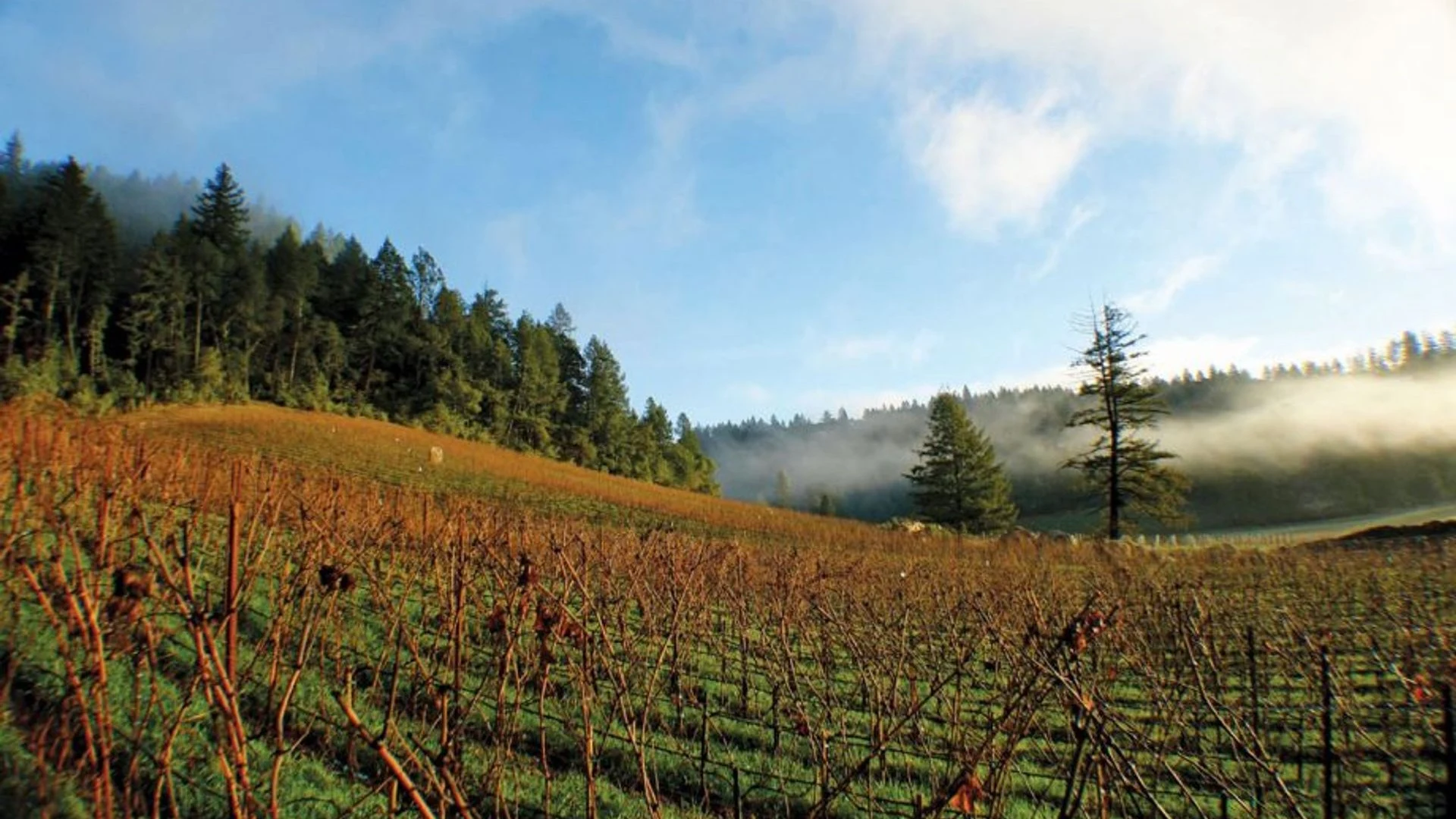
| Hundred Acre | Napa | · |
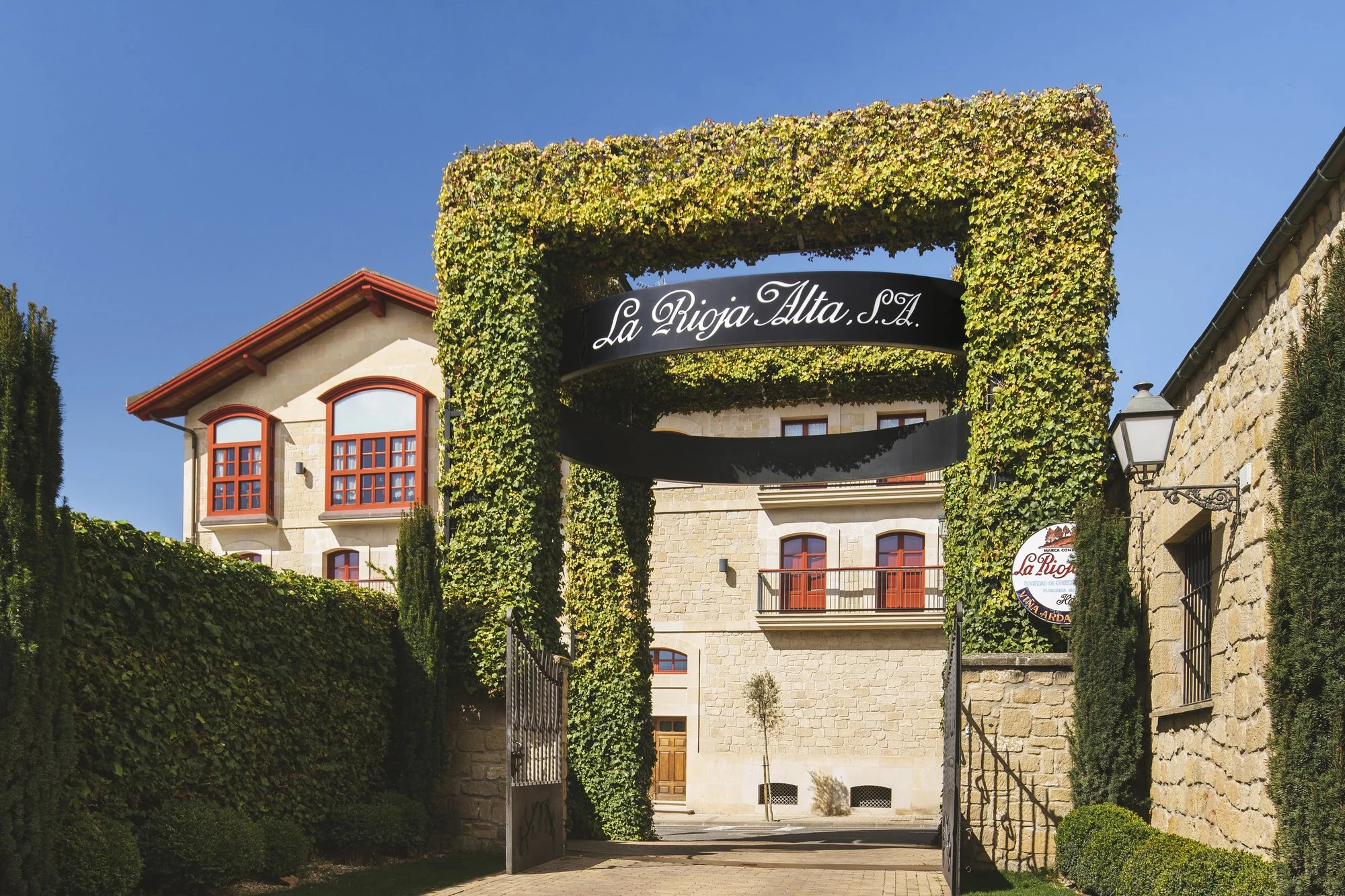
| La Rioja Alta | Haro | · |
| Quinta do Crasto | Sabrosa | World's 50 Best |
| Viña VIK | San Vicente De Tagua Tagua | World's 50 Best |