L'Amant Secret

In Residence
Son Jong-won
Chef
- 01CuisineContemporary Korean-Western Fine Dining
- 02CitySeoul, South Korea
- 03RecognitionOne Michelin Star
- 1 Michelin Star · Michelin Guide
- Michelin 1 Star · 2026
- Opinionated About Dining Top Restaurants in Asia Recommended · 2026
- La Liste Top Restaurants: 88pts · 2026
- La Liste Top Restaurants: 86.5pts · 2025
- Tatler Listed in Best Restaurants Asia-Pacific · 2025
- Michelin 1 Star · 2025
- Michelin 1 Star · 2024
Twenty-Six Floors Above Jung District
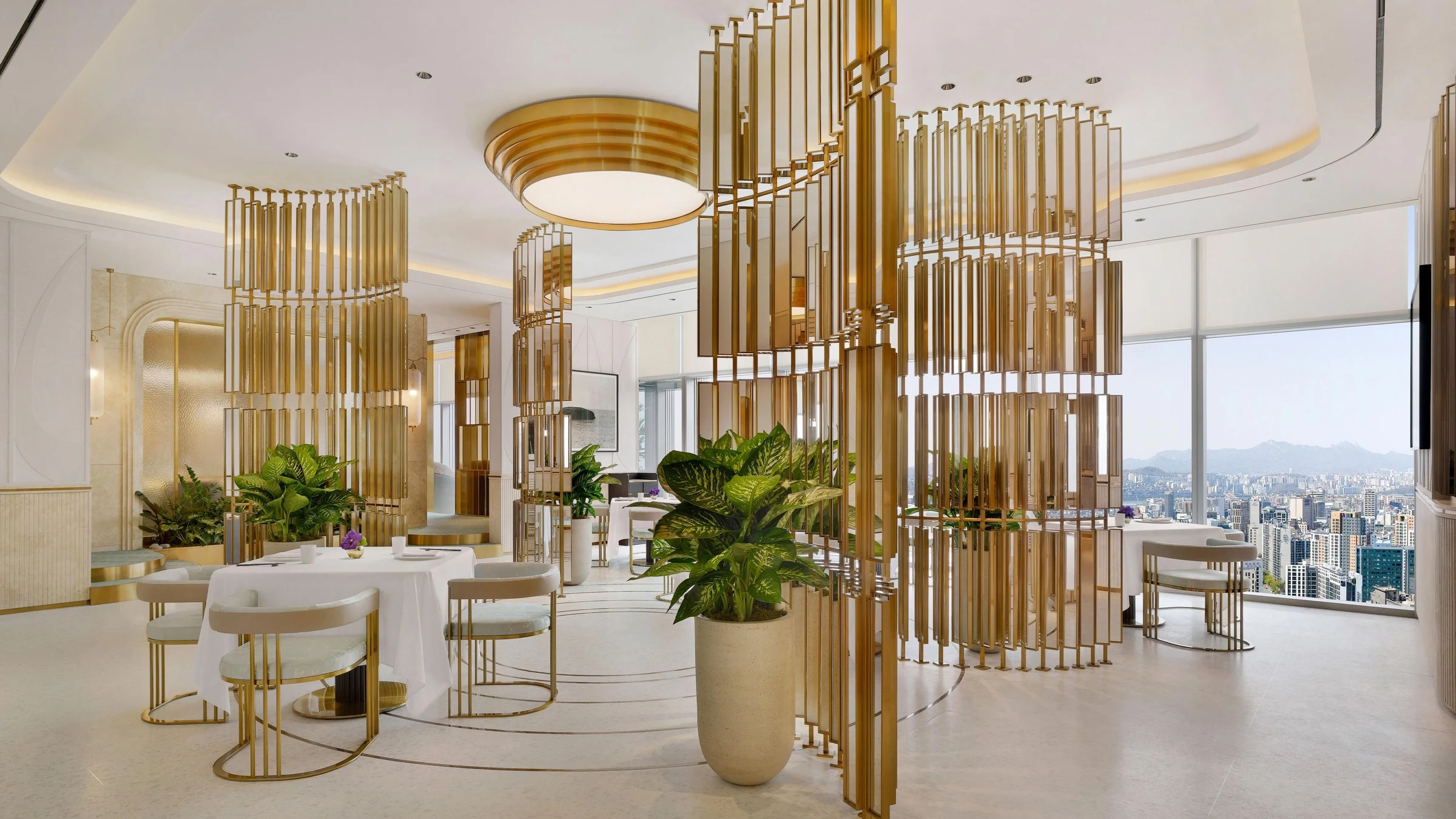
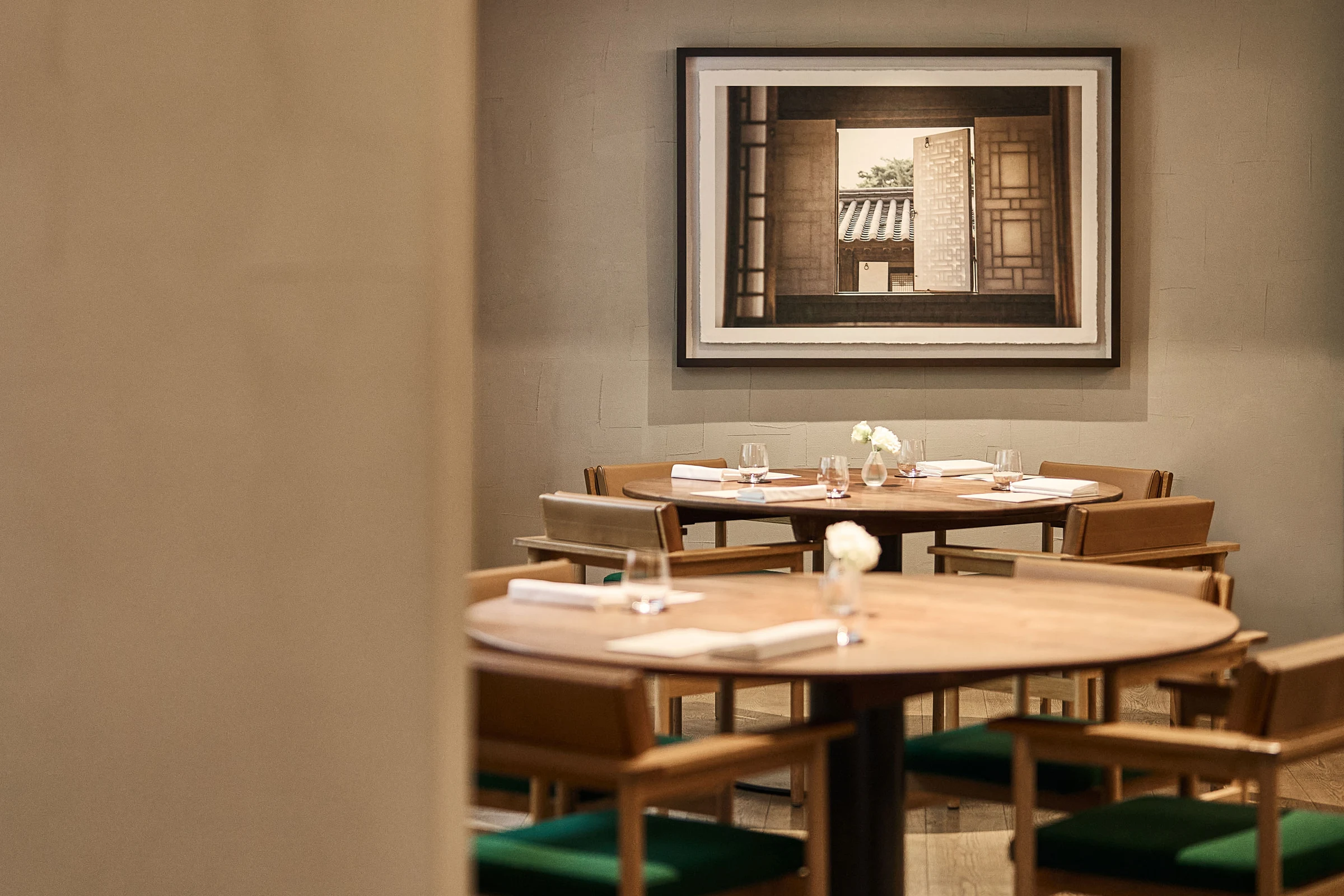
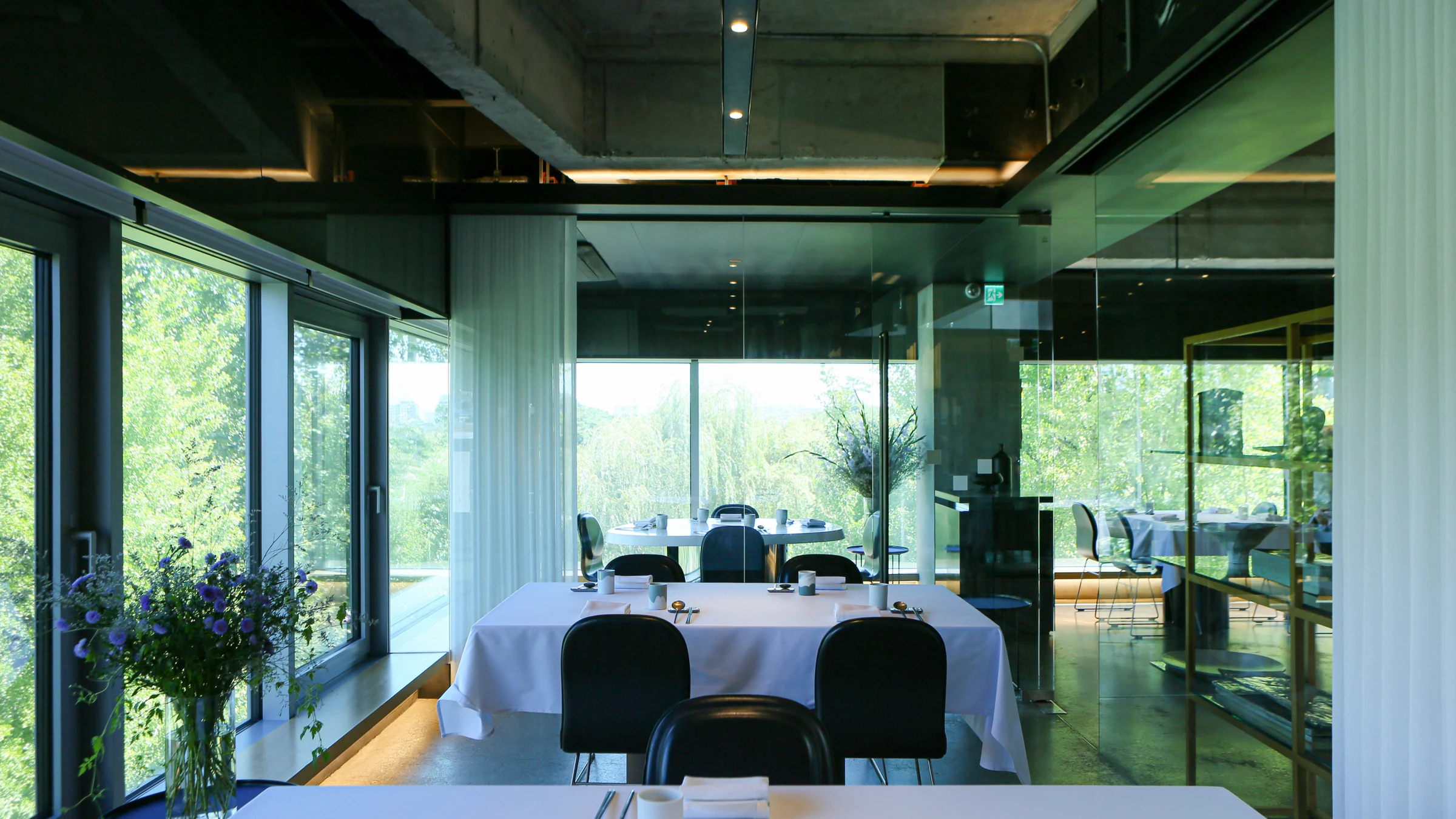
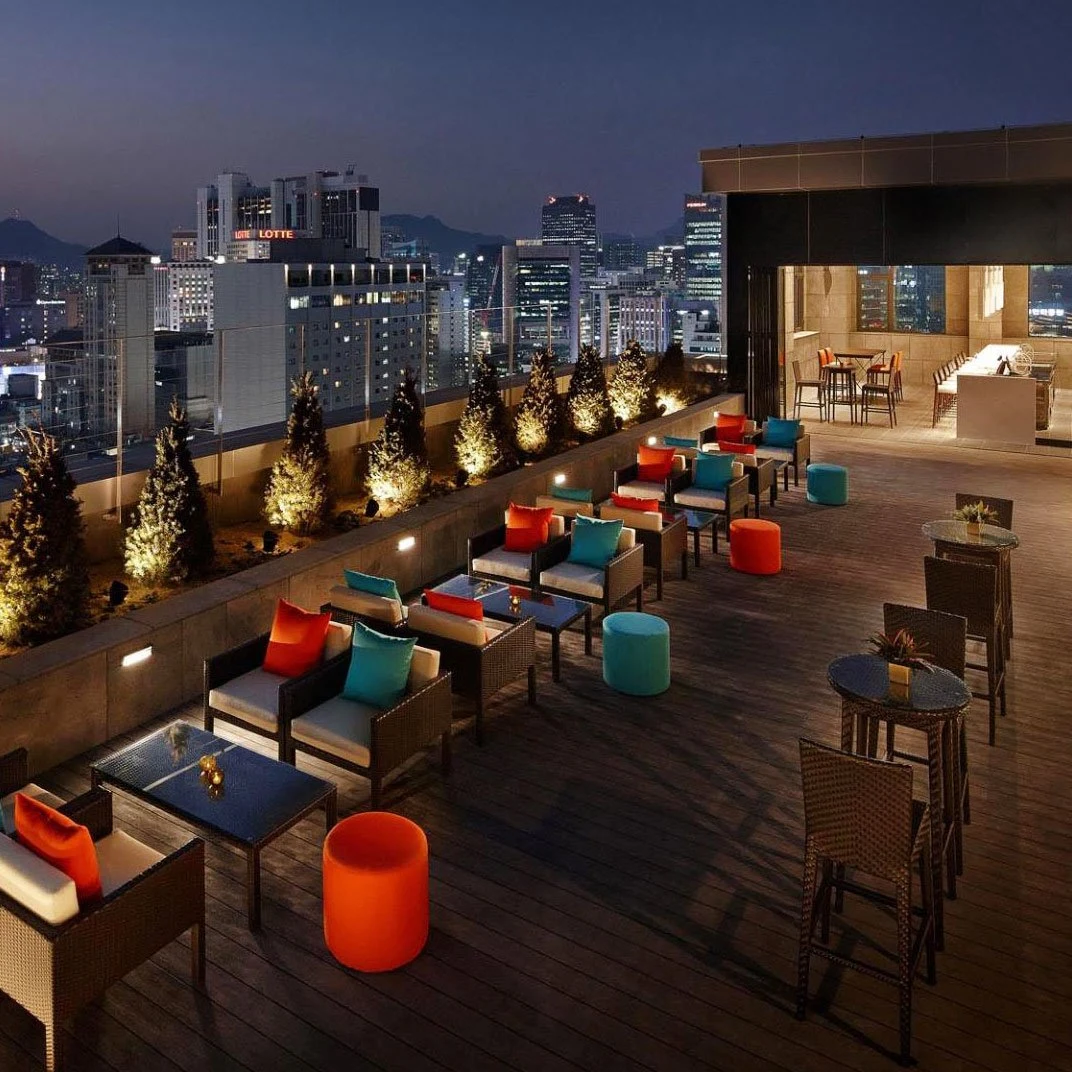
L'Amant Secret is a Michelin-starred restaurant in Seoul, serving contemporary Korean-Western fine dining at the 26th floor of L'Escape Hotel near Jung District. L'Amant Secret belongs firmly to the latter category. Positioned on the 26th floor of L'Escape Hotel at 67 Toegye-ro, the room arrives with the full visual weight of the city below and an interior sensibility that references Paris without reproducing it literally. The name, French for secret lover, signals the broader aesthetic register the kitchen operates in: European in frame, Korean in substance.
Jung District is one of Seoul's historically dense central zones, adjacent to Myeongdong's commercial energy but removed enough from it to maintain a different character. That location places L'Amant Secret in a part of the city where hotel dining rooms carry genuine neighbourhood significance, serving both residents and visitors who want something more considered than the surrounding retail corridors suggest. The 26th-floor vantage reinforces that remove, physically and tonally.
The Intersection of Local Ingredient and Imported Method
Chef Son Jong-won, who trained in the United States, guides a kitchen that uses Western technique with Korean seasonal ingredients. Where some approaches prioritise Korean technique applied to French produce, L'Amant Secret works from the opposite axis: Western methodology applied to Korean seasonal ingredients. Chef Son Jong-won, who trained in the United States, describes the output as Korean-style Western cuisine, and the framing is more precise than it might first appear. The sourcing logic is domestic, seasonal Korean produce drives the menu, while the technical vocabulary is drawn from a Western fine-dining education.
This is a meaningful distinction within Seoul's ₩₩₩₩ contemporary tier. Compare the positioning to venues like Jungsik, which operates its own version of Korean-Western synthesis with a global fine-dining structure, or Eatanic Garden, which emphasises botanical sourcing within a Korean-contemporary frame. Each represents a different calibration of the same underlying challenge: how much Western technique to foreground, and how visibly to centre Korean ingredient identity. L'Amant Secret's answer is to maintain Western culinary architecture while keeping the ingredient story Korean, a position that La Liste has recognised with scores of 86.5 in 2025 and 88 in 2026.
Internationally, this ingredient-technique cross-pollination pattern appears across cities where a generation of chefs trained abroad before returning to cook with domestic produce. Orfali Bros in Dubai and Alo in Toronto both demonstrate versions of this dynamic in their respective markets, as does César in New York City, where contemporary technique is applied to sourcing and cultural reference points that complicate the European norm. The pattern is consistent enough to constitute a recognisable category rather than an idiosyncratic choice.
Awards Trajectory and Peer Context
The Michelin star places L'Amant Secret inside a specific tier of Seoul's contemporary dining market. The La Liste score movement from 86.5 to 88 between 2025 and 2026 is worth reading carefully: scores in that range are not awarded to restaurants operating on novelty alone, and incremental improvement over consecutive cycles typically reflects consistency in execution rather than a single strong performance.
Within Seoul's ₩₩₩₩ contemporary segment, the relevant comparable set includes Solbam and Exquisine, both operating in the same price tier with their own takes on contemporary Korean cuisine. The broader decorated tier also includes Gaon, which anchors the Korean fine-dining tradition more firmly, and Restaurant Allen, which works from a Western-leaning contemporary position. Kwon Sook Soo in Gangnam-gu operates in Korean contemporary territory at a comparable price point, while Mori in Busan and Baegyangsa Temple in Jangseong-gun represent the broader Korean fine-dining geography beyond Seoul. L'Amant Secret's Google rating of 4.7 across 231 reviews indicates sustained diner satisfaction.
The Room and Its Logic
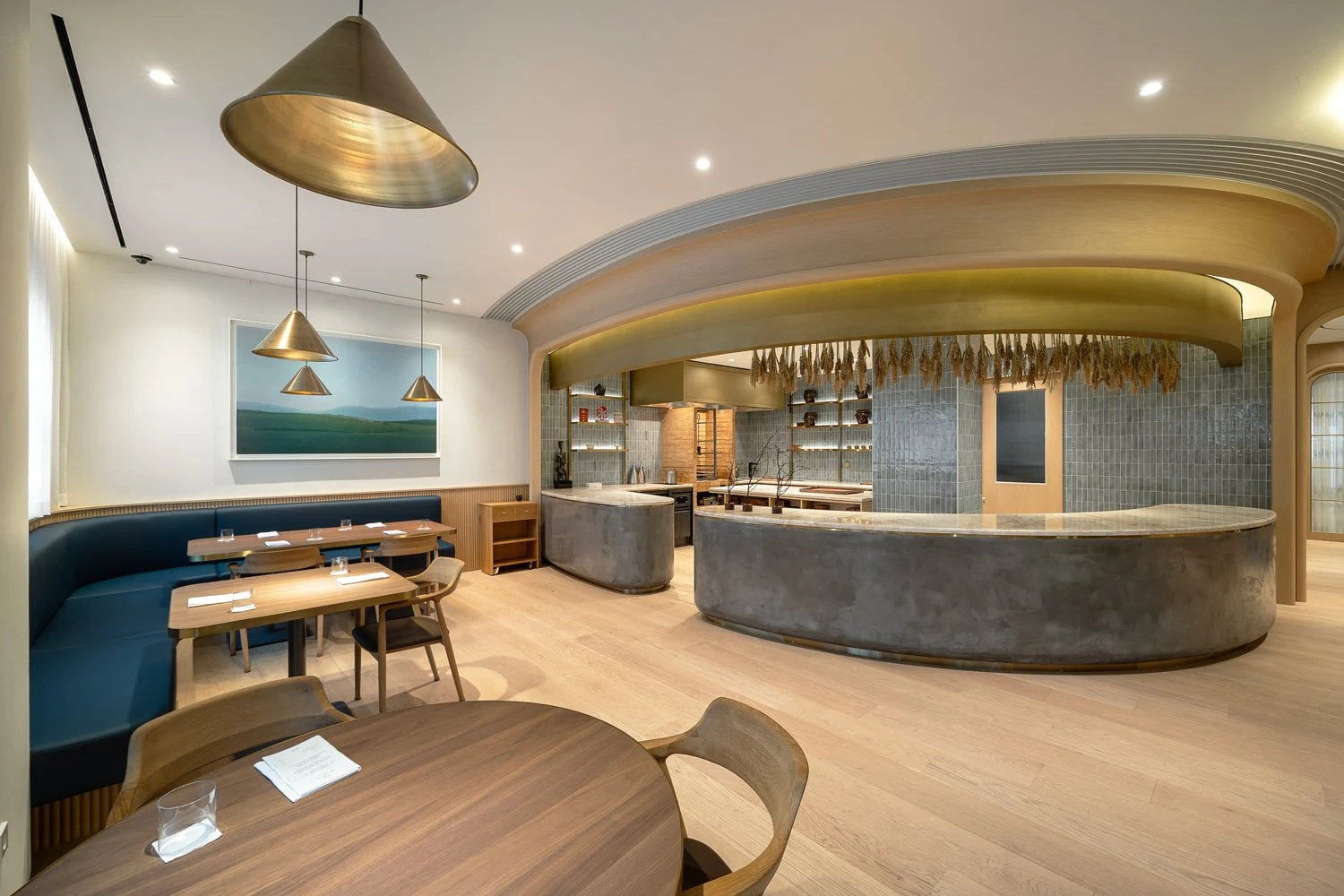
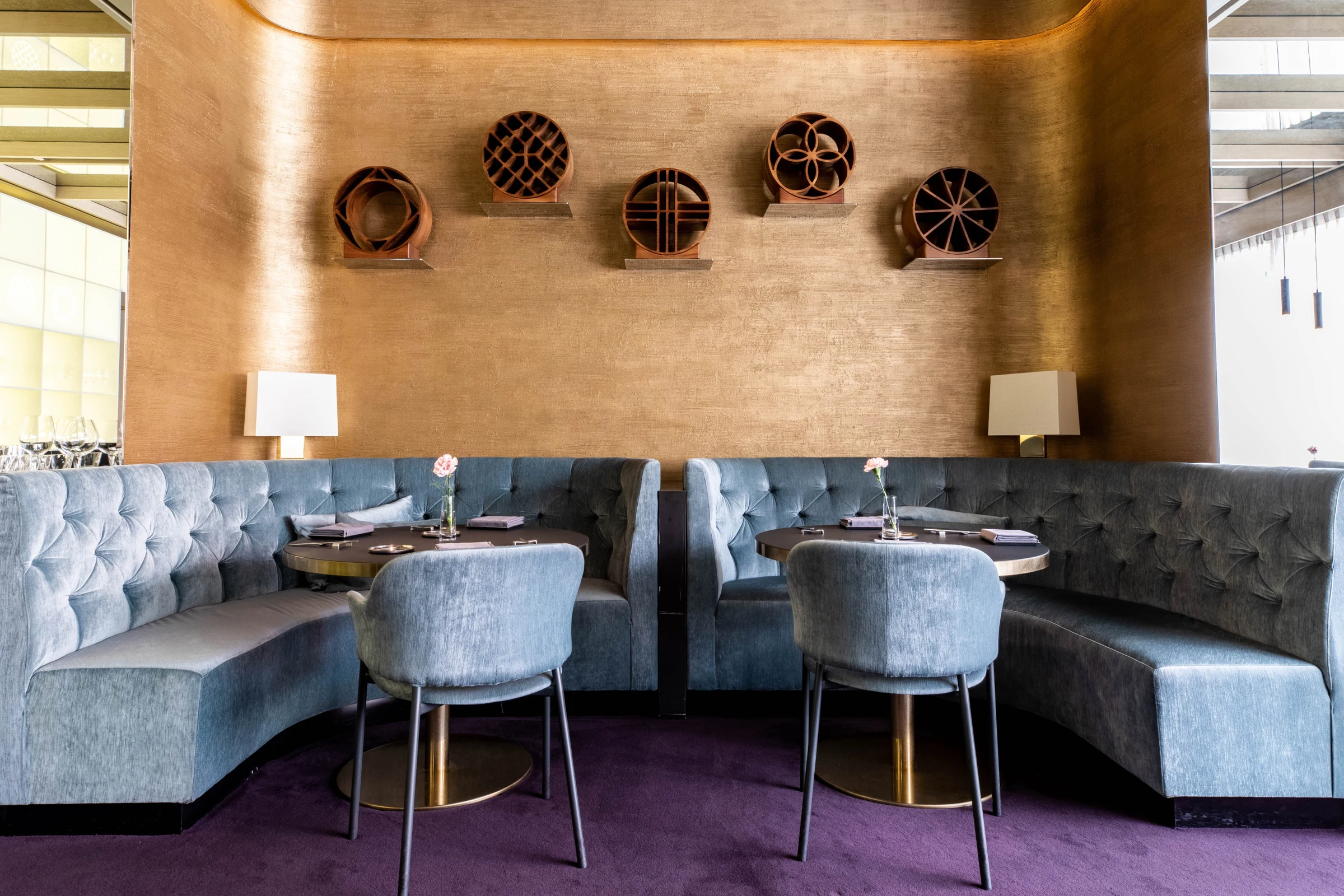
Hotel fine-dining in Seoul has historically faced a perception challenge: the sense that hotel kitchens operate for a captive audience rather than competing openly with the city's independent dining culture. The more decorated hotel restaurants have largely dismantled that assumption, and L'Amant Secret operates in that redefined context. The Parisian-inspired interior design does real work here, it establishes a tonal register that feels deliberate without being imitative, and the 26th-floor elevation gives the dining room a physical remove from the street-level city that most standalone restaurants cannot replicate.
The intimacy noted in the La Liste commentary is a meaningful operational signal. Smaller, more intimate rooms at this price tier in Seoul typically generate longer booking lead times and tighter service ratios. The combination of Michelin recognition and a constrained seating format suggests that reservations are essential, particularly for dinner service, which runs Tuesday through Saturday from 6 PM to 10 PM. Lunch service runs from 12 PM to 3 PM on the same days. The restaurant is closed on Mondays and Sundays.
Seasonal Sourcing and What It Implies for Timing
The documented emphasis on Korean seasonal ingredients has direct implications for when to visit. Korean culinary seasons are distinct and produce-driven: spring brings mountain vegetables, early summer moves toward lighter proteins and coastal ingredients, autumn centres root vegetables and the pre-winter fermentation cycle, and winter emphasises aged and preserved elements. A restaurant that builds its menu around domestic seasonal produce will cook differently across those transitions, which means a visit in late autumn, when the larder is at its most complex, will produce a different meal than one in early spring, when the focus shifts to more delicate, ephemeral ingredients.
This is relevant for international visitors planning Seoul itineraries around dining. L'Amant Secret does not exist in isolation from the broader Korean culinary calendar, and the Western technique applied to that seasonal material will express differently across the year.
Placing L'Amant Secret in the City
Seoul's dining geography is not uniform. The Gangnam corridor carries its own fine-dining density, with multiple Michelin-starred addresses concentrated south of the Han River. Jung District, where L'Amant Secret sits, occupies a different zone, historically central, culturally layered, and home to a set of hotel and independent restaurants that draw from the city's commercial and tourist core. That location makes L'Amant Secret accessible from multiple parts of the city without requiring the Gangnam-specific itinerary logic that governs some of Seoul's other decorated restaurants.
For visitors building a broader Seoul programme, the restaurant pairs logically with the cultural density of central Seoul. The neighbourhood context extends well beyond dining: For diners whose interest extends to different expressions of Korean contemporary cooking across the peninsula, the contrast between L'Amant Secret's urban hotel format and the regional temple cooking at Baegyangsa Temple in Jangseong-gun or the Busan dining scene anchored by venues like Mori provides useful coordinates for understanding the full range of how Korean ingredients and technique interact outside the capital.
Know Before You Go
- Address: 67 Toegye-ro, Jung District, Seoul, South Korea (26th floor, L'Escape Hotel)
- Hours: Tuesday to Saturday, lunch 12 PM – 3 PM; dinner 6 PM – 10 PM. Closed Sunday and Monday.
- Price tier: ₩₩₩₩
- Awards: Michelin 1 Star (2024); La Liste 86.5 pts (2025), 88 pts (2026)
- Google rating: 4.7 / 5 (218 reviews)
- Chef: Son Jong-won
- Cuisine: Contemporary (Korean-style Western cuisine with Korean seasonal ingredients)
Questions
Frequently asked
What recognition does L'Amant Secret hold?
L'Amant Secret holds 1 Michelin star.
Who works at L'Amant Secret?
Made By profiles Son Jong-won (Chef) at L'Amant Secret.
How expensive is L'Amant Secret?
L'Amant Secret is listed at a price level of $$$$.
Where is L'Amant Secret and what does it serve?
L'Amant Secret is in 소공동, Seoul, serving Contemporary Korean-Western Fine Dining.
The field
How it compares
| Place | Awards | Cuisine | Notes |
|---|---|---|---|
| L'Amant Secret | Michelin 1 Star | Contemporary Korean-Western Fine Dining | 소공동, $$$$ |
| alla prima | Michelin 2 Stars, World's 50 Best | Modern Fusion Fine Dining | Seoul |
| Eatanic Garden | Michelin 1 Star, World's 50 Best | Modern Korean Contemporary | Seoul |
| Evett | Michelin 2 Stars | Modern Innovative Korean | Seoul |
| Jungsik | Michelin 2 Stars, World's 50 Best | Modern Korean Fine Dining | Seoul |
| Mingles | Michelin 3 Stars, World's 50 Best | Modern Korean Fine Dining | Seoul |
| Onjium | Michelin 1 Star, World's 50 Best | Modern Korean Royal Court Cuisine | Seoul |
In residence
Similar places
Modern Fusion Fine Dining
alla prima
Seoul, South Korea
★★ · 50 Best
Modern Korean Contemporary
Eatanic Garden
Seoul, South Korea
★ · 50 Best
Modern Innovative Korean
Evett
Seoul, South Korea
★★
Modern Korean Fine Dining
Jungsik
Seoul, South Korea
★★ · 50 Best
Modern Korean Fine Dining
Mingles
Seoul, South Korea
★★★ · 50 Best
Modern Korean Royal Court Cuisine
Onjium
Seoul, South Korea
★ · 50 Best