Head Chef
Son Jong-won
Head Chef, L'Amant Secret
- Discipline
- Head Chef

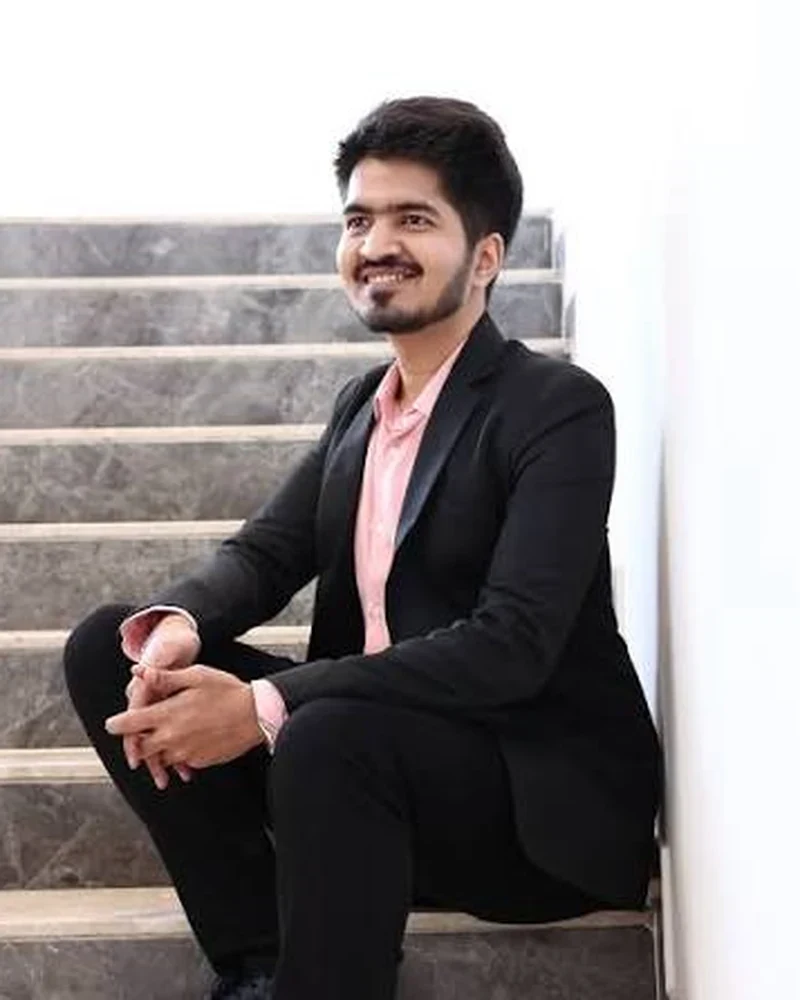
Portrait of Son Jong-won
i. Biography
Contemporary cooking here is built from seasonality, fermentation, and controlled recomposition. In Son Jong-won’s work, modern technique is used to clarify familiar flavors from his culinary heritage rather than cover them. Produce sets the first terms; fermentation supplies depth; the meal structure carries memory, pacing, and service into the same frame.
The Route
Technical discipline preceded the restaurant work. Son Jong-won trained at All Saints' Day School and Rose-Hulman Institute of Technology before entering fine dining kitchens where repetition, pressure, and exacting standards shaped the craft. Early professional experience at Benu in United States, Quince in United States, Coi in United States, and Noma in Denmark placed that training inside kitchens associated with clarity, restraint, and daily technical rigor. Son Jong-won’s cooking works from seasonality and fermentation, using reinterpretation without cutting the thread to home-ground taste. The work also extended beyond restaurant service: he became mentor and judge at S.Pellegrino Young Chef Academy Competition, appeared as White Spoon competitor at Culinary Class Wars Season 2, and served as executive chef for state dinner hosted by President Lee Jae-myung for French President Emmanuel Macron at Blue House's Sangchunjae (2026–2026). Restaurant, broadcast, and ceremonial cooking require different forms of address, but the craft question remains consistent: how food communicates. As head chef of L'Amant Secret (since 2018), head chef of Eatanic Garden, and regular chef cast of Please Take Care of My Refrigerator, Son Jong-won works across formats where national taste, contemporary method, and guest reception have to meet without becoming decoration.
Present Day
The restaurant’s stated work is to explore the history of Korean culinary culture, innovate its cuisine, and reintroduce it to the world. In practice, that means a meal organized around sequence and season: courses built so that ingredients lead, with contemporary technique serving the structure rather than replacing it. Menu format is part of the service craft. Instead of a conventional written menu, the restaurant uses illustrated cards for each course, allowing Son Jong-won to craft seasonal dishes around the freshest produce. The cards shift the guest’s first contact with a course from instruction to image, while preserving the kitchen’s ability to respond to the market, the field, and the moment. Signature work includes Hanwoo beef served three ways with fermented cauliflower and winter vegetables shaped into snowflakes, noted as an example of the menu reimagining culinary heritage with modern finesse. The plate places meat, fermentation, and vegetable work in the same architecture: beef handled in multiple expressions, cauliflower used for fermented depth, and winter vegetables carrying form as well as season. Other dishes include sea urchin with parae seaweed on the modern tasting menu, and petit fours of chocolate bonbon with makgeolli and dried persimmon with yuzu. These combinations keep local reference points active through brine, sweetness, acidity, and fermentation, while presenting them in a contemporary tasting-menu format. “To me, fine dining is about creating an extraordinary dialogue with guests through both food and service. Son has said.
Career - Head chef, L'Amant Secret, Seoul, South Korea (2018–present) - Head chef, Eatanic Garden, Seoul, South Korea - Regular chef cast, Please Take Care of My Refrigerator - Early professional experience, Benu, United States - Early professional experience, Quince, United States - Early professional experience, Coi, United States - Early professional experience, Noma, Denmark - Mentor and judge, S.Pellegrino Young Chef Academy Competition - White Spoon competitor, Culinary Class Wars Season 2 - Executive chef for state dinner hosted by President Lee Jae-myung for French President Emmanuel Macron, Blue House's Sangchunjae (2026–2026) Educ